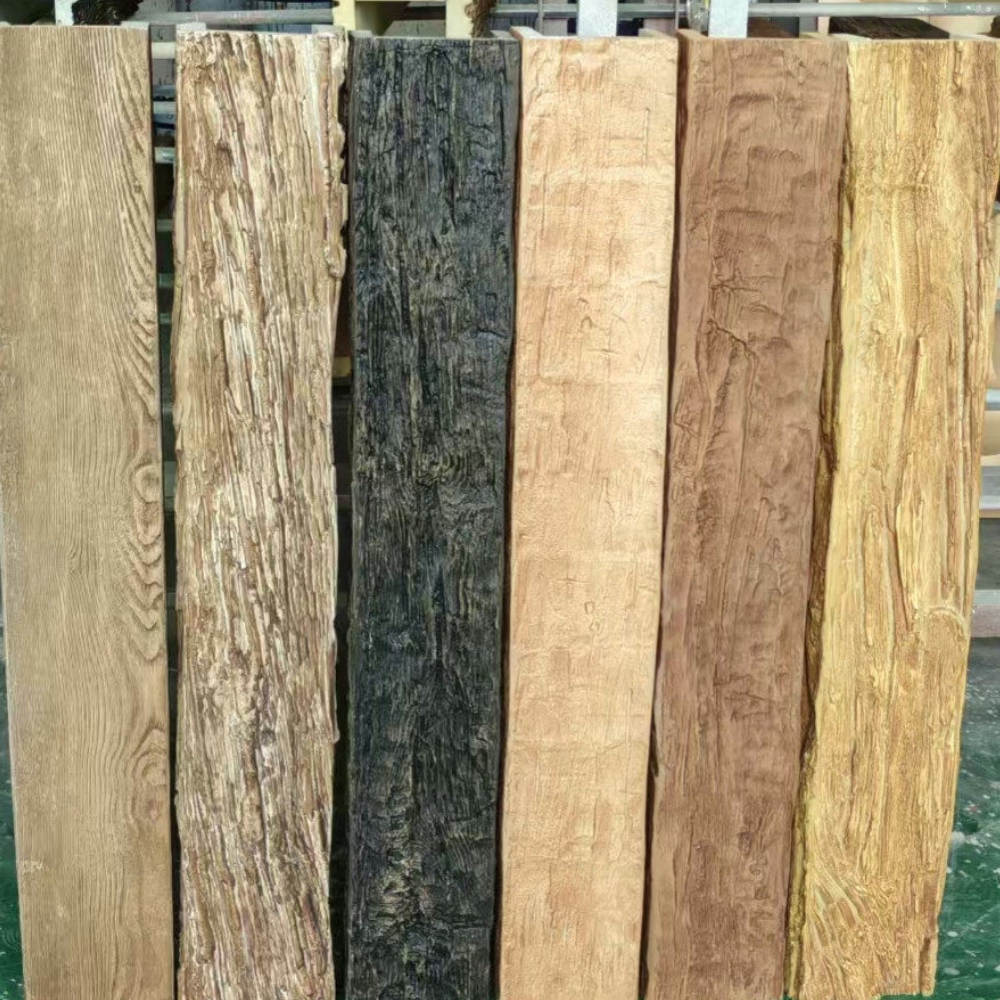
Architectural decoration serves purposes beyond mere aesthetics—creating spatial definition, directing movement, establishing hierarchy, and expressing cultural values. The materials selected for decorative elements communicate meaning while performing practical functions. Wood has symbolized craftsmanship, natural connection, and timeless quality across architectural traditions, making its incorporation into decorative schemes a meaningful design choice.
Genuine timber presents practical limitations that constrain its use in many decorative applications. Weight limits ceiling applications to reinforced structures. Moisture sensitivity restricts use in humid environments. Pest vulnerability creates maintenance demands. These constraints inspired development of alternative materials achieving wood's aesthetic qualities without its practical limitations.

Decorative Beam Applications in Architecture
Ceiling beams represent the most common decorative beam application, defining space while adding visual warmth to overhead surfaces. The beam direction influences perceived room proportions—beams running perpendicular to a long dimension visually shorten the space while parallel beams elongate it. This spatial manipulation enables architects to adjust apparent room geometry without structural changes.
Beam clusters and groupings create focal points and establish visual rhythm. Three-beam arrangements often mark specific functions—over dining tables, kitchen islands, or bed positions. This strategic placement creates intimate zones within larger open spaces, addressing the spatial planning challenges of contemporary open-plan layouts.
Decorative beam endpoints and brackets provide additional ornamentation opportunities. These elements often feature more elaborate detail than the beam body, referencing traditional timber joinery while functioning purely aesthetically. The contrast between simplified beam bodies and decorated terminals creates visual interest through variation.
Integration with Architectural Styles
Traditional architectural styles benefit from faux beams that reference specific historical periods. Craftsman homes typically feature square-edged beams with minimal ornamentation, reflecting the Arts and Crafts emphasis on honest construction. Victorian and Edwardian interiors may incorporate more ornate beam profiles with carved or molded details.
Contemporary architecture increasingly references natural materials without strictly mimicking historical precedent. Clean-lined faux beams with restrained grain patterns complement modern interiors seeking warmth without period associations. The material's consistency enables precision that hand-crafted timber rarely achieves.
Rustic and farmhouse styles embrace more weathered and distressed faux beam aesthetics. These applications benefit from beams incorporating saw marks, natural checking, and color variation that suggest genuine age and authentic origins. The casual appearance belies sophisticated manufacturing techniques.

Structural Versus Decorative Distinction
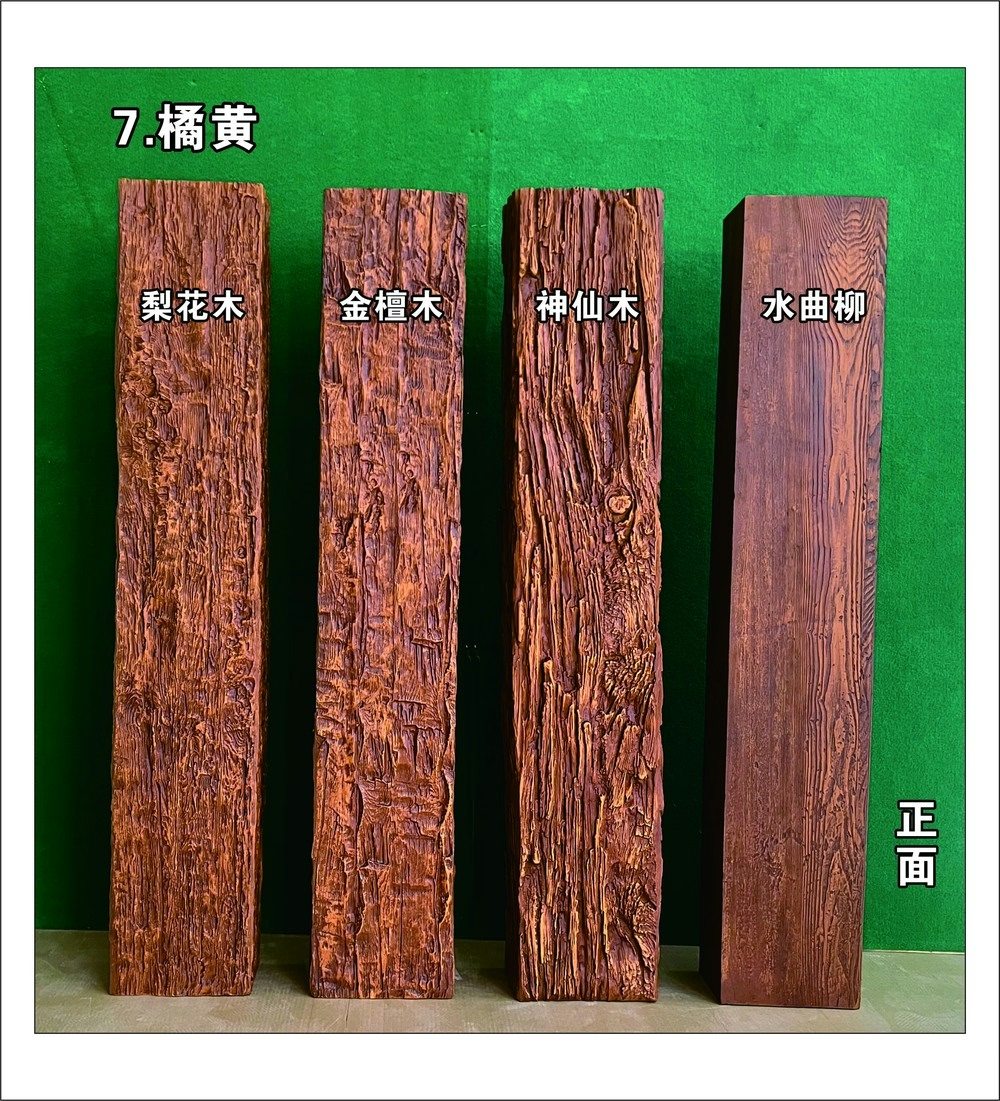
Understanding the distinction between structural and decorative beam applications guides specification decisions. Structural beams bear loads and must satisfy engineering requirements. Decorative beams carry no load and exist purely for visual effect. Polyurethane faux beams serve exclusively decorative functions, requiring different specification criteria than load-bearing elements.
Fire safety codes affect decorative beam specification in many jurisdictions. Combustible materials may face restrictions in certain occupancy types or building areas. Fire-retardant polyurethane formulations address these requirements while maintaining decorative function. Verify code requirements before specifying any decorative beam product.
Insurance considerations occasionally affect material selection for commercial applications. Building owners should verify that decorative elements meet carrier requirements for fire resistance and smoke development. Documentation from manufacturers supporting code compliance simplifies insurance discussions.
Creating Spatial Hierarchy Through Beam Design
Large-scale decorative elements naturally attract attention, making them effective tools for establishing visual hierarchy. Massive beams over primary living areas command focus while smaller beams in secondary spaces recede visually. This hierarchy guides occupant attention toward intended focal points.
Beam color and finish influence perceived weight similarly. Dark-stained beams appear heavier and more substantial than pale-finished alternatives, even with identical dimensions. Designers exploit this perception to create visual hierarchy independent of actual beam sizing.
Lighting interaction amplifies spatial effects. Beams positioned to catch natural light cast shadows that reinforce their presence. Artificial lighting can emphasize or subdue beam presence depending on design intent. Coordinating beam placement with lighting design maximizes architectural impact.
Detailing for Realistic Appearance
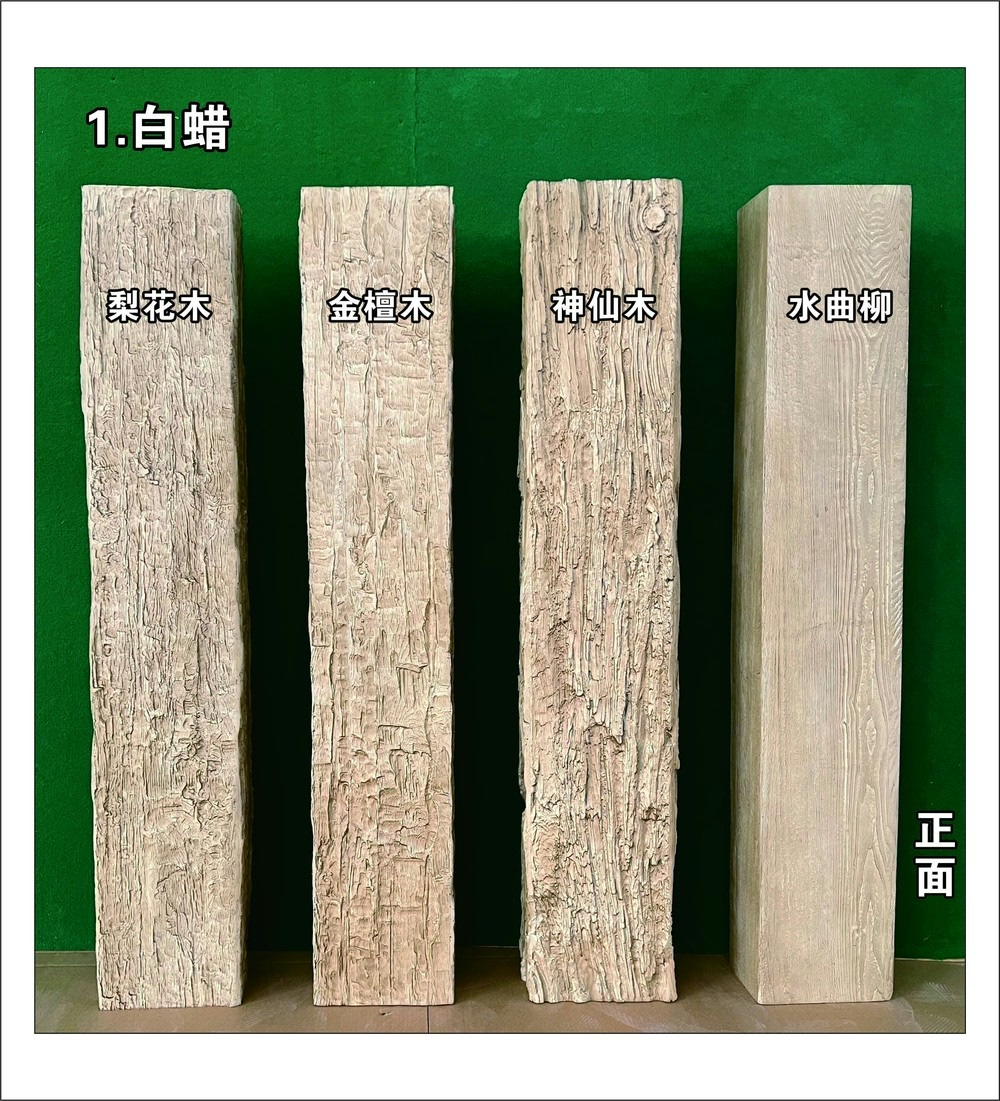
Even the highest quality faux beams reveal themselves upon close inspection—the material properties differ from timber, and the manufacturing process introduces subtle differences. At normal viewing distances, however, convincing appearance requires attention to detail that lesser products overlook.
End grain treatment affects perceived authenticity significantly. Timber end grain shows different character than face grain, with visible cell structure revealing the cross-section. Quality faux beams incorporate textured end caps or end grain patterns that replicate this characteristic.
Hardware and attachment details either support or undermine authenticity. Exposed fasteners should appear appropriate to the beam style—period-appropriate hardware for traditional installations, concealed systems for contemporary applications. Review attachment methods against intended aesthetic before final specification.
Professional Specification Considerations
Architects and designers specify faux beams through detailed documentation ensuring appropriate products reach the project. Material specifications should address required properties: UV resistance for sun-exposed locations, fire retardancy for code-required applications, and surface durability for high-traffic areas.
Sample approval processes verify appearance before production commitments. Review physical samples in the project environment under actual lighting conditions. Document approval in writing to protect both designer and client interests.
Substitution provisions protect specification integrity when primary products prove unavailable. Define acceptable alternatives that maintain aesthetic and performance standards rather than allowing any technically compliant product.
Client Communication and Expectation Management
Presenting faux beam options to clients requires balancing marketing claims against realistic limitations. Demonstrate actual products rather than relying on photographs that may misrepresent scale or surface qualities. Allow clients to touch and examine samples to establish accurate expectations.
Explain care and maintenance requirements upfront to prevent post-installation surprises. While maintenance proves minimal compared to genuine timber, understanding what is required prevents future complaints. Document care instructions for client reference.
Address sustainability questions with factual information about environmental benefits. Many clients appreciate the ecological advantages of faux timber and may prioritize these products based on environmental considerations alone.
Technical References
ASTM standards cited in every specification
Test Data
Lab results from internal testing program
Updated 2026
Reviewed against current product specs