The ceiling plane presents an underutilized opportunity for architectural expression. While walls receive extensive treatment through paint, wallpaper, and paneling, ceilings often remain afterthoughts—flat, blank surfaces that contribute little to room atmosphere. Introducing timber beams changes this relationship fundamentally, transforming overhead space into a defining feature.
The psychological impact of ceiling beams extends beyond simple aesthetics. Warm wood tones create psychological comfort associated with shelter and security. The horizontal lines draw attention upward, potentially making rooms feel taller and more spacious. The intersection of beams creates visual grid patterns that organize space and provide scale reference.

Psychological Effects of Ceiling Beams
Research in environmental psychology demonstrates that ceiling height affects mood and cognition. Higher ceilings associate with freedom and expansiveness, while lower ceilings create intimacy and focus. Beam introduction modifies perceived ceiling height without actual structural change, enabling psychological manipulation of space.
The presence of natural materials influences occupant wellbeing positively. Wood's organic textures and warm colors trigger responses evolved over millennia of human interaction with forest environments. Even synthetic representations of wood activate these responses, though perhaps less intensely than genuine timber.
Social behavior responds to architectural context. Spaces with visible timber beams often encourage gathering and lingering, making them suitable for living areas and dining spaces. The aesthetic investment signals that the space merits care and attention, subtly influencing behavior accordingly.
Design Approaches for Different Room Types
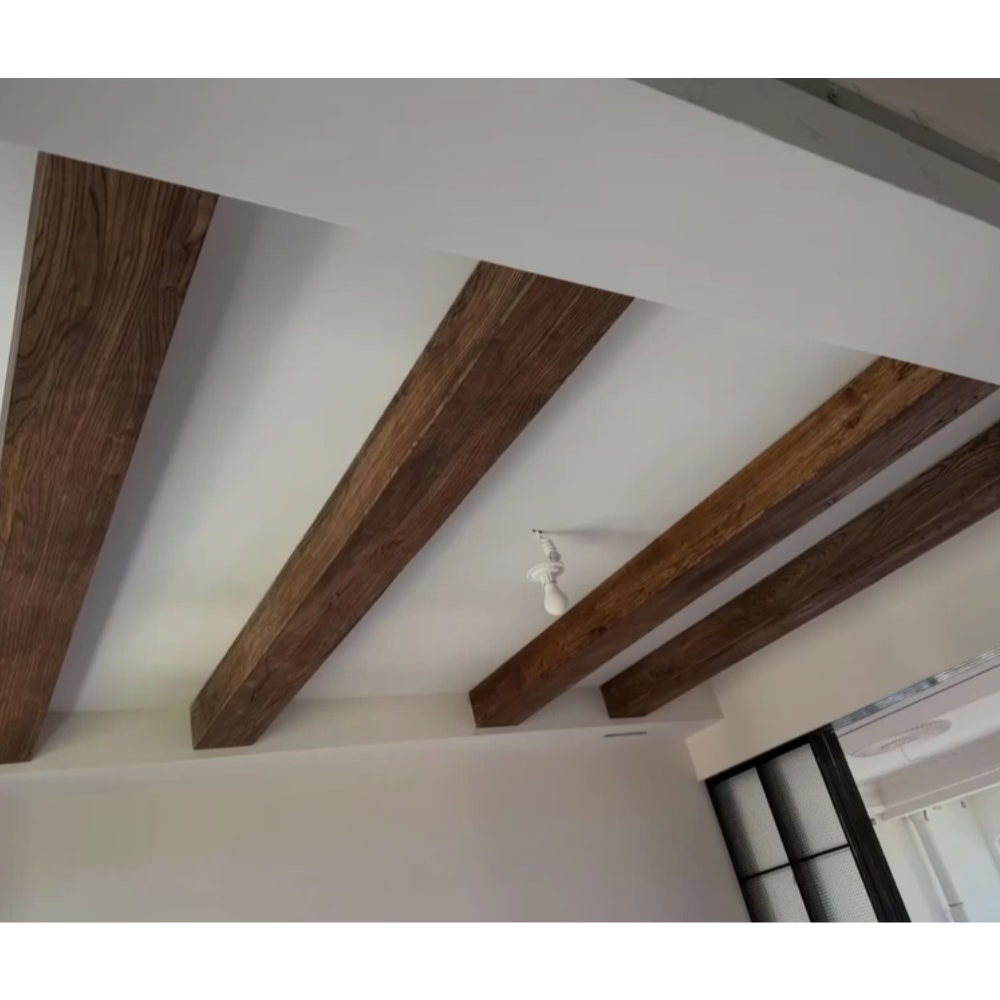
Living rooms and great rooms accommodate the most dramatic beam installations. Large-scale beams in substantial numbers establish strong architectural presence appropriate to primary living spaces. These installations often feature dimensional beams—eight inches or larger in width and depth—creating genuine visual weight that commands attention.
Bedroom ceiling treatment requires more restrained approaches. The intimate character appropriate for sleeping spaces suggests smaller-scale beams or simpler installations. Coffered ceiling treatments incorporating beam elements provide architectural interest while maintaining softer atmosphere. Avoid overly dramatic installations that might distract from rest.
Home office and study ceilings benefit from beams that establish focus without overwhelming concentration. Medium-scale beams arranged in simple patterns create visual interest that stimulates creativity while remaining calm enough for sustained work. The warmth of wood prevents these spaces from feeling sterile or corporate.

Integration with Lighting Design
Ceiling beams interact significantly with lighting systems, creating opportunities for atmospheric enhancement. Recessed fixtures positioned between beams create pools of light that accentuate beam depth. This interplay of light and shadow adds dimension beyond what either element achieves alone.
Linear LED fixtures installed within beam hollows create subtle uplighting that washes the ceiling plane above. This indirect illumination provides ambient lighting while emphasizing beam presence. The effect proves particularly effective in evening settings where artificial light replaces natural daylight.
Pendant fixtures hung from beams provide task illumination while reinforcing beam presence as design elements. The combination of overhead beam and suspended fixture creates layered lighting that serves multiple functions. Scale pendants appropriately—fixtures too small appear trivial against substantial beams while oversized fixtures may overwhelm modest beam installations.
Color Coordination Strategies
Beam color selection should coordinate with overall room color palette while providing sufficient contrast for visual definition. Matching beam color to wall trim creates subtle integration that may disappear in modest installations. Contrasting beam color establishes clear distinction that emphasizes beam presence.
Natural wood tones range from pale honey through rich amber to deep chocolate brown. Each range complements different wall colors—light beams suit contemporary white and gray schemes while dark beams pair effectively with navy, forest green, or other saturated wall colors.
Painted beam finishes extend beyond natural wood tones to include white, black, and custom colors matching specific design requirements. Painted beams often appear more contemporary and less rustic than natural finishes, suiting modern interiors that seek beam presence without traditional associations.
Maintenance Planning
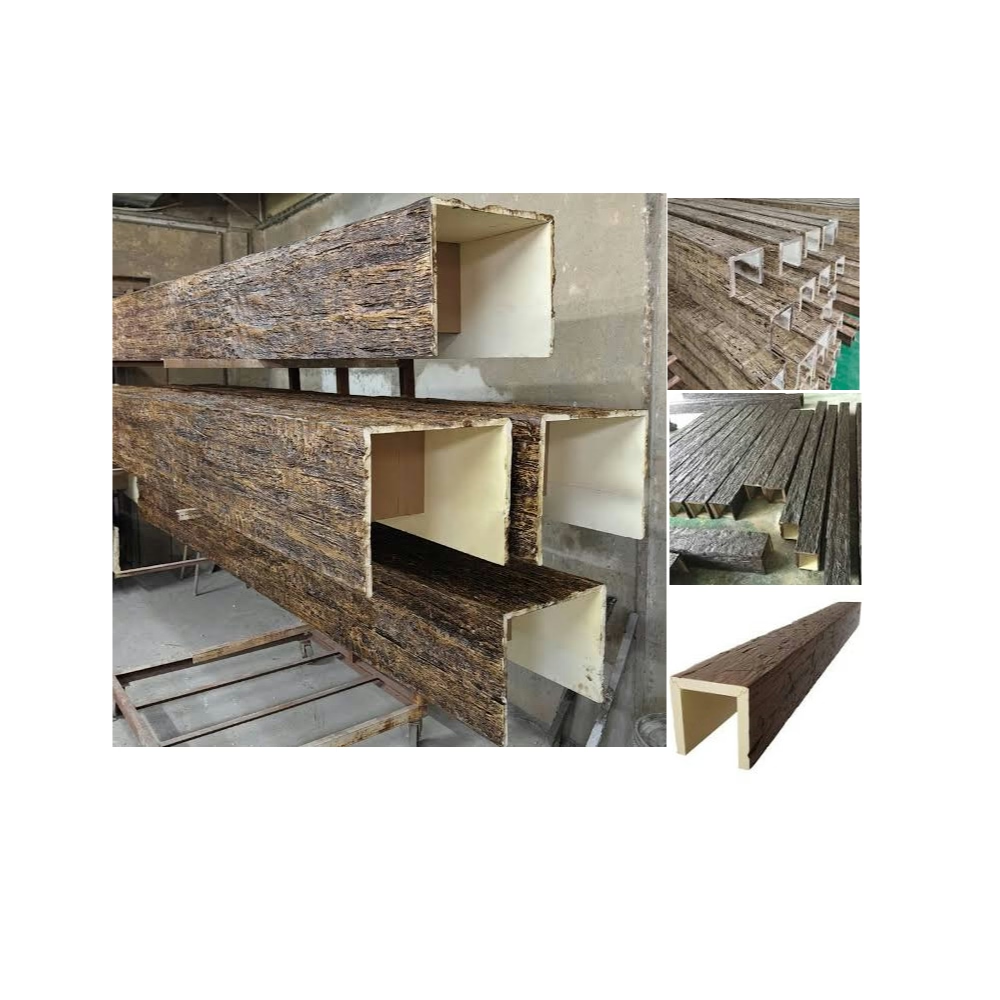
Although polyurethane beams require less maintenance than genuine timber, some care remains appropriate. Dust accumulation in beam hollows and on beam surfaces occurs naturally, requiring periodic cleaning. The frequency depends on room use and environmental conditions—kitchens accumulate more particulate than bedrooms.
Surface cleaning uses mild detergent diluted in water, applied with soft cloth or sponge. Avoid abrasive cleaners that might scratch finishes or damage surface textures. Test cleaning products on inconspicuous areas before full application.
Joint inspection should occur annually, checking for any separation between beam segments or between beams and mounting surfaces. Early intervention prevents more significant problems—re-adhesive or re-fasten as indicated by inspection findings.
Professional Installation Value
Professional installation ensures optimal results from quality materials. Experienced installers understand fastening patterns, adhesive application, and finishing techniques that produce lasting, beautiful installations. The investment in professional installation typically pays through superior results and reduced callbacks.
Multiple contractors often specialize in finish carpentry or architectural woodwork. Review portfolios of previous beam installations to verify competence and aesthetic sensibility. The best price rarely produces the best results for specialized installations.
Warranty coverage from manufacturers typically requires professional installation following published specifications. This requirement protects both manufacturer and consumer, ensuring that installation methods meet requirements for proper performance.
Technical References
ASTM standards cited in every specification
Test Data
Lab results from internal testing program
Updated 2026
Reviewed against current product specs


