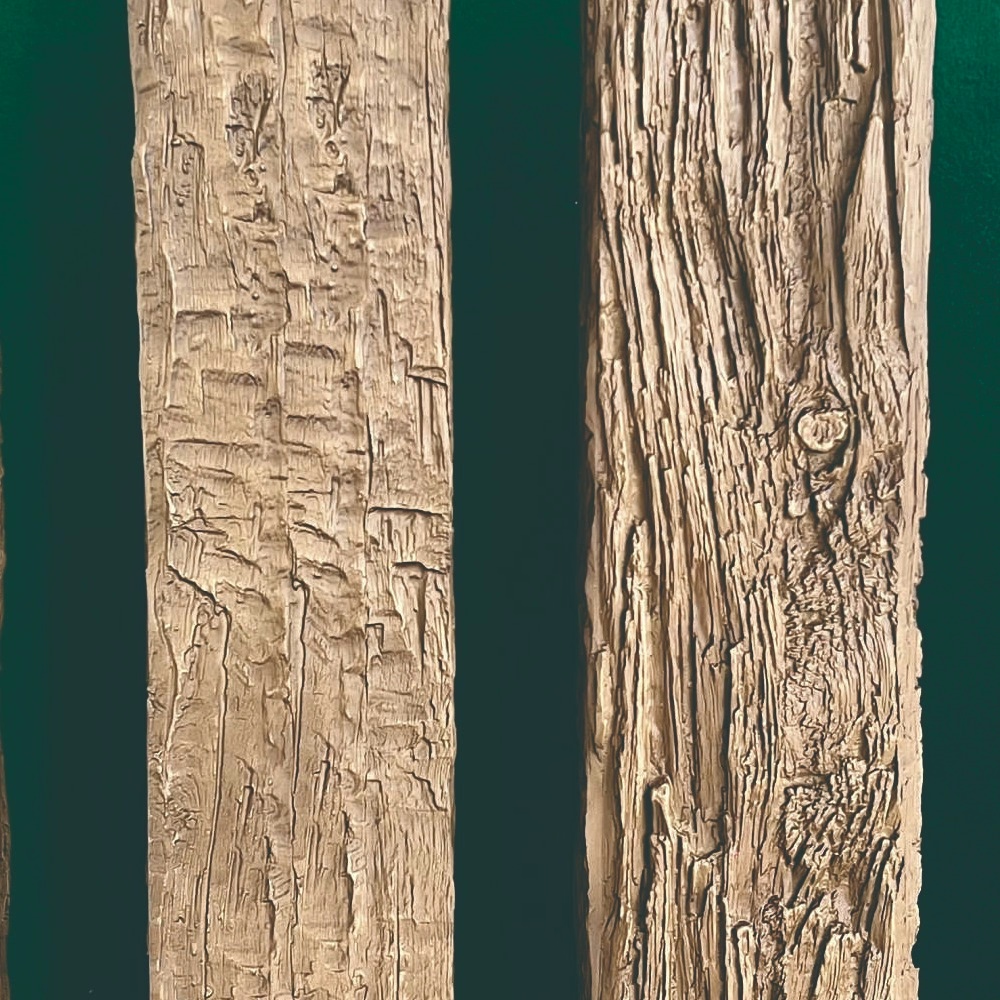
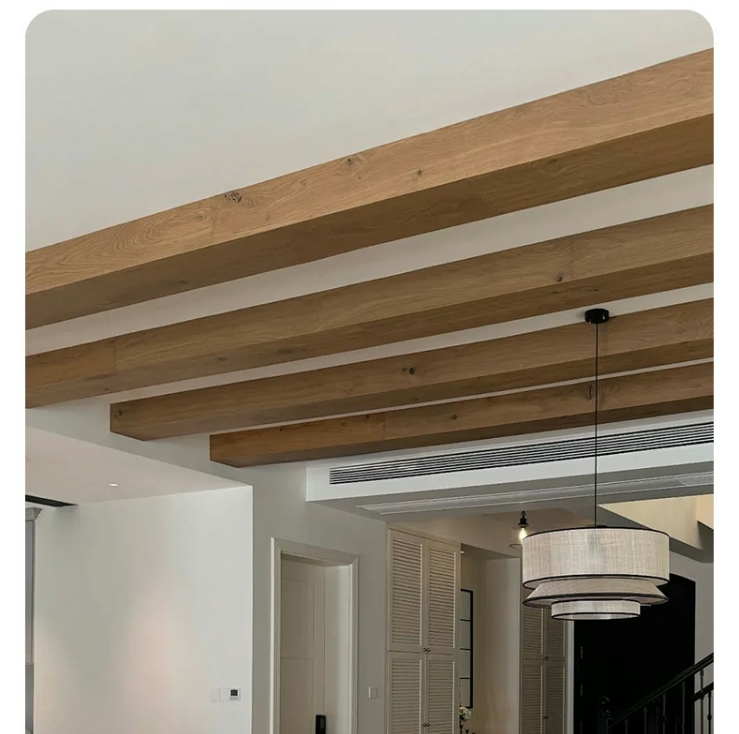
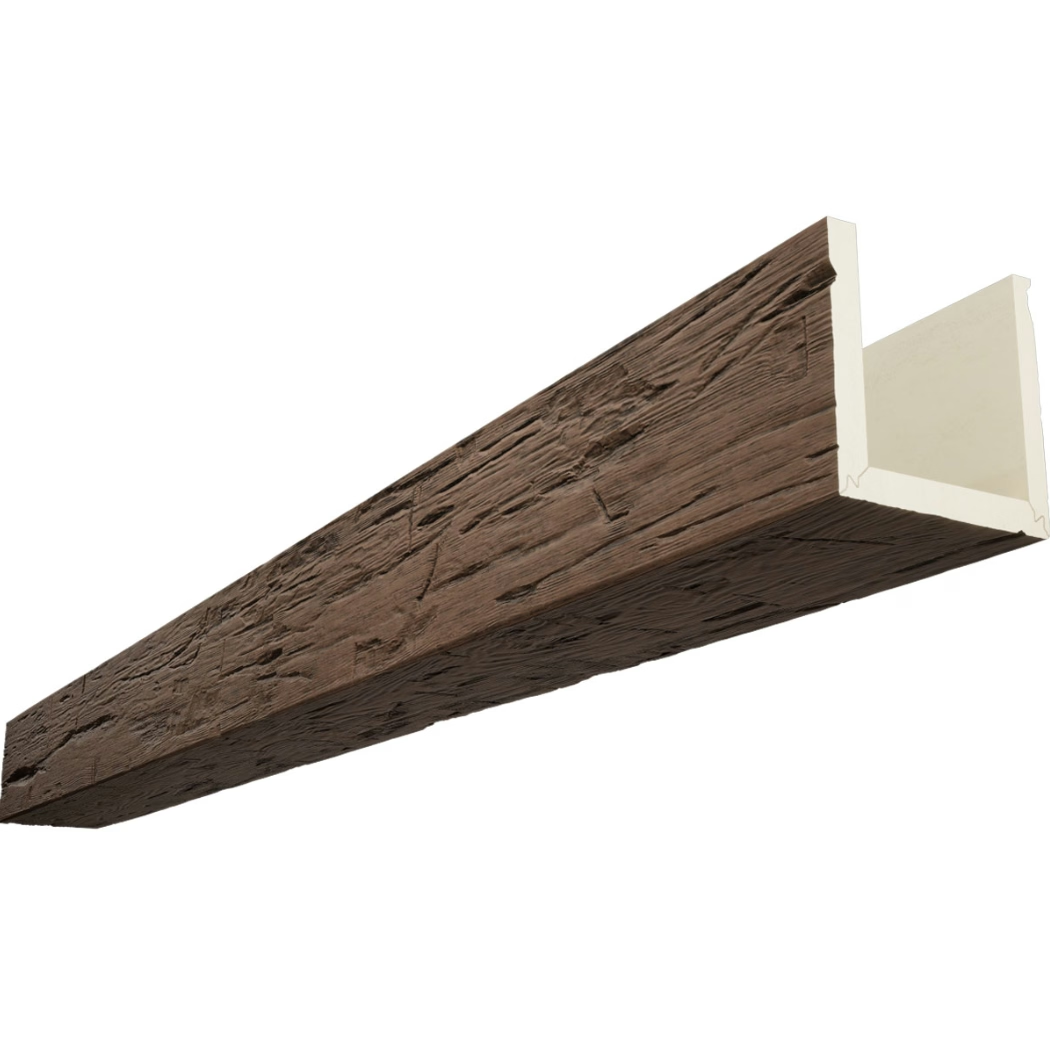
The construction and renovation of commercial buildings involves material selection decisions with significant long-term implications. Initial cost, maintenance requirements, durability, and aesthetic appeal all factor into specifications that must serve buildings for decades. Polyurethane faux beams have established themselves as preferred choices for wood aesthetics in commercial contexts where genuine timber proves impractical.
The shift toward faux timber in commercial applications reflects broader industry trends toward value-engineered solutions that don't compromise visual quality. Developers and building operators appreciate the ability to achieve premium aesthetics at moderate cost while eliminating the maintenance demands that detract from building operations.

Commercial Building Applications
Hospitality venues represent the largest commercial category for faux beam specification. Hotels, resorts, restaurants, and entertainment venues seek the warm, inviting atmosphere that timber creates, particularly in public spaces where first impressions matter enormously. The durability of polyurethane accommodates heavy traffic while maintaining appearance through millions of annual visitors.
Corporate offices have embraced timber aesthetics as part of biophilic design initiatives that improve worker wellbeing and productivity. Faux beams in executive areas, conference rooms, and collaborative spaces create visual warmth that softens corporate sterility. The low-maintenance characteristic aligns with facilities management priorities for minimal upkeep.
Healthcare facilities utilize faux timber selectively in patient-facing areas where warm aesthetics support healing environments. Psychiatric units, rehabilitation centers, and hospice settings benefit from the calming effect of wood tones. The cleanable surface and resistance to biological growth suit healthcare hygiene requirements.
Specification Considerations for Commercial Projects
Fire ratings constitute the primary specification concern for commercial applications. Building codes typically require Class A fire ratings for interior finishes in commercial occupancies. Quality polyurethane manufacturers offer fire-retardant formulations meeting these requirements while maintaining realistic wood appearance. Verify that specified products carry appropriate third-party testing certification.
Durability ratings address impact resistance and surface hardness for high-traffic applications. Commercial specifications often require documentation of hardness testing, impact resistance, and abrasion resistance. Products designed for residential use may prove inadequate for demanding commercial environments.
Warranty requirements for commercial projects typically exceed residential expectations. Building owners and managers prefer products backed by extended warranties reflecting manufacturer confidence. Five-year minimum warranties should be specified; premium products often carry ten-year or longer coverage.


Project Scale and Procurement
Large-scale commercial projects benefit from early procurement engagement with faux beam manufacturers. Volume requirements enable custom specifications that smaller projects cannot justify economically. Lead times for custom colors, dimensions, or profiles decrease when factories can schedule dedicated production runs.
Specification development for commercial projects should involve manufacturer's technical representatives. These professionals provide valuable guidance on appropriate products, installation methods, and code compliance. Their input often identifies opportunities that specification writers might overlook.
Competitive bidding processes require clear specifications to ensure comparability between alternatives. Ambiguous specifications invite substitution of inferior products that meet minimum requirements without achieving intended quality. Detailed material specifications, performance requirements, and testing standards prevent this common problem.
Installation Efficiency for Commercial Schedules
Commercial construction schedules rarely accommodate extended installation processes. Faux beam installation efficiency compared to authentic timber provides meaningful schedule relief. Lightweight beams require less labor for handling and positioning; simple fastening methods reduce installation time.
Prefinished products eliminate on-site finishing entirely, removing this schedule variable from critical paths. Factory finishing ensures consistent quality while eliminating weather delays and finish cure time requirements. Coordinate delivery timing to avoid site storage issues.
Professional installation crews experienced with commercial faux beam projects complete installations efficiently while maintaining quality standards. The learning curve for unfamiliar installers can impact schedules significantly. Prioritize experienced contractors for time-sensitive projects.
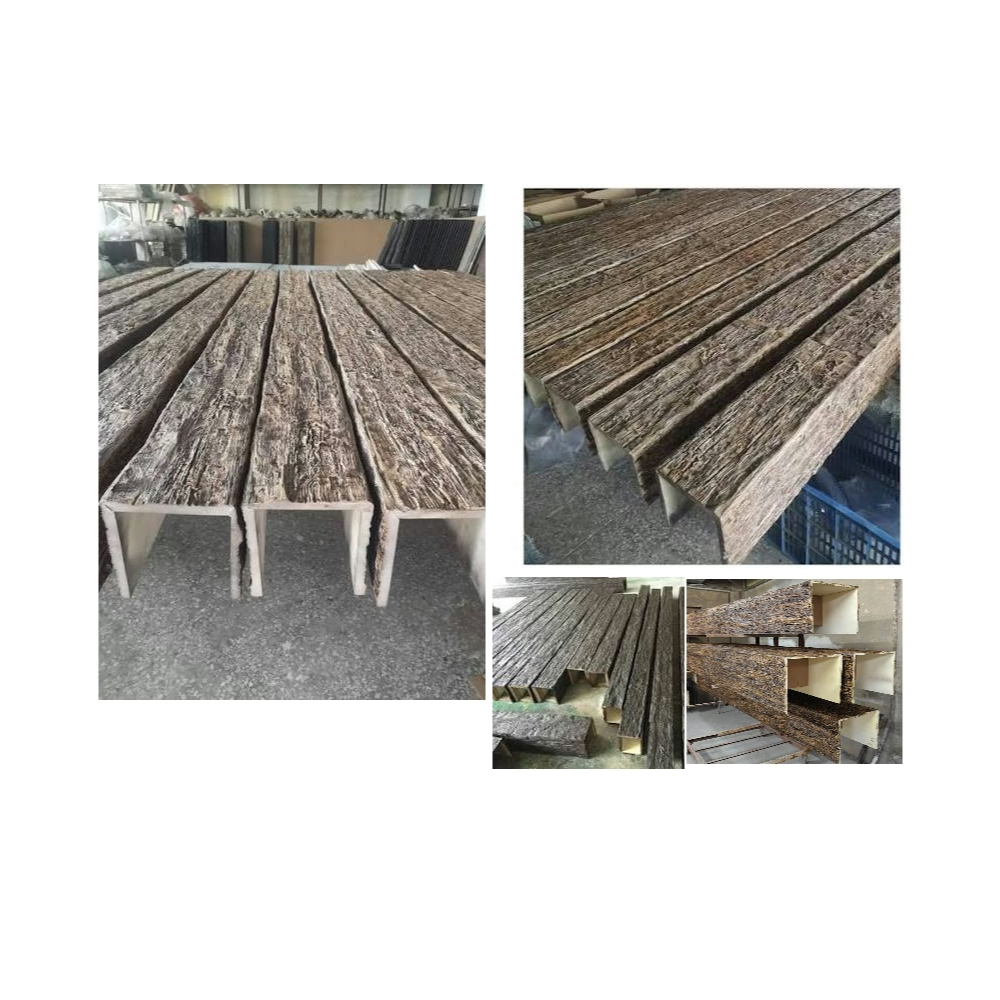
Long-Term Performance Monitoring
Commercial building operators should establish inspection and maintenance protocols for faux beam installations. Annual inspections verify attachment integrity, surface condition, and joint stability. Documentation supports warranty claims if defects develop and demonstrates due diligence in property maintenance.
Cleaning schedules appropriate to the commercial environment maintain appearance between inspections. Hospitality venues may require weekly cleaning due to high traffic and visibility; office buildings might manage with monthly cleaning. Adjust frequency based on actual soiling rates.
Performance data from completed projects informs future specification decisions. Track maintenance costs, replacement frequency, and occupant satisfaction to evaluate whether specified products meet expectations. Share this data with design professionals involved in subsequent projects.
Return on Investment Analysis
Commercial real estate analysis considers both initial cost and lifecycle expense when evaluating material specifications. Faux beams typically demonstrate favorable lifecycle cost compared to genuine timber when maintenance, replacement, and associated disruption expenses factor into the calculation.
Tenant attraction and retention data supports premium finishes including faux timber. Properties offering attractive interiors command higher rents and experience lower vacancy rates. The investment in quality finishes pays through improved lease-up performance and tenant stability.
Operating expenses for maintenance-intensive authentic timber can exceed initial cost savings within the first few years. Faux timber eliminates these ongoing expenses, improving net operating income throughout the holding period. This financial advantage makes faux timber increasingly attractive to professional property managers.
Technical References
ASTM standards cited in every specification
Test Data
Lab results from internal testing program
Updated 2026
Reviewed against current product specs