The aesthetic appeal of reclaimed timber extends beyond simple nostalgia. Weathered surfaces, nail holes, saw marks, and color variation create visual interest that new wood cannot match. These characteristics develop over decades of service—time that modern construction schedules cannot accommodate. Faux beam manufacturers have developed products specifically addressing this aesthetic demand, capturing reclaimed wood's character through careful design and manufacturing.
Understanding what makes reclaimed timber visually distinctive helps explain how manufacturers approach rustic faux beam production. The goal is not merely to suggest age but to create convincing evidence of genuine history—saw blade marks that reveal original processing, weathering patterns that reflect sun and rain exposure, and the subtle discoloration that accompanies years of use.

Characteristics of Reclaimed Timber Aesthetics
Natural weathering creates color gradients that synthetic processes struggle to replicate convincingly. UV exposure breaks down surface lignin, creating the silver-gray patina associated with aged exterior timber. Rain introduces differential weathering that creates streaks and patches rather than uniform color change.
Mechanical wear contributes additional character. Areas contacted repeatedly—edges, corners, surfaces near passageways—develop subtle smoothing that contrasts with protected areas. This wear pattern creates visual evidence of human activity that adds authenticity beyond surface coloring alone.
Nail holes, bolt holes, and other penetrations document previous uses and attachments. In genuine reclaimed timber, these features may result from original construction, subsequent modifications, or service attachments. Faux beams incorporate these details intentionally, typically in arrangements suggesting plausible original uses.
Manufacturing Approaches to Rustic Character
Advanced manufacturing techniques enable convincing reproduction of weathered characteristics. Multi-stage painting processes layer colors that create depth and variation impossible with single-coat application. Base colors provide foundational tone while surface treatments add highlights and shadows that suggest years of exposure.
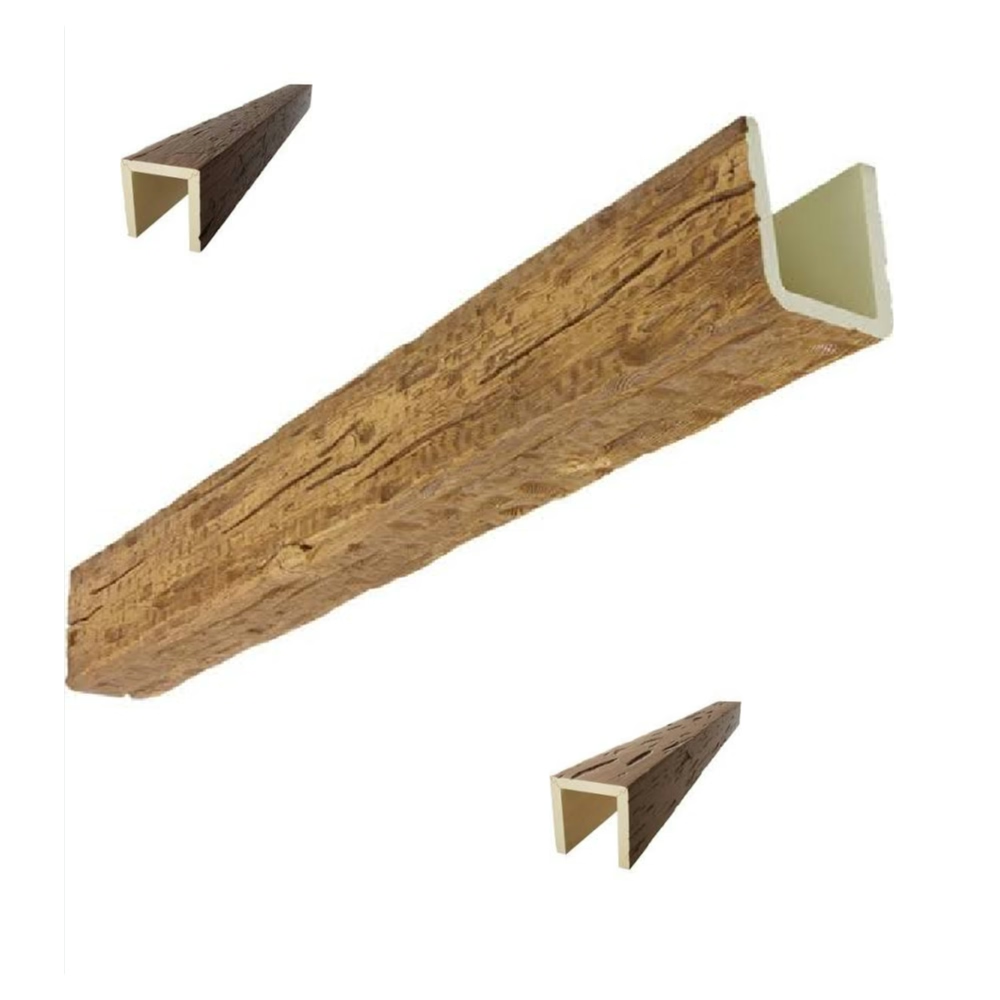
Surface texturing addresses the tactile dimension of rustic appearance. Hand-tooled effects create marks resembling those produced by original processing—circular saw blade patterns, adze marks, or hand-planed surfaces. These textures catch light differently across their surfaces, enhancing the perception of depth and authenticity.
Dimensional characteristics also contribute to rustic authenticity. Authentic reclaimed timber often exhibits checking (small cracks), warping, and other imperfections from years of seasonal movement. Faux beams incorporate these characteristics intentionally, creating the irregular surfaces that distinguish genuine rustic material.
Style Applications Across Interiors
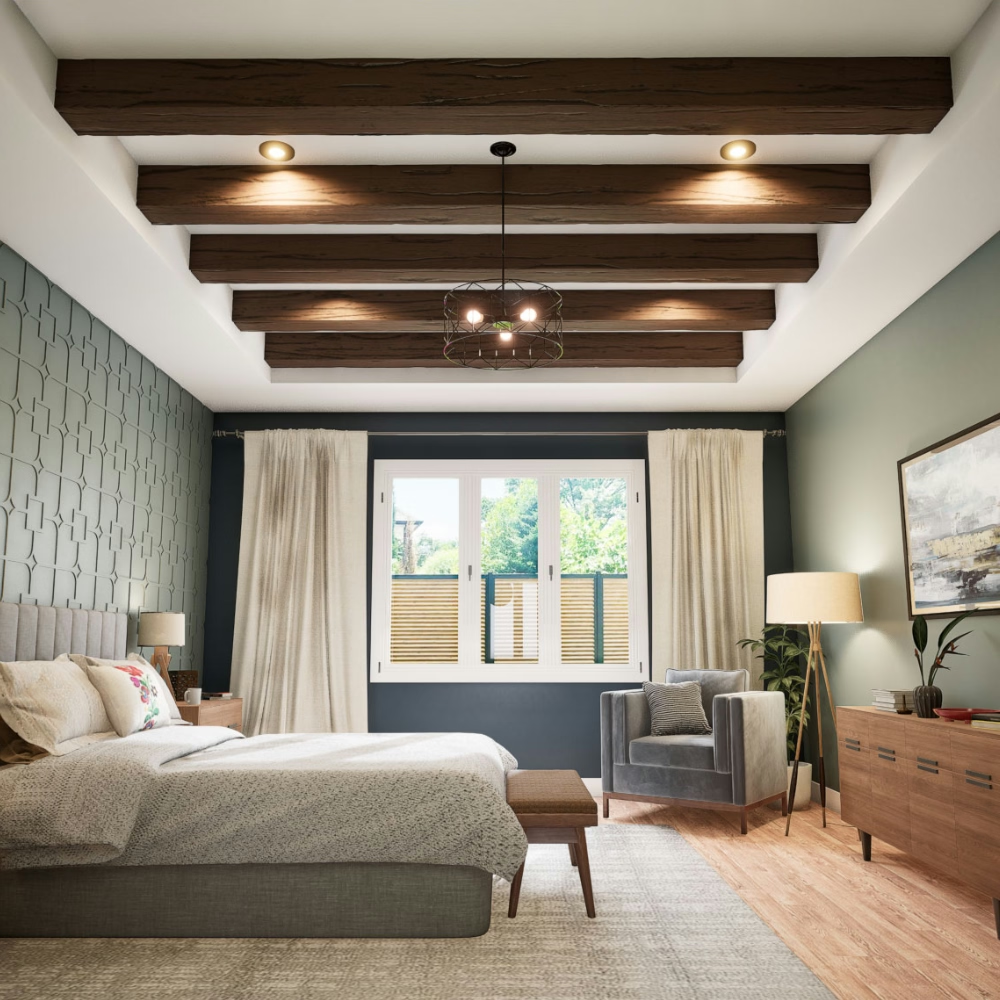
Farmhouse and country interiors embrace reclaimed timber aesthetics most directly. The rustic warmth complements painted shiplap, board-and-batten paneling, and other country details. Large-scale beam installations define spaces while providing the visual anchor that ties country décor elements together.
Industrial loft conversions pair reclaimed timber aesthetics with exposed brick, steel, and concrete. The warmth of timber balances the cooler industrial materials, creating environments that feel inviting rather than stark. Faux beams provide the aesthetic benefit without the structural implications of heavy timber in converted spaces.
Mountain and lodge aesthetics depend heavily on rustic timber character. The connection between weathered timber and natural surroundings feels appropriate for retreat properties where roughness suggests authenticity and connection to the landscape. Faux beams enable this aesthetic regardless of structural limitations.

Color and Finish Selection
Natural weathered tones span from warm honey through silver-gray to dramatic charcoal. The specific palette appropriate for a project depends on surrounding materials and overall color schemes. Warm weathered tones complement red brick and earth tones; cool silver-gray suits blue and gray palettes.
Finish durability varies significantly across rustic products. Some treatments create stable surfaces that resist soiling and maintain appearance; others may be more vulnerable to marking and wear. Understanding finish characteristics helps select products appropriate to application and expected use levels.
Custom finishing enables exact matching to existing reclaimed timber or specific color requirements. While adding cost and lead time, custom development ensures unique results that stand apart from standard product offerings. This approach suits high-profile installations where distinction matters.
Integration with Other Design Elements
Coordinate rustic beams with other wood elements in the space. While exact matching may not be appropriate—variation suggests authenticity—too much contrast appears discordant. Establish a cohesive color and texture range that encompasses all wood elements.
Hardware and metal accents should complement rather than compete with beam character. Black iron, aged brass, and weathered copper all pair effectively with rustic timber. The metal palette should feel consistent with the beam's suggested history and origin.
Upholstery and textile selections should echo the casual character of rustic beams. Avoid overly formal or delicate fabrics that would feel out of place against rough timber surfaces. Natural fibers, simple patterns, and relaxed tailoring suit the aesthetic.
Maintenance Considerations
Rustic finishes often show soiling less readily than smooth surfaces—dirt accumulates in texture rather than appearing as obvious smudges. This characteristic reduces cleaning frequency while maintaining authentic appearance through normal care.
Spot treatment of damaged areas may be necessary if finish durability proves insufficient for the application. Keep finish materials available for repair rather than seeking exact matches later. Establish maintenance protocols before problems develop.
Long-term aging of rustic faux beams differs from authentic timber. Natural wood continues changing over time; polyurethane maintains its initial appearance indefinitely. This stability may be desirable or may conflict with authentic aging expectations depending on project goals.
Investment Value
Rustic faux beams cost substantially less than authentic reclaimed timber of comparable visual quality. The savings enable broader application than would be possible with genuine reclaimed material, expanding design possibilities within budget constraints.
The availability challenge affecting reclaimed timber does not impact faux alternatives. Specific dimensions, lengths, and quantities remain available without the uncertainty of salvage sourcing. Project schedules no longer depend on material recovery timing.
Environmental benefits accrue from faux production even for rustic aesthetics. The appearance of age and use does not require actual decades of service or the resource consumption of original timber harvesting. Design goals achieve without environmental compromise.
Technical References
ASTM standards cited in every specification
Test Data
Lab results from internal testing program
Updated 2026
Reviewed against current product specs


