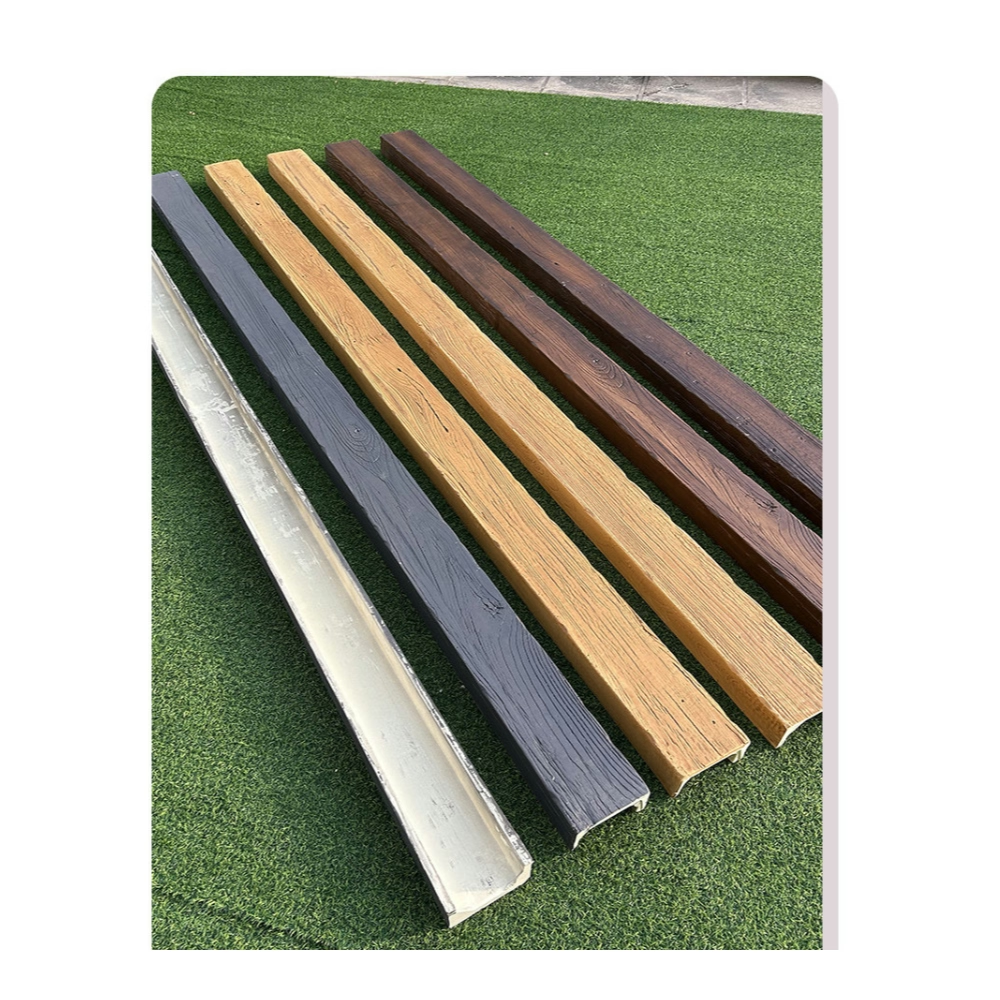
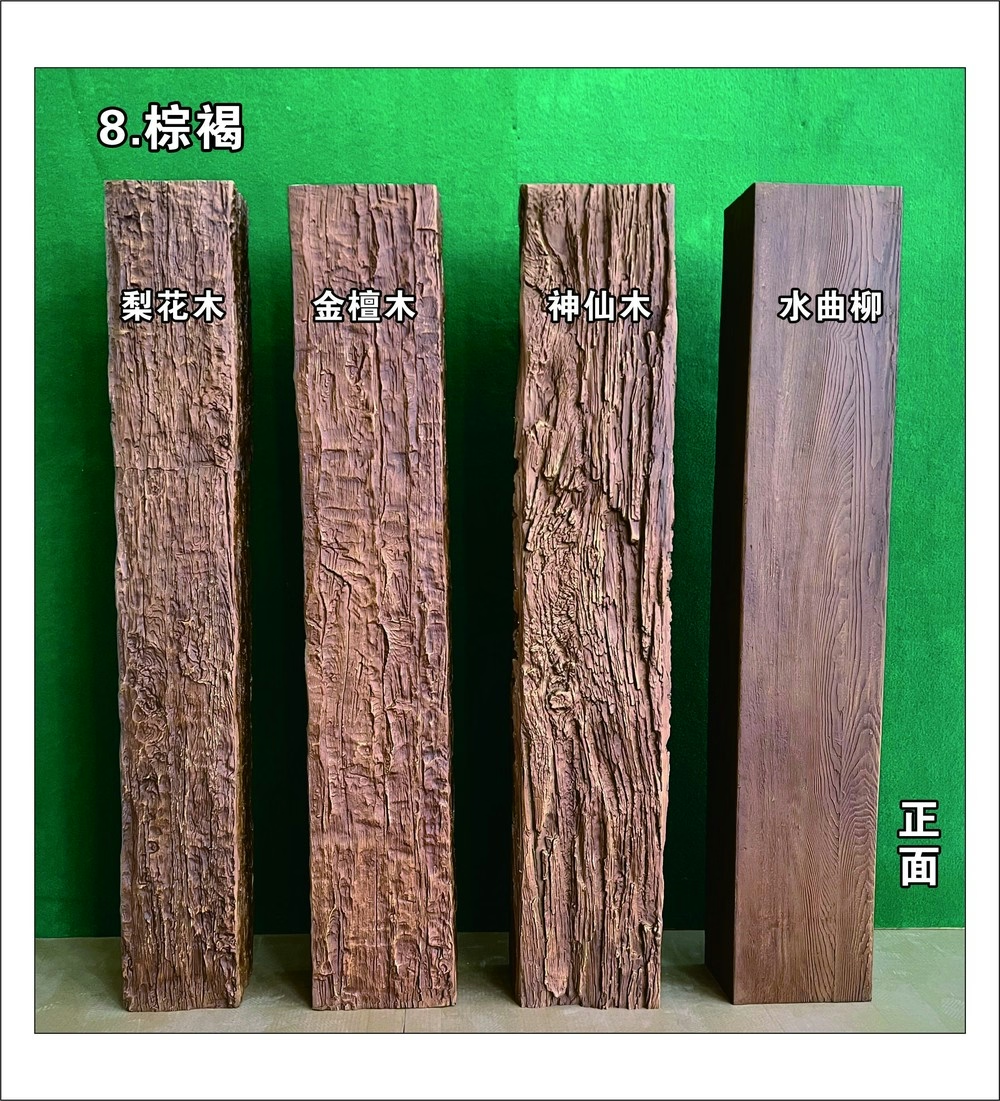
Fastener selection influences both immediate installation success and long-term performance of polyurethane beam installations. The right nails secure beams firmly while remaining invisible or easily concealed within finished surfaces. The wrong fasteners may split material, fail prematurely, or create appearance problems that undermine the installation's professional quality.
Several factors affect fastener performance in polyurethane applications. The material's density and composition differ from wood, requiring consideration of how nails engage and hold. Finish requirements may dictate specific fastener types or placement patterns. Environmental exposure affects long-term fastener performance in exterior applications.

Nail Type Comparison
Finish nails feature small heads designed to sit flush with or below wood surfaces, creating clean finished appearance. The head design also reduces splitting risk compared to common nails with larger heads. Polyurethane's homogeneous composition responds well to finish nail fastening when proper techniques apply.
Brad nails offer even smaller heads than finish nails, creating nearly invisible attachment points. These fasteners suit applications where appearance is paramount and structural demands are modest. The smaller diameter reduces the risk of visible holes but may provide less holding power for heavier beams.
Stainless steel nails provide corrosion resistance essential for exterior applications or humid interior environments. Standard steel nails may corrode over time, creating rust stains that telegraph through light-colored finishes. Specify stainless steel whenever appearance maintenance is important.
Sizing Recommendations
Nail length should penetrate sufficiently into the mounting substrate to develop adequate holding power. General guidance suggests nails penetrate at least one inch into solid backing. For typical beam installation, this translates to nails extending through the beam and at least one inch into ceiling joists or structural framing.
Nail diameter should relate to beam size and anticipated loads. Heavier, longer beams require heavier fasteners to resist withdrawal forces. The relationship between nail diameter and holding power is roughly proportional, but excessive diameter increases splitting risk in the beam material.
Gauge (wire thickness) affects both fastener strength and visibility. Larger gauge numbers indicate thinner nails—18 gauge is thinner than 15 gauge. For most beam installations, 15 or 16 gauge nails provide appropriate strength-to-visibility balance. Very thick beams may require 15 gauge for sufficient holding power.
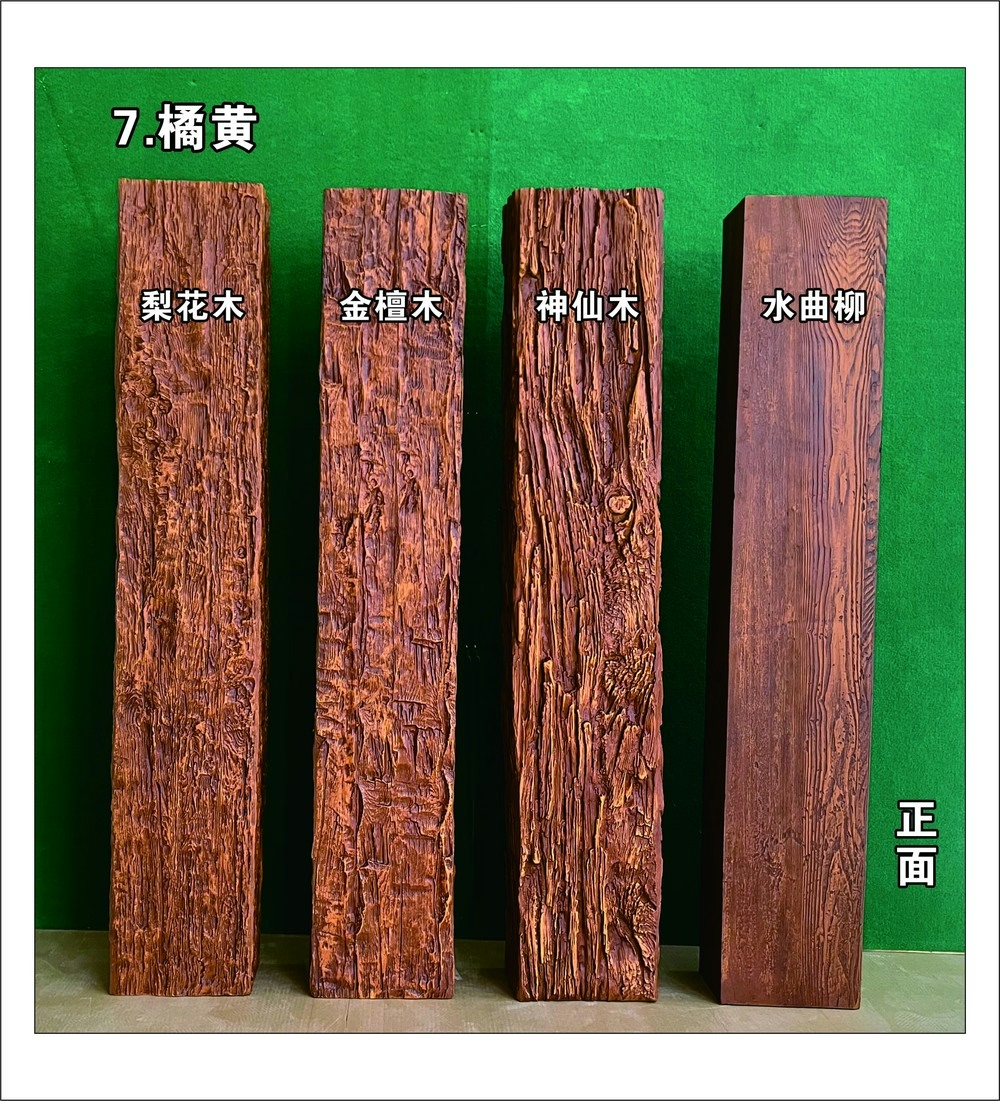
Installation Techniques
Pre-drilling pilot holes eliminates splitting risk when fastening near beam edges or ends. The pilot hole diameter should approximate the nail shank (minus thread for threaded nails). This preparation adds time but prevents damage that might require beam replacement.
Nail spacing should follow manufacturer guidelines adjusted for actual conditions. Generally, fasteners at 12 to 16 inch intervals provide adequate support for typical residential installations. Heavier loads or longer spans may require closer spacing.
Angle fastening (toe-nailing) secures beams where direct overhead access is impossible. This technique drives nails at approximately 45-degree angles through the beam into the substrate. The angled entry develops substantial holding power despite limited access.

Concealment Methods
Counter-sinking creates recessed holes that accept wood filler for invisible fastening. Use a nail set to drive nails below the surface, then fill holes with color-matched wood filler. This technique produces the most professional appearance but requires finishing after filling.
Face-nailing drives nails through visible beam faces when concealment is impractical. Select nails that match beam finish or are small enough to appear intentional. Some design styles incorporate visible fasteners as authentic details.
Adhesive supplementation provides primary or secondary attachment that reduces visible fastener requirements. Construction adhesive applied between beam and substrate distributes loads while mechanical fasteners provide security against uplift. The combination typically produces superior results to either method alone.
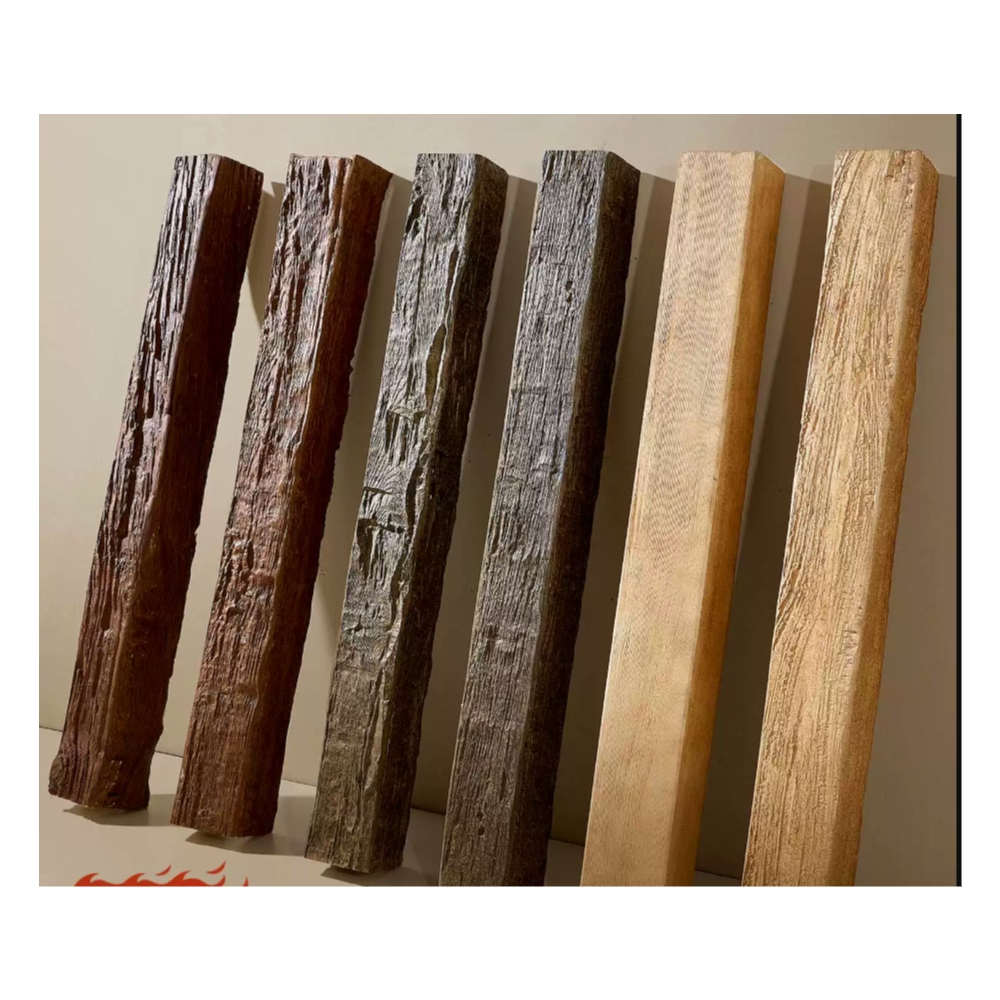
Exterior Application Considerations
Coastal environments introduce salt exposure that accelerates standard steel corrosion. Marine-grade stainless steel or hot-dipped galvanized fasteners resist this aggressive corrosion. Verify fastener rating matches exposure conditions before installation.
Thermal expansion affects exterior installations more than interior ones. Nails must accommodate movement without splitting or withdrawing. Flexible adhesive supplementation becomes more important for exterior applications, providing accommodation for differential movement.
Structural engineering requirements for exterior installations may specify fastener types and spacing. Building codes often require specific connections for beams serving structural functions. Verify requirements with local authorities before installation.
Quality Verification
Test fastening on scrap material before committing to full installation. Verify that selected nails drive without splitting and develop adequate holding power. Adjust nail size, spacing, or technique based on test results.
Document fastener specifications for future reference. When repairs or modifications become necessary, having accurate records prevents mismatched fastener selection. Include nail type, gauge, length, and material in project documentation.
Professional inspection validates installation quality for commercial projects. Building inspectors may verify fastener specifications and spacing as part of overall compliance verification. Having documentation ready simplifies this process.
Technical References
ASTM standards cited in every specification
Test Data
Lab results from internal testing program
Updated 2026
Reviewed against current product specs