Interior design trends often create false dichotomies—modern or traditional, minimal or ornate, sleek or warm. The modern rustic aesthetic rejects these either/or choices, instead seeking integration that captures contemporary livability with traditional comfort. This balanced approach has emerged as a dominant residential design direction, appealing to homeowners who appreciate clean aesthetics without sacrificing warmth.
Faux beams play a natural role in modern rustic interiors. The rustic reference provides warmth and character while polyurethane's consistent quality supports contemporary design principles. The combination enables spaces that feel curated rather than compromised.

Understanding Modern Rustic Design
Modern rustic interiors draw from vernacular building traditions without replicating them literally. The aesthetic references agricultural structures, mountain lodges, and country farmhouses while incorporating contemporary materials, finishes, and proportions. This layered reference creates spaces with depth and story rather than flat trendiness.
Natural materials anchor the modern rustic palette. Wood remains primary, but stone, leather, wool, and linen contribute texture and variety. Each material brings authentic character that synthetic alternatives cannot fully replace. Faux beams complement these genuine materials without competing for attention.
The color palette balances warmth with restraint. Earth tones—warm browns, soft taupes, dusty greens—provide the foundation. White and gray tones add breathing room and contemporary clarity. The resulting combination feels grounded yet light.
Beam Selection for Modern Rustic Contexts
Scale considerations differ for modern rustic applications compared to purely traditional installations. Contemporary proportions favor modestly scaled beams over the massive timbers typical of authentic rustic construction. Larger beams may overwhelm clean-lined contemporary spaces; smaller beams provide warmth without dominating.
Finish selection should lean toward refined rather than heavily distressed. Weathered barn wood aesthetics may feel too rough for modern rustic balance. More refined finishes—subtle grain, restrained color variation, minimal distressing—better serve the aesthetic goal of contemporary comfort.
Profile simplicity matches modern sensibilities. Clean-edged rectangular beams suit contemporary interiors more naturally than ornate carved profiles. The simplicity also contributes to authentic simulation—quality faux beams with simple profiles look genuinely crafted rather than overly styled.
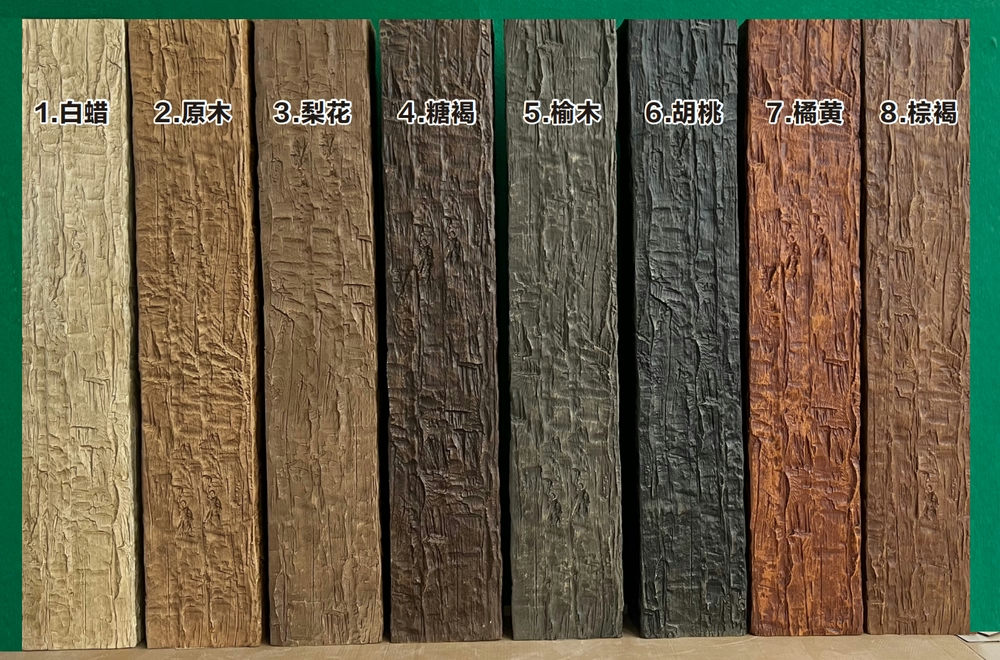
Integration with Contemporary Elements
Open floor plans benefit from beam installation that defines space without enclosing it. Beams across ceiling spans create visual zones within open areas, establishing dining, living, and gathering areas through architectural means. This zoning feels natural rather than imposed.
Kitchen integration increasingly appears in modern rustic homes. Islands with beam headers, mantels over ranges, and ceiling treatments above dining areas all provide beam installation opportunities. The rustic warmth balances sleek appliance finishes and minimal cabinetry.
Bathroom applications may surprise those assuming beams belong only in living spaces. Vaulted bathroom ceilings accommodate beams that create spa-like atmosphere. The rustic character complements natural stone, vessel sinks, and freestanding tubs that modern rustic bathrooms often feature.
Furniture and Decor Coordination
Upholstered furniture in natural fabrics—linen, cotton, leather—complements rustic beam aesthetics without competing. The key is avoiding overly formal or delicate pieces that would feel out of place. Relaxed tailoring and simple lines suit the casual elegance of modern rustic design.
Wood furniture echoes beam character while maintaining contemporary styling. Clean-lined tables and chairs in light or medium wood tones coordinate naturally. Mix different wood tones intentionally—the variety suggests accumulated furnishing rather than matching sets.
Accessories should feel collected rather than purchased as complete sets. Ceramic, basketware, and metal objects add interest without formality. Books and textiles introduce color and texture. The accumulated feeling suggests a home developed over time rather than furnished all at once.
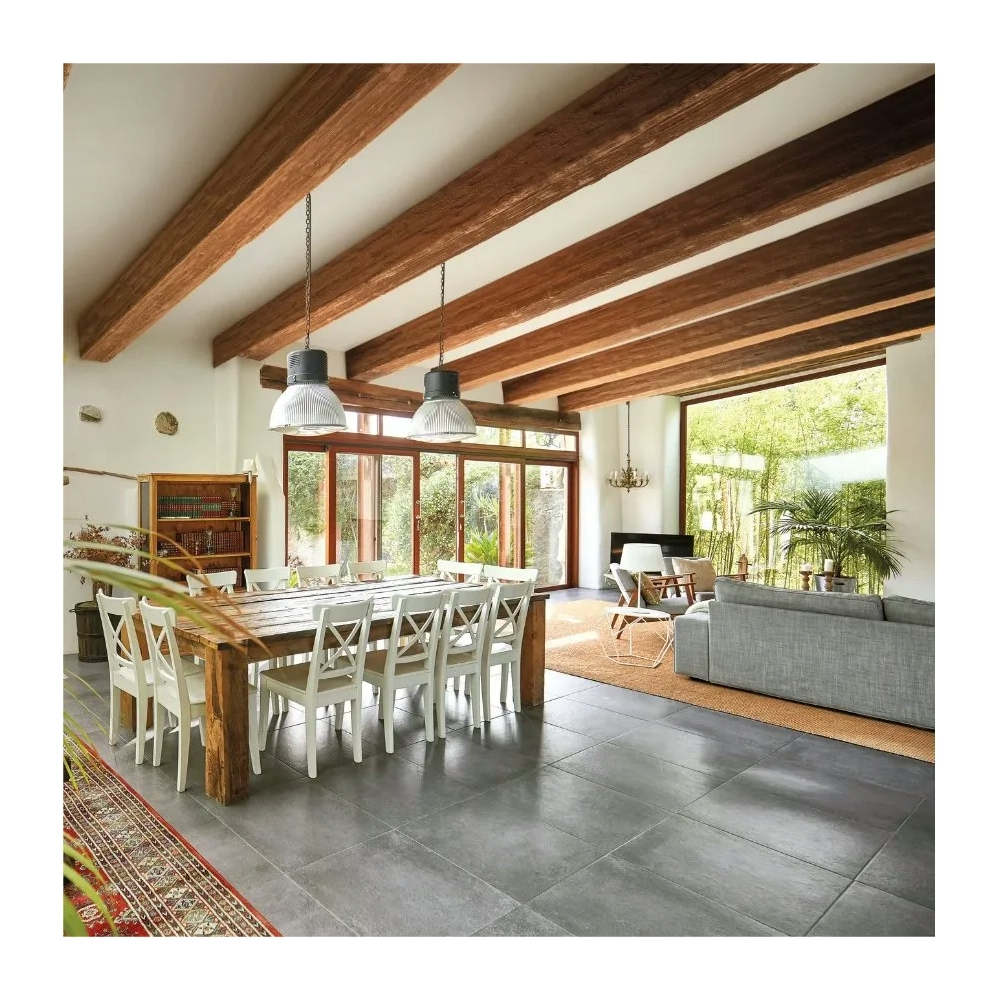
Lighting Integration
Contemporary light fixtures may seem to conflict with rustic beams, but considered selection creates harmony. Industrial-inspired pendants with metal finishes coordinate naturally with wood tones. The combination references industrial farmhouse aesthetics while maintaining contemporary clarity.
Linear lighting within beam hollows creates subtle effects that feel more modern than traditional. The clean light distribution complements contemporary interiors better than ornate chandeliers or country-style fixtures.
Dimmer controls extend versatility significantly. The ability to adjust beam lighting intensity enables different atmospheres for different occasions—bright for tasks, subdued for relaxation. This flexibility suits contemporary living more naturally than fixed lighting schemes.
Material Palette Development
The material palette for modern rustic interiors should be deliberate. Begin with wood tones from beams, then select complementary wood for flooring and larger furniture pieces. Stone or tile adds another layer. Metal accents provide finishing touches.
Layering materials creates depth without complexity. The beam is primary, flooring secondary, furniture tertiary. Each layer should relate to others without matching exactly. The variation creates visual interest that matching materials cannot achieve.
Proportion relationships matter as much as material selection. Large-scale beams require appropriately scaled furniture and accessories. Modest beams permit more delicate furnishings. The overall composition should feel balanced rather than dominated by any single element.
Long-Term Design Sustainability
Modern rustic design has proven durability as a trend direction. The aesthetic draws from timeless principles rather than passing fashion, suggesting continued relevance as design currents shift. Investing in quality beams serving this aesthetic protects initial design investment.
The flexibility of modern rustic interiors accommodates life changes without requiring complete renovation. The balanced aesthetic accepts new furniture, changing colors, and evolving accessories without appearing dated. This adaptability extends the useful life of beam installations.
Quality faux beams maintain appearance indefinitely with minimal care. Unlike genuine timber requiring periodic refinishing, polyurethane retains its finish through years of use. This durability protects the aesthetic investment while reducing ongoing maintenance requirements.
Technical References
ASTM standards cited in every specification
Test Data
Lab results from internal testing program
Updated 2026
Reviewed against current product specs


