
The intersection of rustic warmth and refined elegance represents one of the most sought-after aesthetics in contemporary interior design. Homeowners and design professionals increasingly gravitate toward spaces that feel both grounded and sophisticated, striking a delicate balance between approachable comfort and polished presentation. Polyurethane faux wood beams have emerged as an ideal solution for achieving this balance, offering the visual richness of authentic timber without the practical limitations that often accompany natural materials.
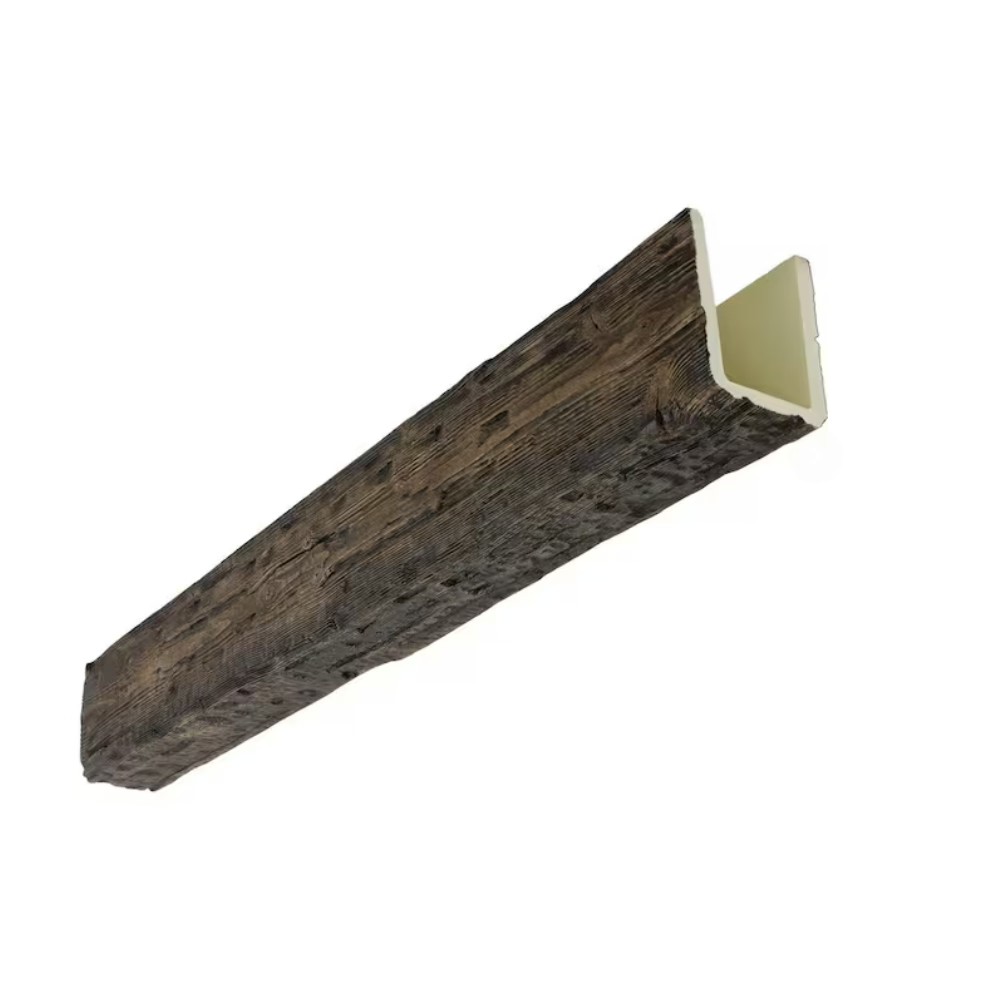
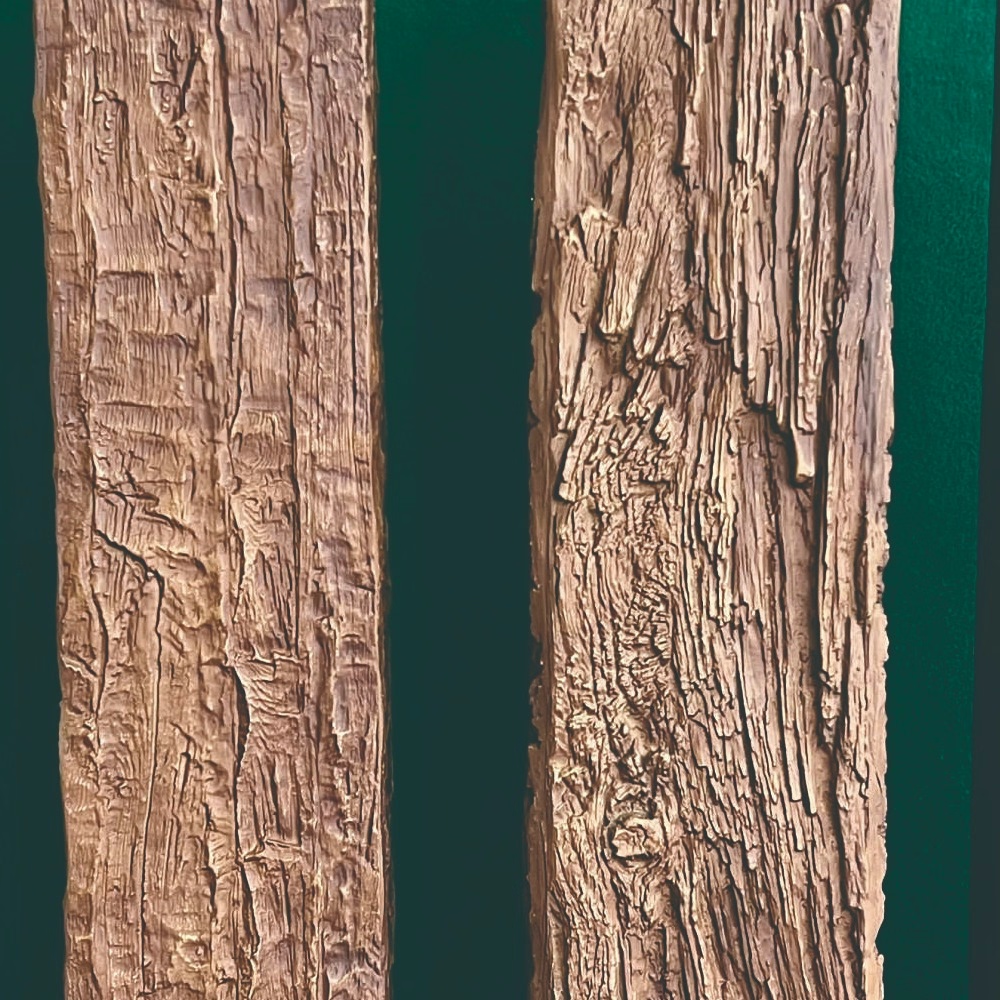
When considering ceiling treatments for modern classic interiors, polyurethane beams present advantages that extend far beyond their visual appeal. These engineered architectural elements replicate the intricate grain patterns and organic textures found in reclaimed oak, weathered barn wood, and classic timber species with remarkable fidelity. The manufacturing process allows for consistent quality across large projects while maintaining the character that makes wood such a compelling design material.
Understanding the Modern Classic Aesthetic
Modern classic interiors draw from multiple design traditions, combining clean contemporary lines with elements of classical architecture. This hybrid style values proportion, symmetry, and thoughtful material selection. Ceiling beams serve as horizontal design anchors that ground a space while adding visual interest without overwhelming other design elements.
The key to successful implementation lies in understanding how these beams interact with the overall spatial composition. In a modern classic living room, exposed ceiling beams might run perpendicular to large windows, creating rhythm and drawing the eye across the space. Alternatively, they can frame a central ceiling medallion or chandelier, establishing hierarchy and focal points that guide the room's functional arrangement.
Color and finish selection significantly impact how polyurethane beams integrate with surrounding surfaces. Light, honey-toned finishes complement coastal and transitional spaces, while darker, more saturated stains pair beautifully with formal dining rooms and traditional sitting areas. The ability to stain or paint polyurethane beams after installation provides flexibility that natural wood cannot match, allowing for perfect coordination with existing color schemes.

Technical Advantages for Residential Applications
Beyond their aesthetic versatility, polyurethane faux wood beams offer practical benefits that make them increasingly popular among homeowners and contractors alike. The lightweight nature of these products simplifies handling and installation, reducing labor costs and structural requirements that would apply to genuine timber of comparable size.
Professional installers appreciate the consistent quality and predictable performance characteristics of polyurethane beams. Unlike natural wood, which may contain hidden defects or respond unpredictably to environmental conditions, polyurethane maintains its dimensions and appearance regardless of humidity fluctuations or temperature variations. This stability proves particularly valuable in regions with extreme seasonal changes or in spaces like bathrooms and kitchens where moisture exposure would concern natural materials.
The hollow core construction common to many polyurethane beam designs creates opportunities for integrated functionality. Electrical wiring, HVAC ductwork, and home automation infrastructure can run through these structural elements without compromising ceiling integrity or requiring additional concealment strategies. This technical advantage translates to reduced construction complexity and improved finished appearance.
Design Integration Strategies
Successfully incorporating faux wood beams into modern classic interiors requires thoughtful attention to scale, proportion, and visual weight. Beams that are too thin may appear inconsequential, while oversized elements can overwhelm a space and disrupt the carefully balanced proportions that define classic design.
A useful guideline suggests that visible beam depth should relate meaningfully to ceiling height, with taller ceilings accommodating deeper, more substantial beams. For standard eight-foot ceilings, beams measuring six to eight inches in depth typically provide appropriate visual presence without crowding the space. Higher ceilings allow for ten-inch or twelve-inch depths that create dramatic architectural statements.
The relationship between beam spacing and room dimensions also deserves consideration. Beams placed too far apart can make a ceiling feel sparse and unfinished, while overly close spacing may create visual confusion and reduce the impact of each individual element. Careful spacing calculations during the design phase prevent costly revisions during installation and ensure optimal visual results.
Integration with existing architectural features requires sensitivity to materials and finishes already present in the space. Matching wood tones across ceiling beams, built-in cabinetry, and hardwood flooring creates visual continuity that strengthens the overall design. Contrasting finishes can work equally well when the contrast is deliberate and purposeful, adding visual interest through intentional material juxtaposition.
Maintenance and Long-Term Performance
One of the most compelling advantages of polyurethane faux wood beams involves their minimal maintenance requirements compared to natural alternatives. Authentic timber beams require periodic inspection for pest damage, refinishing to address surface wear, and ongoing attention to moisture-related concerns. Polyurethane eliminates these ongoing obligations while providing decades of beautiful service.
Routine cleaning involves nothing more than periodic dusting or gentle wiping with a damp cloth. The non-porous surface resists staining and does not harbor allergens or dust mites, making these beams particularly suitable for households with allergy concerns. Unlike natural wood, polyurethane will not crack, split, or develop the surface checking that frequently affects aging timber.
The long-term cost implications favor polyurethane despite higher initial per-unit costs in many applications. When accounting for reduced installation labor, eliminated finishing requirements, and minimal ongoing maintenance, the total cost of ownership often falls below that of natural wood alternatives. For commercial applications or large residential projects, these savings become substantial.
Professional Sourcing Considerations
Selecting appropriate suppliers for polyurethane faux wood beams requires attention to quality variations that exist across manufacturers. Products vary significantly in terms of surface detail, structural integrity, and colorfastness. Requesting samples before committing to large orders allows evaluation of these characteristics in person rather than relying on catalog photographs or descriptions.
Lead time considerations matter for project planning, particularly when custom colors, unusual dimensions, or specialized profiles are required. Establishing relationships with responsive suppliers who understand trade and contractor requirements helps ensure material availability when needed. Quality manufacturers stand behind their products with meaningful warranties that protect the investment over extended periods.
For interior designers and architects working on projects across multiple locations, consistency of product quality becomes paramount. Reputable manufacturers maintain rigorous quality control processes that ensure each beam meets exacting standards, reducing the variability that can compromise finished installations. This consistency proves invaluable when specifying products for commercial projects or multi-home developments.
The combination of aesthetic flexibility, practical durability, and cost-effectiveness positions polyurethane faux wood beams as a sophisticated choice for modern classic interiors. Whether transforming a suburban living room or a boutique hotel lobby, these architectural elements deliver lasting value that homeowners and design professionals can trust.
Technical References
ASTM standards cited in every specification
Test Data
Lab results from internal testing program
Updated 2026
Reviewed against current product specs


