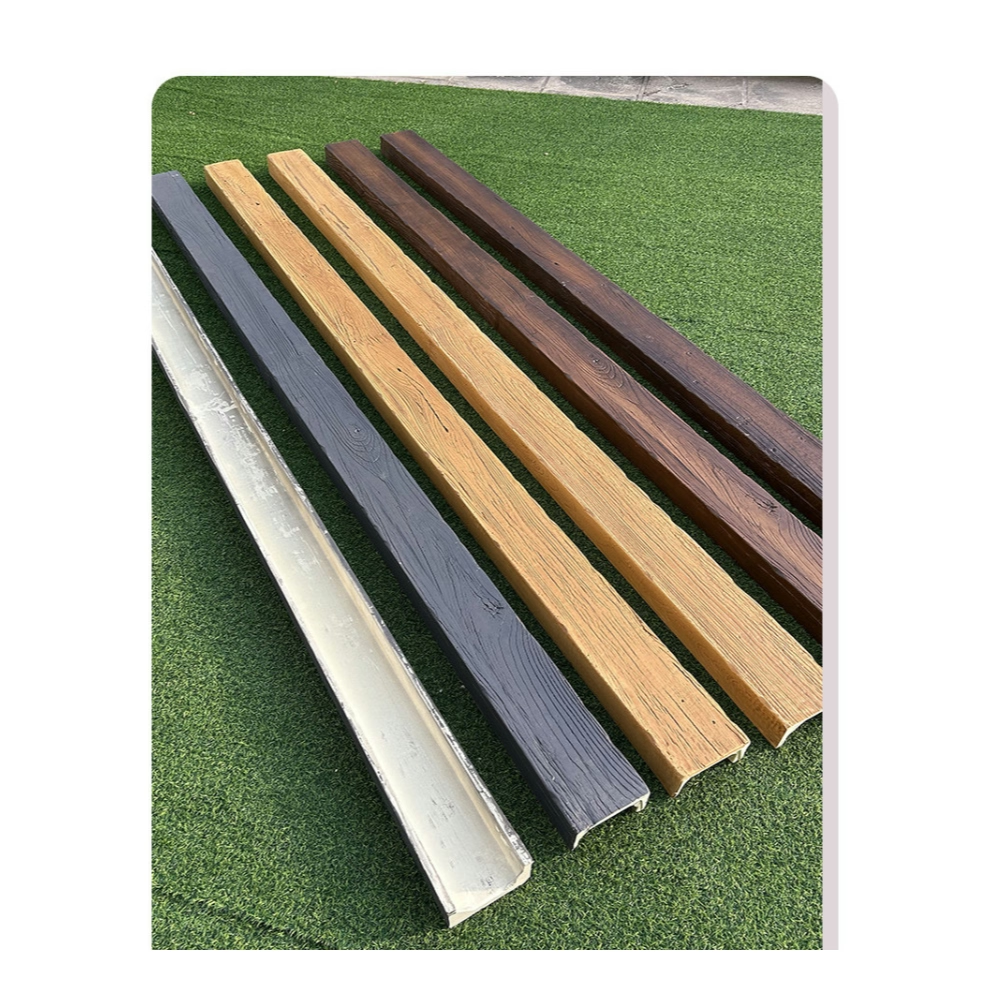
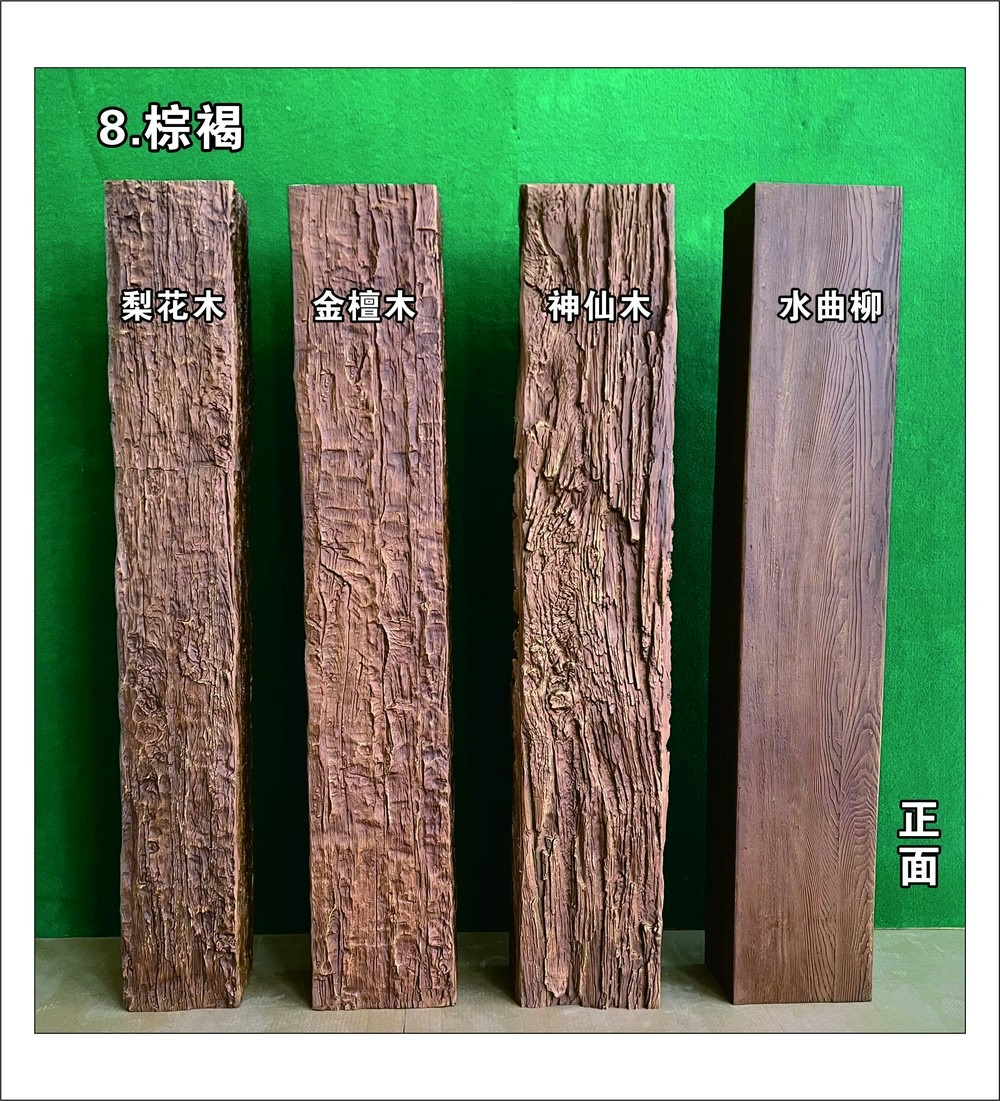
The visual impact of a chandelier suspended from a beautifully crafted faux wood beam represents one of interior design's most satisfying combinations. However, hollow polyurethane beams, despite their many advantages, present unique challenges when tasked with supporting heavy light fixtures. Understanding proper reinforcement techniques enables contractors and homeowners to achieve these dramatic installations safely and durably, eliminating concerns about structural integrity while preserving the authentic wood appearance that makes these beams so appealing.
Successful chandelier support requires addressing both the vertical load imposed by the fixture's weight and any dynamic forces generated through normal use and maintenance. Light fixtures experience vibration from building movement, door closures, and HVAC operation. Periodic cleaning and bulb replacement introduce temporary additional loads during servicing. A properly reinforced installation accommodates all these conditions without compromising appearance or safety.
Assessing Load Requirements
Before beginning any reinforcement project, accurate determination of the chandelier's weight and mounting requirements proves essential. Manufacturer specifications typically provide fixture weight as well as mounting hardware requirements and recommended support specifications. When original documentation is unavailable, careful measurement and weighing of the fixture enables appropriate reinforcement planning.
The mounting method specified by the chandelier manufacturer dictates the type of hardware needed for secure attachment. Some fixtures mount directly to a central junction box, while others use multiple mounting points distributed across a canopy or crossbar. Understanding these requirements allows for reinforcement planning that provides appropriate connection opportunities at the correct locations.
Structural engineers sometimes become involved in large or unusual chandelier installations, providing calculations that verify proposed reinforcement designs. For standard residential installations, following established best practices typically provides adequate support. Commercial applications or particularly heavy fixtures merit professional engineering consultation to ensure code compliance and occupant safety.
Internal Reinforcement Strategies
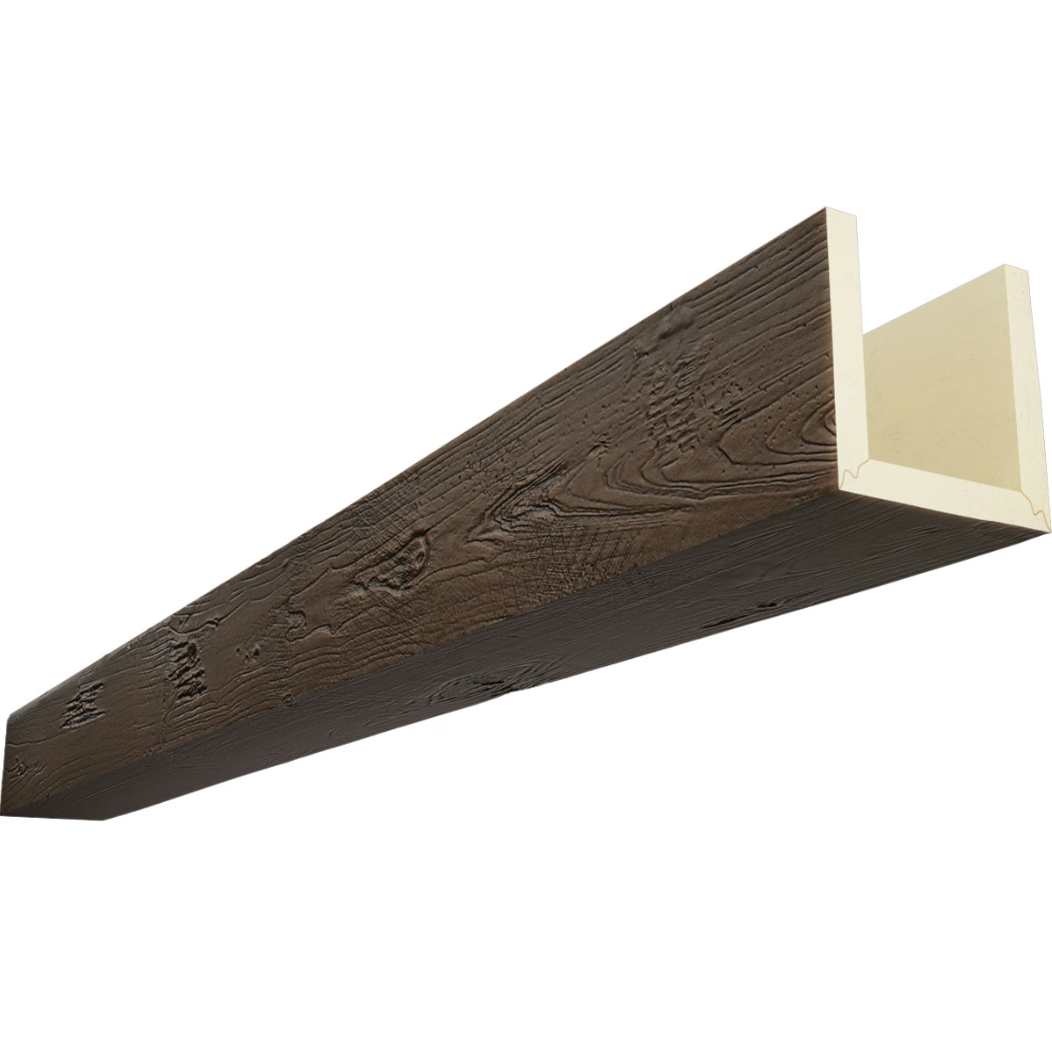
The most effective reinforcement approach for hollow faux beams involves installing structural support elements within the beam cavity. Steel angle iron, square tubing, or specialized beam reinforcement products provide the necessary load capacity while fitting within the available interior space. Selection depends on beam dimensions, chandelier weight, and aesthetic considerations regarding any hardware that might be visible during installation.
Steel square tubing offers excellent load-bearing characteristics in a compact form factor. Two-inch square tubing provides substantial support for most residential chandeliers while fitting within beams measuring six inches or larger in width. The tubing can be cut to precise lengths and positioned to align mounting hardware with the chandelier's attachment requirements. Priming and painting the steel before installation prevents corrosion and ensures long-term performance.
Installation involves measuring and cutting reinforcement members to fit within the hollow beam, then securing them to the beam interior using construction adhesive designed for polyurethane substrates. Self-tapping screws or specialized concrete anchors provide additional mechanical fastening where appropriate. The goal is creating a rigid internal framework that transfers chandelier loads to the building structure through the beam's mounting points.

Mounting Plate Solutions
Creating a secure mounting point for chandelier hardware often requires fabricating or installing a mounting plate that bridges the beam's interior space and provides threaded attachment points. These plates distribute loads across the reinforcement framework while offering the flat mounting surface that chandelier canopy hardware requires.
Steel mounting plates, typically measuring six to eight inches square, can be custom fabricated or sourced from hardware suppliers. The plate should align with any internal reinforcement, with fastening hardware passing through both elements to create a unified connection. Adequate plate thickness prevents bending under load; twelve-gauge steel provides sufficient rigidity for most residential chandelier applications.
Positioning the mounting plate requires careful planning to ensure the chandelier hangs at the intended height and location. Template techniques using cardboard or plywood enable verification of positioning before committing to final installation. Access holes or removable beam sections facilitate plate installation and hardware connection within the beam cavity.
External Support Options
Where internal reinforcement proves impractical, external support strategies offer viable alternatives. Surface-mounted support systems attach to the beam's exterior while providing secure mounting points for light fixtures. These solutions sacrifice some aesthetic purity but deliver reliable performance when properly implemented.
Decorative ironwork provides both structural support and visual interest. Wrought iron chandelier hangers designed for exposed applications mount directly to faux beams using lag screws or bolts that penetrate the beam shell and engage internal reinforcement. The combination of functional support and ornamental appearance creates a cohesive design element that complements rustic and farmhouse aesthetics.
Canopy mounting systems that span between adjacent beams distribute loads across multiple support points. This approach proves particularly effective for large chandeliers where concentrated loads at a single beam location would challenge even reinforced construction. The canopy itself becomes a design feature, available in finishes that coordinate with the beam appearance or contrast intentionally for visual interest.

Code Compliance and Inspection Considerations
Building codes address ceiling fixture support in residential and commercial construction, specifying minimum requirements that must be satisfied for safe occupancy. Understanding applicable codes ensures that reinforced installations meet legal requirements and pass inspection scrutiny. Requirements vary by jurisdiction, making local code research essential for projects in regulated areas.
Ceiling boxes and mounting hardware for heavy fixtures must be listed and rated for the intended application. The junction box itself must be properly supported independently of the beam structure in most jurisdictions, with the beam-mounted reinforcement providing additional support rather than serving as the primary structural connection. This redundancy ensures fixture safety even if attachment points fail.
Inspection requirements typically apply to new construction and major renovation projects rather than simple fixture replacement. When reinforcing existing beams for new chandelier installation, documenting the reinforcement work through photographs and retaining material specifications provides evidence of proper installation should questions arise during future inspections or property transactions.
Maintenance and Long-Term Reliability
A properly reinforced installation provides decades of reliable chandelier support with minimal maintenance requirements. Periodic inspection of visible hardware identifies any loosening or deterioration that might indicate underlying issues requiring attention. Tightening mounting hardware at the canopy connection maintains secure fixture attachment over time.
The reinforcement materials selected should be appropriate for the installation environment. Damp locations like covered outdoor patios or pool house interiors require corrosion-resistant materials that withstand moisture exposure. Stainless steel, hot-dipped galvanized steel, or marine-grade aluminum provide appropriate durability in challenging conditions.
When chandeliers are replaced with different fixtures, assessing the existing reinforcement for compatibility with new requirements prevents potential safety issues. Lighter fixtures may be adequately supported by existing reinforcement, while heavier installations might require additional strengthening. This evaluation prevents both overloading concerns and unnecessary reinforcement work for lighter replacements.
The satisfaction of a beautifully suspended chandelier makes the effort of proper reinforcement well worthwhile. By following established techniques and selecting appropriate materials, contractors and homeowners achieve installations that combine dramatic visual impact with the structural reliability that ensures occupant safety and lasting satisfaction.
Technical References
ASTM standards cited in every specification
Test Data
Lab results from internal testing program
Updated 2026
Reviewed against current product specs