
Wellness spaces occupy a unique position in residential and commercial design, serving as sanctuaries where individuals seek respite from daily stressors. The visual and tactile qualities of these environments profoundly influence occupant mood and experience, making material selection a critical design consideration. Polyurethane faux wood beams offer remarkable capabilities for creating warm, inviting spa atmospheres while meeting the demanding performance requirements of high-humidity environments.
The psychology of spa design emphasizes natural materials, organic forms, and calming color palettes that evoke connection with the natural world. Genuine wood contributes significantly to this aesthetic, but its vulnerability to moisture damage limits applications in steam rooms, pool areas, and frequently used bathrooms. Polyurethane faux wood beams resolve this fundamental tension, delivering authentic wood aesthetics with performance characteristics ideally suited to wet environments.
Understanding how these beams integrate into wellness space design requires exploring both aesthetic principles and practical considerations that influence material selection and installation approach. The goal is creating spaces that feel genuinely natural despite the engineered nature of the primary design element.
Designing for Tranquility and Warmth
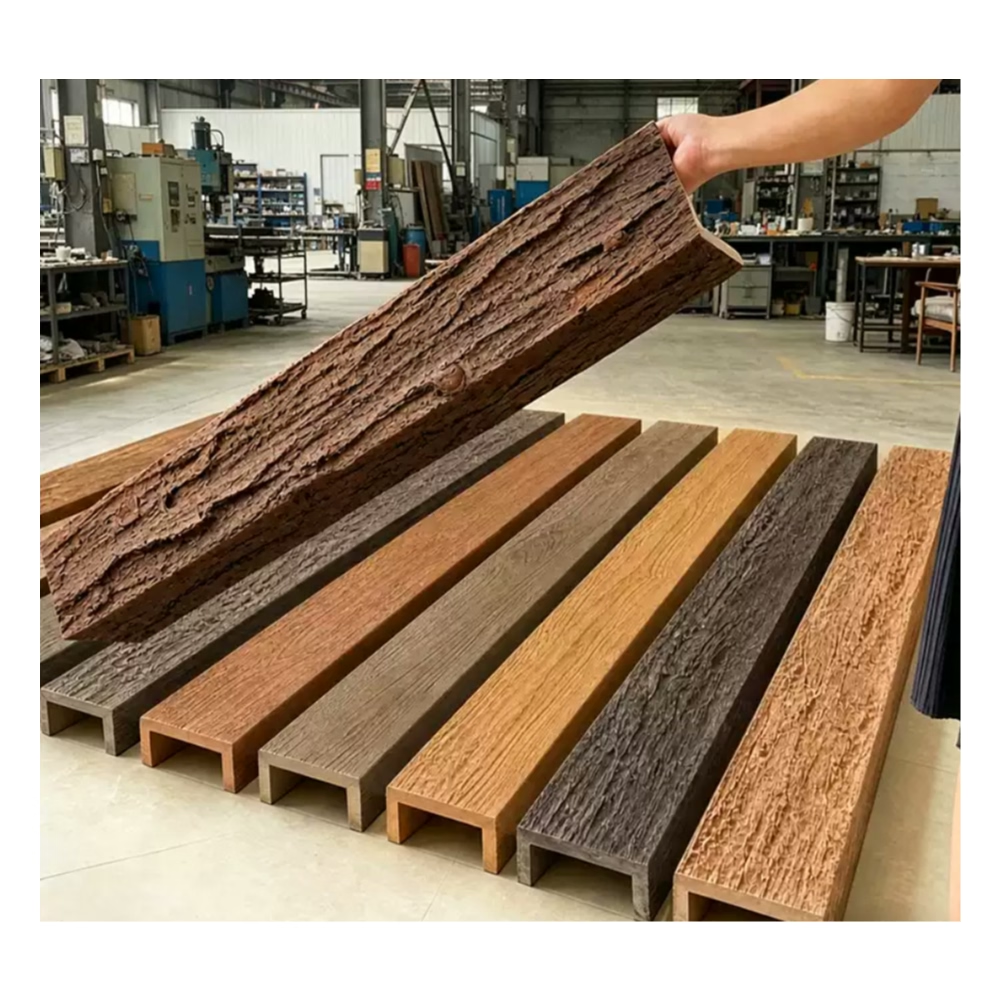
The most successful wellness spaces achieve what designers call "visual warmth," an impression of comfort and welcome that invites lingering and relaxation. Wood contributes to this quality through its natural color variations, organic grain patterns, and the subtle depth created by three-dimensional surface textures. Polyurethane beams replicate these qualities with sufficient fidelity that many visitors cannot distinguish them from genuine timber at casual glance.
Color selection significantly influences the mood created by ceiling beams in spa applications. Light, natural finishes evoke Scandinavian spa aesthetics with their emphasis on pale woods and minimal ornamentation. Warmer honey and amber tones suggest traditional bathhouses and hot spring resorts, creating environments that feel established and timeless. Darker weathered finishes pair beautifully with stone surfaces and create dramatic contrast in spaces where bold design statements serve the overall concept.
Beam configuration affects spatial perception as well as aesthetic qualities. Single beams crossing a ceiling provide subtle definition without overwhelming the space. Multiple parallel beams create rhythm and visual structure that organizes larger rooms into comprehensible zones. Exposed beam crossings and intentional intersections produce architectural interest that draws the eye upward and adds perceived height to spaces that might otherwise feel confined.
Moisture Performance in Wet Environments
The fundamental advantage of polyurethane over natural wood in spa applications involves moisture resistance. Polyurethane does not absorb water, warp when exposed to humidity, or provide food sources for the mold and mildew that colonize organic materials. This resistance ensures that beams maintain their appearance and structural integrity regardless of environmental conditions.

Steam rooms and enclosed showers represent the most demanding spa applications for any ceiling material. Temperature fluctuations, direct steam exposure, and consistent high humidity challenge materials in ways that standard interior applications do not. Polyurethane beams with appropriate surface treatments withstand these conditions without the deterioration that affects even treated natural woods in comparable situations.
The practical implication involves reduced maintenance and extended product lifespan compared to natural alternatives. Spa owners and homeowners appreciate not needing to monitor for signs of moisture damage, refinish deteriorating surfaces, or replace failed elements. This reliability proves particularly valuable in commercial wellness facilities where maintenance budgets must accommodate many simultaneous demands.
Integration with Spa Lighting Design
Lighting plays a defining role in wellness space atmosphere, interacting with ceiling beams to create layered illumination that supports diverse activities and moods. Indirect lighting concealed behind beams produces soft, diffused glow that flatters skin tones and creates flattering reflection in mirrors. This technique works particularly well in vanity areas where grooming activities require adequate but gentle illumination.
Accent lighting focused on beams themselves creates dramatic focal points that anchor the ceiling as a design element. Directional fixtures highlight beam textures and create shadows that enhance three-dimensional appearance. Color temperature selection influences the warmth conveyed by the wood appearance, with lower color temperatures enhancing golden tones and higher temperatures producing cooler, more clinical appearances.
Dimmable lighting systems enable spa operators and homeowners to adjust atmosphere throughout the day or in response to different usage patterns. Bright, energizing illumination supports morning grooming routines, while reduced intensity and warmer color temperatures create evening environments conducive to relaxation. Integration with building automation systems allows scene programming that automatically adjusts lighting to appropriate settings.
Material Coordination and Design Continuity
Successful spa designs achieve visual continuity between ceiling beams and other materials throughout the space. Coordinating wood tones across beams, vanities, shelving, and accent elements creates a unified aesthetic that feels intentional and considered. This coordination does not require matching materials precisely; thoughtful contrast between different wood appearances adds visual interest while maintaining cohesive overall impression.
Stone surfaces frequently accompany wood in spa applications, creating organic material combinations that feel inherently natural. The color and texture relationships between wood and stone deserve attention during design development. Cool gray stones pair beautifully with warm wood tones, while earth-toned stones create more harmonized palettes. Veining patterns and surface textures influence how successfully these materials integrate visually.
Metal accents provide finishing details that connect disparate elements while adding refinement to the overall design. Brushed nickel, matte black, and warm brass fixtures appear throughout wellness spaces, from shower hardware to lighting fixtures to decorative accessories. Ensuring that beam mounting hardware and any exposed fasteners coordinate with these finish selections contributes to the polished appearance that distinguishes excellent spa designs.

Acoustic Considerations for Wellness Spaces
Spa environments benefit from acoustic treatment that reduces echoing and creates more intimate soundscapes. Ceiling beams contribute to acoustic performance by breaking up large, flat surfaces that reflect sound waves directly. The three-dimensional texture of beams scatters acoustic energy, reducing harsh reflections and creating more comfortable acoustic environments.
Supplementing beam texture with additional acoustic treatments addresses more demanding sound control requirements. Fabric-wrapped panels, acoustic tiles, and specialized ceiling treatments absorb sound energy that beam texturing alone cannot adequately address. In spaces where conversation privacy matters, such as treatment rooms or consultation areas, comprehensive acoustic design ensures comfortable communication.
The combination of beam aesthetics and acoustic performance creates wellness spaces that are both beautiful and functional. Sound quality affects perceived space quality, with overly reverberant environments feeling uncomfortable and institutional. Thoughtful acoustic design ensures that spa environments feel as good as they look, supporting the comprehensive wellness experience that modern spa-goers expect.
Commercial Wellness Applications
Commercial spas, fitness centers, and wellness retreats present demanding requirements that influence beam specification and installation approach. Durability against heavy use, code compliance for public occupancy, and consistent appearance across multiple installations matter significantly in these contexts. Polyurethane beams meet these commercial demands while delivering the aesthetic qualities that wellness branding requires.
Hotel spa facilities often operate under brand standards that specify particular design languages and material qualities. Faux wood beams enable compliance with these standards while providing practical advantages that benefit facility operations. The ability to specify custom finishes that match brand color palettes ensures visual consistency across properties while enabling local adaptation to specific architectural contexts.
Healthcare and therapeutic wellness applications may involve additional requirements related to infection control and cleanability. Polyurethane surfaces can be cleaned and disinfected without damage, supporting the sanitization protocols that these environments require. The non-porous surface does not harbor bacteria or allergens, contributing to healthier indoor air quality that benefits all occupants.
The fusion of spa aesthetics and practical performance makes polyurethane faux wood beams an increasingly preferred choice for wellness space design. By eliminating the moisture-related concerns that limit natural wood applications, these beams enable designers to create genuinely relaxing environments that maintain their beauty through years of use. The result is wellness spaces that support occupant wellbeing through thoughtful design executed with reliable materials.
Technical References
ASTM standards cited in every specification
Test Data
Lab results from internal testing program
Updated 2026
Reviewed against current product specs

