
Box beams represent one of the most versatile categories of polyurethane faux wood products, offering clean architectural lines that complement both contemporary and traditional design contexts. The hollow construction provides substantial visual presence while minimizing weight, enabling applications that would be impractical with solid timber alternatives. Custom box beam fabrication requires specialized capabilities that not all suppliers possess, making supplier selection particularly important for projects requiring non-standard specifications.
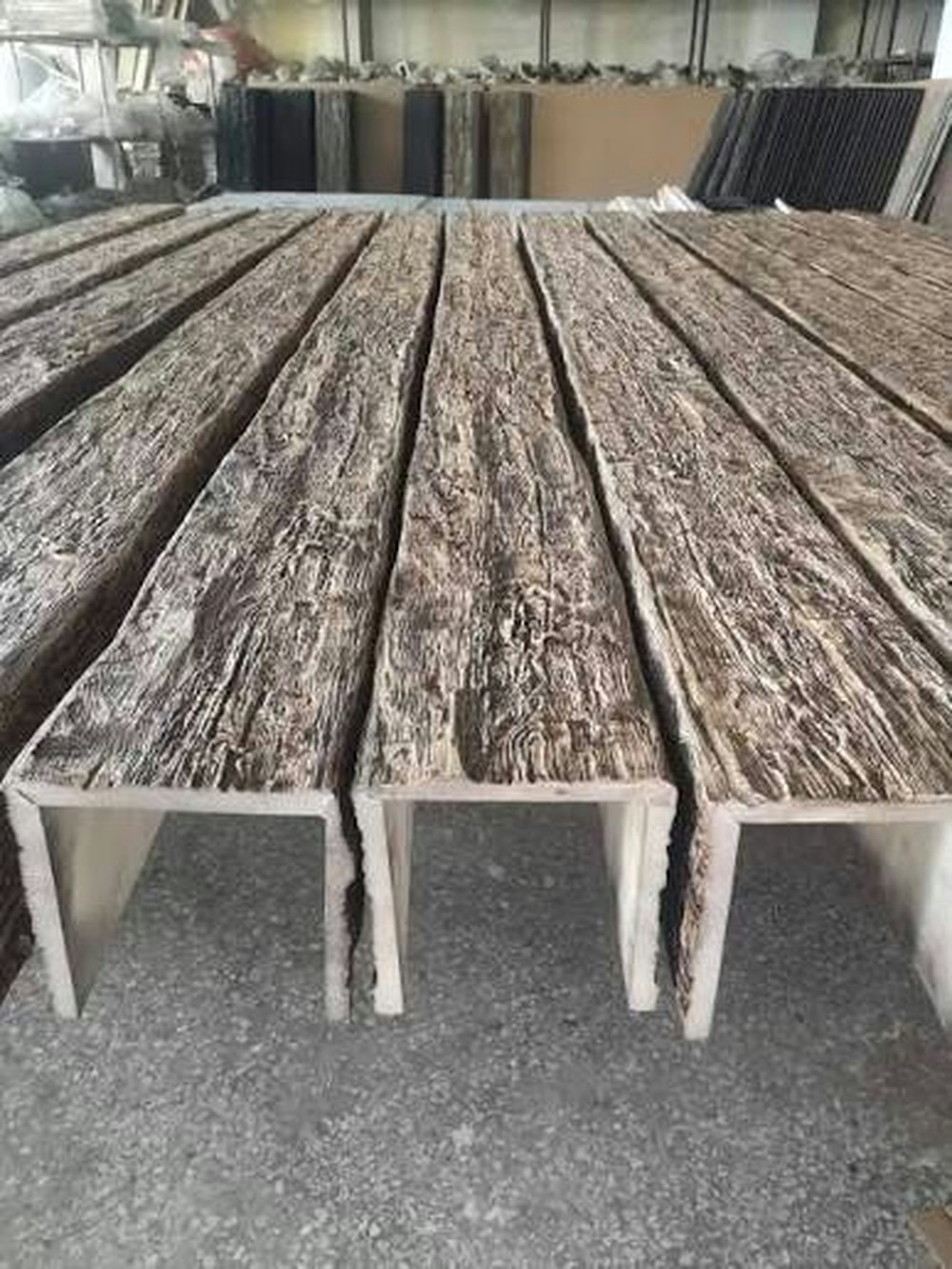
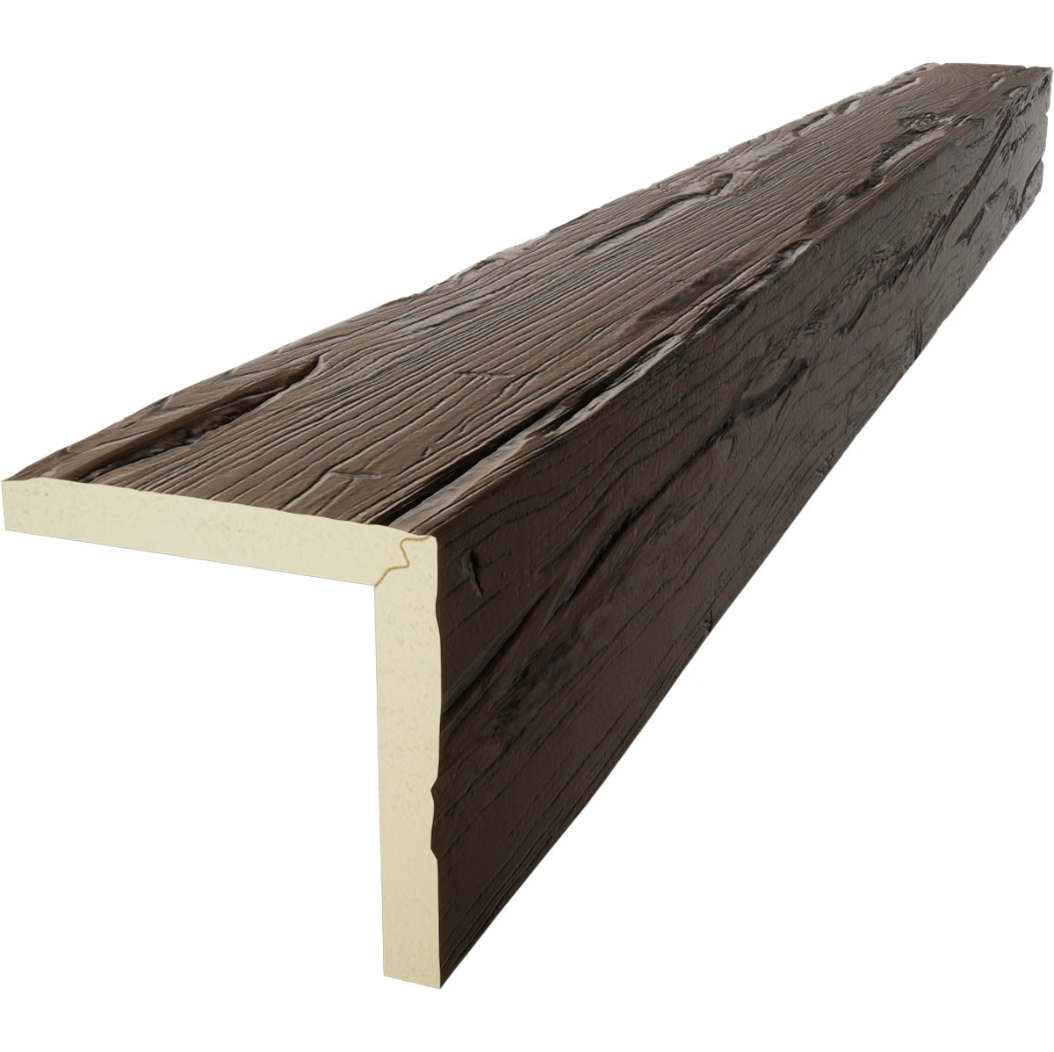
The defining characteristic of box beams involves their construction from multiple pieces joined to create hollow, rectangular profiles. This construction method enables dimensions that exceed practical limits for single-piece molding while creating distinctive visual effects through the visible seams between components. Skilled fabrication produces joints that appear intentional rather than compromised, adding architectural detail rather than manufacturing artifacts.
Design projects requiring custom box beams typically involve specifications that catalog products cannot satisfy. Non-standard dimensions, unusual proportions, specialized finishes, or integration with other architectural elements all represent customization requirements that demand supplier capability beyond standard production capabilities. Identifying suppliers with genuine custom fabrication expertise ensures that project visions translate successfully into physical products.
Custom Fabrication Capabilities
Genuine custom fabrication involves more than simply producing standard products in non-standard sizes. True customization addresses the full range of product characteristics including dimension, profile shape, surface treatment, finish color, and connection details. Suppliers claiming custom capabilities should demonstrate ability across these various dimensions rather than offering limited size customization on standard products.
Mold-making capabilities distinguish fabrication specialists from mere size modifiers. Creating custom molds for unique profiles or surface textures requires investment in tooling that standard suppliers may not offer. Suppliers maintaining in-house mold-making facilities can produce truly custom products without the lead time and cost implications of external tooling development.
Joinery techniques significantly impact box beam quality and appearance. Precision cutting, proper adhesive selection, and appropriate clamping during assembly produce joints that are both structurally sound and visually refined. Suppliers demonstrating quality-focused joinery practices deliver products that meet professional expectations for architectural millwork.
Profile Design and Engineering
Custom box beam projects frequently involve profiles not available from standard catalogs. Architectural drawings may specify particular proportions, chamfer treatments, or profile shapes that express specific design intentions. Translating these design specifications into manufacturable products requires understanding both design intent and fabrication capabilities.
Engineering consultation during the design phase prevents costly revisions and manufacturing challenges. Suppliers offering technical design support help architects and designers refine specifications for manufacturability while preserving essential design qualities. This collaborative approach produces better outcomes than either purely design-driven or purely manufacturing-driven specification processes.
Structural requirements influence profile design even when beams appear purely decorative. Integration with ceiling systems, accommodation of hidden mounting hardware, and provision for fixture support all affect how box beams should be engineered. Suppliers who understand these structural considerations provide valuable guidance that ensures functional as well as aesthetic success.

Finish Customization Options
Surface finish customization enables box beams to integrate with diverse design contexts. While standard products offer limited finish selections, custom suppliers can produce beams in any color or stain that matches existing woodwork or achieves specific aesthetic goals. This finish flexibility significantly expands design possibilities.
Custom staining requires expertise in both color matching and finish application. Suppliers offering custom staining should demonstrate capability to match samples precisely while producing finishes that resist fading and wear appropriately for the intended application. Sample approval processes allow verification of color accuracy before committing to full production.
Textured surfaces beyond standard options expand the design vocabulary available through custom fabrication. Hand-scraped textures, wire-brushed surfaces, and specialty treatments create appearances that distinguish custom products from mass-produced alternatives. Suppliers offering these texture options enable designers to achieve specific aesthetic outcomes that differentiate their work.
Project Scale Considerations
Custom box beam projects range from single-room installations to entire building specifications, with supplier requirements varying accordingly. Small-scale residential projects may be served by suppliers who specialize in modest production quantities, while large commercial projects require manufacturers with capacity for substantial batch production without sacrificing quality consistency.
Production capacity becomes critical when project timelines require substantial quantities within compressed timeframes. Evaluating supplier capacity against project requirements prevents quality compromises that sometimes accompany over-commitment. Suppliers should be honest about capacity limitations and willing to recommend alternatives when projects exceed reasonable production capacity.
Quality consistency across large production runs requires manufacturing systems designed for reproducibility. Batch tracking, process control documentation, and incoming material verification all contribute to consistent quality that large projects demand. Suppliers lacking these systems may produce acceptable samples while struggling to maintain quality across production runs.
Communication and Specification Development
Effective custom box beam procurement involves specification development that clearly communicates project requirements. Detailed drawings, written specifications, and reference samples collectively establish the standards against which products will be evaluated. Professional suppliers participate actively in this specification process, asking clarifying questions and identifying potential issues before production begins.
Documentation of agreed specifications protects both buyer and supplier by establishing clear quality standards. Written specifications attached to purchase orders prevent disputes arising from ambiguous verbal communications. Suppliers providing written specification confirmations demonstrate professionalism that extends to other aspects of their operations.
Sample approval processes provide essential verification that products will meet expectations before committing to full production. Reputable custom suppliers expect and encourage sample review, incorporating feedback into production processes until approval is obtained. This iterative process requires time but prevents costly production errors.
Long-term relationships with custom box beam suppliers provide ongoing benefits for design firms and builders with multiple projects. Established relationships enable faster quotation turnaround, preferred scheduling, and pricing advantages that reward loyalty. The investment in relationship development pays dividends across a portfolio of projects requiring custom fabrication capabilities.
Technical References
ASTM standards cited in every specification
Test Data
Lab results from internal testing program
Updated 2026
Reviewed against current product specs


