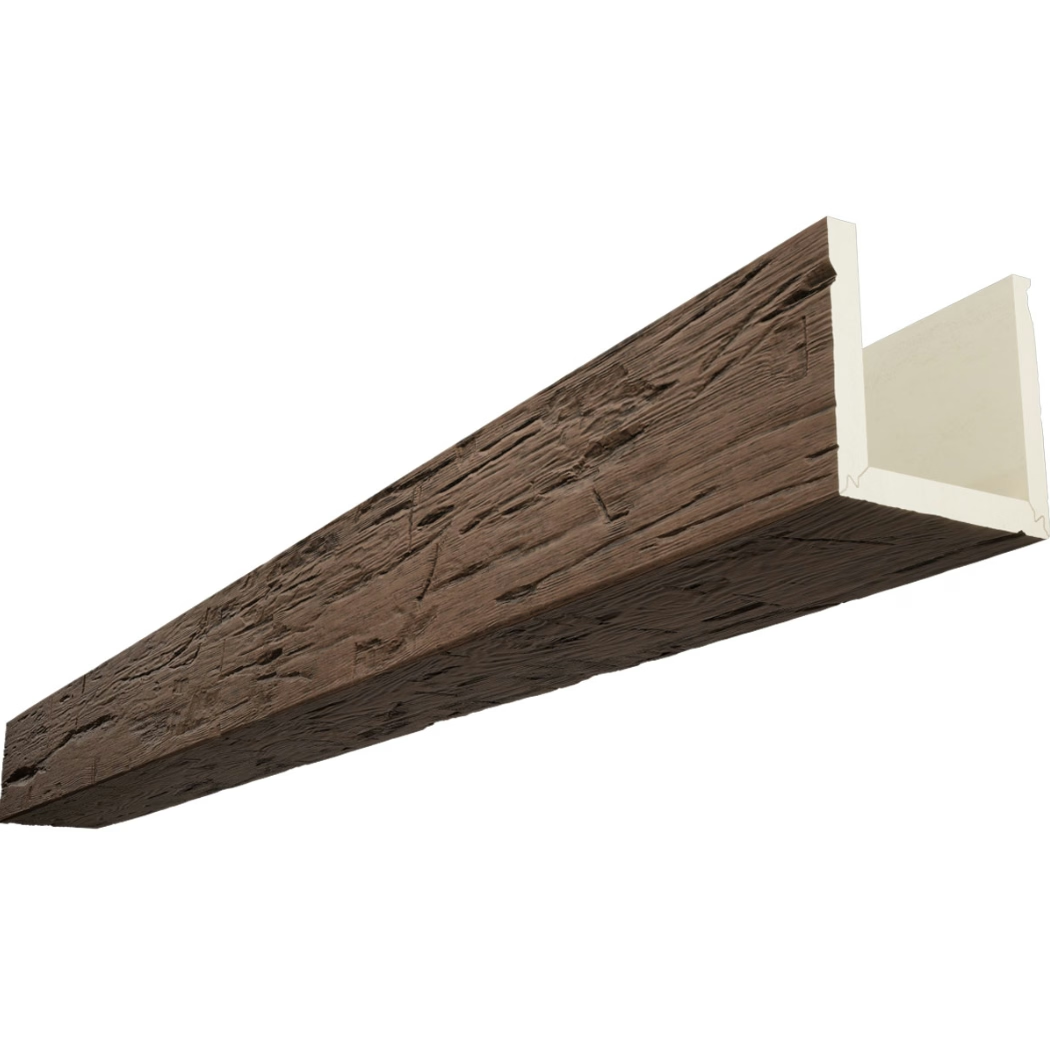
The decorative building materials market continues integrating globally, with importers playing expanding roles in connecting manufacturers with end customers across diverse geographic markets. Faux wood beams occupy growing market share as consumers and trade professionals recognize their practical advantages over natural wood alternatives. For importers serving this market, reliable supplier relationships determine whether they deliver customer satisfaction or face quality complaints, delivery problems, and reputation damage.
Decor product importing involves distinct considerations compared to other building material categories. Visual appearance drives purchasing decisions more heavily than in functional categories where technical performance dominates. Packaging must protect products through international transit while presenting attractively when customers open containers. These aesthetic considerations require supplier attention beyond basic production quality.
Market positioning strategies influence supplier selection criteria. Importers serving premium market segments require correspondingly premium products, while volume-focused importers prioritize price competitiveness. Understanding target market requirements enables supplier selection that produces appropriate product assortments rather than mismatched offerings that underperform regardless of individual product quality.
Supplier Capability Assessment
Assessing supplier capabilities requires evaluation across multiple dimensions that collectively determine relationship viability. Production capacity determines whether suppliers can fulfill order volumes without sacrificing quality or missing deadlines. Capacity verification should go beyond stated capabilities to include evidence of actual production performance.
Quality systems demonstrate supplier commitment to consistent product excellence. Documented inspection procedures, incoming material verification, and process controls indicate mature manufacturing operations. Suppliers should be able to explain their quality approaches and provide documentation that supports evaluation of system effectiveness.
Communication capabilities matter significantly for international relationships where time zones and language differences create challenges. Responsive communication that addresses questions efficiently prevents delays that cascade through project timelines. Evaluating communication responsiveness during initial inquiries provides insight into future responsiveness when issues arise.
Product Development and Customization
Importers increasingly differentiate through exclusive products unavailable from competitors. Supplier willingness to support product development enables this differentiation strategy. Assessing supplier interest and capability in custom product development before establishing relationships ensures that development needs can be addressed as they arise.
Design collaboration opportunities let importers influence product characteristics based on market intelligence. Suppliers who value input from trade customers incorporate market feedback into product development, creating offerings that address actual demand rather than assumptions. This collaborative approach benefits both parties through products that sell effectively.
Private label capabilities enable importers to build brands rather than simply reselling manufacturer brands. Packaging design, logo application, and documentation customization transform generic products into branded offerings. Suppliers experienced in private label service understand associated requirements and provide appropriate support.


Pricing and Margin Structure
Import pricing must support viable margin structures through distribution channels to final customers. Understanding total landed costs, including product price, freight, duties, and handling, enables accurate margin calculation. Suppliers offering transparent pricing that facilitates this calculation demonstrate professional orientation.
Volume pricing tiers provide opportunities for importers to improve margins through consolidated purchasing. Understanding how volume commitments translate into pricing benefits helps importers optimize order sizing. However, volume commitments also create inventory risk that must be managed appropriately.
Payment terms affect working capital requirements and effective costs. Currency considerations, payment method fees, and timing of payments all influence effective pricing. Understanding these factors enables accurate comparison across supplier quotes.
Market Intelligence and Trend Awareness
Suppliers serving multiple markets develop market intelligence that valuable importers can access. Information about emerging trends, successful product categories, and shifting demand patterns helps importers make better purchasing and inventory decisions. Suppliers who share market intelligence proactively demonstrate partnership orientation.
Trade show attendance and market observation provide supplier perspectives on competitive dynamics and market evolution. Regular communication with suppliers about market conditions supplements independent market research. This information flow supports strategic decision-making beyond transactional purchasing.
Product lifecycle awareness helps importers manage inventory and transition periods as products mature or decline. Suppliers familiar with lifecycle patterns can provide guidance on product planning that prevents both obsolescence issues and missed opportunities from delayed new product introduction.
Long-Term Partnership Development
Sustainable import businesses depend on long-term supplier relationships rather than constantly searching for lower-cost alternatives. Partnership development requires mutual investment in relationship quality that transactional purchasing does not incentivize. Professional importers recognize that supplier success contributes to their own success and act accordingly.
Strategic supplier relationships provide advantages beyond transactional efficiency. Priority production scheduling, flexible policy application, and collaborative problem-solving result from relationships where both parties value the connection. These advantages translate into operational benefits that affect bottom-line performance.
Regular business review meetings, whether in person or virtual, enable strategic discussion beyond operational details. Planning for upcoming periods, addressing emerging issues, and exploring improvement opportunities maintain relationship health. Suppliers who participate constructively in these reviews demonstrate partnership maturity.
Successful decor product importing combines product expertise, supplier relationship management, and market knowledge that creates value for end customers. By selecting suppliers systematically, developing relationships thoughtfully, and managing operations professionally, importers build sustainable businesses that serve markets effectively. The faux wood beam category offers attractive opportunities for importers prepared to invest in the supplier partnerships and operational capabilities that successful international trade requires.
Technical References
ASTM standards cited in every specification
Test Data
Lab results from internal testing program
Updated 2026
Reviewed against current product specs