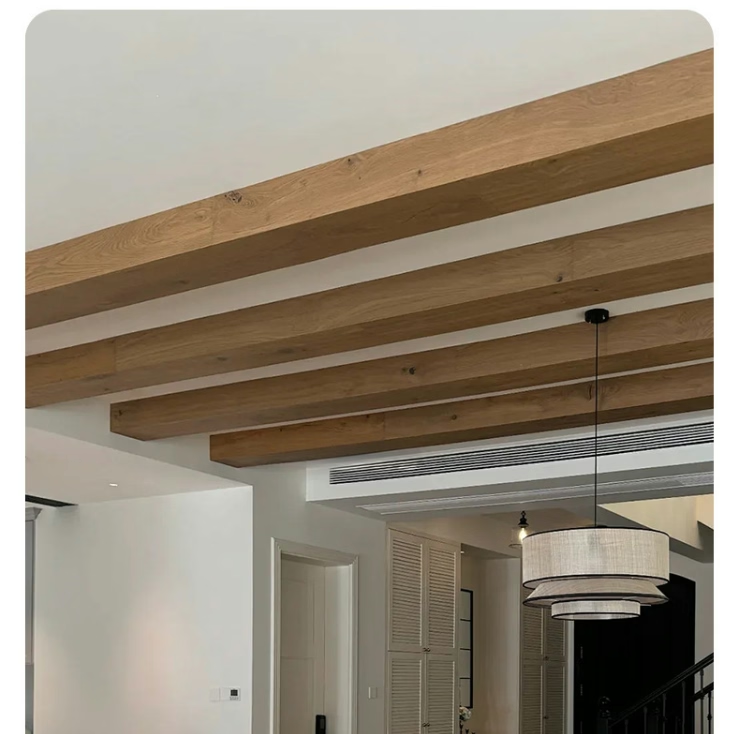
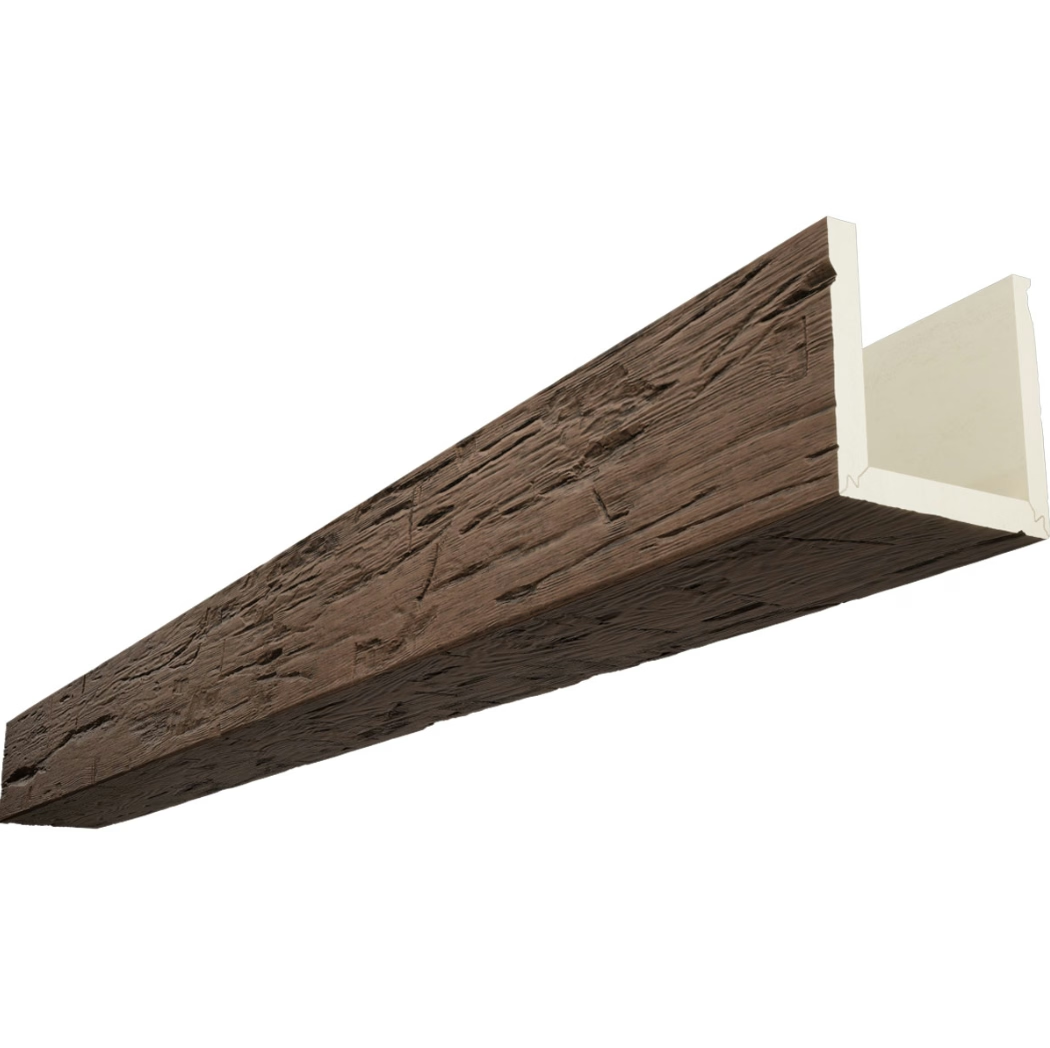
The British market for faux ceiling beams has matured considerably, driven by renovation enthusiasm across period properties, commercial hospitality projects, and new construction seeking the warmth of exposed timber without associated challenges. UK buyers face distinct considerations compared to their counterparts in other markets—building regulations, aesthetic preferences, climate considerations, and supply chain structures all shape optimal sourcing strategies.
The UK Market Landscape for Faux Ceiling Beams
Understanding the current supplier ecosystem helps frame sourcing decisions. The market includes several distinct supplier categories, each with characteristic strengths and limitations.
UK-based manufacturers produce beams specifically for the British market, often with profiles and finishes designed for period property aesthetics. These suppliers understand local preferences—British customers frequently favor more subtle wood grain reproduction compared to the bold textures preferred in North American markets. Local production also simplifies logistics and allows more responsive service for urgent requirements.
Import specialists source products from global manufacturers, typically Asian or European facilities, and handle all import logistics including customs documentation, duty payments, and UK delivery. These suppliers often offer broader product ranges and competitive pricing but may have longer lead times and less ability to accommodate unusual specifications.
Trade distributors serve as intermediaries between manufacturers and end users. They maintain inventory of popular items, provide technical support, and offer credit terms that help cash flow management. However, their markup adds cost, and product selection reflects mainstream rather than specialized requirements.
Direct-from-manufacturer purchasing has become more accessible through improved communication tools. International suppliers now serve UK customers directly, potentially offering better pricing but requiring more buyer sophistication in evaluating products sight-unseen and managing international logistics.
Building Regulations and Compliance Considerations
UK building regulations affect faux beam installations in several ways that reputable suppliers should understand.
Fire safety regulations require certain product categories to meet minimum fire performance standards. Ceiling beams in specifiable locations—particularly in rental properties, commercial spaces, and certain residential contexts—may require materials meeting specific ratings. Premium suppliers can provide documentation demonstrating compliance with relevant standards.
Planning permission is rarely required for faux beam installation in existing properties, but building control notification may be necessary for certain structural modifications or electrical work involved in beam mounting. Professional suppliers understand these requirements and can advise accordingly.
Building regulations compliance affects product selection for specific applications. Suppliers familiar with the UK market should guide customers toward appropriate products for their specific circumstances, particularly for rental properties where regulations have tightened considerably in recent years.

Climate Considerations for UK Installations
British weather patterns create specific considerations for faux beam performance that might not apply in other climates.
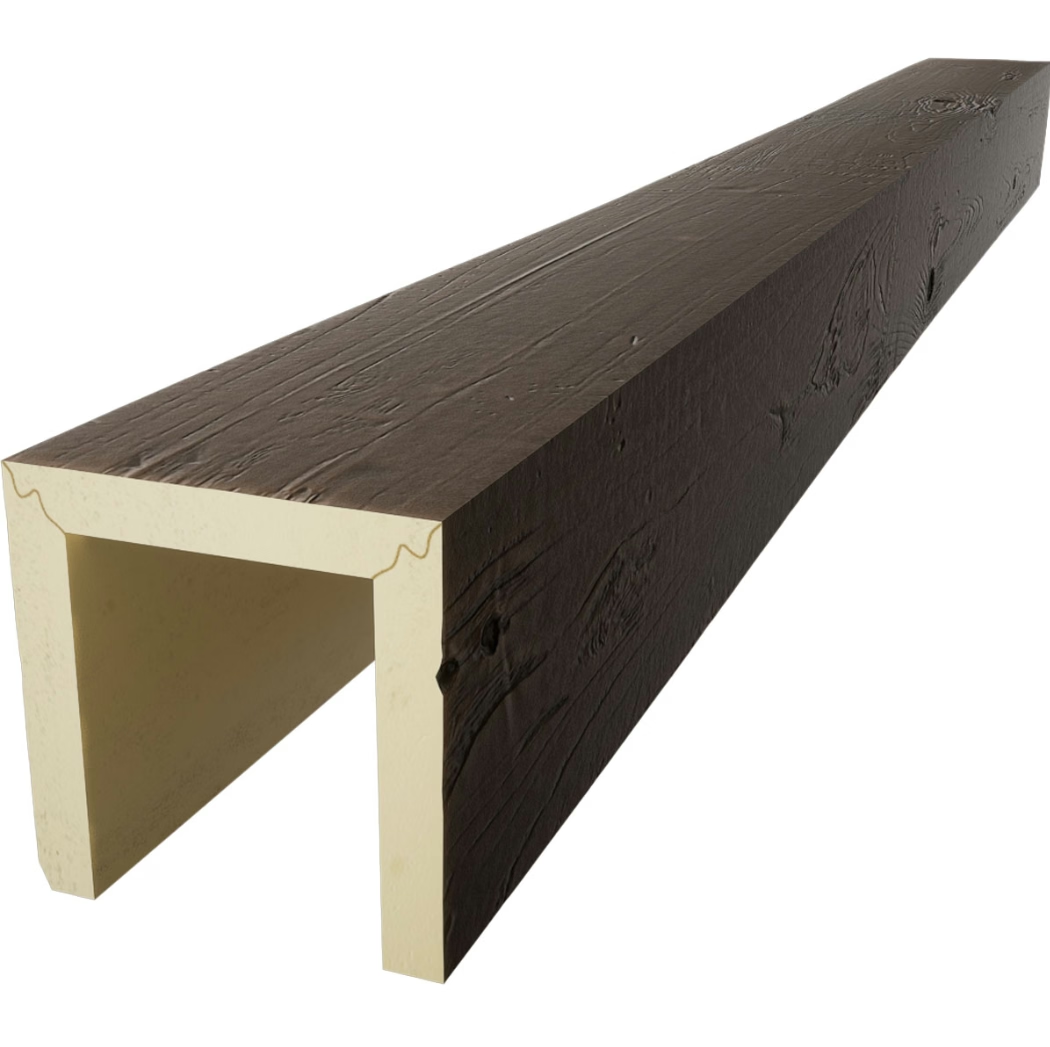
Humidity variations throughout the year cause natural wood to expand and contract. Polyurethane faux beams handle this differently—the material doesn't absorb moisture, so dimensional stability is excellent. However, the mounting systems need to accommodate movement in surrounding structures without stressing the beams themselves.
Temperature fluctuations between seasons affect different building types differently. Unheated outbuildings, conservatories, and poorly insulated spaces experience more extreme temperature swings than climate-controlled interiors. Professional UK suppliers should recommend appropriate products for the specific installation environment.
Condensation management becomes important in some contexts. Beams installed in areas prone to condensation need breathable mounting systems that don't trap moisture against the material surface. Premium suppliers understand these nuances and specify accordingly.
Aesthetic Preferences in the British Market
British design sensibilities favor certain aesthetics that influence product selection.
Period property authenticity is highly valued. Faux beams in Victorian, Edwardian, or Georgian properties should complement existing architectural features rather than jarring with them. Subdued wood grain reproduction that mimics aged natural timber works better than bold, heavily textured alternatives popular elsewhere.
Color preferences tend toward the conservative. While white-painted beams remain popular, the specific whites and off-whites chosen often relate to existing room colors. Grey washes, sage tones, and heritage colors appeal more than trendy contemporary finishes.
Space considerations affect profile selection. British properties frequently feature lower ceilings than contemporary new builds. Suppliers familiar with this market offer scaled profiles appropriate for these spaces, avoiding the oversized beams designed for grand American vaulted ceilings.
Evaluating UK Supplier Reliability
Specific evaluation criteria apply when assessing UK-based suppliers.
Physical presence matters for verification and support. Suppliers with showrooms, warehouses, or offices allow physical product inspection before purchase and provide service locations when assistance is needed. Purely online operations can be legitimate but require more careful evaluation.
Delivery networks within the UK vary considerably. Some suppliers use expensive parcel services for all shipments regardless of size, while others have established pallet networks offering cost-effective delivery across mainland Britain and Northern Ireland. Understanding delivery economics helps evaluate total cost.
Stock availability determines realistic timelines. Suppliers maintaining inventory of popular items can often ship within days, while those requiring production runs may have significant lead times. For time-sensitive projects, stock availability becomes a critical evaluation factor.
After-sales support quality differentiates professional suppliers from transactional operations. When problems arise—and they inevitably do—how suppliers respond reveals their true character. Professional support includes appropriate remedies for genuine quality issues and clear communication when expectations cannot be met.
Price Comparison and Value Assessment
UK pricing for faux ceiling beams reflects supplier type, product quality, and logistics costs.
Direct comparisons require careful specification alignment. Beams appearing similar may differ significantly in density, finish quality, and dimensional accuracy. Comparison shopping without understanding these differences leads to poor value decisions.
Import duties and delivery costs distort apparent pricing from international sources. Landed cost—including all fees, duties, and delivery to your location—provides the true comparison basis. Reputable import suppliers include these costs in quoted prices, while others advertise low base prices that balloon with additional charges.
Value assessment should consider total cost including potential replacement costs if cheap products fail prematurely. Premium beams lasting decades justify higher initial investment compared to budget alternatives requiring replacement after a few years.
Building relationships with reliable UK suppliers simplifies future projects while ensuring current work receives appropriate support. Take time evaluating options, request physical samples, and verify supplier claims through reference checks before committing to significant orders.
Technical References
ASTM standards cited in every specification
Test Data
Lab results from internal testing program
Updated 2026
Reviewed against current product specs