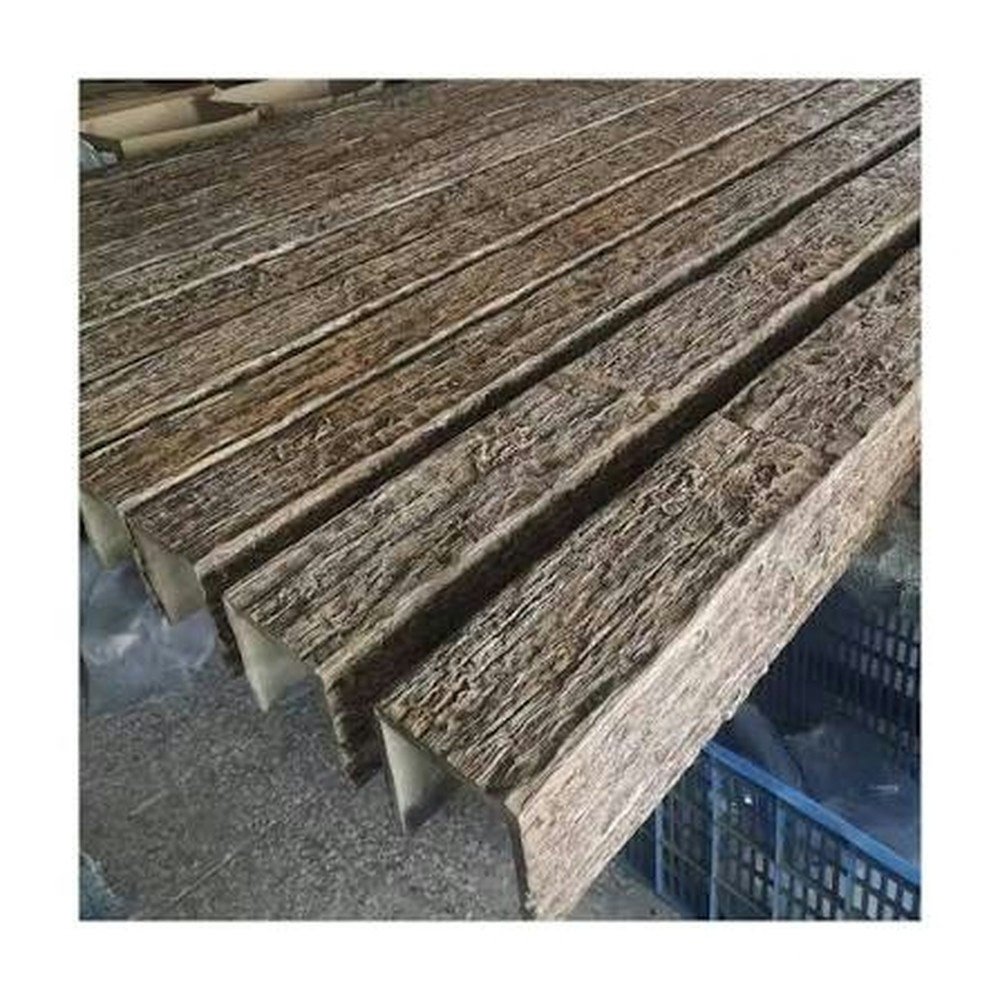
Renewable Raw Material Sourcing: Plant-Based Polymer Alternatives
Sustainable faux beam production transitions to renewable raw materials replacing petroleum-based polymers. Strategic adoption of plant-based alternatives from corn, sugarcane, and agricultural waste reduces fossil fuel dependence supporting environmental goals while maintaining product performance and durability.
Bio-Based Polyurethane Development
Develop polyurethane formulations using plant oils instead of petroleum derivatives. Renewable chemistry maintains material properties while reducing carbon footprint and fossil fuel consumption.
Agricultural Waste Utilization
Convert crop residues, corn stalks, and sugarcane bagasse into polymer feedstocks. Waste stream utilization provides sustainable raw materials while solving agricultural disposal challenges.
Certified Sustainable Sources
Ensure plant feedstocks come from certified sustainable agricultural operations preventing deforestation. Responsible sourcing prevents environmental problem shifting from fossil fuels to unsustainable agriculture.
Performance Equivalence Testing
Validate bio-based materials meeting or exceeding petroleum-based product performance standards. Rigorous testing ensures sustainable alternatives provide equal quality and longevity.
Cost Competitiveness Progress
Monitor bio-polymer pricing trends anticipating competitive parity with conventional materials. Economic viability determines mainstream adoption timeframes and market penetration.
Supply Chain Development
Build reliable renewable material supply chains ensuring consistent availability and quality. Infrastructure development supports industry transition away from petroleum dependence.
Life Cycle Advantage Quantification
Measure total environmental benefits of renewable materials versus conventional alternatives. Comprehensive analysis validates sustainability claims and informs material selection.
Carbon Sequestration Benefits
Recognize plant-based materials storing atmospheric carbon during agricultural growth phase. Carbon capture provides additional climate benefits beyond fossil fuel displacement.
Conclusion
Renewable beam material sourcing requires bio-based polyurethane development, agricultural waste utilization, certified sustainable sources, and performance equivalence testing. Strategic plant-based polymer adoption reduces fossil fuel dependence through cost competitiveness progress, supply chain development, life cycle advantage quantification, and carbon sequestration benefits supporting sustainable material innovation.
Technical References
ASTM standards cited in every specification
Test Data
Lab results from internal testing program
Updated 2026
Reviewed against current product specs