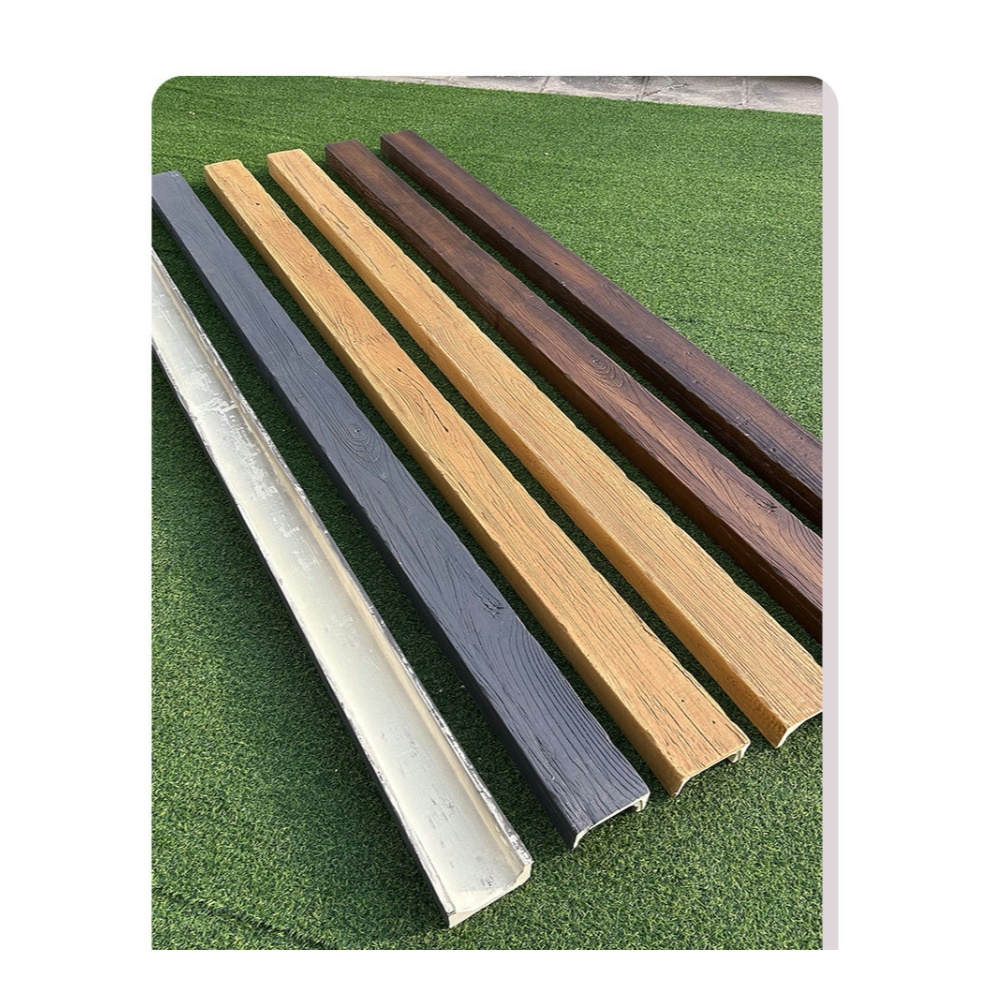
Construction sequencing matters more than most homeowners realize until something goes wrong. Trades arriving in the wrong order create rework, damage, and budget overruns that proper planning would have prevented. Faux wood ceiling beam installation occupies a specific position within renovation timelines—late enough that surrounding construction is stable, early enough that final finishes aren't yet applied. Understanding this position helps homeowners and contractors coordinate installations properly, achieving quality results without unnecessary complications.
The General Renovation Sequence
Before specifying beam timing, understanding broader construction sequence helps.
Demolition and structural work must complete before any finish materials install. This phase removes existing materials, addresses structural concerns, and prepares the framework that will eventually support beam installations. Nothing finish-related should begin until demolition is complete and structural integrity confirmed.
Rough mechanical work—plumbing, electrical, HVAC—installs before finish work. Wiring, piping, and ductwork get placed within ceiling and wall cavities before those cavities get enclosed. This sequencing allows access for installation and modification without damaging finished surfaces.
Insulation and air sealing follow rough mechanical completion. In ceiling applications, insulation goes above the finished ceiling plane, requiring access that won't exist once beams install. Proper insulation installation before beam mounting ensures complete coverage without beam interference.
Where Beams Fit in the Sequence
Faux wood beam installation occurs after rough work but before final finishes.
Beam mounting typically occurs after ceiling drywall or plaster is finished and primed. Installing beams over unfinished surfaces creates alignment challenges and potential finish damage. The ceiling plane should be prepared—taped, mudded, sanded, and primed—before beams mount.
Wall finishes should be complete before beam installation in most cases. Beams that but against walls need clean wall surfaces for proper alignment. Painting or wallcovering after beam installation risks damage to beam finishes from masking and application processes.
Floor finishing may occur before or after beam installation depending on the specific approach. Hardwood, tile, and other hard flooring typically finishes before trim and beams to allow proper base trim installation. Carpet may get installed after beam installation with appropriate protection.


Coordination with Other Trades
Beam installation requires coordination with trades working in similar spaces.
Electricians need to complete any ceiling electrical work—recessed lighting, ceiling fan junction boxes, decorative fixture rough-ins—before beams mount. Beam installation over existing junction boxes prevents proper fixture installation later.
HVAC contractors should complete ductwork modifications and testing before beams install. Any work requiring ceiling access must finish before beams create obstacles. This includes balancing adjustments and any damper work hidden above ceilings.
Painter coordination ensures both trades can work efficiently. Some installers prefer beams installed before final paint, allowing seamless caulking between beams and ceiling. Others prefer painting complete, with beams installed afterward using color-matched caulk. Either approach works—the key is coordination deciding which sequence applies.
Site Conditions for Installation
Proper installation requires specific site conditions that should exist before beams arrive.
Temperature and humidity should be at occupancy levels before beam installation. Faux wood beams—and the adhesives and mounting hardware used with them—perform best when temperature and humidity are at normal levels. Extreme conditions during installation may cause movement as conditions normalize.
Cleaning requirements remove debris that could damage beams during installation. Sawdust, drywall compound particles, and construction debris all risk surface damage if beams install into unclean environments. At minimum, ceiling and work areas should be vacuumed before beam arrival.
Protection considerations prevent damage from subsequent work. Beams installed before final trim, painting, and flooring may need temporary protection from construction traffic and subsequent trades. Discussing protection approach before installation prevents damage during the remaining work.

Storage and Handling Before Installation
Materials arriving before conditions support installation need proper handling.
Climate-controlled storage prevents moisture issues. Beams should remain in their packaging in climate-controlled spaces until installation. Cold warehouses or damp basements may cause condensation issues when materials warm to installation conditions.
Careful unpacking prevents damage. Beams shipping with protective wrapping deserve careful removal that doesn't damage finishes. Cutting strapping and wrapping carefully avoids finish scratches or dents from sharp tools or careless handling.
Inspection upon delivery identifies shipping damage before installation. Checking beams immediately upon delivery allows damage claims before installation makes damage invisible. Document any issues before installation crew arrival.
Scheduling Realistic Timelines
Beam installation itself takes less time than surrounding trades.
Simple installations may complete in a day. Straightforward beam mounting in accessible locations with minimal cutting and fitting might finish within a single workday for experienced installers.
Complex installations require more time. Custom configurations, non-standard angles, integrated lighting, and challenging access all extend installation timelines. Realistic scheduling accounts for these variables.
Follow-up work after installation should be anticipated. Caulking, touch-up finishing, and any adjustment work typically happens after initial installation. Scheduling should include time for these activities rather than assuming installation completion equals project completion.
Building realistic expectations about where faux wood beam installation fits within renovation timelines helps everyone—homeowners, contractors, and installers—coordinate effectively. Proper sequencing prevents callbacks, damage, and frustration while ensuring quality results that enhance rather than complicate renovation projects.
Technical References
ASTM standards cited in every specification
Test Data
Lab results from internal testing program
Updated 2026
Reviewed against current product specs