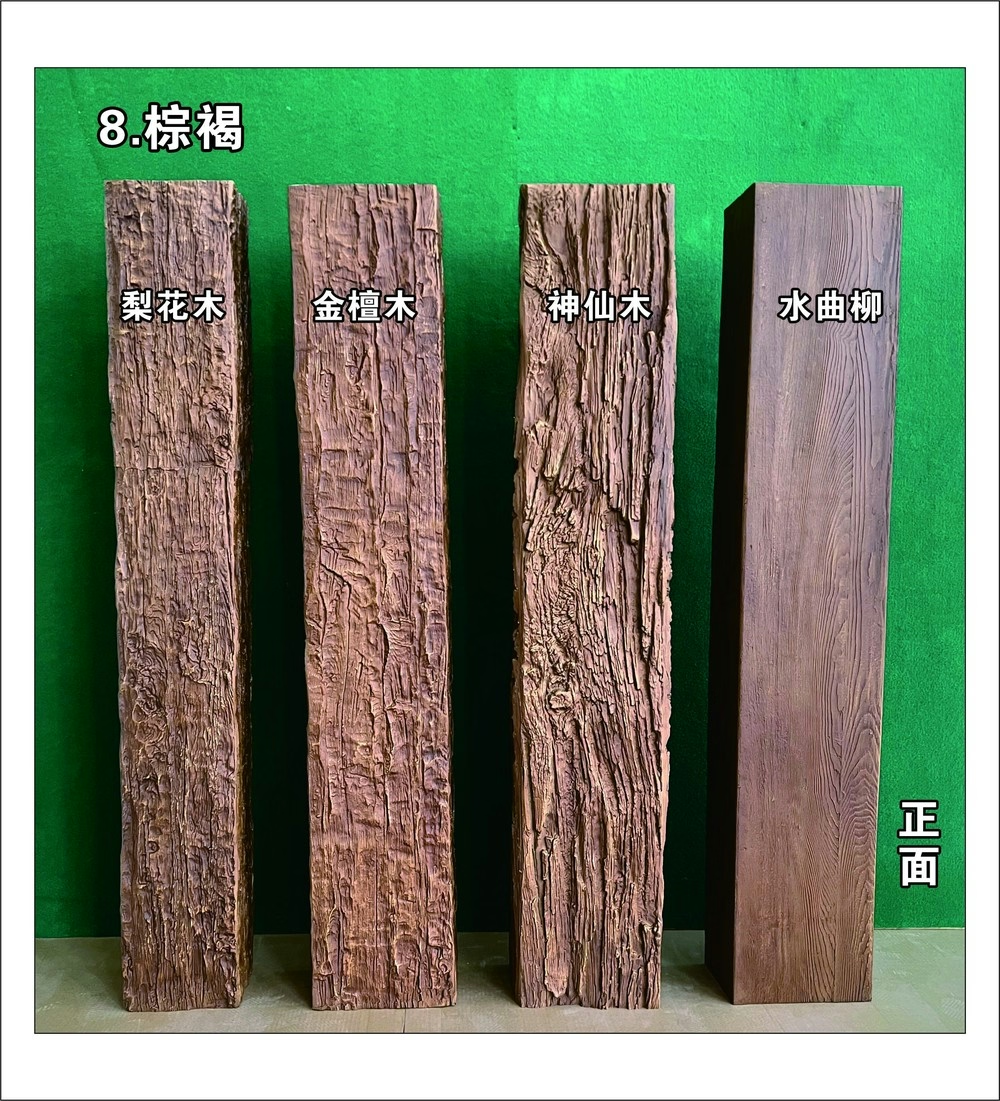
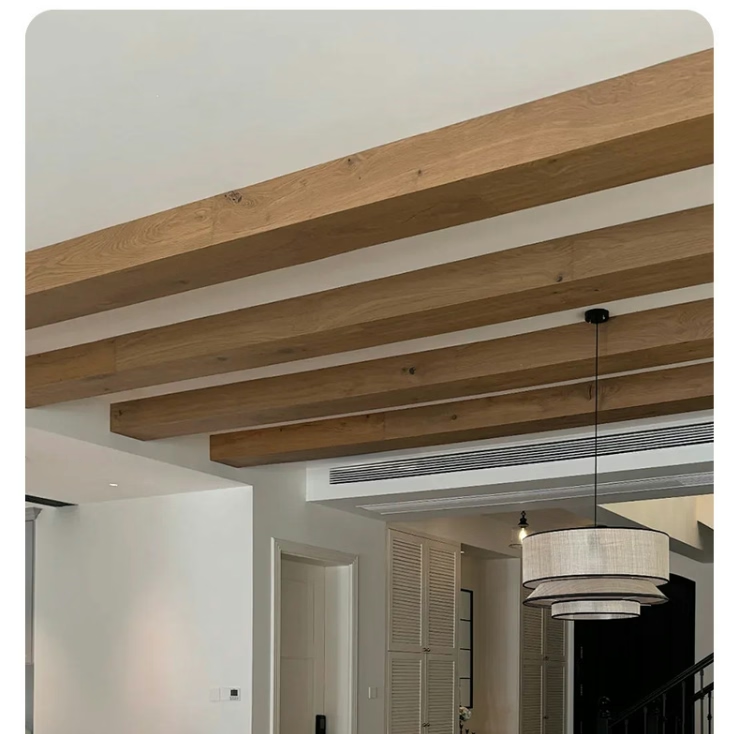
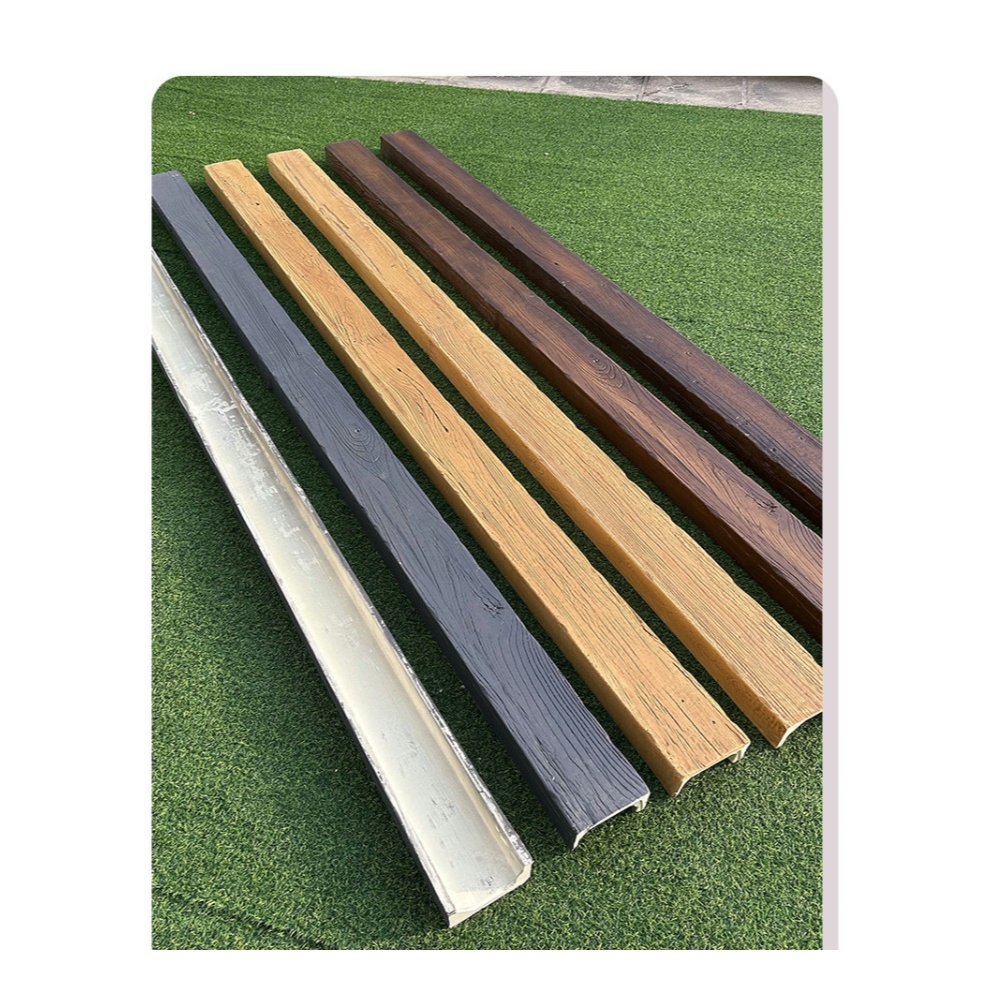
The hollow construction that makes faux wood beams lightweight and manageable also creates vulnerability to structural issues that solid alternatives avoid. Over time, certain conditions cause hollow faux beams to sag—a gradual deflection that becomes visually apparent and eventually problematic. Understanding what causes sagging, whether repair is feasible, and how to execute proper repairs helps property owners address these issues before they progress to the point where replacement becomes necessary.
Understanding Why Hollow Beams Sag
Effective repair requires understanding the mechanisms causing the problem.
Inadequate support spacing creates excessive span between mounting points. Beams designed for specific support spacing may sag when installed with greater spans than designed. The hollow construction cannot resist bending forces across spans beyond its structural capacity.
Mounting hardware failure releases beam sections from secure attachment. When screws pull through material, brackets fail, or adhesive bonds release, the beam loses support at specific points, creating deflection between remaining support locations.
Moisture infiltration weakens material over time. Water entering hollow beams through joints, end grain, or surface damage saturates the polyurethane, degrading its structural properties. Sustained moisture exposure eventually softens the material enough to allow permanent deformation.
Thermal cycling creates stress on mounting systems. Repeated expansion and contraction cycles—particularly in spaces with significant temperature variation—gradually works mounting hardware loose or stresses adhesive bonds.
Diagnostic Assessment
Before beginning repair, thorough assessment determines appropriate solutions.
Deflection pattern analysis reveals where support is failing. Sagging that appears at beam center suggests span excessive for the beam's capacity. Sagging concentrated at one end indicates localized support failure. Even deflection across entire length suggests more systemic mounting problems.
Structural integrity testing checks material condition. Pressing gently on beam surfaces reveals whether material feels solid or shows soft spots indicating moisture damage. Firm deflection that springs back suggests intact material with mounting issues; permanent deformation indicates material damage.
Joint inspection identifies connection failures. Where beam sections join, at corners, and at mounting points, visual inspection reveals whether connections remain secure or have separated. Separated joints often correlate with deflection patterns.
Support Reinforcement Repairs
Reinforcing support addresses many sag issues without removing beams.
Intermediate support addition reduces effective span. Installing additional mounting points between existing supports shortens spans to within beam capacity. This approach works well for beams showing center sag with intact mounting at ends.
Bracket reinforcement strengthens existing mounting points. Where screws have pulled partially through material, adding larger washers, backing plates, or additional mounting points distributes loads more effectively. This approach reinforces without replacing existing hardware.
Adhesive injection at separation points restores bond integrity. Where beams have separated from mounting surfaces, clean adhesive application under pressure can re-establish bonds. This approach requires identifying all separation points and ensuring clean bonding surfaces.

Material Repair for Damaged Sections
When material condition has degraded, direct repair may restore structural integrity.
Foam filling provides internal support for weakened sections. Drilling small access holes and injecting expanding foam into hollow beam interiors adds structural support without visible exterior modification. The foam fills voids and provides internal bracing against further deflection.
Spline reinforcement inserts structural supports within beam cavities. Metal or composite splines inserted into beam interiors provide load-bearing capacity that compromised material cannot provide alone. This approach requires careful sizing and installation to avoid visible effects.
Surface repair addresses cosmetic damage that may accompany structural issues. Where sagging has caused surface cracks or damage, repair compounds fill and smooth these areas, restoring appearance while structural repairs address underlying problems.
Partial Replacement Approaches
Some damage cannot be repaired effectively, requiring partial component replacement.
Section removal and replacement addresses localized failures. Where sagging results from damage at specific locations, removing and replacing affected sections while retaining intact portions minimizes expense and disruption.
Corner joint replacement repairs connection failures without full beam replacement. Corners often fail first due to stress concentration. Replacing corner assemblies while retaining straight beam sections provides cost-effective restoration.
Mounting plate replacement addresses hardware failures at attachment points. Where mounting plates have pulled free from structural framing, replacing these elements with more robust alternatives provides permanent solutions.
Prevention of Future Problems
Addressing current issues should include preventing recurrence.
Moisture management eliminates the primary cause of material degradation. Improving ventilation, addressing water sources, and ensuring beams remain dry prevents moisture-related failures.
Appropriate support spacing prevents span-related deflection. New installations or repairs should verify that support spacing matches beam design specifications. When spacing exceeds specifications, additional supports should install.
Regular inspection catches developing problems before they progress. Annual inspection of beam mounting points, joint conditions, and surface appearance identifies issues while repair remains simple. This maintenance habit prevents small problems becoming major failures.
The key to successful sagging beam repair is accurate diagnosis followed by appropriate intervention. Not every sagged beam requires replacement—many respond well to reinforcement, repair, or partial replacement. Understanding what caused the problem ensures repairs address root causes rather than symptoms, preventing recurrence and extending beam service life.
Technical References
ASTM standards cited in every specification
Test Data
Lab results from internal testing program
Updated 2026
Reviewed against current product specs