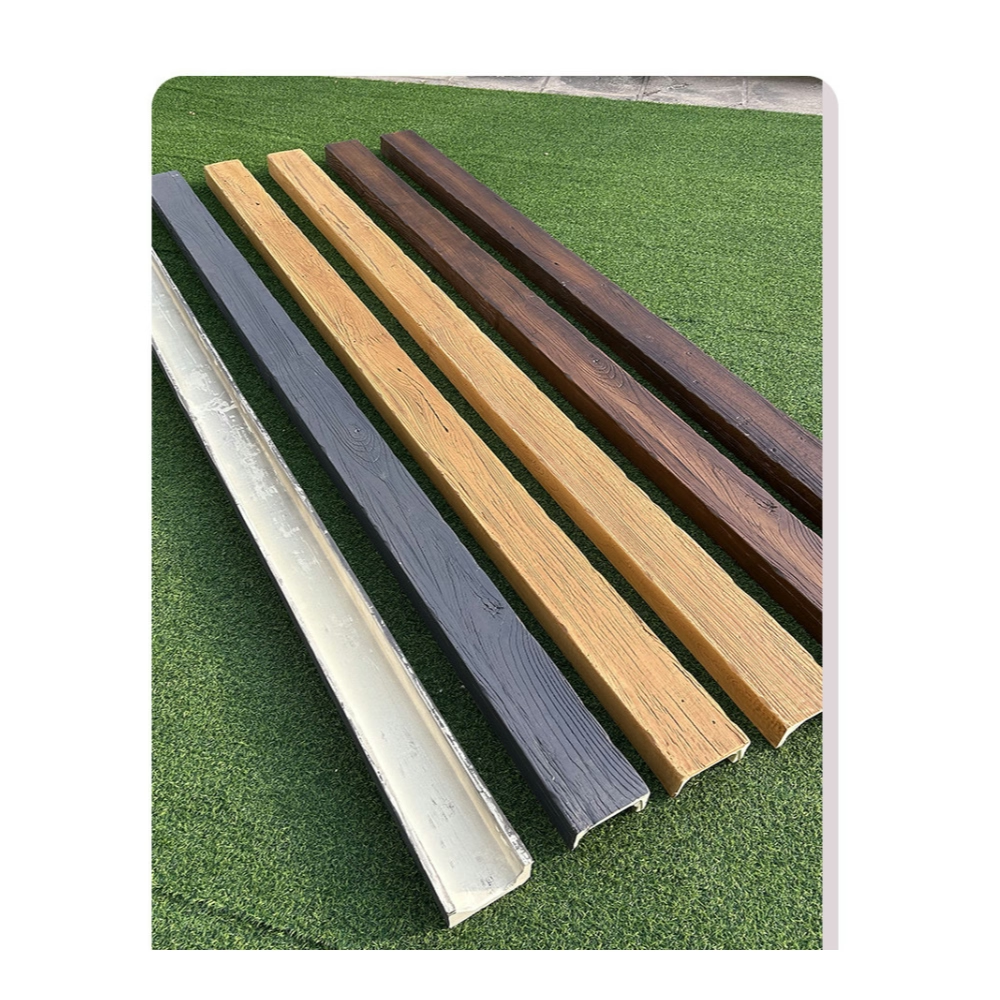
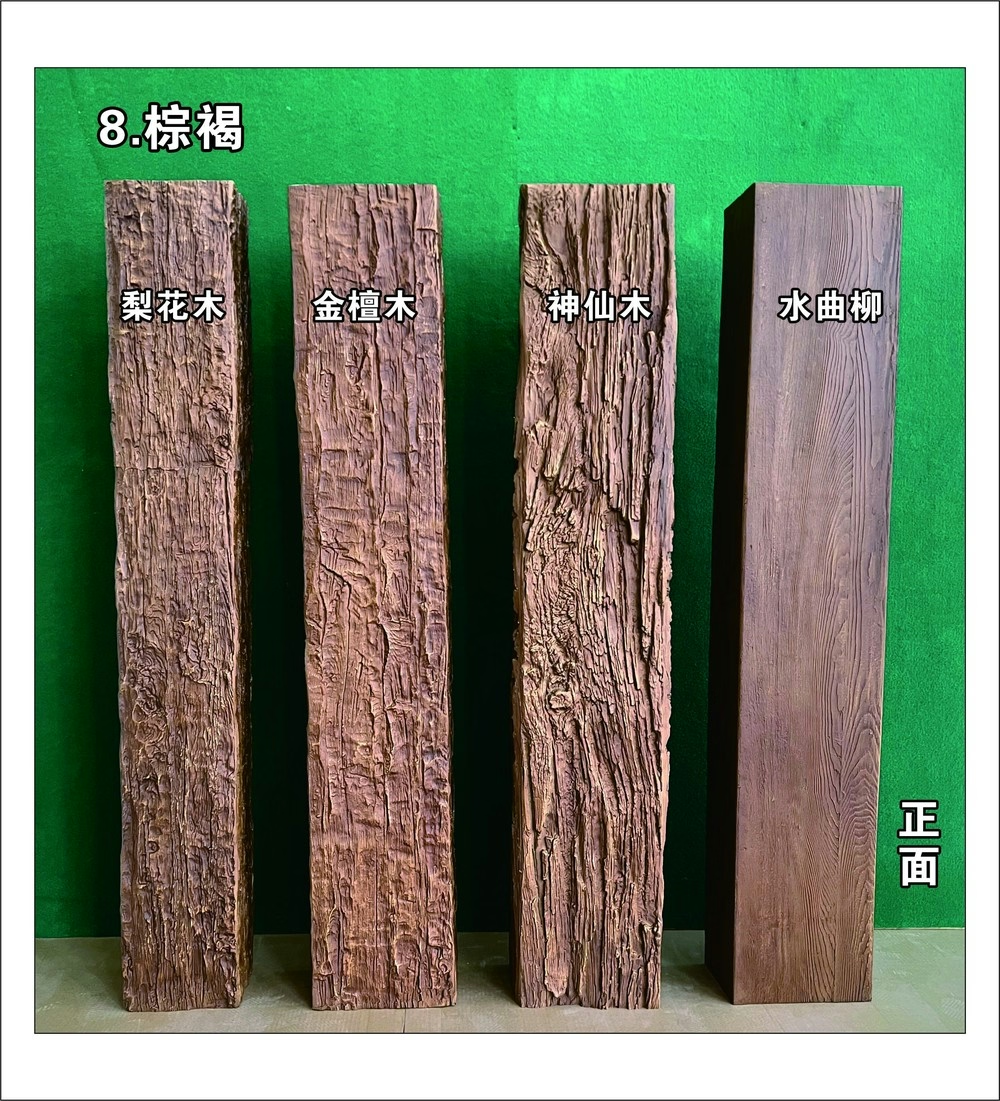
Faux beam installations incorporate various corner components that create finished appearances at intersections, turns, and termination points. These components—often manufactured from polyurethane resin—experience unique stresses during handling, installation, and use. Damage during construction, installation errors, or accidental impact during occupancy sometimes necessitates component replacement. Understanding what replacement options exist, how to obtain appropriate parts, and how to install them properly helps restore installations to proper appearance.
Types of Corner Components
Faux beam systems employ several distinct component types for different applications.
Outside corners create finished appearance where beams turn external corners. These pieces typically feature three visible faces—the two beam surfaces and a returned edge—creating the appearance of solid wood corner construction. Outside corners experience significant handling stress during shipping and installation.
Inside corners finish beam intersections where runs meet at interior angles. These pieces may be simple corner returns or more complex configurations depending on the beam profile and installation approach. Inside corners generally experience less physical stress than outside corners.
End caps provide finished appearance at beam terminations. These pieces create clean endings where beams meet walls, posts, or other terminations without exposed hollow ends. End caps range from simple flat pieces to decorative profiles matching beam styling.
Transition pieces accommodate beam connections where dimensions, profiles, or directions change. These components bridge between different beam styles or create smooth transitions in complex installations.
Common Reasons for Replacement
Understanding why components need replacement guides prevention and appropriate response.
Shipping damage occurs despite protective packaging. Corners extend beyond beam surfaces, making them vulnerable to impact during transport. Even careful handling cannot prevent all damage when hundreds of pieces move through distribution channels.
Installation damage results from handling errors or miscalculation. Corners receive significant handling during installation, creating opportunities for accidental damage. Misunderstanding installation sequence can also cause damage when later steps stress previously installed corners.
On-site modifications sometimes create damage requiring replacement. Cut adjustments for non-standard situations may damage corners or create aesthetic issues requiring replacement pieces. Measuring errors may necessitate new components rather than damaged ones.
Accidental impact during occupancy creates damage after installation. Furniture moving, activities in the space, or unexpected contact can damage installed corners. Having spare components available speeds repair when these incidents occur.
Sourcing Replacement Components
Finding appropriate replacements requires understanding supplier offerings.
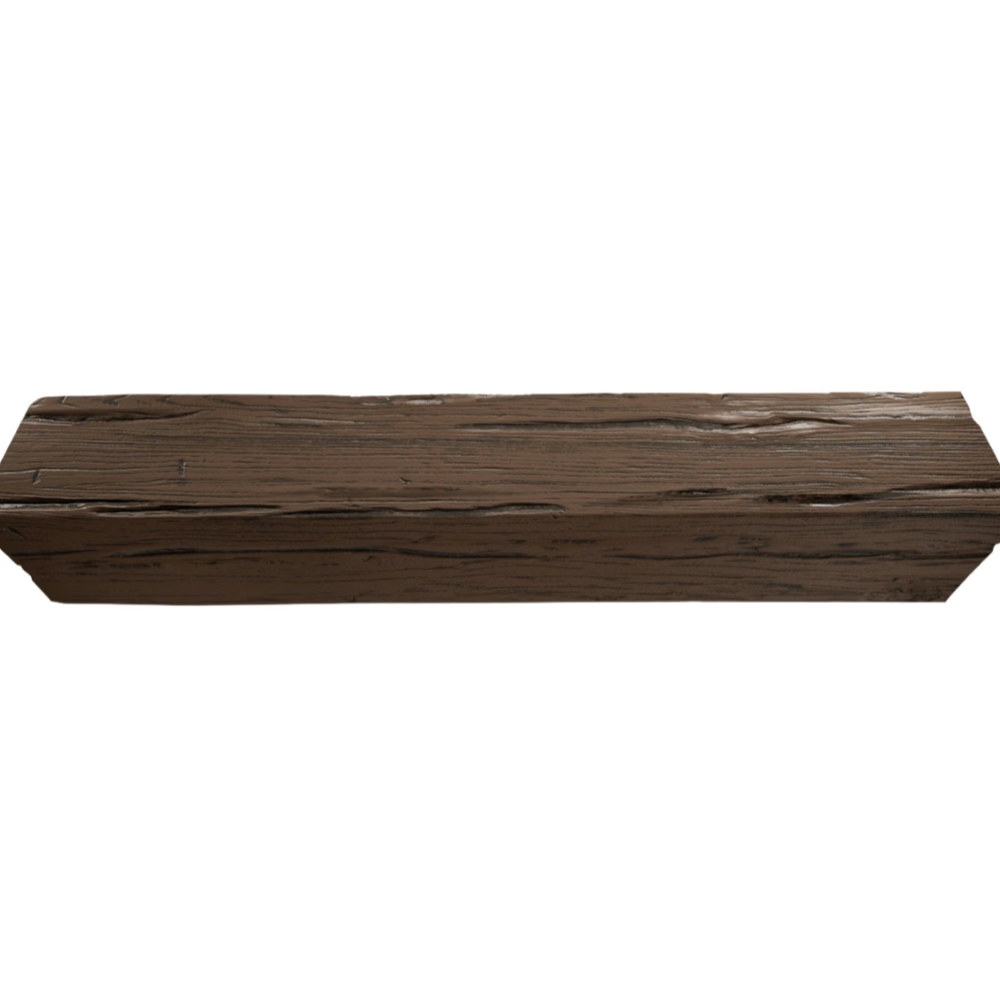
Original manufacturer sourcing often provides exact matches. When original installation materials are documented, contacting the manufacturer directly may yield exact replacement components. Manufacturers often stock common items and can produce custom pieces when necessary.
Distributor inventory may include matching components. Even when original manufacturer cannot supply quickly, distributors sometimes carry compatible components or cross-reference to alternatives. Providing original specifications helps distributors identify potential matches.
Custom production offers solutions when standard items don't fit. Some manufacturers produce custom polyurethane components for applications beyond standard catalog items. Custom production costs more and takes longer but provides exact matches when nothing else works.

Specification Matching for Replacements
Accurate specification ensures replacements match existing installations.
Profile matching requires understanding beam profile designations. Faux beam profiles have industry-standard designations that allow matching across manufacturers. Knowing the profile name or number simplifies replacement identification.
Finish matching ensures color and texture consistency. Replacement components should arrive with finishes matching existing installations. If exact match isn't available, replacement options include unfinished components for on-site finishing or complete re-finishing of existing pieces to match replacements.
Size and angle specifications prevent fit problems. Corner pieces come in various angles—typically 90 degrees for standard corners but varying for non-standard situations. Measuring existing components or installation angles ensures replacements fit properly.
Installation Approaches for Replacement Components
Proper installation ensures replacements integrate seamlessly with existing beams.
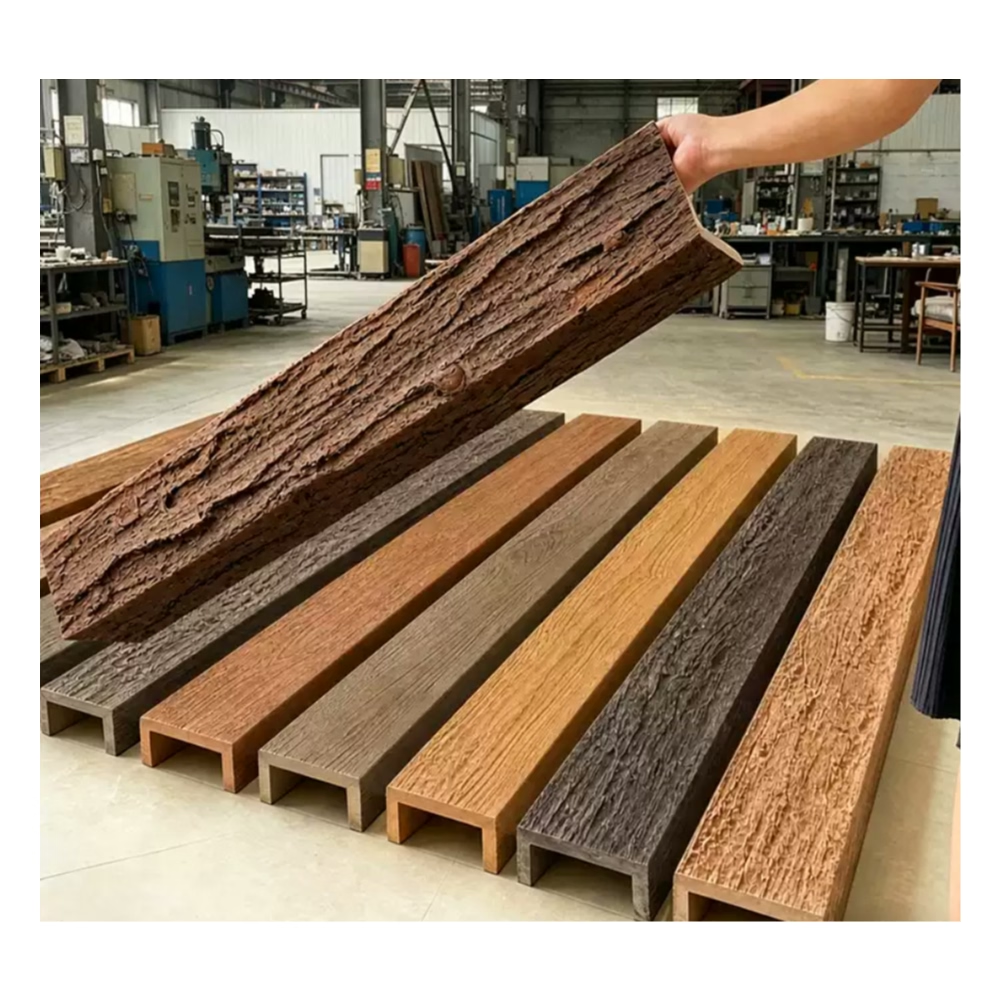
Removal of damaged components without damaging adjacent materials requires careful technique. Scoring adhesive bonds, warming polyurethane slightly for flexibility, and patient separation prevents damage to surrounding surfaces that would create additional repair requirements.
Surface preparation of existing beams ensures proper adhesion. Cleaning mating surfaces, removing old adhesive, and ensuring surfaces are dry and clean provides the best foundation for replacement installation.
Adhesive selection appropriate for polyurethane ensures lasting bonds. Construction adhesive formulated for polyurethane materials provides secure attachment. Following adhesive cure times before stressing joints prevents premature failure.
Preventive Measures
Reducing future replacement needs involves practical precautions.
Extra material ordering during original installation provides ready replacements. Ordering a few extra corners during initial installation costs little and ensures matching spares are available if needed.
Protection during construction prevents damage from subsequent trades. Covering installed beams during painting, drywall work, and other potentially damaging activities protects vulnerable corners from damage during remaining construction.
Careful handling during cleaning and maintenance preserves components. Using soft cleaning materials and avoiding impact during routine maintenance keeps corners intact longer.
Replacement corner components provide cost-effective restoration when damage occurs. Understanding component types, sourcing options, and installation requirements enables efficient repair that restores installations to proper appearance without complete replacement.
Technical References
ASTM standards cited in every specification
Test Data
Lab results from internal testing program
Updated 2026
Reviewed against current product specs