No installation is immune to damage, wear, or the occasional need for adjustment. Even the highest quality faux wood beam systems occasionally require individual replacement parts—whether due to shipping damage that went unnoticed, installation adjustments, or accidental damage during the life of the installation. Understanding what replacement parts are typically available, where to source them, and how to install them properly helps maintain installations economically over their service life.
Common Replacement Part Categories
Faux wood beam systems incorporate several distinct component categories with different replacement considerations.
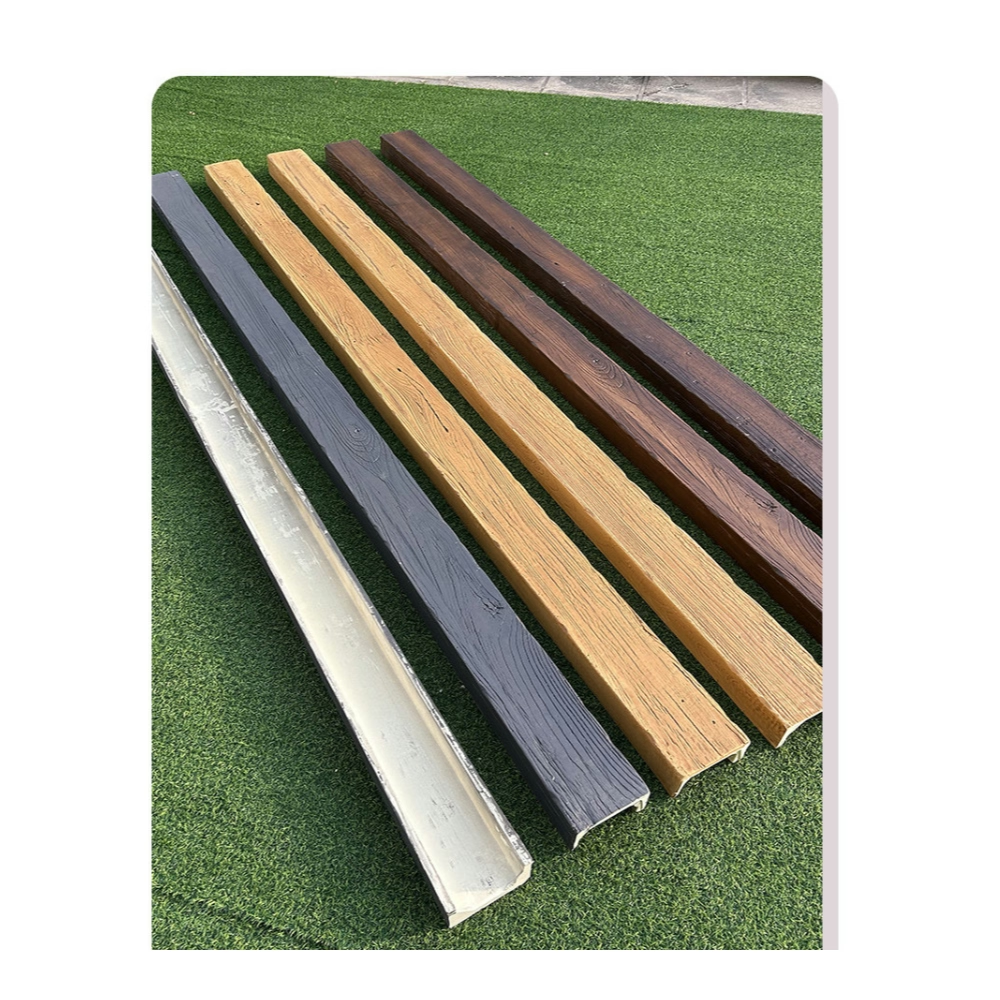
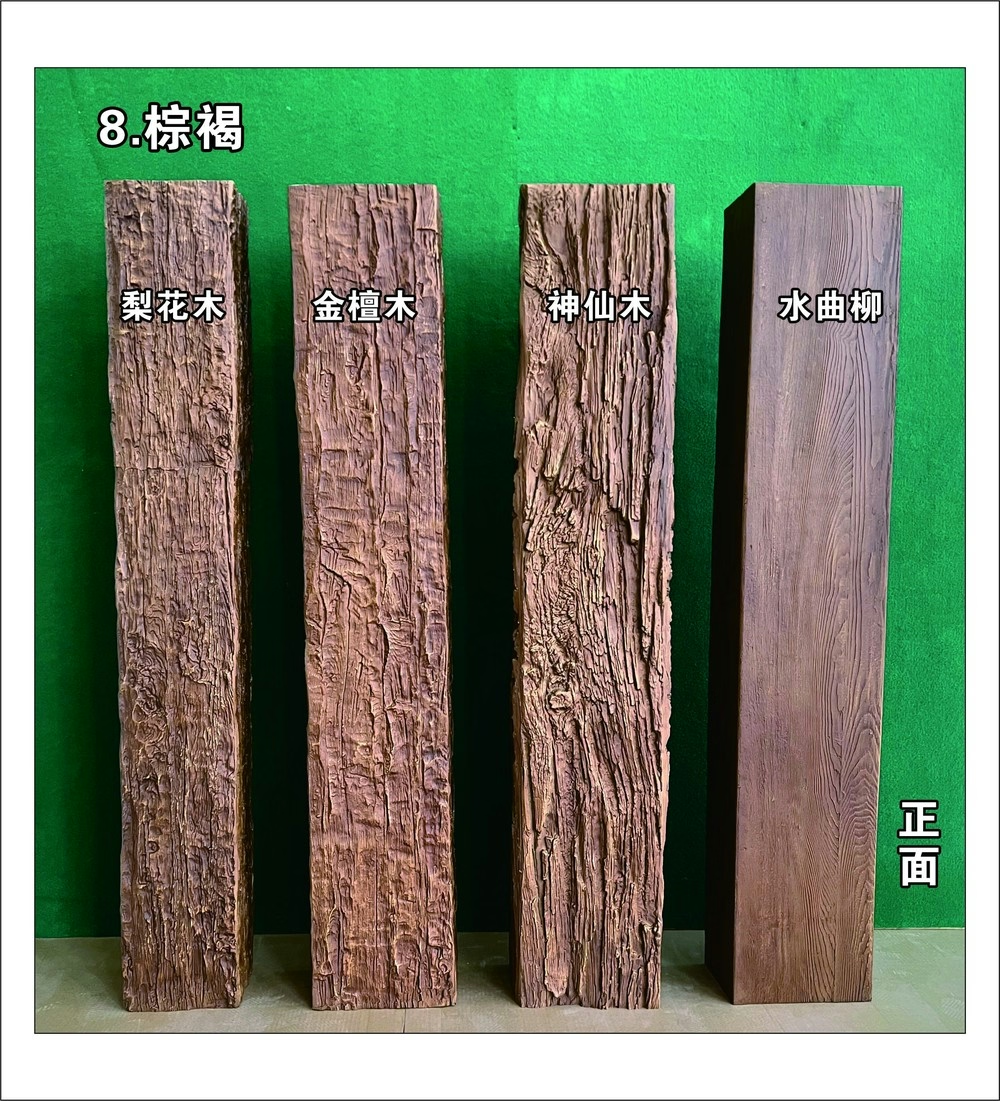
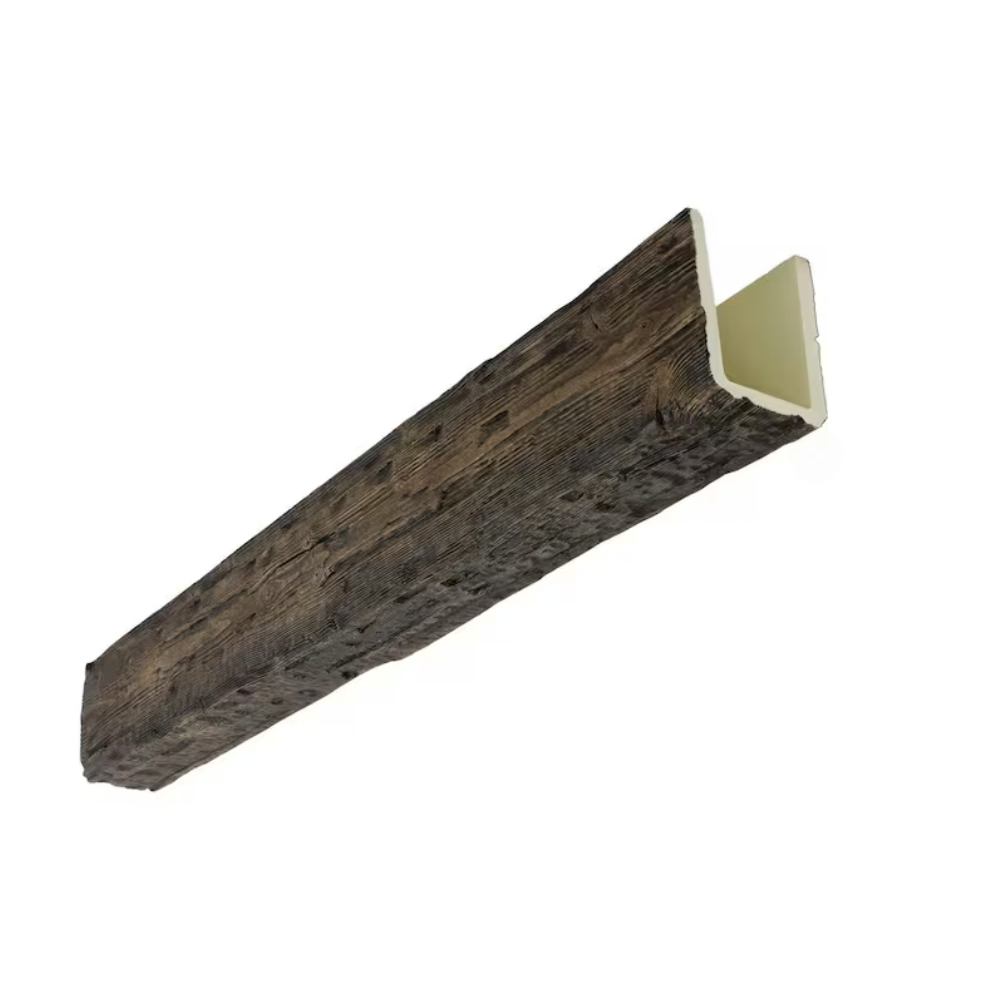
Beam sections form the primary visible elements. While rarely needing complete replacement, damaged beam sections may require removal and replacement when damage is severe. Sourcing individual beam sections rather than complete system replacement provides cost-effective restoration.
Corner components experience the highest damage rates and corresponding replacement frequency. Outside corners, inside corners, and end caps all experience handling stress that occasionally causes damage. These components typically install with adhesive and may be replaceable without disturbing adjacent sections.
Mounting hardware provides structural connection to building structure. Brackets, screws, and specialty fasteners may need replacement due to corrosion, damage, or initial installation with incorrect components. Hardware sourcing should match original specifications for proper function.
Decorative elements include moldings, trim pieces, and other detail components. These pieces may be standardized across product lines or unique to specific systems. Understanding availability helps plan for potential replacement needs.
Mounting Hardware Replacements
Hardware failures compromise installation integrity and require prompt attention.
Structural brackets connect beams to ceiling or wall structure. These components may be hidden behind beams or visible depending on installation design. Replacement brackets should match original specifications for load capacity and appearance.
Specialty fasteners include unique screws, clips, or connectors specific to particular systems. Stocking a few extra fasteners during installation provides immediate availability when replacements are needed. When fasteners fail, sourcing identical replacements prevents compatibility issues.
Support accessories include variables depending on installation design. Rod hangers, chains, decorative brackets, and other specialty elements may be available from original manufacturers or require custom fabrication when replacements are needed.

Finishing Materials for Repairs
Maintaining proper appearance requires appropriate finishing supplies.
Touch-up markers and pens provide color-matched finish repair for minor scratches and chips. Many manufacturers offer touch-up products designed specifically for their beam finishes. Having these products available allows immediate repair of minor damage.
Adhesive products for repair and installation should match original bonding approach. Using incorrect adhesive can cause bond failure, damage to beam surfaces, or other problems. Identifying appropriate products before repairs are needed enables efficient response when issues arise.
Caulking products for seams and joints should match existing finish and perform appropriately. Clear, color-matched, and paintable options serve different applications. Having appropriate caulking available allows seamless finishing of joints and seams.
Sourcing Strategies for Replacement Parts
Finding the right parts requires understanding available sources.
Manufacturer direct sourcing provides exact matches for original components. Contacting manufacturers with original order information often yields identical replacement parts. This approach works best when original documentation is available.
Distributor inventory may include compatible components. Even when exact matches aren't available, distributors familiar with product lines can often identify suitable alternatives or cross-references.
Custom fabrication addresses situations where standard parts aren't available. Urethane casting services can reproduce damaged components from original pieces or specifications. This approach costs more but provides solutions when nothing else works.

Documentation for Future Reference
Maintaining records supports future replacement needs.
Original documentation retention provides reference for future sourcing. Keeping copies of original specifications, manufacturer contact information, and order details simplifies replacement sourcing years after installation.
Photographing installations documents component locations and specifications. Photos showing overall appearance, close-ups of details, and identification of components support accurate replacement ordering.
System documentation helps future service providers understand installations. Providing documentation to subsequent contractors prevents misidentification of components and ensures appropriate service approaches.
Preventive Stocking Recommendations
Strategic spare parts inventory reduces response time for common issues.
Essential spare components worth stocking include extra corners and end caps—the highest damage risk components. Having these items available prevents cosmetic issues from remaining unaddressed while waiting for parts.
Hardware extras beyond initial installation requirements allow for adjustments and replacements. Extra brackets, screws, and specialty fasteners prevent delays when adjustments are needed.
Finishing supplies ensure immediate repair capability. Touch-up markers, matching caulk, and appropriate adhesive enable prompt response to damage without shopping delays.
Building appropriate spare parts inventory during initial installation or shortly after completion costs relatively little but provides significant insurance against future inconvenience. When damage occurs, having the right parts available transforms potentially complicated repairs into simple maintenance tasks.
Technical References
ASTM standards cited in every specification
Test Data
Lab results from internal testing program
Updated 2026
Reviewed against current product specs