The walnut dining table had cost a small fortune at the design showroom, but when placed beneath the ceiling beams, something magical happened. The warm brown tones found their echo overhead, creating a visual conversation between furniture and architecture that made both elements sing. This resonance—between wood tones at different scales and functions—distinguishes thoughtful interior design from simple product installation.
Walnut holds a special position in mid-century wood aesthetics, representing the richer end of the palette that characterized 1950s and 1960s design. Where birch and maple provided lightness, walnut offered depth and sophistication that appealed to clients seeking luxury without ostentation. Understanding walnut's specific characteristics helps designers specify and apply faux walnut beams effectively.
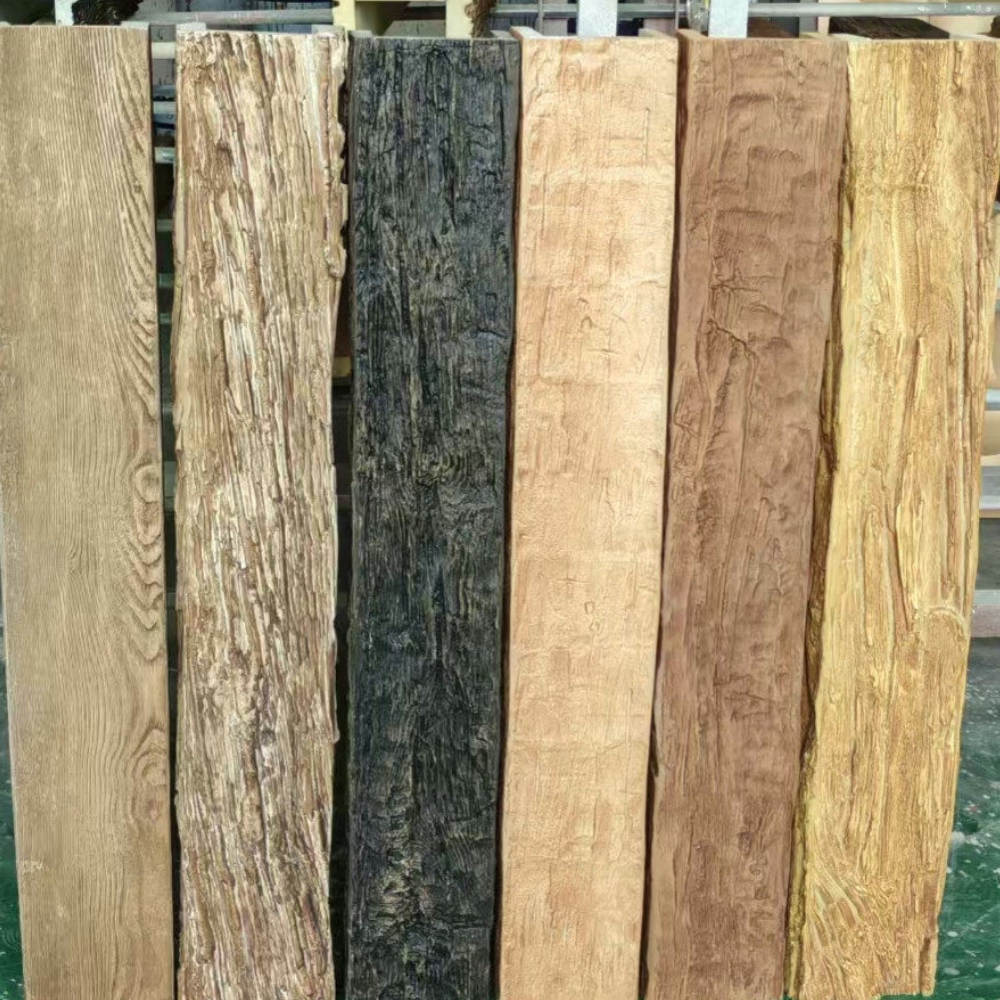
Grain pattern defines walnut's visual identity. Unlike the straight, consistent grain of maple or the prominent figuring of oak, walnut shows subtle wave patterns with occasional swirls where burls or irregular growth created unique figuring. The color transitions from pale sapwood near the bark to rich chocolate brown in the heartwood, creating natural variation that suggests depth and age. Reproduction beams must capture this grain complexity to achieve convincing results.
Finish treatment for walnut beams typically enhanced rather than obscured natural characteristics. Oil finishes that penetrated the wood surface provided protection while maintaining the tactile quality of bare timber. Lacquer and shellac appeared in higher-end applications, adding slight sheen while preserving wood appearance. The goal was always natural elegance rather than artificial coating, suggesting understated luxury through material authenticity.
Light interaction with walnut surfaces creates the visual richness that distinguishes quality examples. The open grain structure absorbs and reflects light differently across the surface, creating subtle color shifts as viewing angles change. Polyurethane faux beams can replicate this effect through careful formulation of surface textures and colors, though the most convincing reproductions often incorporate actual wood flour or dust in the polyurethane mixture to provide genuine grain structure.
Scale considerations for walnut beams follow the mid-century conventions described earlier, with one notable exception. Higher-end applications sometimes used larger walnut beams to emphasize material quality and craftsmanship. A walnut beam in an architect-designed residence announced material investment in ways that more modest species could not. This sizing context helps explain some of the impressive beam dimensions found in preserved mid-century homes.
Integration with walnut furniture requires attention to finish matching. The same walnut species should show similar color and grain characteristics across furniture and architectural elements, creating visual continuity. This matching may require custom finish work on either furniture or beams to achieve precise coordination, though slight variation between pieces often reads as natural rather than problematic.
The environmental ethics of walnut sourcing have become increasingly important considerations. American black walnut grows relatively slowly and faces demand from furniture makers, gunstock manufacturers, and architectural woodworkers. Sustainable forestry practices help maintain supplies, but prices continue rising as demand outpaces production. Polyurethane faux beams eliminate harvesting pressure while delivering equivalent aesthetics, providing environmental benefits alongside practical ones.
Historical walnut beam availability has declined substantially from mid-century levels. Reclaimed walnut beams from demolished structures occasionally appear in specialty markets, but prices reflect both scarcity and demand from restoration projects. Most renovation budgets cannot accommodate genuine period walnut at current market prices, making faux alternatives the practical choice for authentic mid-century aesthetic achievement.
Finish aging in genuine walnut creates effects that reproduction must work to match. The surface darkening that occurs over decades produces richer color saturation than new wood displays. Faux beams can simulate this aged appearance through deliberate finish formulation, creating depth that appears to result from years of patination rather than artificial treatment. This simulated aging distinguishes quality reproductions from budget options.
Maintenance of walnut beams—whether genuine or faux—involves similar principles. Protection from excessive sunlight prevents uneven darkening. Avoidance of harsh cleaners preserves finish integrity. Periodic dust removal maintains appearance without demanding intensive care. The low-maintenance profile of polyurethane beams offers advantages over genuine timber, which may require periodic refinishing to maintain appearance.
Climate considerations affect walnut beam performance differently based on material. Genuine timber expands and contracts with humidity changes, potentially creating gaps or checking in extreme conditions. Polyurethane's dimensional stability eliminates these concerns, maintaining tight joints and consistent appearance regardless of environmental conditions. This stability proves particularly valuable in regions with significant seasonal humidity variation.
The luxury positioning of walnut beams affects specification and marketing approaches. Projects using these products typically involve higher budgets and more sophisticated clients, expecting quality that justifies premium pricing. Manufacturers serving this market segment maintain correspondingly higher quality standards, with tighter tolerances, better finishes, and more attentive customer service than budget-focused competitors.
Design applications for walnut beams extend beyond pure reproduction of mid-century aesthetics. Contemporary interiors often incorporate walnut elements as accent features, using the rich color to anchor lighter color schemes or provide contrast against cooler tones. The versatility of walnut's visual character supports these contemporary applications while maintaining the period associations that contribute to its appeal.
Photography and visualization present challenges with walnut beams that affect both marketing and specification. The color depth that makes walnut attractive in person often photographs as flat or muddy, failing to convey the qualities that impressed viewers. Professional photography for marketing materials benefits from careful lighting setup that reveals rather than flattens walnut grain. Specification clients may need to see physical samples rather than relying on catalog photography.
The timeless quality of walnut aesthetics explains its sustained popularity across design movements. What began as mid-century preference has continued through subsequent decades, with walnut maintaining its position as a premium wood choice across contemporary, transitional, and traditional design contexts. This versatility supports investment in walnut beam installations, confident that aesthetic relevance will endure.
Technical References
ASTM standards cited in every specification
Test Data
Lab results from internal testing program
Updated 2026
Reviewed against current product specs