Traditional homes carry accumulated character that modern construction rarely replicates. The patina of age, the evidence of careful craftsmanship, the weight of family history—these qualities distinguish heritage properties and make them treasured places to live. When updating traditional interiors, the challenge lies in honoring inherited character while introducing elements that serve contemporary needs. Chestnut-toned faux beams offer an ideal solution, providing the warmth and authenticity traditional homes deserve without compromising the architectural integrity that makes them special.
Chestnut Wood in Architectural Tradition
Chestnut wood held an important place in American and European building traditions for generations. In the northeastern United States, American chestnut grew abundantly, providing timber for countless farmhouses, barns, and village buildings before blight devastated the species in the early twentieth century. The wood's straight grain, moderate weight, and rich brown color made it prized for structural and decorative applications alike.
Traditional chestnut featured warm brown tones with subtle gray or olive undertones that deepened beautifully with age. The color palette ranged from pale tan in younger wood to rich chocolate brown in mature specimens, providing natural variety that added visual interest to architectural installations. These warm, earthy tones created the cozy interiors that traditional homes are known for.
Contemporary faux beams in chestnut tones capture this traditional aesthetic while providing performance characteristics that natural chestnut cannot match. The polyurethane material reproduces wood grain and color variation with remarkable accuracy, creating beams that honor chestnut's heritage while overcoming its practical limitations.
Complementing Traditional Architecture
Traditional homes feature architectural details that reflect the eras and styles in which they were built. Victorian homes showcase decorative trim and complex rooflines; Colonial homes emphasize symmetry and proportion; Craftsman homes display exposed joinery and built-in furniture. Successful beam installation respects these inherited elements rather than competing with them.
Victorian interiors often feature elaborate ceiling medallions, crown moldings, and plasterwork that deserve attention. Select beam styles that complement rather than overwhelm these details—perhaps lighter chestnut tones and simpler profiles that don't compete with existing ornamentation. The beams add warmth without diminishing the Victorian decorative tradition.
Colonial and Georgian interiors favor clean lines and proportional balance. Beam installations in these homes should mirror this restraint, using consistent spacing and appropriate scale. The beams provide warmth while maintaining the architectural composure that defines traditional classical style.
Craftsman homes, with their emphasis on natural materials and honest construction, welcome chestnut beams enthusiastically. These styles evolved alongside the Arts and Crafts movement, which celebrated wood as a primary finishing material. Matching beam tones to existing Craftsman woodwork creates cohesive interiors that honor the original design philosophy.

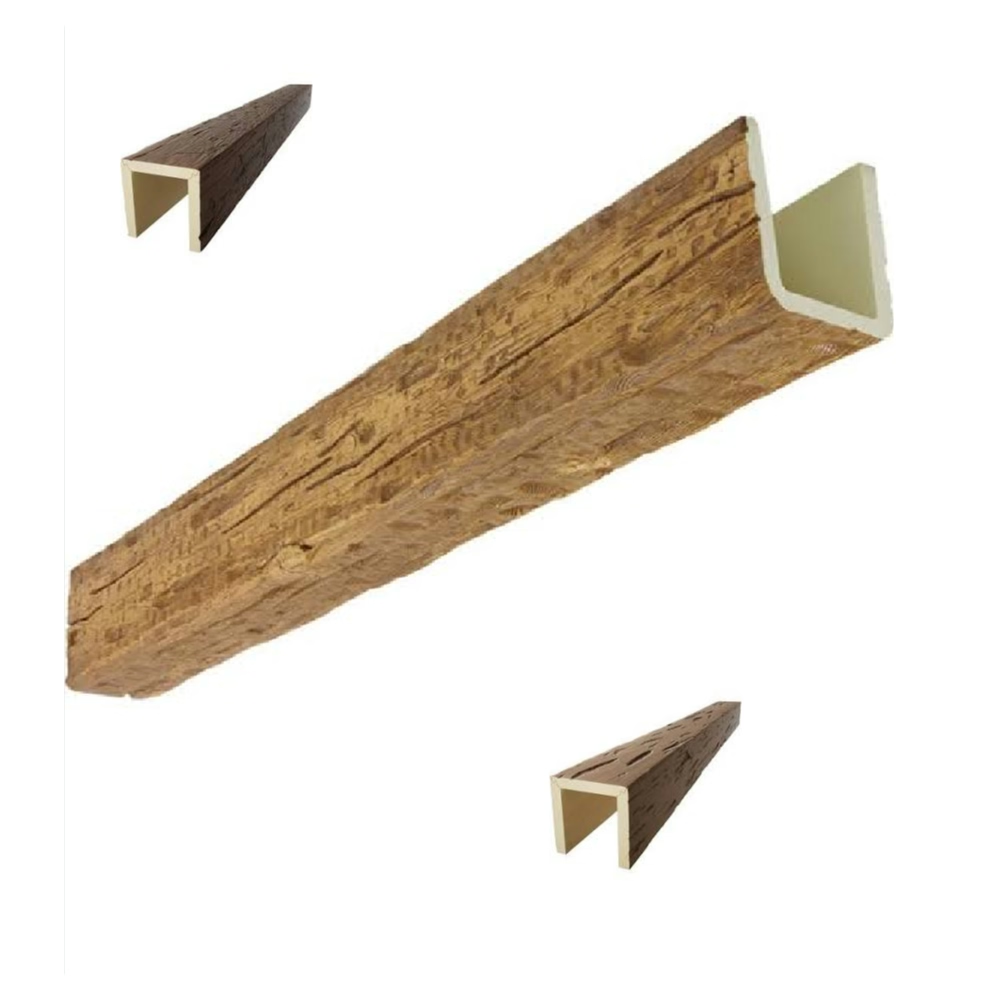
Creating Cozy Traditional Atmosphere
The term cozy encompasses more than mere warmth—it describes an accumulated feeling of comfort, safety, and belonging. Traditional homes often achieve coziness naturally through their age, character, and accumulated history. Newer additions like ceiling beams should enhance rather than create this atmosphere.
Chestnut beams contribute coziness through both color and texture. The warm brown tones echo autumn forests and crackling fires, triggering comfort associations that transcend conscious thought. Textural variation in beam surfaces adds visual interest that prevents ceilings from feeling flat or institutional.
Proportion affects cozy perception significantly. Beams that are too small disappear into ceilings without contributing atmosphere; beams too large overwhelm spaces and create discomfort rather than coziness. The ideal chestnut beam scale makes spaces feel contained and sheltered—exactly the qualities that traditional homes should provide.
Layering enhances the cozy effect beyond beam installation alone. Complement beams with traditional textiles—wool blankets, woven rugs, quilted bedspreads—that add softness and warmth at human scale. Furniture in leather, velvet, or quality upholstery provides comfort that invites settling in and staying awhile.
Traditional Color Palettes with Chestnut Beams
Chestnut beams coordinate beautifully with traditional color schemes that prioritize warmth and comfort. Understanding these relationships helps create cohesive interiors that feel both designed and lived-in.
Cream and ivory backgrounds provide classic contrast for chestnut beams. These soft whites prevent the darker beams from feeling heavy while maintaining traditional elegance. The combination has appeared in country homes across centuries, proving its timeless appeal.
Sage green and dusty blue offer traditional alternatives to white backgrounds. These colors echo natural settings—the countryside, afternoon skies, rolling hills—that traditional homes often aim to evoke. Paired with warm chestnut beams, they create relaxed atmospheres appropriate for comfortable family living.
Warm reds, mustard yellows, and burnt orange appear in traditional interiors through upholstery, wallpaper patterns, and accent colors. These bold choices work best when balanced by chestnut beams overhead, which provide grounding warmth that prevents bold colors from becoming overwhelming.
Navy blue and charcoal gray, while perhaps more contemporary, pair surprisingly well with chestnut beams in updated traditional contexts. These deeper neutrals create sophisticated atmospheres that honor traditional warmth while embracing modern restraint.

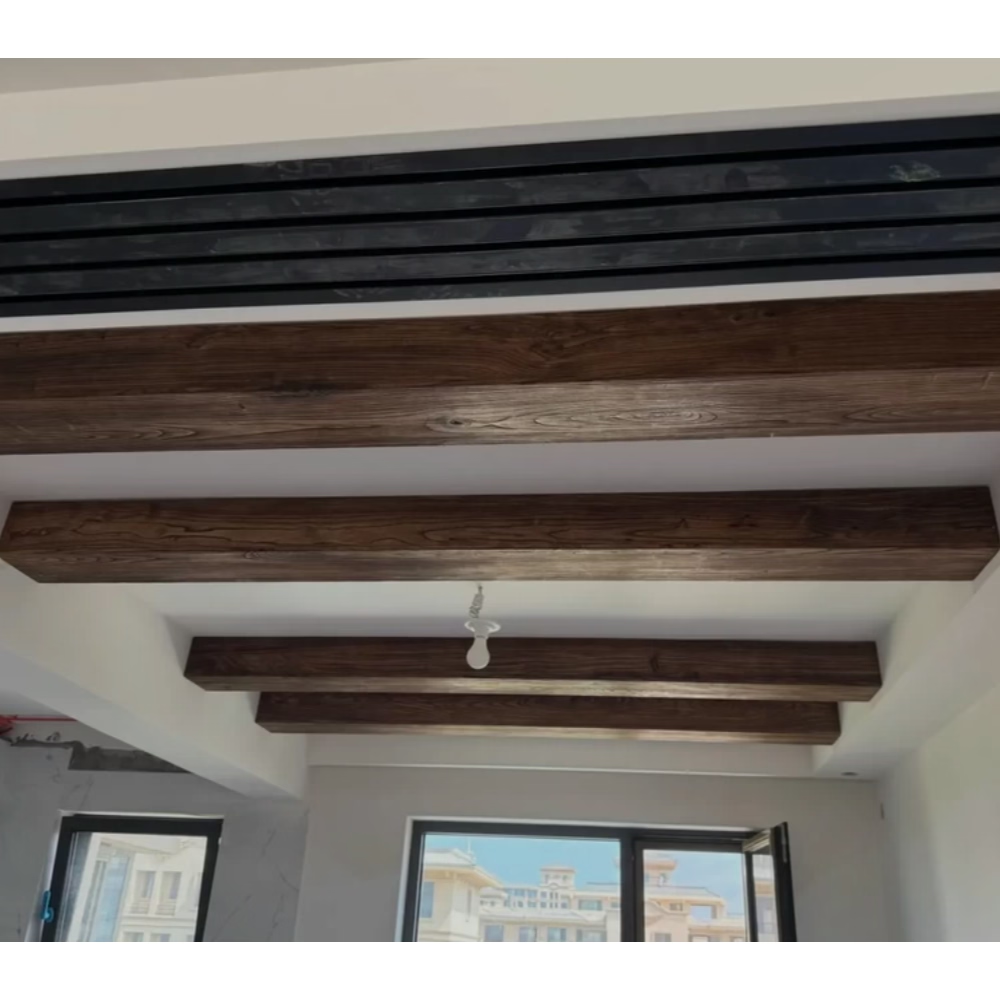
Authentic Details for Traditional Feel
Beyond beam selection, authentic traditional interiors require attention to details that reinforce the heritage aesthetic. These finishing elements transform beam installation from isolated improvement into comprehensive design upgrade.
Traditional moldings and trim work should coordinate with beam installations. Consider adding crown molding where walls meet ceilings, creating a transition that makes beam installations feel intentional rather than added-on. Base molding, door casings, and window trim in complementary finishes complete traditional appearances.
Fireplace treatments in traditional homes often feature wood mantels, stone or brick surrounds, and detailed tile or brick work. These elements should complement rather than compete with ceiling beams. If fireplace wood matches beam tones, the consistency creates visual harmony; if they differ, ensure contrast remains comfortable rather than jarring.
Hardware throughout traditional homes should reflect heritage aesthetics. Door hardware, light switch plates, and decorative accessories in brass, bronze, or antique finishes echo the warmth of chestnut beams while reinforcing traditional style.
Window treatments traditional homes often feature shutters, heavy draperies, or layered fabric panels. These elements add softness and help control light while complementing beam-installed ceilings. Natural fiber curtains in warm tones complete traditional appearances beautifully.
Practical Considerations for Heritage Properties
Traditional homes often present unique challenges that affect renovation decisions. Understanding these challenges helps ensure beam installations succeed without compromising architectural integrity.
Original construction techniques may affect beam mounting options. Older homes frequently feature solid wood joists or unique ceiling structures that require modified installation approaches. Assess your ceiling structure carefully before purchasing beams, ensuring compatibility with mounting requirements.
Weight considerations prove less problematic with faux beams than real timber, but heritage properties with questionable structural integrity still benefit from minimal additional load. Faux beams weigh a fraction of natural wood, making them suitable for structures that couldn't support genuine timber.
Historical preservation considerations may affect decisions in designated heritage properties. Consult with preservation authorities before making modifications, even decorative ones, to ensure compliance with relevant regulations. Faux beams often receive approval because they don't damage original structures, but individual circumstances vary.
Maintaining Traditional Character Over Time
Traditional homes should improve with age, developing character that new construction cannot replicate. Faux beams support this aging gracefully through their inherent durability.
Unlike real wood that requires ongoing maintenance to preserve appearance, faux beams maintain their chestnut finish indefinitely. They won't fade, crack, or develop the uneven patina that real wood accumulates. This consistency ensures your traditional interiors remain exactly as designed for decades.
The surrounding elements of traditional interiors may change over time—new furniture acquisitions, evolving color preferences, shifting design influences. Chestnut beams provide stable anchors that accommodate these changes while maintaining traditional warmth. They become constants that bridge design transitions.
By choosing rich chestnut faux beams for your traditional home, you invest in ceiling treatments that honor heritage while serving contemporary needs. These beams connect your home to centuries of architectural tradition while providing the comfortable, cozy atmosphere that makes traditional living so appealing.
Honor your traditional home with rich chestnut faux beams designed to complement heritage architecture. Contact us to explore beam options that bring cozy warmth to your cherished spaces.
Technical References
ASTM standards cited in every specification
Test Data
Lab results from internal testing program
Updated 2026
Reviewed against current product specs


