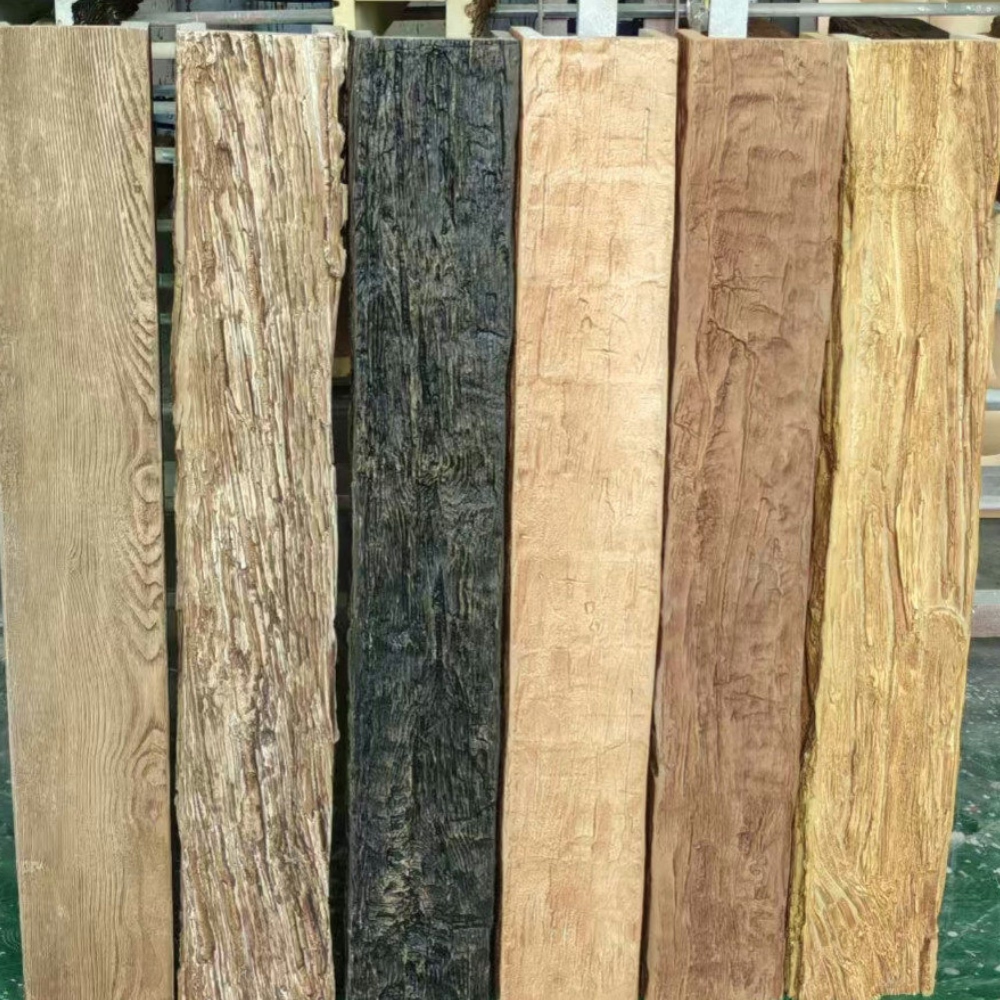
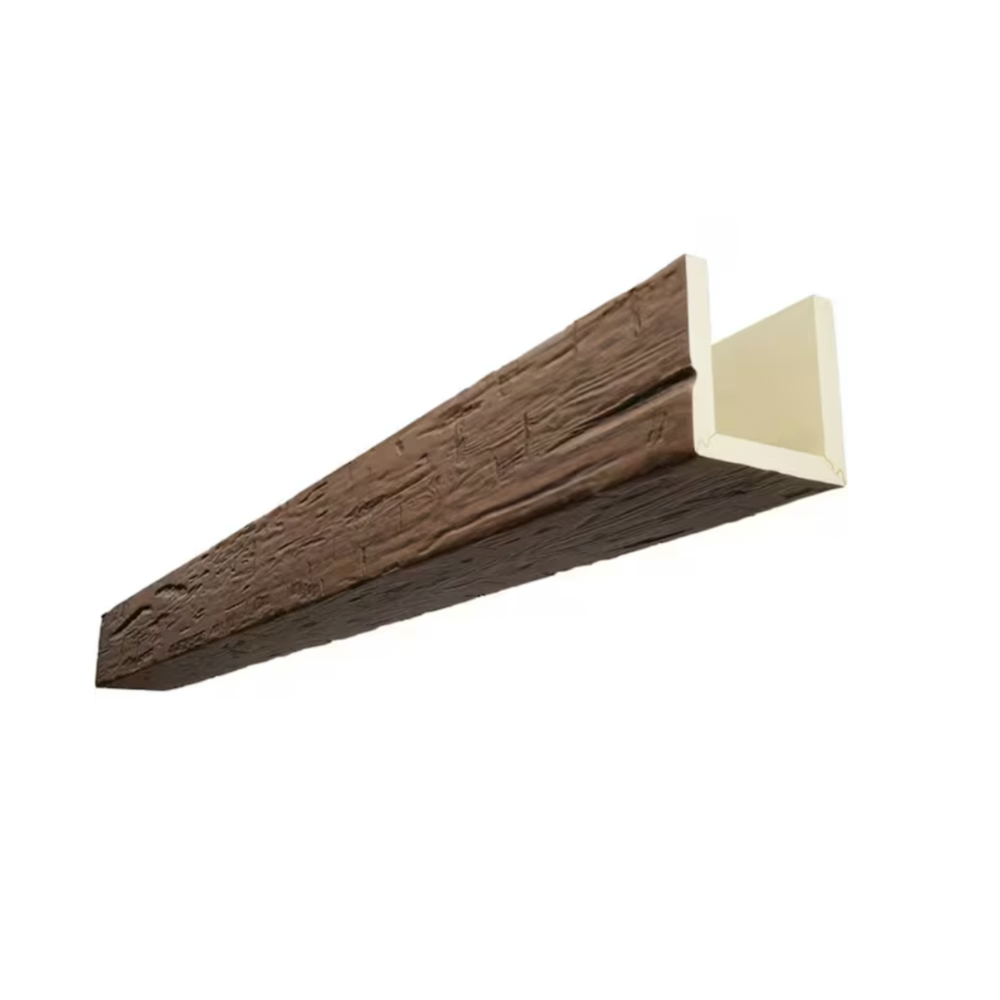
Walnut has occupied the pinnacle of fine wood aesthetics for centuries, prized by furniture makers, cabinetmakers, and architects for its rich coloring, elegant grain patterns, and the way it takes finish while remaining workable. The wood's natural beauty only improves with age, developing deeper tones and more complex character as decades pass. Rich walnut finish polyurethane faux timber brings this prestigious aesthetic to contemporary renovation projects, enabling spaces to achieve premium appearance without the cost and complexity that authentic walnut beams would introduce.
The specific coloring of walnut—deep chocolate brown with subtle purple undertones that warm to honey gold at edges and lighter zones—creates visual richness that distinguishes it from other dark hardwoods. This chromatic complexity translates beautifully into polyurethane, where color technology can replicate the subtle undertones that make walnut distinctive. The resulting beams carry the visual sophistication that justifies walnut's premium positioning in the wood hierarchy.
Warm interior renovation seeks to create spaces that feel genuinely hospitable rather than merely presentable. Temperature, texture, and tone all contribute to this impression, with wood playing a central role in achieving warmth that synthetic materials struggle to match. Walnut finish beams contribute premium wood aesthetics that immediately signal quality and care, setting tone for entire renovation projects that subsequent decisions can reinforce.
Renovation projects often present challenges that new construction does not—existing structures that must be accommodated, limited load capacity, and the need to integrate new elements with established architecture. Polyurethane beams address these challenges through their light weight and consistent dimensions. The dramatic weight reduction compared to authentic walnut—often exceeding ninety percent—makes beams viable in contexts where genuine walnut would be structurally impossible.
The grain patterns characteristic of walnut create visual interest that rewards extended observation. Unlike more uniform wood species, walnut exhibits subtle figure patterns, occasional swirls, and the kind of natural variation that makes each piece unique. Quality polyurethane beams replicate these characteristics through sophisticated embossing and differential coloring, producing surfaces that capture walnut's visual complexity rather than presenting generic dark wood.

Premium interior renovation projects demand premium materials throughout, and beam specifications should reflect this overall quality level. Entry-level polyurethane may provide acceptable appearance for basic applications, but projects seeking genuine premium results require corresponding quality in beam selection. The price differential between quality tiers typically reflects genuine differences in surface technology, color application, and appearance durability that affect final results.
The interaction between walnut beams and natural light creates effects that evolve throughout the day. Morning light brings forward the warmer golden undertones; afternoon light emphasizes the deeper chocolate base; evening lighting creates intimate warmth that supports the walnut's rich character. This chromatic responsiveness prevents static appearance, instead creating surfaces that feel alive with subtle change.
Integration with existing walnut elements in renovation spaces requires attention to tonal relationships. Floors, furniture, or trim work in natural walnut provide opportunities for tonal harmony that reinforces premium positioning. Alternatively, beams in walnut finish can introduce the walnut aesthetic into spaces where it did not previously exist, elevating overall quality perception through overhead presence. Both approaches succeed when executed with understanding of color relationships.
Commercial renovation projects benefit from walnut finish beams' combination of premium appearance and practical performance. Office renovations seeking to communicate success and stability, retail spaces designed for luxury positioning, and hospitality venues aiming for refined atmosphere all find walnut beams appropriate to their goals. The material's durability handles commercial use conditions without premium maintenance requirements.
Residential renovation applications for walnut beams include great rooms, living rooms, dining rooms, and master suites where premium aesthetics enhance the primary living spaces. These rooms often feature high ceilings and substantial square footage that benefits from architectural treatment. Beams provide this treatment, creating visual weight that makes large spaces feel appropriately scaled and considered rather than merely spacious.
Maintenance requirements for quality polyurethane walnut beams are minimal compared to authentic walnut alternatives. No periodic refinishing, no special cleaning products, no concerns about moisture damage or insect attack. Regular dusting and occasional cleaning with standard products maintains appearance indefinitely. This simplicity appeals to renovation clients who want beautiful results without ongoing maintenance commitment.
The environmental dimension of walnut finish beam selection has evolved as sustainability concerns influence material choices. While authentic walnut from responsibly managed forests represents a renewable option, supply constraints and verification challenges make sustainability claims difficult to substantiate. Polyurethane beams offer complete lifecycle transparency, and their extended service life reduces the frequency of replacement and associated environmental costs.
Finish quality in polyurethane walnut beams affects both appearance and durability. Premium products feature finishes that resist scratching, staining, and UV degradation while maintaining authentic matte or satin appearance. Lower quality alternatives may appear acceptable initially but show wear patterns that undermine premium positioning. Understanding finish quality differences guides purchasing decisions that affect long-term satisfaction.
Renovation projects benefit from the design flexibility that polyurethane beam specification provides. Custom dimensions, unusual profiles, and specialized finishes can often be produced to order, enabling design visions that inventory products cannot realize. This capability makes polyurethane viable for challenging renovation contexts where standard sizes would not accommodate existing conditions or design requirements.
Technical References
ASTM standards cited in every specification
Test Data
Lab results from internal testing program
Updated 2026
Reviewed against current product specs