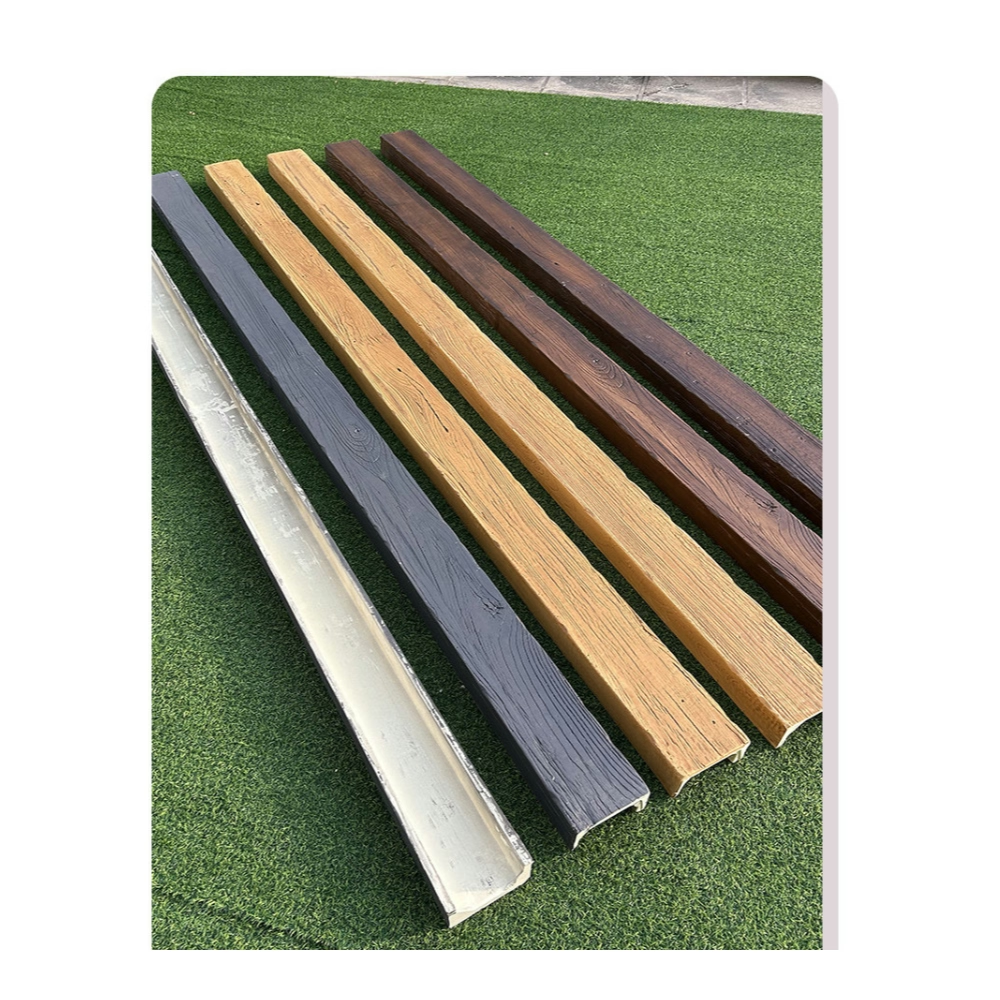
Structural beams serve essential building functions but often fail to contribute positively to interior aesthetics. Exposed steel beams, laminated timber joists, and concrete girders may satisfy engineering requirements while creating visual liabilities that compromise interior design quality. Rigid 3-sided polyurethane resin faux timber beam sleeves address this common challenge, providing complete structural beam coverage that transforms utilitarian elements into attractive architectural features without compromising structural function.
The 3-sided configuration represents an elegant solution to the practical challenge of covering existing beams. Three-sided sleeves—essentially hollow beam-shaped forms with open backs—can be installed over existing structural elements without requiring disconnection of electrical, plumbing, or HVAC systems that may be attached to beam surfaces. This installation flexibility makes beam sleeves viable in contexts where full-beam replacement would be impossible or prohibitively expensive.
The rigid construction of quality polyurethane resin beam sleeves provides the substantial feel that authentic timber beams possess. Unlike flexible coverings that may sag, wrinkle, or appear insubstantial, rigid sleeves maintain their form indefinitely, creating the visual weight that makes beam transformations convincing. This rigidity also simplifies installation by providing consistent dimensions that accommodate reliably to existing conditions.
Beam sleeve selection should begin with accurate measurement of existing structural elements. The sleeve must be large enough to fit over the beam completely while leaving appropriate clearance for installation and any systems attached to beam surfaces. Manufacturers typically offer standard sizes suitable for common beam dimensions, with custom production available for unusual specifications. Providing detailed measurements when ordering ensures appropriate fit.

The hollow construction of beam sleeves creates opportunities for integrated features that solid beams cannot accommodate. Lighting channels, speaker mounting locations, and structural attachment points for ceiling-mounted elements can be incorporated into sleeve design, adding functionality while maintaining clean appearance. These integrations require coordination during specification but enable solutions that would be impossible with solid beam alternatives.
Installation procedures for 3-sided beam sleeves involve securing the sleeve to existing structural elements through mechanical fastening and adhesive bonding. The sleeve is positioned over the existing beam, adjusted for alignment and appearance, then secured using screws through predrilled holes that connect to the underlying structure. Construction adhesive applied between sleeve and beam provides additional stability while accommodating minor surface irregularities.
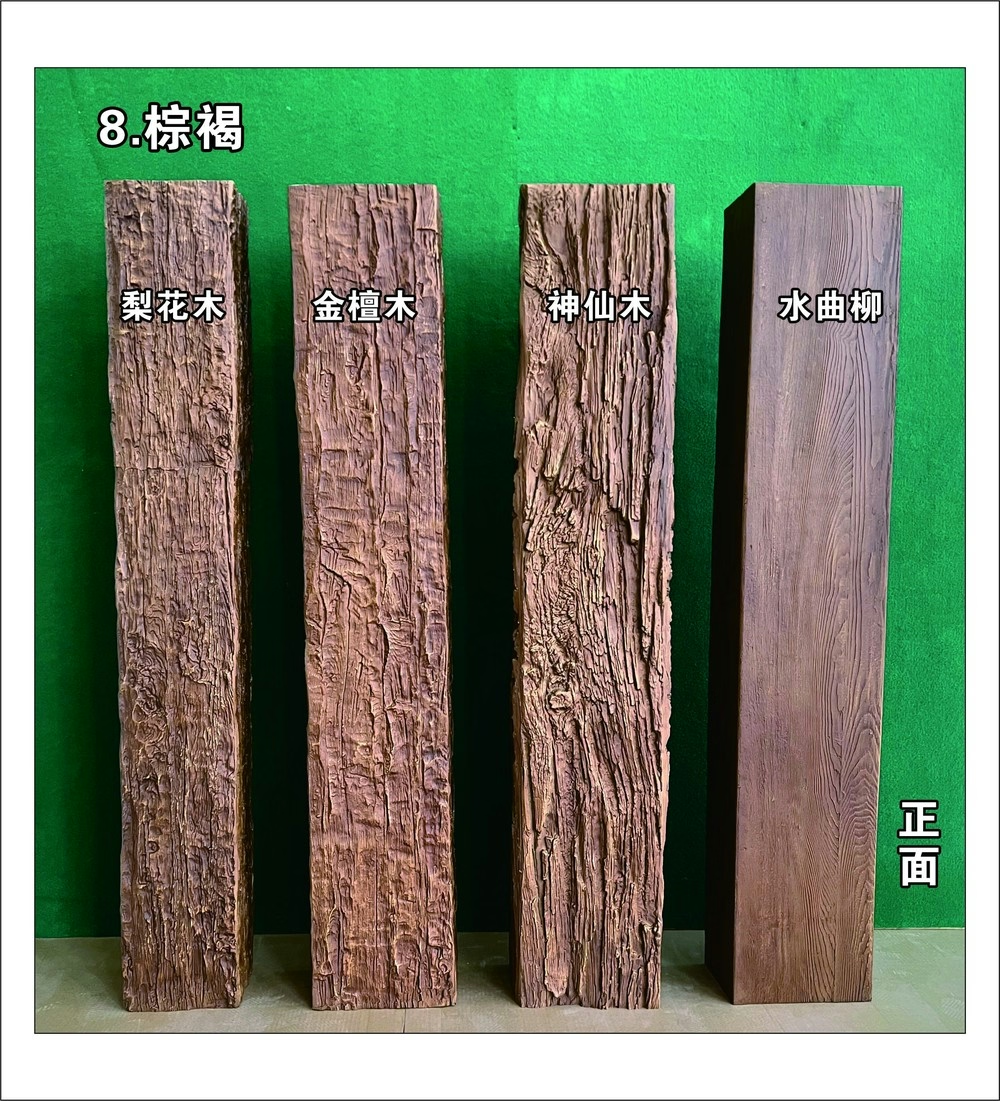
Finish matching between beam sleeves and other wood elements in the space requires attention during specification. While sleeves are available in various wood tones and textures, the specific appearance should coordinate with floors, furniture, and trim work to create cohesive overall appearance. Requesting samples and evaluating them in actual space conditions prevents mismatches that would be apparent once installation is complete.
The weight of rigid beam sleeves, while significantly less than solid timber alternatives, still requires appropriate support during installation. Two-person installation teams are typically required for ceiling-height installations, with scaffolding or lifts providing access for elevated beams. Planning for these logistics during project scheduling prevents complications during installation.
Thermal expansion considerations affect beam sleeve installation in spaces with significant temperature variation. While polyurethane expands and contracts less than wood with temperature changes, large sleeve installations should include expansion joints or flexible connections that prevent binding or buckling if extreme temperature changes occur. Manufacturer guidelines typically address these requirements based on installation location and local climate conditions.
Maintenance for polyurethane beam sleeves mirrors other polyurethane beam products—regular dusting and occasional cleaning with appropriate products maintains appearance without special treatment. The seamless construction of quality sleeves prevents the accumulation of debris in joints or gaps, simplifying cleaning compared to multi-piece installations that may develop separation over time.
Structural assessment should precede beam sleeve installation to ensure existing beams can support any additional weight the sleeves add. While polyurethane sleeves weigh substantially less than equivalent timber sleeves, the cumulative weight of multiple sleeves across a ceiling may still affect structural calculations. Consultation with structural engineers ensures that sleeve installation does not compromise building safety.
The aesthetic transformation that beam sleeves provide often exceeds expectations based on before-and-after comparison. Spaces with exposed utilitarian beams that seemed permanently compromised by structural requirements become coherent design environments through sleeve installation. The transformation frequently surprises even those familiar with the space, demonstrating how significant architectural treatment can be achieved through surface modification rather than structural intervention.
Cost comparisons between beam sleeves and alternative approaches—solid faux beams, authentic timber, or complete beam replacement—typically favor sleeves for covering existing structures. The material cost is less than solid alternatives, and the installation cost is significantly less than replacement approaches that require disconnecting and reconnecting building systems. This economic advantage makes beam sleeves the practical choice for structural beam coverage in most contexts.
Technical References
ASTM standards cited in every specification
Test Data
Lab results from internal testing program
Updated 2026
Reviewed against current product specs