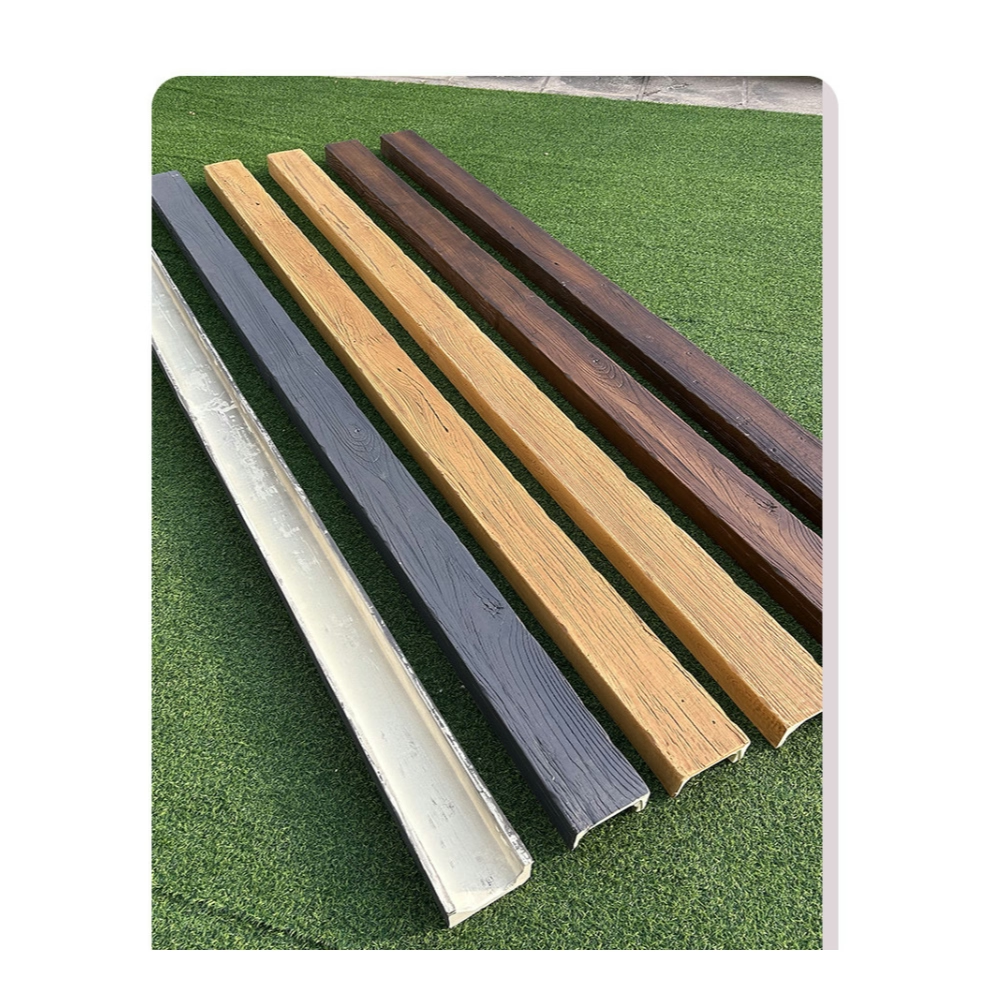
Exposed steel structural beams represent a common architectural feature in contemporary construction, from commercial buildings with visible steel frames to residential renovations that expose original structural elements. While engineering efficiency makes steel ideal for structural applications, the cold industrial appearance often conflicts with interior design goals that seek warmth and character. Rigid 3-sided polyurethane resin faux timber sleeves solve this problem elegantly, covering steel beams with warm wood appearance without requiring structural modification or system disconnection.
Steel beams present specific challenges that 3-sided sleeve design accommodates. The open-back configuration allows installation over beams without requiring removal of attached systems—sprinkler pipes, electrical conduits, HVAC ductwork, and other building services that often run along beam surfaces. This installation flexibility makes sleeve application viable in fully operational buildings where system shutdown would be impractical or impossible.
The thermal conductivity of steel creates condensation concerns in some environments that sleeve installation can address. Steel beams cold enough to cause condensation can create dripping, staining, and moisture damage in spaces below. Polyurethane sleeve installation provides thermal insulation that raises beam surface temperature, reducing condensation risk while maintaining aesthetic improvement. This dual benefit makes sleeves valuable in environments where temperature differentials create moisture concerns.
Selection of appropriate sleeve dimensions requires careful measurement of existing steel beams. Standard I-beam and W-beam shapes have well-documented dimension ranges that manufacturers accommodate through standard product lines. Unusual beam profiles or dimensions may require custom production, which typically involves longer lead times and higher costs but enables solutions for challenging specifications.

The attachment method for steel beam sleeves differs from wood beam applications due to steel's different surface characteristics. Mechanical fastening into steel requires appropriate hardware—self-tapping screws or drilled-and-threaded connections that securely attach sleeves to beam flanges. Adhesive bonding between sleeve surfaces and steel provides additional stability while accommodating thermal movement differences between materials.
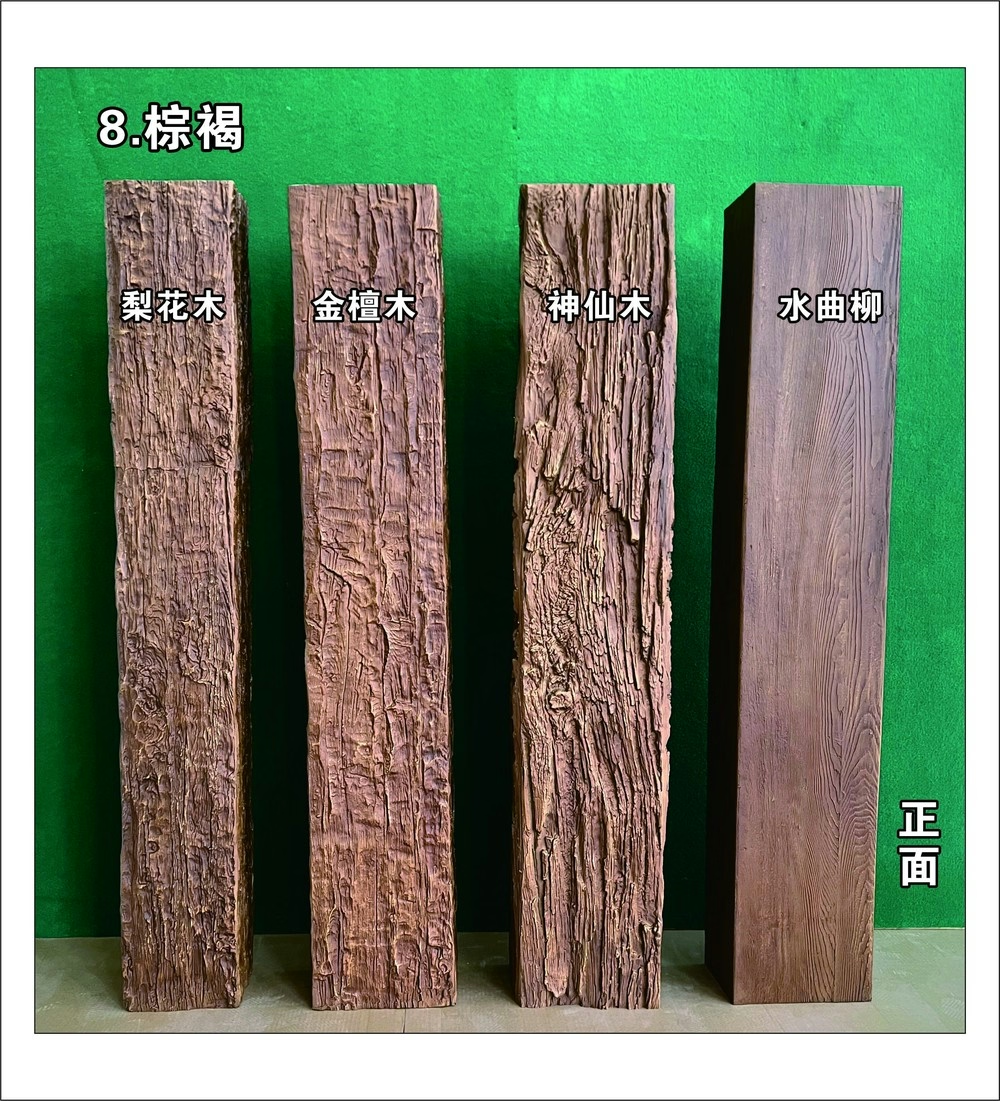
Finish options for steel beam sleeves should coordinate with other wood elements in the space while acknowledging the practical differences between sleeve and solid wood appearance. Color matching to existing wood—floors, trim, furniture—creates visual continuity that integrates transformed beams into overall design schemes. Alternatively, contrasting finishes that emphasize the transformation can create intentional visual interest that celebrates the conversion from industrial to organic.
The visual impact of steel beam transformation through sleeve installation often surprises observers who expected the industrial character to persist despite cosmetic treatment. Quality sleeves with realistic wood grain textures create convincing wood appearance that reads as authentic even to knowledgeable observers. The transformation elevates entire spaces, making industrial buildings feel more residential or hospitality-oriented without fundamental structural change.
Maintenance considerations for steel beam sleeves are minimal compared to authentic wood beam alternatives. Steel beams beneath sleeves remain protected from corrosion by the polyurethane covering, which resists moisture and atmospheric pollutants that might otherwise attack metal surfaces. The sleeves themselves require only routine cleaning that any beam surface would need, without special treatment for steel-specific concerns.
Fire safety considerations vary by installation location and building code requirements. Polyurethane, while not inherently fireproof, can be formulated with fire retardant additives that reduce flammability and smoke development. For applications where fire ratings are required, products with appropriate certifications should be specified, ensuring compliance with applicable codes and insurance requirements.
Acoustic performance improves with steel beam sleeve installation due to the mass and texture that polyurethane adds. Steel beams can act as sound transmission pathways and resonance sources; sleeve installation disrupts these acoustic pathways while the textured surface adds sound diffusion that improves overall acoustic comfort. This acoustic benefit becomes more pronounced in large commercial spaces where sound control significantly affects environment quality.
Installation scheduling for occupied buildings requires coordination to minimize disruption. Sleeve installation typically proceeds quickly once access is established, with each beam requiring only minutes for measurement, positioning, fastening, and adhesive application. Larger installations may proceed beam-by-beam or in sections, with work scheduled during off-hours if necessary to avoid disrupting building operations.
The investment in steel beam sleeve installation provides returns that extend beyond simple aesthetic improvement. Building value increases when previously industrial spaces become viable for residential, hospitality, or premium commercial occupancy. Lease rates in transformed spaces typically exceed those for comparable untreated spaces. The sleeve investment often pays back through increased rental income within the first year of occupancy.
Environmental considerations favor sleeve installation over beam replacement for existing steel structures. Replacement would generate significant construction waste as original beams are removed and disposed of, while sleeve installation preserves original structural elements while adding aesthetic value. The extended service life of polyurethane—measured in decades without replacement—further improves environmental comparison relative to alternatives requiring more frequent renewal.
Technical References
ASTM standards cited in every specification
Test Data
Lab results from internal testing program
Updated 2026
Reviewed against current product specs