The word "decorative" sometimes carries implications of fragility or impracticality. When applied to interior beams, however, decorative simply indicates that the beams serve primarily aesthetic purposes rather than structural ones. This distinction matters enormously when selecting materials, because it opens possibilities that pure structural requirements might exclude. Polyurethane faux beams fit perfectly into decorative applications, offering looks that enhance interiors while demanding virtually nothing in return.
Homeowners and designers increasingly recognize the value of low-maintenance materials in visible interior locations. Surfaces that require ongoing attention—regular cleaning, periodic refinishing, vigilant inspection for problems—consume time and resources that might be better directed elsewhere. Polyurethane beams eliminate these obligations without sacrificing the warmth and character that make wood-look elements so desirable in residential and commercial interiors.
The Maintenance Burden of Natural Wood
Wooden surfaces in interior spaces accumulate maintenance requirements that compound over time. Dust settles into grain patterns and requires regular removal. Fingerprints and smudges affect frequently touched areas. Ambient light causes gradual fading that becomes noticeable as sections age differently. In kitchens and bathrooms, moisture exposure creates ongoing risks that demand vigilance.
Periodic refinishing becomes necessary as surfaces wear and deteriorate. This process typically requires emptying affected areas, conducting messy surface preparation, applying finish materials, allowing adequate curing time, and then carefully returning spaces to service. The disruption and expense recur every few years throughout the beam's service life.
Beyond surface maintenance, natural wood beams require inspection for hidden problems. Moisture from plumbing leaks or condensation can cause internal deterioration that isn't immediately visible. Structural issues may develop as fasteners corrode or wood fibers degrade. Discovering these problems early requires regular attention; ignoring them allows damage to progress until remediation becomes expensive or extensive.

Polyurethane's Maintenance-Free Reality
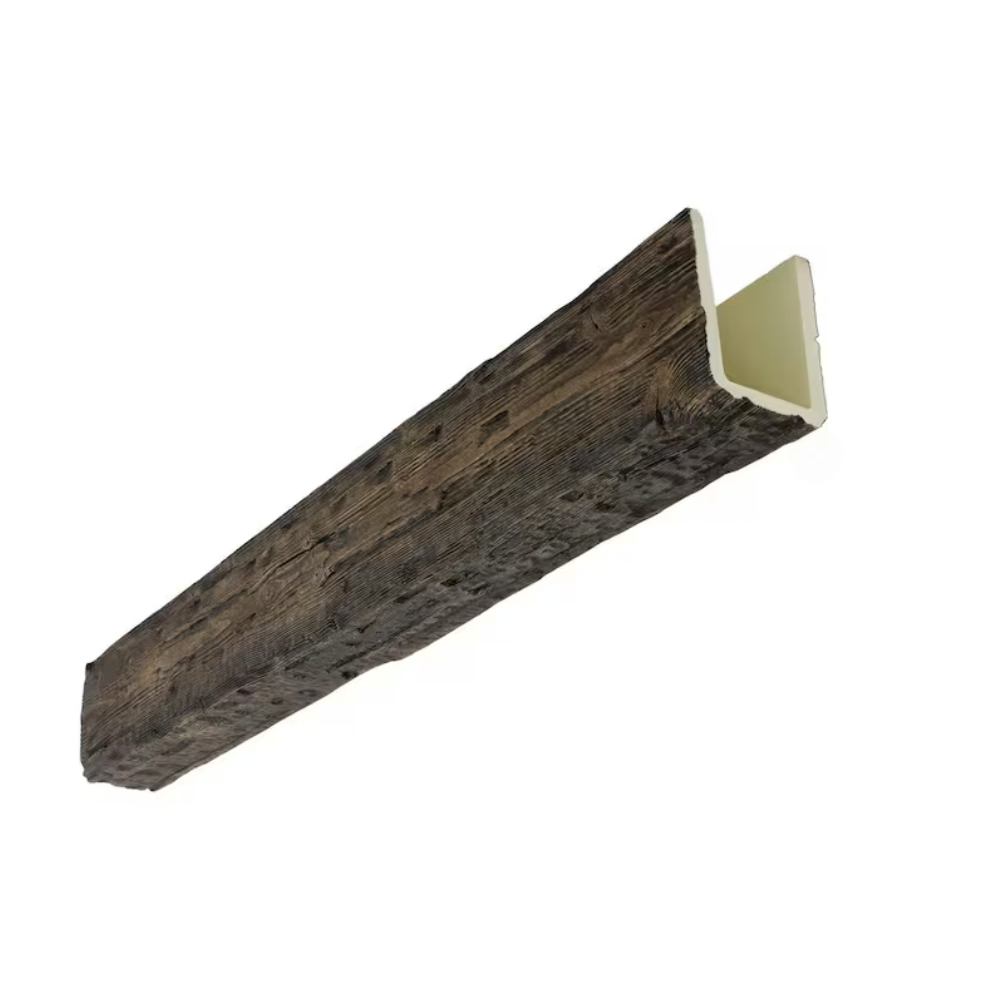
Polyurethane decorative beams represent a genuinely maintenance-free alternative to natural wood. The closed-cell material doesn't absorb dust, grease, or airborne contaminants that would require periodic removal. Surface cleaning, when desired, requires only dusting with a soft cloth or occasional wiping with a damp cloth. No specialized cleaning products, equipment, or techniques prove necessary.
The material's color and texture remain stable indefinitely under normal interior conditions. Unlike natural wood, which fades unevenly as UV exposure varies across the surface, polyurethane maintains consistent coloration throughout its service life. This stability preserves the beam's original appearance without any intervention from building occupants or maintenance personnel.
No finishing treatments ever become necessary. Natural wood benefits from periodic resealing or refinishing that restores protection and appearance. Polyurethane beams arrive from the factory with durable finishes that withstand normal use without additional treatment. The finish is integral to the material, not a surface coating that might wear away or require renewal.
Design Applications in Residential Spaces
Residential interiors offer numerous opportunities for decorative polyurethane beams. Vaulted ceilings, which often feel cavernous or unfinished, gain warmth and architectural interest when beams define the overhead plane. The beams can follow roof slopes, cross perpendicular to ceiling joists, or create entirely new visual patterns that transform generic spaces into distinctive interiors.
Living rooms and great rooms frequently incorporate beams as focal points or design anchors. A fireplace surround accented with exposed beams creates a gathering space with inherent warmth. Open-plan ground floors benefit from beams that define functional zones without requiring walls or partitions. Kitchen islands topped with beam-style millwork extend the warmth of wood aesthetics throughout food preparation areas.
Bedroom applications include canopy-style beam arrangements that define sleeping spaces without enclosed walls. Children's rooms benefit from beams that introduce character while remaining durable enough to withstand active use. Master suites gain spa-like atmospheres when beams complement other natural material selections.
Commercial Interior Applications
Commercial spaces often demand materials that maintain appearance despite heavy use and limited maintenance opportunities. Restaurants, bars, and hospitality venues find polyurethane beams particularly suitable—these products introduce warmth that enhances guest experience while standing up to the challenging environment of commercial kitchens and high-traffic areas.
Retail environments benefit similarly from decorative beams that create memorable shopping experiences. Boutiques and specialty stores use beams to reinforce brand identities through material and style choices. Theatrical and entertainment venues employ beams as design elements that enhance audience experience while meeting fire safety and acoustic requirements.
Office buildings increasingly recognize the value of biophilic design elements that improve worker wellbeing and productivity. Decorative beams contribute warmth and visual interest to otherwise generic corporate spaces. Their maintenance-free nature proves especially valuable in settings where maintenance access is difficult or disruptive to business operations.

Matching Styles and Aesthetics
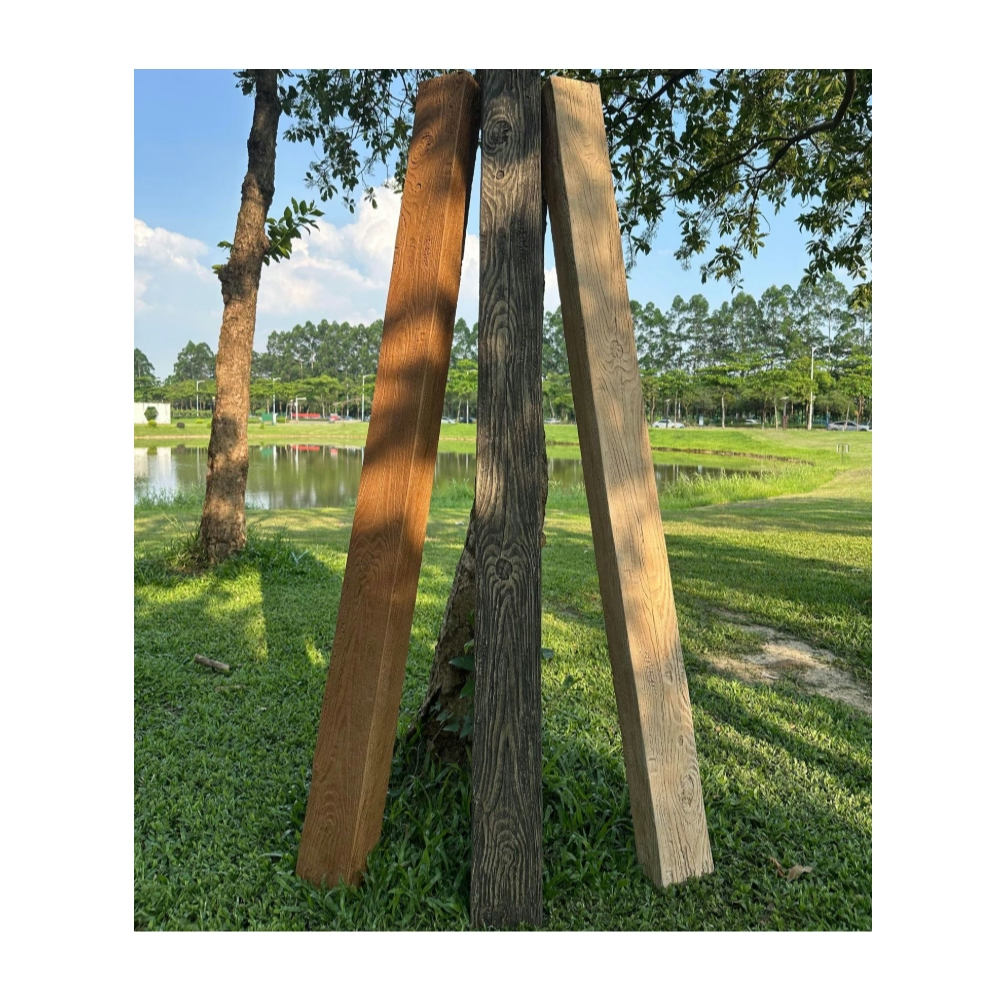
The range of available polyurethane beam styles ensures compatibility with diverse interior design schemes. Traditional spaces benefit from beams with authentic appearing wood grain, rich colorations, and period-appropriate profiles. Craftsman-style interiors gain warmth from beams featuring quarter-sawn grain patterns and mission-inspired details. Contemporary spaces accommodate smooth, minimalist beam profiles with refined finishes.
Rustic and farmhouse aesthetics find natural partners in textured, distressed polyurethane beams. These products capture the character of weathered, reclaimed, or hand-hewn timber without the inconsistencies that sometimes accompany natural materials. The ability to achieve predictable, repeatable appearances simplifies specification and ensures consistent results across large projects.
Industrial and transitional design schemes welcome beams with raw, unfinished appearances—polyurethane products can be specified with appropriate textures and colors to support these aesthetics. The flexibility to customize appearances without custom tooling enables design visions that might otherwise prove impractical or prohibitively expensive.
Installation Practices That Ensure Success
Proper installation contributes significantly to the long-term performance of decorative polyurethane beams. The approach must account for the beam's weight (though minimal), its thermal expansion characteristics (though limited), and the specific mounting surfaces available. Manufacturer guidelines typically provide detailed specifications that ensure secure, lasting attachment.
Mechanical fastening offers reliable, permanent attachment in most applications. The material accepts standard fasteners without splitting or cracking, simplifying the process compared to working with natural wood. Concealed mounting systems create clean appearances without visible hardware, enhancing the authentic look that decorative beams should achieve.
Adhesive attachment provides additional security, particularly for ceiling-mounted applications where gravity creates downward force on the attachment points. Construction adhesive applied between beams and mounting surfaces distributes load across continuous contact areas, reducing stress on any individual fastener. Combining mechanical and adhesive attachment creates installations that remain secure throughout the building's service life.
Fire Performance and Safety
Safety considerations in interior applications include fire performance. Quality polyurethane faux beams include fire retardant additives that reduce flame spread and smoke development. These formulations meet building code requirements for interior finish materials in most jurisdictions. Documentation of fire testing allows building officials to verify compliance during inspection processes.
The reduced fuel load of polyurethane compared to natural wood offers additional safety advantages. Solid timber beams contribute significant mass to fire loads; polyurethane beams, even with fire retardant treatment, contribute less. In fire scenarios, this difference might provide marginal additional time for occupant evacuation.
Fire-retardant polyurethane beams are clearly labeled as such, distinguishing them from products without this treatment. Specification should verify that selected products meet the fire performance requirements applicable to the target jurisdiction and occupancy type.
Long-Term Value Assessment
Evaluating decorative beam options requires considering total lifetime costs rather than initial purchase prices alone. Maintenance-free polyurethane beams, despite higher upfront costs compared to dimensional lumber, often prove more economical when maintenance labor, materials, and equipment are factored over the beam's service life.
The aesthetic value of well-maintained appearance should not be underestimated either. Spaces with deteriorating or dated beam finishes feel tired and neglected, regardless of other design qualities. Beams that maintain fresh, appealing appearance contribute continuously to positive impressions and comfortable atmospheres. This intangible benefit translates into real value for hospitality venues, retail environments, and residences alike.
Warranty coverage provides additional confidence in long-term performance. Quality manufacturers back their products with warranties reflecting the expected service life—typically matching or exceeding the building's anticipated occupancy period. Documentation of warranty terms should accompany specification decisions to ensure coverage remains in effect.
Technical References
ASTM standards cited in every specification
Test Data
Lab results from internal testing program
Updated 2026
Reviewed against current product specs


