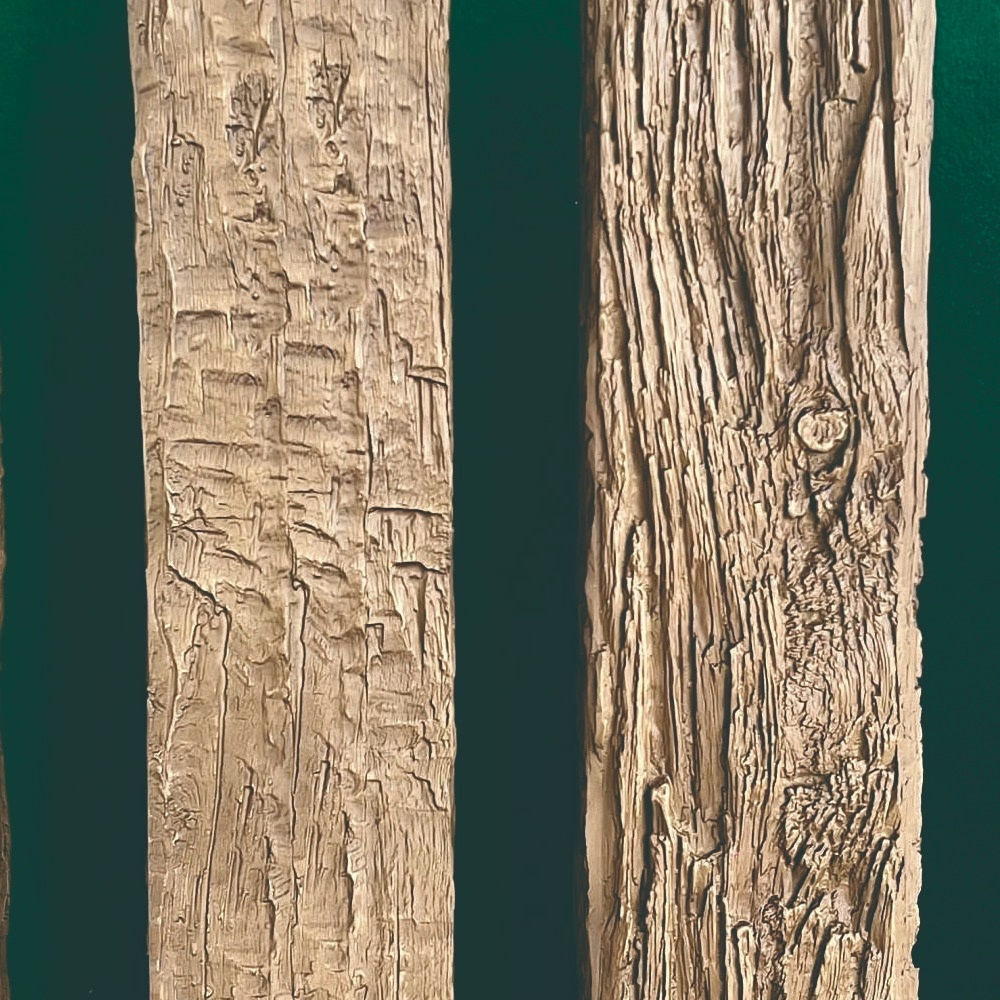
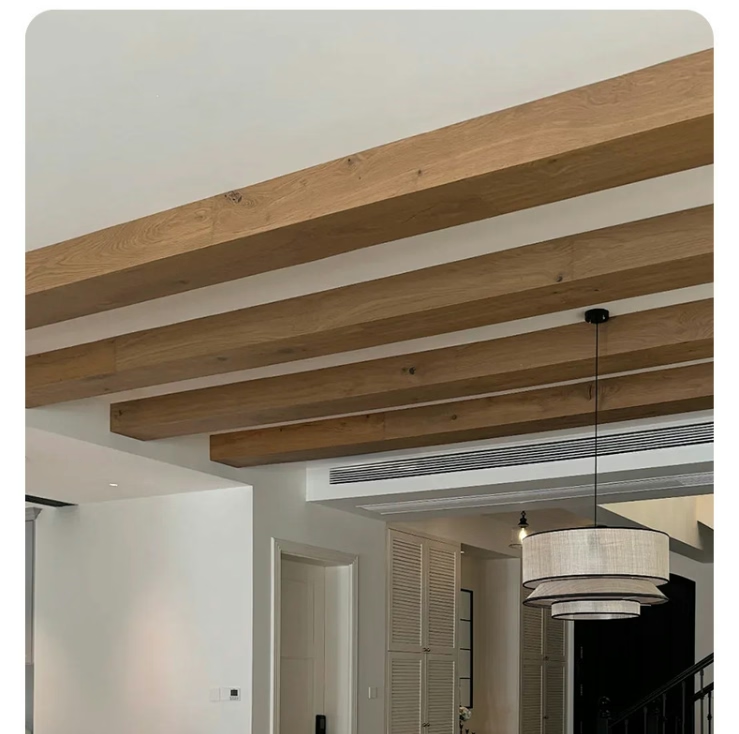
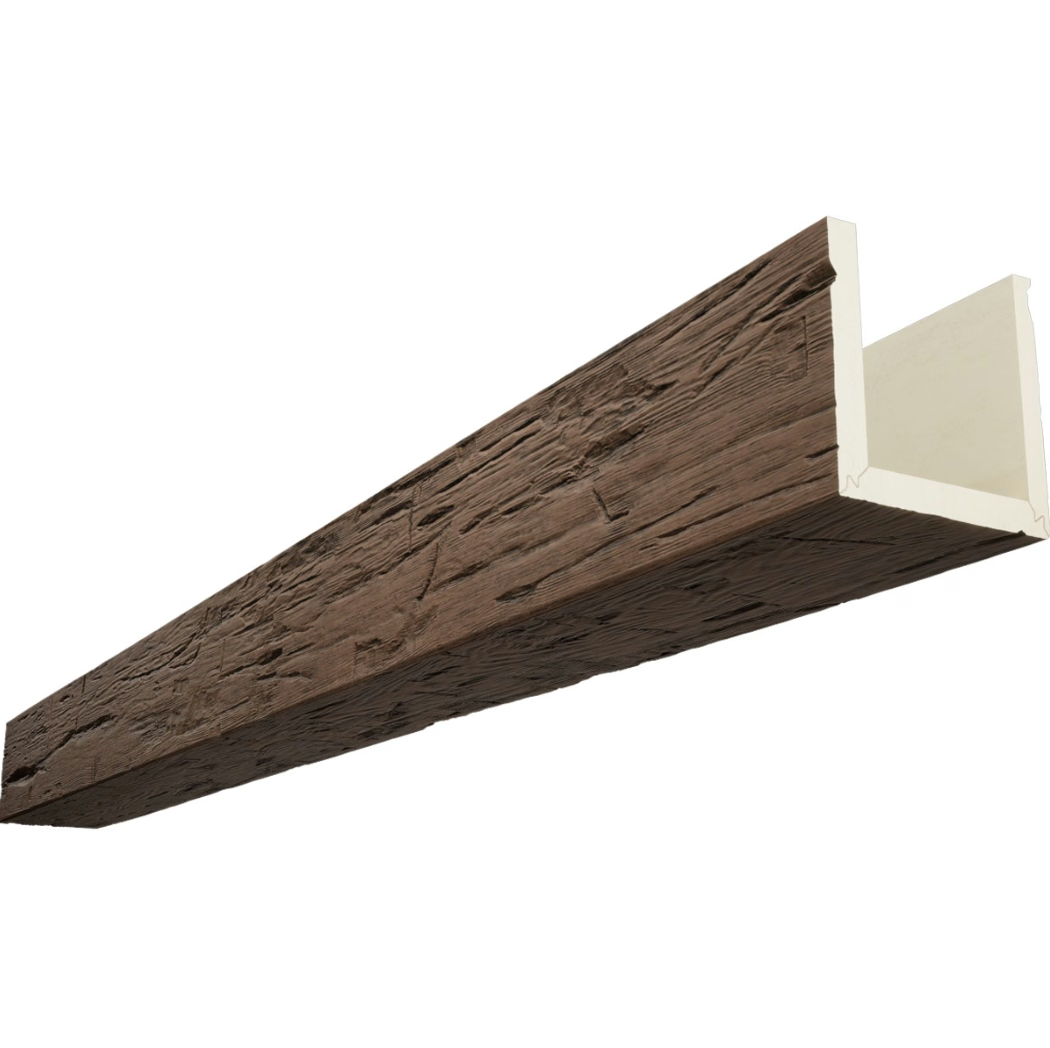
Ceiling beams occupy one of the most challenging positions in any building. They sit above living and working spaces, exposed to rising warm air and its accumulated moisture. In spaces like indoor pools, steam rooms, laundry facilities, and industrial kitchens, the ceiling plane faces humidity levels that would eventually destroy most materials. Natural wood beams in these positions face certain deterioration—the only question is whether that deterioration manifests in years or decades. Polyurethane faux beams introduce a different outcome entirely.
The moisture that rises toward ceilings carries both visible and invisible threats. Visible threats include condensation dripping onto surfaces, splashing from activities below, and direct water contact. Invisible threats involve sustained high humidity that saturates materials even without condensation. Both affect natural wood beams adversely; neither concerns polyurethane in the slightest.
The Ceiling Beam Challenge
Ceiling installations present unique challenges compared to wall-mounted or freestanding beam applications. Heat rises, carrying moisture toward the ceiling plane where it can condense on cooler surfaces. Without adequate ventilation, this moisture accumulates in ceiling cavities and within materials themselves. The problem intensifies in spaces with significant moisture generation—swimming pools, laundry rooms, commercial kitchens, and manufacturing facilities.
Gravity works against maintenance as well. When natural wood ceiling beams develop problems, accessing them for inspection, repair, or replacement becomes difficult and expensive. Scaffolding or lifts may be required. Business operations may need to pause. The practical difficulty of ceiling maintenance makes durability especially valuable in these applications.
Air circulation around ceiling beams is typically limited compared to wall-mounted elements. Reduced airflow slows drying of any moisture that contacts surfaces, extending exposure duration. This factor compounds the challenges that humidity creates for natural materials. A beam that might survive occasional moisture exposure with adequate air circulation may fail in a poorly ventilated ceiling application.

Why Wood Fails in Ceiling Applications
Moisture damage to wood ceiling beams typically begins subtly and progresses gradually. Surface discoloration appears as finishes fail. Dimensional changes create stresses that eventually manifest as checks, splits, or warping. Mold and mildew colonies establish themselves in surface irregularities, creating health concerns and aesthetic problems. The structural integrity of affected beams diminishes progressively.
In severe environments, deterioration accelerates dramatically. Swimming pool ceilings experience humidity levels that exceed eighty percent during busy periods. The chlorinated atmosphere adds chemical exposure to the moisture challenge. Natural wood in these conditions may require replacement within a decade, despite regular maintenance and treatment.
The ceiling position exacerbates visual impacts as well. Deteriorating beams above occupied spaces create negative impressions disproportionate to the actual damage. Stained, warped, or sagging beams undermine the perceived quality of entire rooms. This aesthetic failure often motivates renovation before structural concerns become critical.
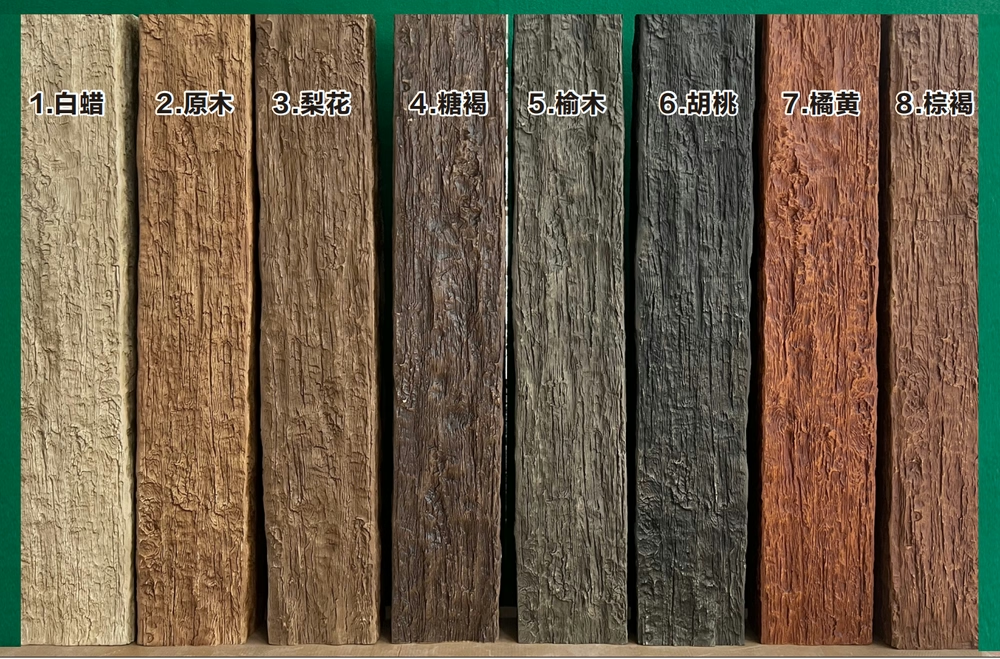
Polyurethane's Ceiling Performance
Polyurethane faux beams installed in ceiling applications deliver performance that natural wood cannot match. The material's closed-cell structure prevents moisture absorption regardless of ambient conditions. Sustained humidity, occasional condensation, splashing water—none affects polyurethane's dimensions, surface condition, or structural integrity. These beams maintain their original appearance without any maintenance attention.
The ceiling installation process itself benefits from polyurethane's characteristics. Light weight simplifies positioning and attachment overhead. Consistent dimensions ensure predictable results without the shimming and adjustment that natural wood often requires. Fastening without splitting or cracking concerns streamlines the installation workflow.
Accessibility limitations that make ceiling maintenance difficult actually favor polyurethane's maintenance-free nature. Once installed, these beams require no ongoing attention regardless of how inaccessible they become. The ideal ceiling beam is one that never needs any maintenance—and polyurethane delivers exactly that.
Indoor Pool and Aquatics Ceiling Applications
Indoor pool ceilings represent perhaps the most demanding beam application environment. Constant high humidity, chlorinated atmosphere, temperature variations, and limited access for maintenance combine to create conditions where natural wood deteriorates rapidly. Swimming facility operators have long sought alternatives that could maintain appearance while reducing maintenance burdens.
Polyurethane faux beams address these requirements directly. The material tolerates humidity levels far exceeding those in pool environments without any effect. Chemical resistance protects against chlorine-related degradation. The ability to achieve authentic wood aesthetics while withstanding these severe conditions enables design approaches that would otherwise be impractical.
Ceiling beams in natatoriums serve important aesthetic functions beyond visual appeal. They define the overhead plane, create visual scale appropriate to large pool volumes, and introduce warmth that counteracts the institutional feeling these facilities often project. Polyurethane makes achieving these benefits practical by eliminating the maintenance nightmare that natural wood would present.

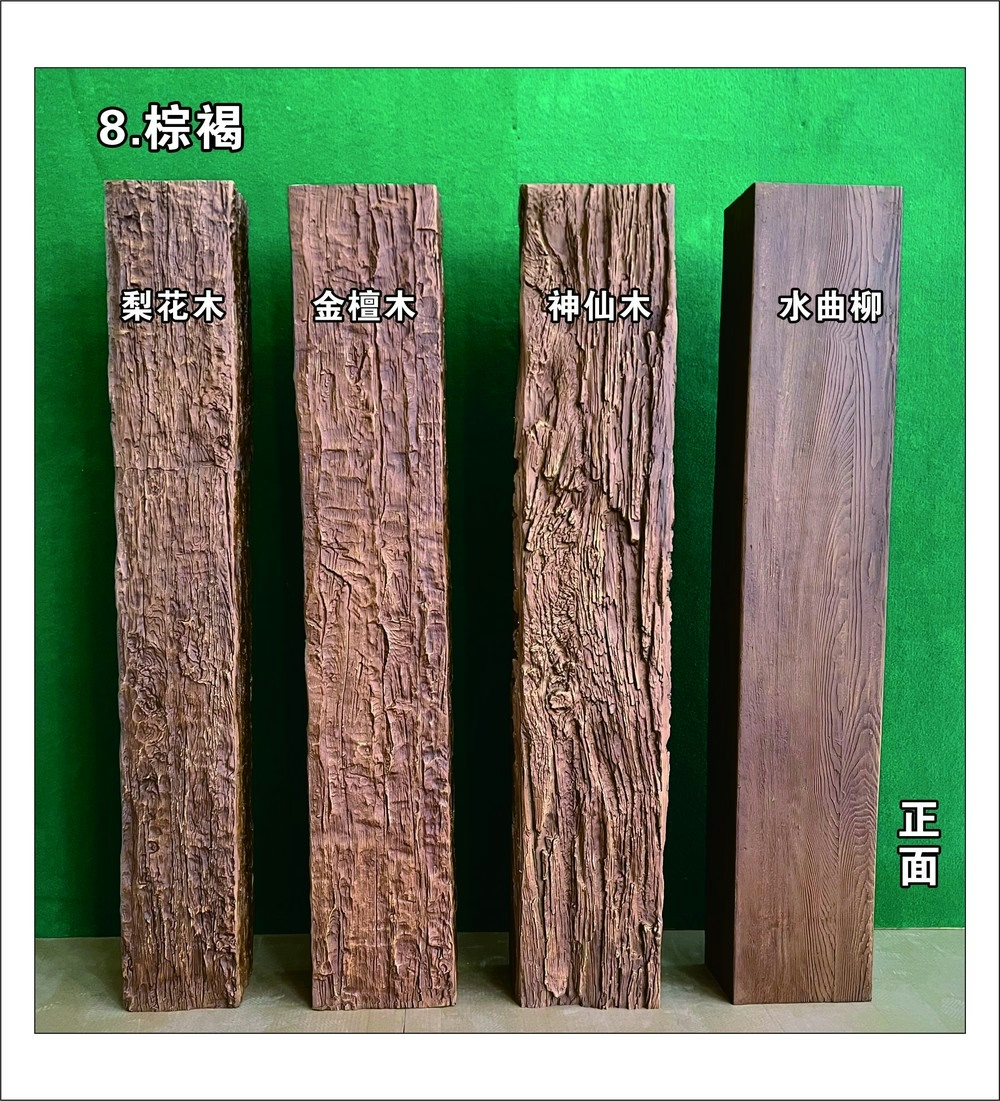
Commercial Kitchen and Food Service Applications
Commercial kitchens generate substantial moisture through cooking processes. Steam from boiling, moisture from washing, and heat from ovens combine to create challenging interior conditions. Natural wood elements in these spaces face accelerated deterioration despite ventilation systems designed to manage humidity.
Polyurethane ceiling beams in commercial kitchens contribute to the warm, inviting atmospheres that quality dining establishments cultivate. The beams can define dining areas, accent architectural features, or create visual interest in spaces where functional considerations often dominate. Their moisture resistance ensures that these aesthetic contributions persist indefinitely.
Restaurant operators benefit from eliminated maintenance concerns. Kitchen ceilings are notoriously difficult to access and maintain. Polyurethane beams remove one maintenance category entirely, allowing staff and contractors to focus on other priorities. The consistency of appearance also supports brand standards across multiple locations.
Laundry and Utility Room Applications
Residential and commercial laundry facilities face humidity challenges that affect ceiling materials significantly. Clothes dryers, whether vented or condenser types, contribute moisture to these spaces. Limited ventilation in many laundry rooms creates conditions where humidity accumulates and persists.
Polyurethane ceiling beams in laundry applications provide design enhancement without moisture concerns. The beams can soften the typically utilitarian character of these service spaces, introducing warmth that makes laundry tasks more pleasant. Their moisture resistance ensures that appearance quality remains constant despite the challenging environment.
Commercial laundries and linen services face even more demanding conditions. High-volume equipment, industrial processes, and continuous operations create humidity levels that would quickly degrade natural wood. Polyurethane beams make aesthetic improvements practical in these challenging commercial environments.
Spa, Salon, and Wellness Business Applications
Hair salons, nail studios, and spa businesses generate moisture through their core services. Styling stations produce steam; nail stations release solvents; spa treatments involve water throughout. These businesses typically seek environments that feel warm, welcoming, and professional—qualities that wood aesthetics contribute significantly.
Polyurethane ceiling beams help create these desired atmospheres in wellness businesses. The beams introduce visual warmth that enhances client experience while tolerating the humidity that services generate. Maintenance-free performance reduces operational concerns in businesses where appearance directly affects perceived quality.
Marine and Coastal Building Applications
Buildings near coastlines face humidity levels elevated by proximity to ocean water. Salt-laden air adds chemical exposure to moisture concerns, creating conditions that accelerate deterioration of many materials. Natural wood in these environments requires specialized treatment and still typically faces reduced service life.
Polyurethane faux beams in coastal applications resist both moisture and salt exposure without specialized treatment. The material tolerates conditions that would require expensive maintenance protocols for natural wood. This resilience makes polyurethane particularly suitable for beach restaurants, coastal resorts, and waterfront commercial properties.
Specification and Installation Guidance
Successful ceiling beam installation requires appropriate product selection and proper mounting techniques. Product density affects both durability and weight—higher density beams offer superior impact resistance and longevity but weigh more. The specific application requirements should guide density selection.
Mounting systems must account for ceiling conditions and beam weight. Mechanical fastening into structural framing provides primary support; adhesive addition distributes loads and provides backup security. Manufacturer specifications typically detail appropriate mounting approaches for various ceiling configurations.
Fire performance requirements may affect product selection for commercial ceiling applications. Fire-retardant formulations meet building code requirements in most jurisdictions. Documentation of fire testing allows verification of compliance during building inspection.
Long-Term Value Assessment
Ceiling beams represent long-term investments in building appearance and character. The total cost of ownership over the beam's service life includes initial purchase, installation, maintenance, and eventual replacement. Polyurethane beams typically show advantages in all but the initial purchase category.
The eliminated maintenance burden proves especially valuable for ceiling applications where access is difficult and disruption is significant. Natural wood ceiling beams that require periodic refinishing, staining, or treatment create ongoing operational concerns. Polyurethane beams eliminate these concerns entirely, providing lasting value without ongoing attention.
Technical References
ASTM standards cited in every specification
Test Data
Lab results from internal testing program
Updated 2026
Reviewed against current product specs