The moment wood leaves the protected interior environment, it begins a slow battle against conditions that will eventually prevail. Sunlight breaks down surface fibers. Rain soaks into grain patterns. Freeze-thaw cycles crack and check surfaces. Humidity promotes fungal growth. Insects burrow through structural elements. No treatment completely prevents these processes—only slows them. Polyurethane faux beams sidestep this entire degradation sequence by eliminating the organic material that environmental factors attack.
Outdoor beam installations present the most demanding conditions any wood element will face. Direct sun, precipitation, temperature extremes, and biological threats combine to accelerate deterioration that would proceed slowly in protected interior locations. Buildings that benefit from covered outdoor spaces—patios, porches, verandas, and pergolas—often struggle to maintain wood elements that complement the architecture. Polyurethane weatherproof beams resolve this dilemma.
Understanding Weather Threats to Wood
Sunlight poses multiple threats to exterior wood surfaces. Ultraviolet radiation breaks down lignin, the material that holds wood fibers together. This photodegradation causes surface graying, fiber loosening, and chalky appearance. The process proceeds continuously on exposed surfaces, gradually degrading both appearance and structural integrity.
Precipitation introduces moisture that wood absorbs and releases cyclically. Each wetting and drying creates dimensional changes that accumulate as internal stresses. Eventually these stresses manifest as checks, splits, and warping. In severe cases, repeated cycles create structural damage that requires beam replacement.
Freeze-thaw cycles amplify moisture damage. When water within wood fibers freezes, it expands, forcing fibers apart. Subsequent thawing allows water to penetrate further into the damaged structure. Each cycle compounds the damage, eventually creating the surface checking and internal deterioration typical of weathered exterior timber.
Biological threats complete the degradation picture. Fungi require only moisture and moderate temperatures to colonize wood. Once established, fungal growth causes soft rot that destroys structural integrity from within. Insects—termites, carpenter ants, and borers—consume wood fiber for sustenance. Neither threat affects polyurethane, which provides no nutrition for biological organisms.

Weatherproof Polyurethane Performance
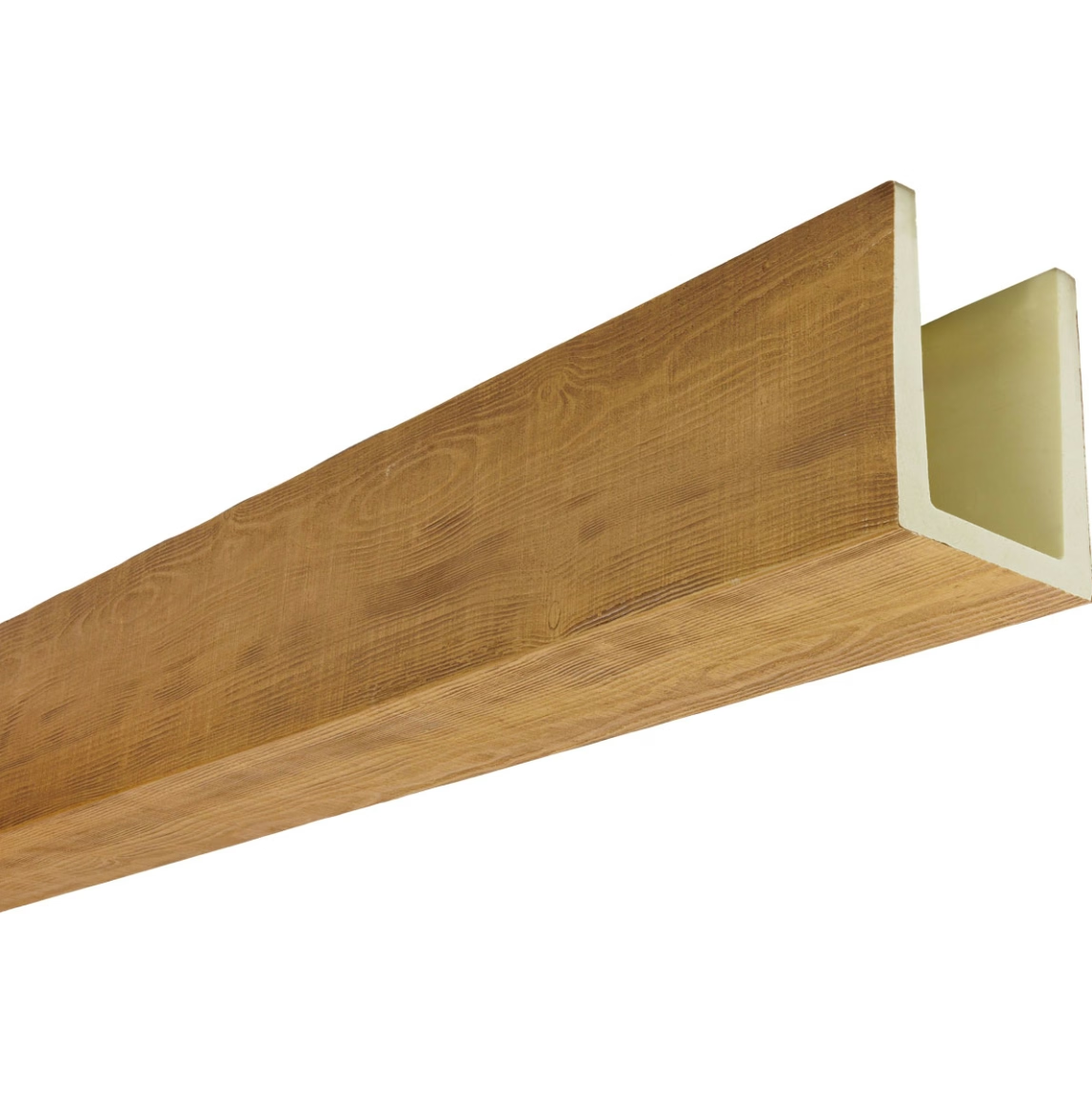
Polyurethane faux beams engineered for exterior use withstand weather exposure that would rapidly degrade natural wood. The closed-cell polymer structure prevents moisture absorption entirely. UV-resistant formulations resist surface degradation from sunlight. Temperature extremes create no dimensional stress or material failure.
This weatherproof performance translates directly into longevity. Natural wood beams in exposed exterior conditions may require replacement within a decade. Polyurethane beams can outlast the structures they decorate, providing decades of beautiful service without attention or maintenance. The initial material investment yields returns many times over through avoided replacement cycles.
The performance advantages extend beyond basic weather resistance. Salt spray from coastal exposure, acid rain in industrial areas, pollution in urban environments—none affects polyurethane beams significantly. This chemical resistance enables applications in challenging locations where natural wood would deteriorate rapidly despite treatment.
Covered Outdoor Living Spaces
Patios, porches, and covered outdoor living areas represent ideal applications for weatherproof polyurethane beams. These spaces benefit from ceiling beams that add architectural interest while defining the outdoor room. Natural wood in these locations faces periodic rain exposure, humidity variations, and temperature extremes that create ongoing maintenance demands.
Polyurethane beams in covered outdoor spaces maintain their appearance despite the challenging conditions. The covered position protects against direct rainfall, but humidity, temperature variation, and occasional wind-driven moisture still affect these areas. Polyurethane tolerates these conditions without the swelling, warping, or surface degradation that would affect natural wood.
Outdoor kitchen and bar installations particularly benefit from weatherproof beams. These high-activity areas generate moisture through food preparation and cleaning while hosting gatherings where appearance significantly affects experience. Polyurethane beams contribute warmth and character to these spaces without the maintenance concerns that wood would present.

Pergola and Garden Structure Applications
Freestanding pergolas and garden structures expose beams to full weather conditions. Direct sun, rainfall, and humidity variations affect all surfaces equally. Natural wood in these applications typically requires regular sealing, staining, or replacement—ongoing maintenance that many property owners find burdensome.
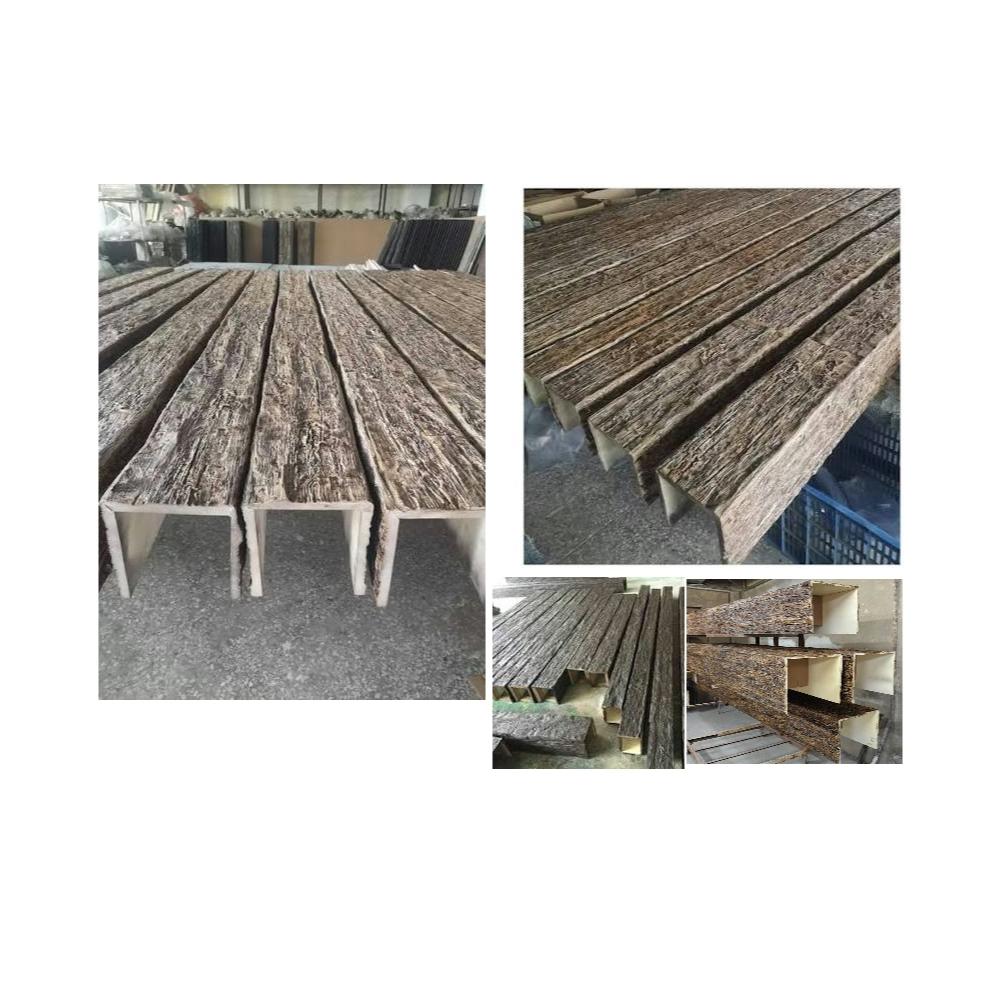
Weatherproof polyurethane beams make pergola maintenance practical indefinitely. The beams can achieve rustic, natural appearances while requiring no more than occasional cleaning. This convenience proves especially valuable for commercial applications—resorts, restaurants, and public gardens—where maintenance resources are limited and appearance affects guest experience.
Decorative pergolas, garden arbors, and trellis structures benefit similarly from weatherproof polyurethane. These landscape elements can introduce warm wood aesthetics throughout outdoor environments without the maintenance concerns that natural materials would create. The ability to maintain consistent appearance across extensive installations makes polyurethane particularly suitable for commercial landscapes.
Pool and Water Feature Surrounds
Swimming pools, spas, and water features generate humidity that affects surrounding structures continuously. The combination of moisture, chemical exposure, and temperature variation creates conditions where natural wood deteriorates rapidly. Poolside beams, pool house ceilings, and water feature framing all face these challenging conditions.
Weatherproof polyurethane beams in pool environments maintain appearance despite chlorinated water exposure, high humidity, and temperature variations. The material's chemical resistance prevents degradation from pool chemicals; its moisture immunity prevents absorption that would lead to fungal growth or dimensional instability.
The aesthetic benefits of wood-look elements around pools are substantial. These recreational areas benefit from warm, natural materials that create resort-like atmospheres. Polyurethane makes achieving these aesthetics practical by eliminating the maintenance nightmare that natural wood would present in pool environments.
Coastal and Marine Applications
Buildings in coastal environments face weather threats amplified by salt exposure. Ocean air carries salt particles that deposit on all surfaces, creating corrosive conditions for metals and accelerating weathering of many materials. Natural wood in coastal locations requires specialized treatment and still typically faces reduced service life compared to inland applications.
Weatherproof polyurethane beams handle coastal conditions without specialized treatment. Salt spray, humidity, and UV exposure affect the material minimally. This resilience makes polyurethane particularly suitable for beachfront restaurants, coastal resorts, marina facilities, and waterfront residences.
Marine vessels and docks represent additional applications where weatherproof beams offer advantages. Boat houses, dock structures, and waterside entertainment spaces benefit from wood aesthetics without the accelerated deterioration that marine environments impose on natural materials.
Exterior Ceiling Applications
Exterior ceilings—covered porches, carports, and overhead shelter structures—present challenging beam applications. While protected from direct rainfall, these surfaces still face humidity, temperature variation, and occasional moisture exposure. Natural wood in these positions deteriorates progressively despite the covered protection.
Weatherproof polyurethane faux beams on exterior ceilings maintain appearance and structural integrity indefinitely. The beams can achieve rustic, traditional aesthetics that complement the building architecture while requiring no ongoing maintenance. This convenience proves valuable for residential and commercial applications alike.
Commercial applications benefit substantially from reduced maintenance requirements. Business operators prefer maintenance solutions that don't interrupt operations or require specialized attention. Polyurethane beams on exterior dining areas, covered walkways, and outdoor retail spaces provide aesthetic benefits without operational disruptions.
Specification for Weatherproof Performance
Achieving weatherproof performance requires appropriate product selection and proper installation. Not all polyurethane beams are suitable for exterior use—some formulations prioritize interior applications where weather resistance is unnecessary. Exterior-grade products should be specifically formulated and tested for weather exposure.
UV resistance merits particular attention in product selection. While all polyurethane tolerates some UV exposure, formulations optimized for exterior use maintain surface appearance longer under direct sunlight. For fully exposed applications, UV-resistant formulations provide meaningful performance advantages.
Installation details affect long-term weatherproof performance. Appropriate fastener selection prevents corrosion that might affect attachment security over time. Adequate drainage around beam installations prevents water accumulation that might affect adjacent materials. Ventilation in multi-beam installations reduces humidity accumulation that could affect mounting surfaces.
Lifecycle Cost Advantages
Weatherproof polyurethane beams typically cost more initially than dimensional lumber, but lifecycle cost analysis usually favors polyurethane. The avoided costs of periodic refinishing, staining, sealing, and eventual replacement can substantially exceed the initial material premium over the beam's service life.
Installation cost advantages also favor polyurethane in many applications. Lighter weight simplifies handling; consistent dimensions reduce fitting time; no special fastening concerns streamline attachment. These factors reduce labor costs, sometimes offsetting significant portions of the material premium.
For commercial applications where maintenance is expensive and disruptive, the advantages become even more pronounced. Weatherproof polyurethane beams reduce maintenance staffing requirements, eliminate contractor expenses for wood care, and prevent the appearance degradation that affects natural materials over time.
Technical References
ASTM standards cited in every specification
Test Data
Lab results from internal testing program
Updated 2026
Reviewed against current product specs


