Some interior styles achieve their power precisely through visible evidence of age and use. Rustic vintage spaces derive their character from materials that suggest history, craftsmanship from eras when building methods differed from today, and organic qualities that mass production cannot replicate. When beams occupy these spaces, they must contribute authentically to the vintage aesthetic rather than appearing as obvious newcomers. Polyurethane faux beams with rough primitive textures meet this requirement precisely.
The appeal of primitive wood surfaces runs deeper than mere aesthetics. These textures evoke honest labor, traditional methods, and honest materials. They suggest spaces where people lived and worked with their hands, creating environments that feel genuine rather than manufactured. For contemporary interiors seeking this character, rough texture polyurethane beams offer a practical path to achieving vintage authenticity.
The Character of Primitive Wood
Authentic primitive wood surfaces develop their character through time and use rather than through intentional design. Grain patterns emerge from growth conditions specific to each tree. Tool marks record the methods used to mill and shape the timber. Weathering creates color variations and surface textures that cannot be artificially replicated through simple distressing. The cumulative effect is a surface with inherent authenticity that observers sense even if they cannot articulate it.
Natural primitive wood comes with significant limitations, however. Old barn timbers and reclaimed lumber suitable for interior use have become scarce and expensive. Their availability is unpredictable, their dimensions vary, and their condition requires assessment and often remediation. The authentic character they provide comes with practical complications that may outweigh the aesthetic benefits.
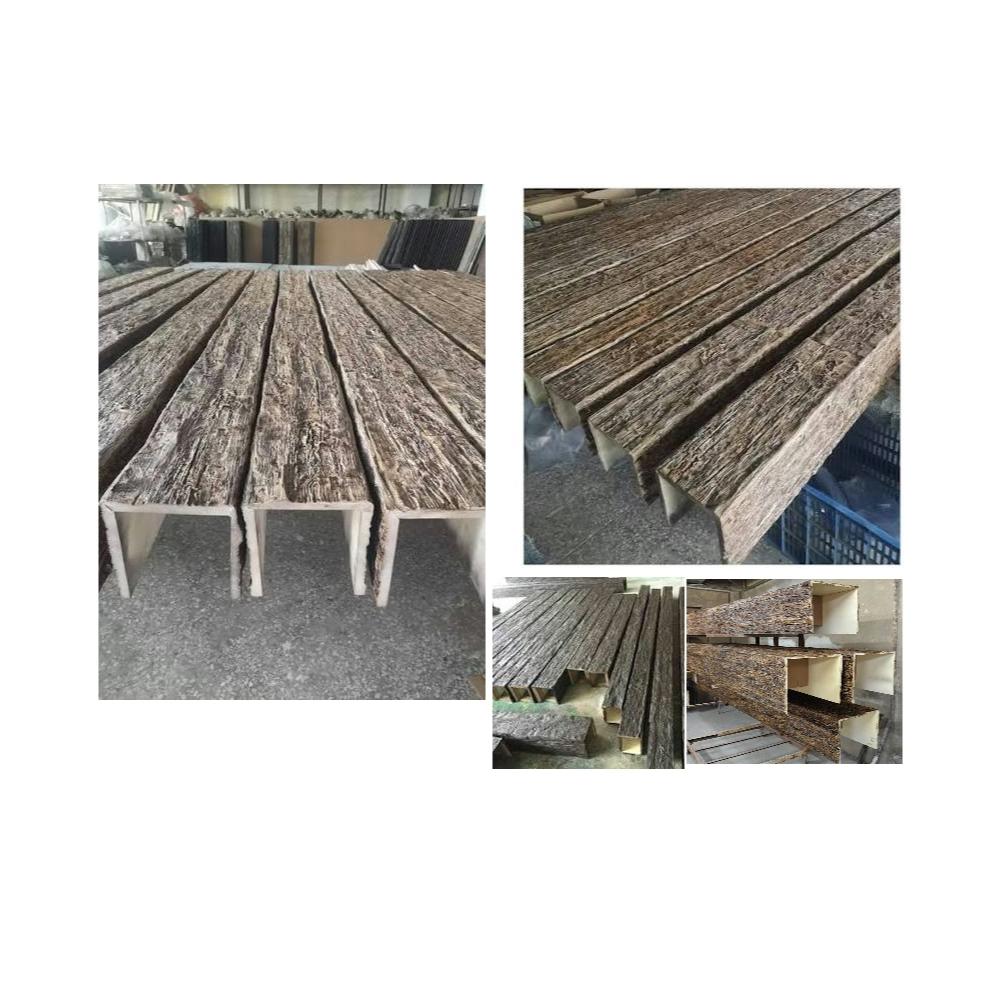
Modern manufacturing techniques applied to polyurethane enable creation of textures that capture this primitive character while eliminating natural wood's limitations. Advanced molding processes reproduce authentic wood surfaces with remarkable fidelity. The resulting beams provide the aesthetic benefits of primitive timber without the practical complications.

Capturing Authentic Primitive Texture
The key to convincing primitive textures lies in mold preparation. Manufacturers create molds directly from authentic aged timber, capturing every grain variation, check mark, and surface irregularity with precision. When polyurethane fills these molds, it faithfully reproduces the original surface character. The resulting beams present textures that look genuinely old rather than artificially distressed.
Surface preparation after molding enhances authenticity. Rather than applying uniform coatings that would obscure texture, finishing processes preserve and enhance surface character. Color applications follow contours to emphasize depth and dimension. The result is a beam that appears to have developed its texture through decades of service rather than through manufacturing processes.
The variation inherent in primitive aesthetics presents both opportunities and challenges. Opportunities arise because no two pieces need match—variation is expected and desirable. Challenges arise because achieving convincing variation requires careful attention to mold selection and finishing. Quality manufacturers manage this balance by creating multiple variations within product lines, ensuring installations appear natural rather than manufactured.
Rustic Living Room Applications
Living rooms incorporating rustic vintage aesthetics benefit substantially from rough texture beams. Vaulted or cathedral ceilings provide natural canvas for beam installations; the primitive texture ensures beams contribute authentically to the vintage character rather than appearing as incongruous additions. Multiple beam configurations—parallel placement, perpendicular crossing, radial arrangements—create various visual effects suited to different spatial configurations.
Fireplace surrounds framed with primitive beams establish strong focal points in living spaces. The warmth of wood textures complements firelight; rough surfaces catch illumination to create rich shadows and highlights. These combinations create gathering places that feel genuinely inviting rather than merely fashionable.
Living-dining combinations and great rooms provide opportunities for extensive beam installations. Parallel beams across long spans define spatial zones without requiring walls or dividers. The primitive texture ensures these functional elements contribute aesthetic character rather than appearing purely utilitarian.
Bedroom and Private Space Applications
Rustic vintage aesthetics extend naturally into bedroom design, where the warmth and character of rough-textured beams create intimate, restful environments. Platform beds flanked by exposed beams establish sleeping areas with distinctive personalities. Beam headboards and canopy-style beam installations create enclosure without the claustrophobia that solid walls might impose.
Master suites incorporating primitive beam elements benefit from the materials' ability to establish comfort and character. The organic textures and warm colorations of rough-hewn timber surfaces create environments distinctly different from contemporary minimalist approaches. These alternatives appeal to homeowners seeking spaces with genuine personality rather than generic perfection.
Children's rooms can incorporate rustic beams with appropriate attention to safety considerations. Smooth-finished beams minimize concerns about splinters or rough edges while providing the aesthetic benefits of textured surfaces. The durability of polyurethane also proves valuable in active children's spaces where impact resistance matters.
Commercial Hospitality Applications
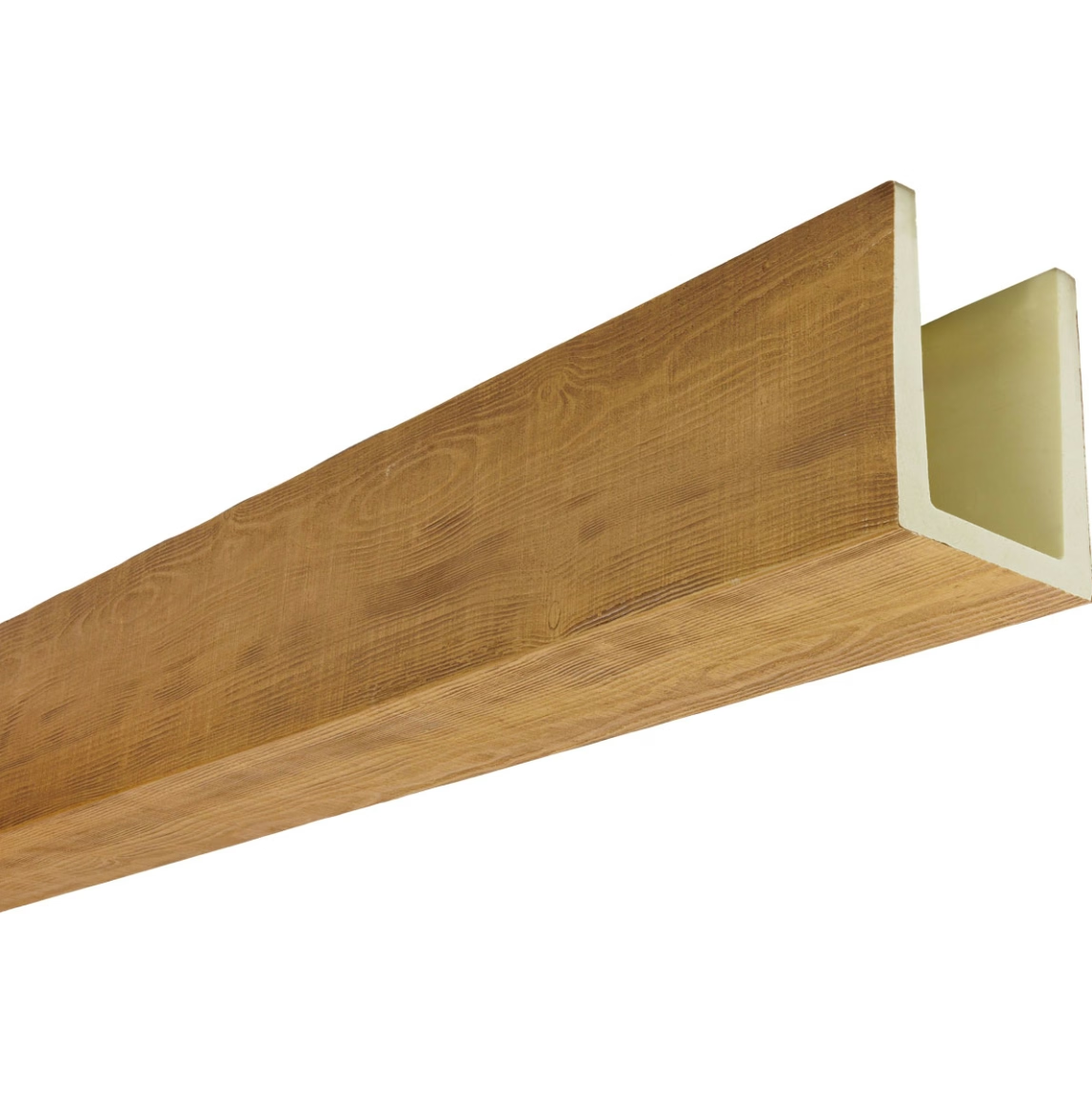
Boutique hotels, rustic restaurants, and hospitality venues increasingly incorporate vintage aesthetics that primitive beams support. Guest rooms featuring rough-textured ceiling beams create memorable experiences that distinguish properties from competitors. The texture variety within beam installations ensures each room feels individually considered rather than uniformly produced.
Dining spaces benefit similarly from primitive beam installations. The textures complement natural lighting, upholstered seating, and organic decorative elements common in farm-to-table and heritage-inspired restaurant concepts. Polyurethane beams provide these aesthetic benefits without the maintenance concerns that natural wood would present in high-traffic commercial environments.
Common areas, lobbies, and gathering spaces in hospitality venues provide additional applications. The expansive overhead planes in these spaces gain warmth and character from beam installations that establish brand identities through material choices. Durability and maintenance-free performance prove especially valuable in commercial contexts where maintenance disruption affects revenue.

Period-Appropriate Historical Styles
Primitive textures suit various historical aesthetic movements, from early American colonial through Victorian industrial. The common thread across these styles is honest expression of materials and methods—qualities that rough texture polyurethane beams authentically provide. Specifying appropriate profiles and colorations ensures that beams contribute to period-appropriate appearances rather than creating anachronistic impressions.
Colonial and early American interiors feature rough-hewn timbers with prominent grain patterns and visible tool marks. The simple, functional character of these spaces pairs naturally with primitive textures that suggest practical rather than ornamental intentions. Contemporary interpretations can incorporate these elements while meeting modern expectations for comfort and convenience.
Victorian industrial aesthetics combine ornate detailing with honest material expression. Beams in these spaces may incorporate more refined profiles while maintaining textured surfaces that suggest age and use. The contrast between formal elements and rustic textures creates the layered complexity characteristic of Victorian design.
Texture Coordination with Other Materials
Successful rustic interiors coordinate beam textures with surrounding materials throughout the space. Stone and brick surfaces complement rough wood textures through shared organic character. The combination of rough beams with stone fireplaces, brick accent walls, or masonry foundations creates coherent material narratives that feel established rather than assembled.
Fabric selections should acknowledge beam textures as well. Natural fiber upholstery in neutral tones harmonizes with wood aesthetics without competing for attention. Heavy textiles with visible weave structure echo the textural qualities of primitive timber surfaces. This coordination creates interiors where individual elements support rather than contradict each other.
Lighting considerations affect texture presentation significantly. Natural daylight reveals texture details that artificial lighting may obscure or emphasize differently. Beam placement should consider light source directions to ensure texture visibility throughout the day. Supplementary lighting can highlight texture through shadow creation, enhancing the dimensional quality that primitive surfaces provide.
Achieving Depth and Dimension
Primitive textures create visual interest through surface variation rather than through color complexity. Specifying beams with substantial depth—prominent grain patterns, deep checks, pronounced tool marks—ensures that installations create the dimensional interest that makes vintage aesthetics compelling. Flat or minimally textured surfaces fail to achieve the desired effect regardless of color accuracy.
Finishing techniques contribute significantly to dimensional quality. Staining processes that follow contours rather than applying uniform coloration enhance the perception of depth. Subtle highlighting on raised elements and shadowing in recessed areas creates visual complexity that enriches the overall appearance. These finishing techniques distinguish quality products from less sophisticated alternatives.
Installation techniques also affect texture presentation. Beams should be mounted to emphasize their three-dimensional qualities—positioning that creates shadows along edges, allowing light to reveal surface relief. Flush mounting that obscures beam edges and profiles diminishes the impact that primitive textures would otherwise provide.
Investment Value Assessment
The aesthetic benefits of primitive texture beams should be evaluated alongside practical considerations. Polyurethane beams cost more initially than dimensional lumber, but they provide consistent quality, predictable appearance, and eliminated maintenance that natural wood cannot match. For projects where authentic primitive timber would be prohibitively expensive or unavailable, polyurethane offers the aesthetic benefits without the practical limitations.
Commercial applications particularly benefit from the lifecycle cost perspective. Hospitality venues, retail spaces, and other commercial interiors face ongoing pressure to maintain fresh appearances while minimizing maintenance disruption. Primitive texture polyurethane beams provide aesthetic value that remains consistent over time without requiring the refinishing or replacement that natural wood would eventually need.
Technical References
ASTM standards cited in every specification
Test Data
Lab results from internal testing program
Updated 2026
Reviewed against current product specs


