Cedar has sustained human shelter and craft for millennia. The wood's natural resistance to decay, distinctive aromatic character, and beautiful grain patterns have made it prized for applications ranging from closet linings to exterior siding. The rough-sawn texture that emerges from sawing across annual rings creates a visual signature that polyurethane faux beams can reproduce with remarkable fidelity, enabling contemporary interiors to incorporate cedar aesthetics without the practical limitations of natural wood.
The organic quality of rough-sawn cedar surfaces connects interior spaces to natural materials and processes. Each saw mark records the milling process; each grain variation reflects the tree's growth history. These authentic details create visual interest that manufactured smooth surfaces cannot achieve. For interiors seeking genuine character rather than sterile perfection, cedar-textured polyurethane beams offer compelling possibilities.
Understanding Cedar's Visual Signature
Cedar's appearance varies by species and growing conditions, but certain characteristics define the visual identity that designers recognize as "cedar." Western red cedar displays warm reddish-brown heartwood with darker grain lines. Eastern white cedar presents lighter yellow-brown coloration with subtle grain patterns. Northern white cedar offers pale coloration with prominent knot patterns.
The rough-sawn surface that emerges from traditional milling processes creates distinctive visual effects. Saw marks follow the wood's grain, creating parallel lines that catch light and create subtle shadow patterns. The uneven surface produces color variations as light reflects differently across different grain angles. These characteristics together create the rich, complex appearance that makes rough-sawn cedar so visually appealing.
Knots contribute additional character to cedar surfaces. Their dark coloration and organic shapes create focal points that break up otherwise uniform grain patterns. The density and distribution of knots varies between boards, ensuring that installations incorporating multiple pieces maintain visual interest through natural variation.

Reproducing Cedar Texture Authentically
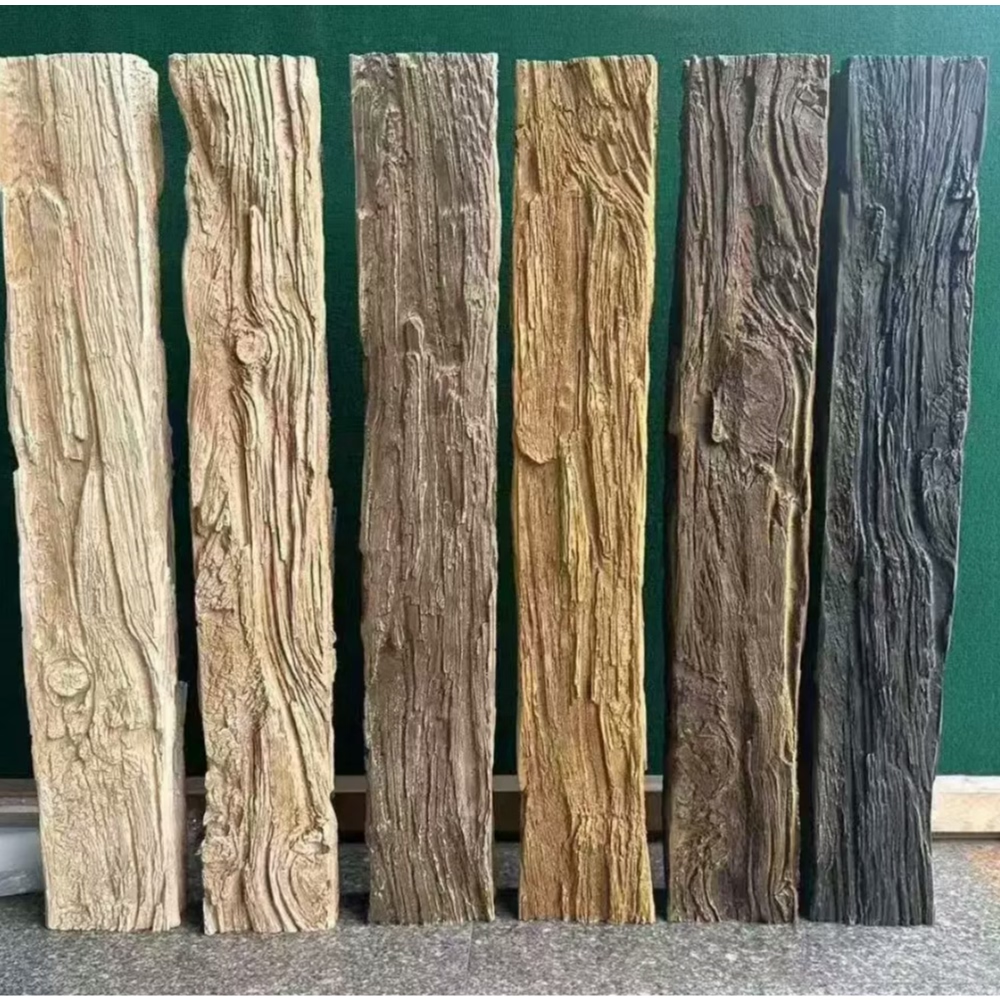
Modern polyurethane manufacturing techniques capture cedar's visual signature with precision that earlier faux materials could not achieve. Molds created from authentic rough-sawn cedar boards reproduce every saw mark, grain variation, and knot detail. When polyurethane fills these molds, the resulting surface presents textures indistinguishable from natural material.
Color application techniques build upon the texture foundation to create convincing cedar appearances. Multi-stage finishing processes layer colorants that follow surface contours, creating the depth and dimension that characterize natural cedar. The warm reddish-browns, subtle color variations, and darkened knot areas all receive appropriate treatment to achieve authentic appearance.
Quality variations exist among manufacturers, just as with any product category. Premium products achieve convincing reproduction through careful mold preparation, appropriate material selection, and sophisticated finishing processes. Budget alternatives may sacrifice fidelity in any of these areas, resulting in beams that look obviously artificial. Specifying quality products from established manufacturers ensures results that meet expectations.
Rustic Lodge and Cabin Applications
Mountain retreats, hunting lodges, and rustic cabins benefit substantially from cedar-textured polyurethane beams. These spaces typically embrace natural materials and traditional craftsmanship as part of their aesthetic identity. Rough-sawn cedar beams contribute warmth, texture, and authenticity that support these design intentions without introducing the maintenance concerns that natural cedar would present.
Vaulted ceilings in lodge and cabin designs provide ideal canvas for beam installations. The rough-sawn cedar texture ensures beams contribute meaningfully to rustic character rather than appearing as incongruous contemporary additions. Parallel placement creates rhythm; perpendicular crossing establishes hierarchy; varied placement accommodates irregular rooflines.
Fireplace surrounds and structural columns in these spaces benefit similarly from cedar-textured polyurethane. The beams can frame fireplaces, define seating areas, or accent architectural features while maintaining the organic, handcrafted character appropriate to rustic design. The durability of polyurethane also proves valuable in these often-remote locations where maintenance access may be limited.
Organic Modern Interior Applications
Counterintuitively, rough-sawn cedar textures increasingly appear in contemporary interiors that seek organic material contrast. The raw, honest character of saw-textured surfaces provides counterpoint to the smooth, refined surfaces common in modern design. This textural contrast creates visual interest and prevents contemporary spaces from feeling cold or sterile.
Minimalist living spaces gain warmth from cedar-textured beam elements without disrupting clean lines or introducing clutter. A single exposed beam, a pair of beams crossing a ceiling, or beams defining a reading nook can establish organic character while respecting minimalist restraint. The texture does the work that additional objects might otherwise perform.
Industrial-modern spaces similarly benefit from cedar texture contrasts. Exposed concrete, steel framing, and mechanical systems create contexts where organic textures provide welcome relief. Cedar-textured beams introduce warmth that humanizes these industrial elements, creating spaces that feel both sophisticated and genuinely comfortable.
Spa and Wellness Environment Applications
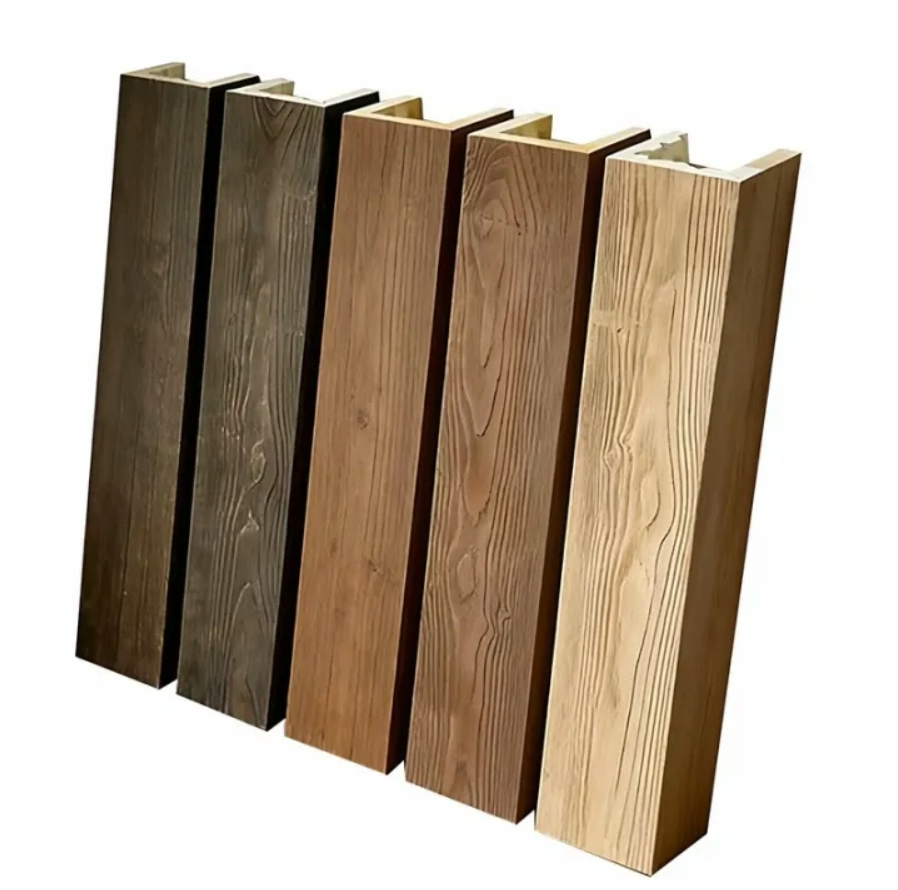
Wellness spaces—spas, meditation rooms, yoga studios—benefit from organic material character that supports relaxation and restoration. The natural warmth of cedar-textured surfaces contributes to these atmospheres without the moisture concerns that natural cedar would present in humid environments. Polyurethane beams can be specified in these challenging locations with confidence.
The cedar aesthetic complements water elements, natural stone, and living plants that commonly populate wellness environments. Textural harmony between these materials creates cohesive environments that feel deliberately designed rather than randomly assembled. Cedar-textured beams can serve as consistent material reference point that ties disparate elements together.
Light cedar coloration suits wellness spaces seeking bright, airy atmospheres. The pale warmth of light cedar tones opens spaces visually while providing organic character that warmer wood tones might overshadow. These lighter options complement contemporary wellness design trends that favor brightness and airiness.

Farmhouse and Country Interior Applications
Farmhouse aesthetics have experienced sustained popularity because they offer warmth and character that contemporary design often lacks. Cedar-textured polyurethane beams contribute substantially to farmhouse interiors seeking authentic rustic character. The saw-textured surface and warm coloration support these design intentions without introducing impractical natural material requirements.
Kitchen and dining spaces in farmhouse designs benefit from beam installations that establish warm, gathering-focused atmospheres. Beams above kitchen islands, across dining room ceilings, or framing range hoods create focal points that support the communal emphasis central to farmhouse living. Polyurethane's durability also proves valuable in these high-activity areas.
Living rooms and family spaces in farmhouse applications incorporate beams as design anchors. The texture provides visual interest that supports comfortable, lived-in atmospheres. Colorations can be specified to complement existing finishes and furnishings throughout these multi-purpose family spaces.
Commercial Retail and Hospitality Applications
Retail environments seeking artisanal or heritage character incorporate cedar-textured beams effectively. The organic texture suggests handcrafted goods and traditional methods, supporting brand narratives that emphasize authenticity and craftsmanship. Polyurethane's durability ensures that these aesthetic benefits persist despite heavy foot traffic and frequent cleaning.
Boutique hotels and bed-and-breakfasts benefit similarly from cedar-textured beam installations. Guest rooms featuring rough-sawn timber aesthetics create memorable experiences that distinguish properties from chain alternatives. The maintenance-free nature of polyurethane proves valuable in hospitality contexts where maintenance disruption affects guest satisfaction and revenue.
Restaurants and cafes with farm-to-table or heritage themes incorporate cedar-textured beams as design elements that reinforce brand positioning. The warm, organic character supports narratives about locally sourced ingredients, traditional preparation methods, and authentic experiences. Polyurethane beams make achieving these aesthetics practical for commercial operations.
Coordination with Other Design Elements
Successful cedar-textured interiors coordinate beam appearance with surrounding materials and finishes. Stone and brick complement cedar through shared organic qualities. Natural fiber textiles echo cedar's textural character. Metal accents provide contrast that prevents monotony while harmonizing through appropriate color selections.
Lighting design affects cedar texture presentation significantly. Natural daylight reveals surface detail that artificial lighting may flatten or emphasize differently. Consider light source directions when planning beam placement to ensure texture visibility throughout the day. Supplementary lighting can highlight texture through shadow creation, enhancing dimensional quality.
Finishing details at beam terminations and joints require attention to ensure convincing appearance. Natural cedar installations often show some variation at connections; excessive precision in faux beam installation may actually appear unnatural. Some imperfection at joints and transitions can enhance rather than diminish authenticity.
Technical References
ASTM standards cited in every specification
Test Data
Lab results from internal testing program
Updated 2026
Reviewed against current product specs


