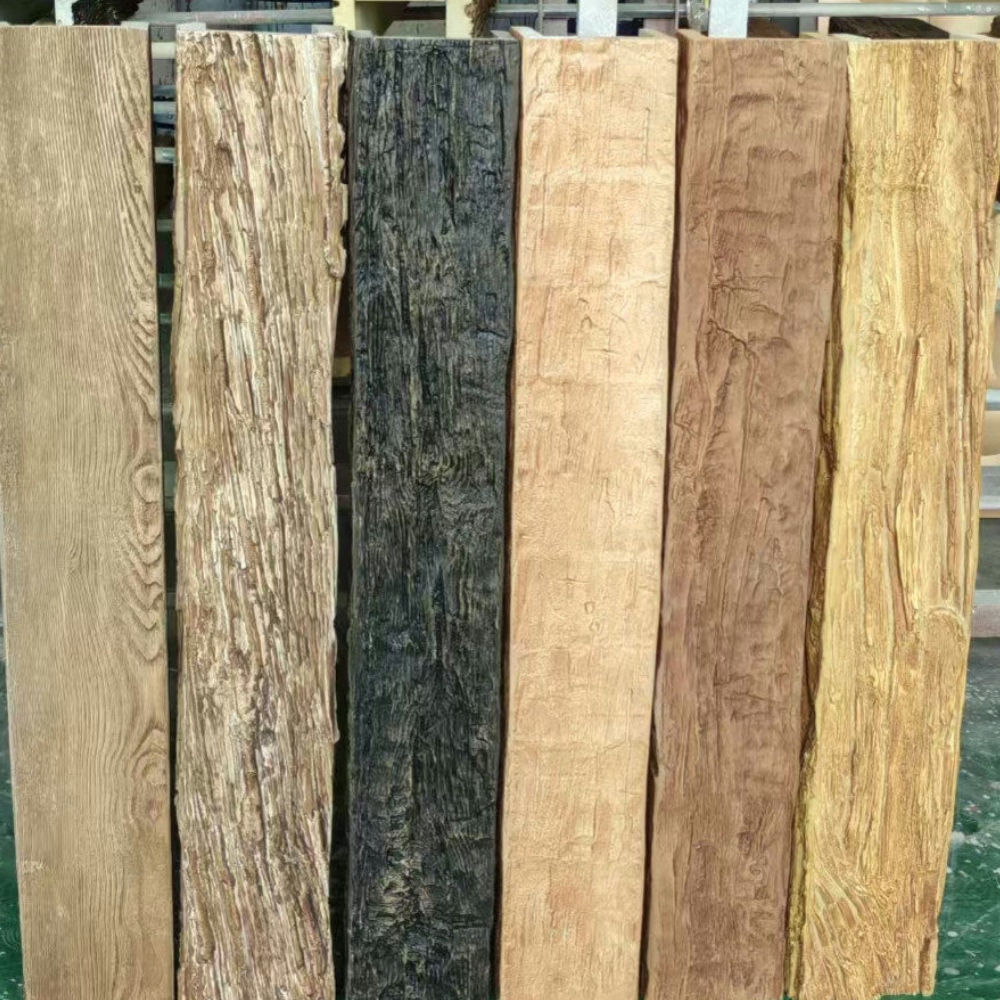
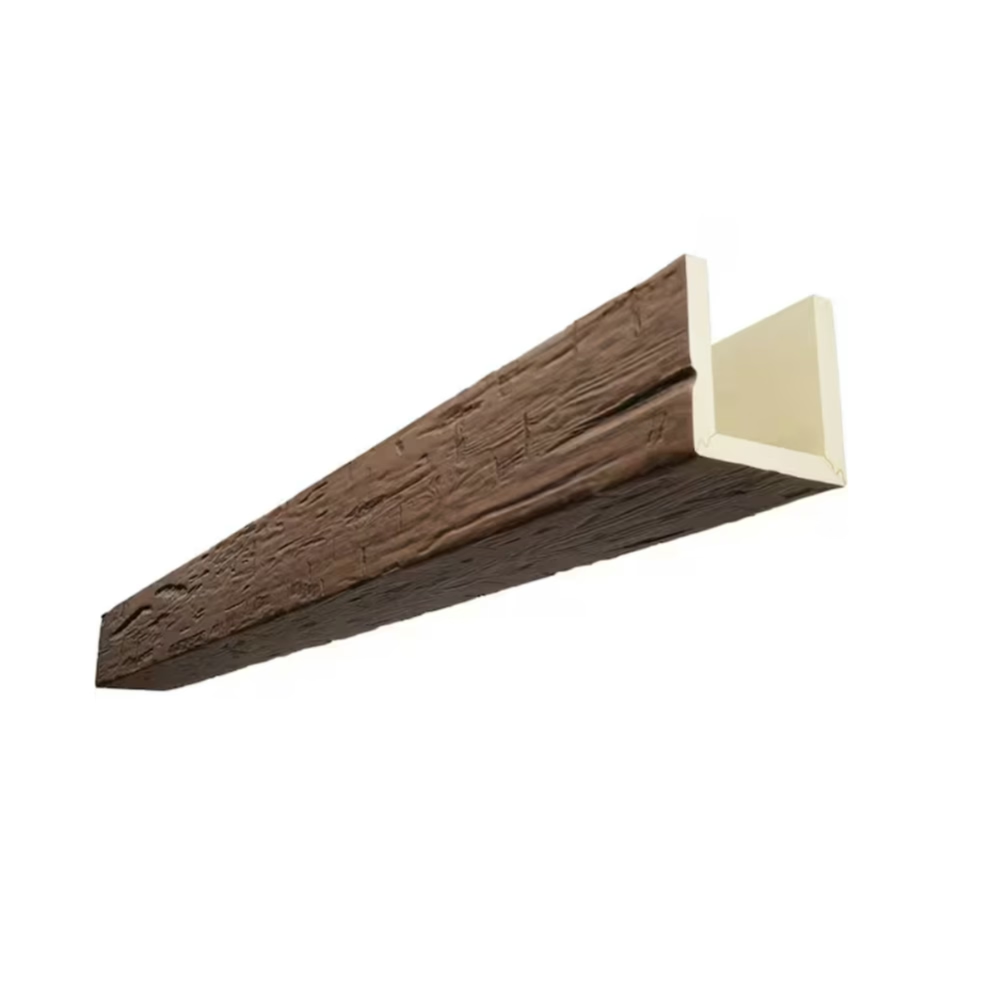
Farmhouse interiors have evolved from humble necessity to sophisticated aspiration. What began as practical responses to rural living conditions has become a design language that values honesty, warmth, and connection to natural materials. Oak has always played prominent roles in this aesthetic vocabulary—the wood's durability, distinctive grain, and warm golden tones have graced American farmhouses for generations. Rough-sawn oak texture polyurethane beams bring this heritage aesthetic to contemporary interiors without the practical limitations that natural oak would present.
The appeal of farmhouse style extends beyond aesthetics to lifestyle aspirations. These interiors suggest simpler times, genuine craftsmanship, and authentic materials. They offer antidote to the disposable, impersonal character of much contemporary design. For homeowners seeking spaces with genuine personality, farmhouse aesthetics provide proven framework for creating inviting, distinctive environments.
Oak's Place in Farmhouse Heritage
American farmhouse architecture developed over centuries, with oak serving as primary structural and finish material throughout much of that history. The wood's abundance in Eastern forests made it practical; its durability made it valued. Fences, floorboards, cabinetry, and structural timbers all employed oak for its combination of strength and beauty.
The rough-sawn texture that early milling methods produced became defining characteristic of farmhouse wood surfaces. Traditional sawmill processes cut across grain, creating prominent patterns that characterized the rustic appearance now associated with heritage construction. This texture remains powerful aesthetic element that contemporary farmhouse designs seek to incorporate.
Authentic rough-sawn oak beams from heritage structures have become rare and expensive. Reclamation operations supply what they can, but demand far exceeds available supply. The scarcity drives prices upward and forces compromises in project scope. Polyurethane faux beams offer alternative that captures oak's visual character while becoming readily available at predictable costs.

Capturing Oak's Distinctive Character
Oak's visual character differs from other domestic hardwoods in recognizable ways. The wood displays prominent ray fleck in quarter-sawn cuts, creates dramatic figure patterns around knots, and develops rich golden coloration with exposure to light. These characteristics together create the distinctive appearance that distinguishes oak from other species.
Mold preparation for polyurethane reproduction begins with authentic rough-sawn oak surfaces. Every detail—the saw marks crossing grain patterns, the color variations between earlywood and latewood, the dark outlines of knot formations—transfers into molds that will reproduce these characteristics consistently. The resulting polyurethane surfaces present oak's visual signature with remarkable fidelity.
Finishing processes layer colorants that recreate oak's warm golden tones. The natural aging that light causes in real oak can be approximated through finishing techniques, creating coloration that appears established rather than freshly applied. Knots receive appropriate darkening that suggests age and depth. The cumulative effect creates beams that appear genuinely old rather than newly manufactured.
Kitchen Applications in Farmhouse Design
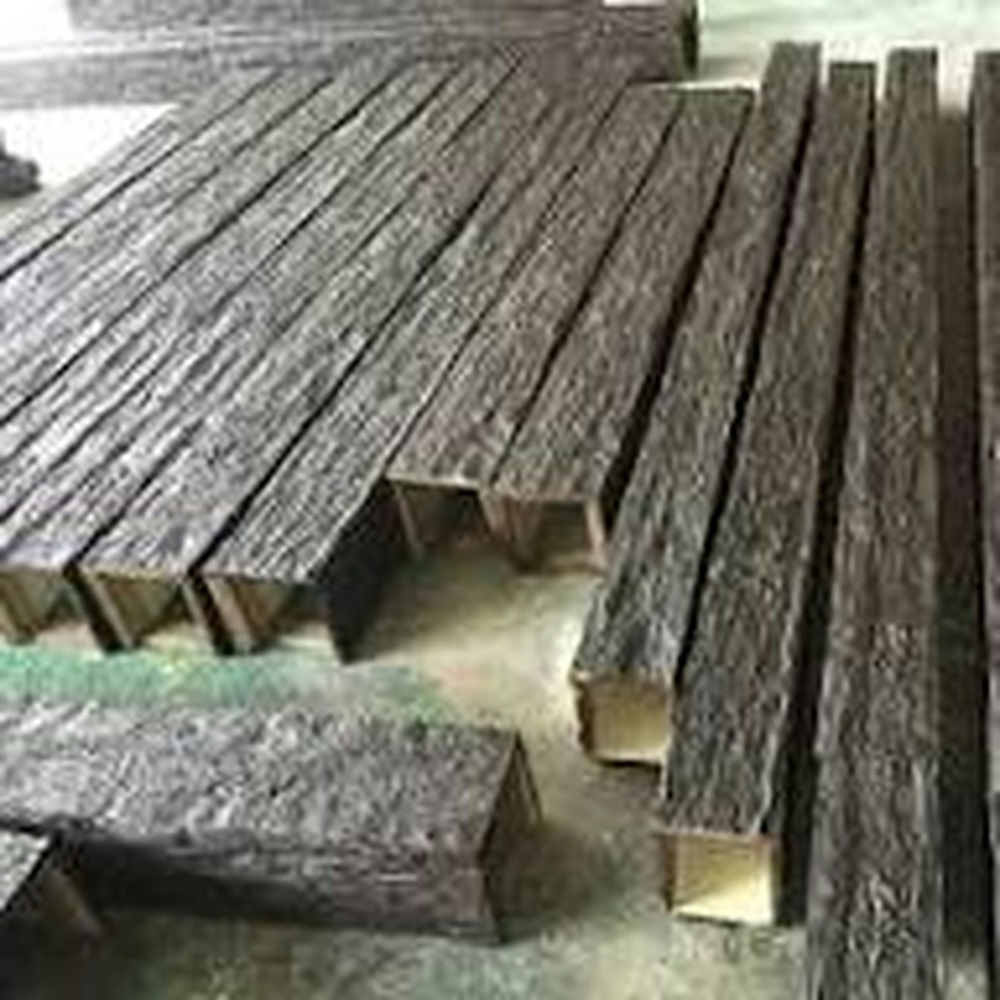
Farmhouse kitchens represent perhaps the most demanding beam application environment. These spaces serve as family gathering points, entertaining venues, and functional work areas simultaneously. Beams in kitchen applications must withstand humidity, temperature variation, and occasional splashing while maintaining appearance quality that affects the room's character substantially.
Rough-sawn oak texture beams in farmhouse kitchens provide visual warmth that balances functional stainless steel and stone surfaces. Beams crossing ceilings establish architectural framework; beams framing ranges or islands create focal points; beams accenting window areas introduce organic character. These multiple applications together create cohesive kitchen environments that feel both practical and genuinely welcoming.
The durability of polyurethane proves especially valuable in kitchen applications. Natural wood beams in these spaces would require ongoing maintenance to withstand moisture, grease, and temperature variations. Polyurethane beams maintain their original appearance indefinitely without any treatment beyond occasional cleaning.
Living Room and Great Room Applications
Open-plan farmhouse living often incorporates beams as spatial organizers and visual anchors. Ceiling beams define functional zones without requiring walls; they establish hierarchy that helps occupants understand spatial relationships. In great rooms with dramatic scale, beams create human-scaled interest that prevents spaces from feeling cavernous.
Rough-sawn oak texture provides visual richness that supports comfortable, gathered-around atmospheres. The wood's warm tones create intimate feeling despite generous dimensions. The textured surface provides visual complexity that invites examination and discovery. Together, these characteristics make beam-adorned living spaces genuinely inviting rather than merely impressive.
Fireplace features in farmhouse living rooms gain substantial enhancement from oak-textured beam installations. The combination of rough timber and fire creates the quintessential farmhouse gathering space. Beam mantels, exposed beam ceilings, and structural columns around fireplaces all contribute to this powerful architectural image.

Bedroom and Bath Applications
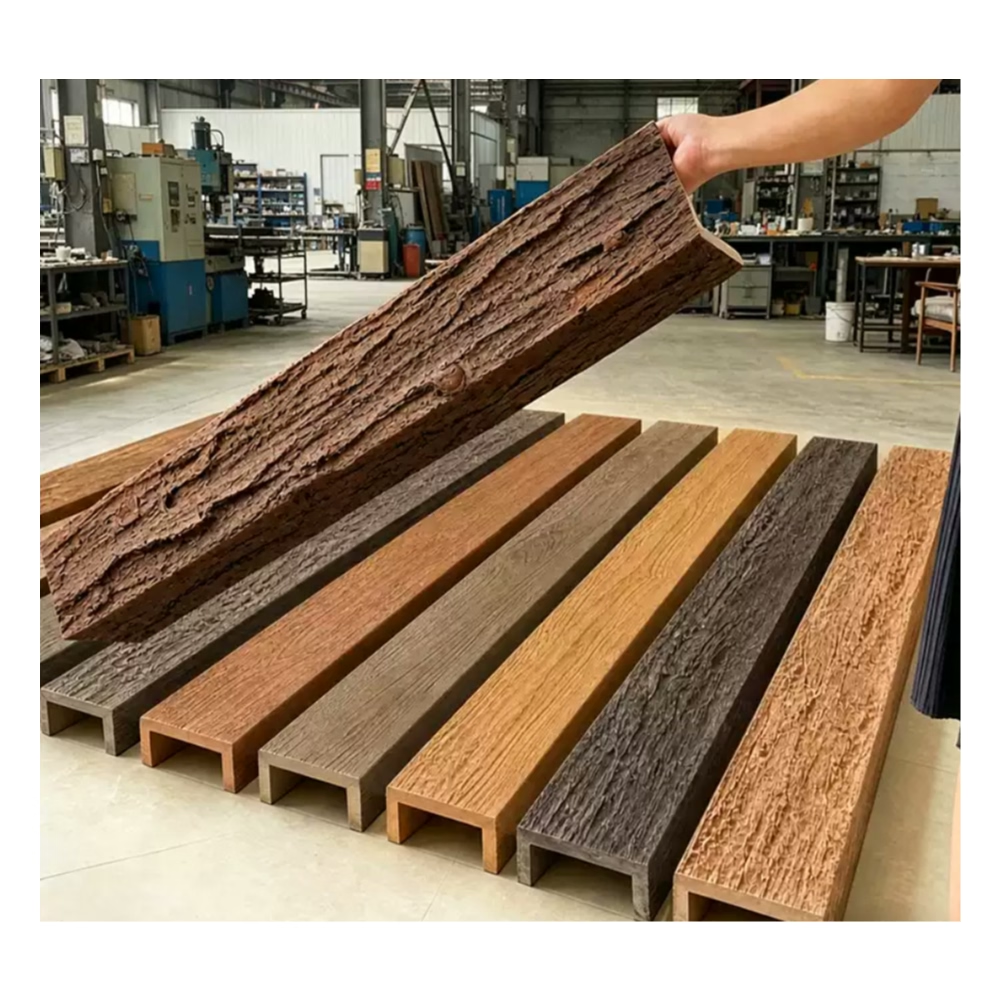
Farmhouse bedrooms can incorporate oak texture beams as design elements that establish comfort and character. Ceiling beams create canopy-like enclosure without solid overhead coverage; the gaps between beams maintain openness while defining sleeping zones. The warm oak tones complement natural linens, aged furniture, and collected antiques common in farmhouse bedroom design.
Bathrooms present moisture challenges that farmhouse aesthetics must address. While farmhouse design traditionally employed painted wood that tolerates moisture exposure through regular maintenance, contemporary approaches can employ polyurethane beams that withstand humid conditions indefinitely. Oak texture beams in farmhouse bathrooms contribute warmth that stone and tile alone might not provide.
Entry and Transition Space Applications
Farmhouse entries set the tone for entire homes. These transition spaces should establish the authentic, welcoming character that defines farmhouse design. Rough-sawn oak texture beams framing entry ceilings, accenting coat areas, or highlighting architectural features create immediate impressions of genuine craftsmanship and careful attention to material quality.
Hallways and transitional spaces benefit similarly from beam installations. These often-overlooked areas can become design opportunities rather than merely connective passages. Beam elements introduce visual interest; textured oak surfaces catch available light to create changing appearances throughout the day.
Commercial Farmhouse Applications
The farmhouse aesthetic has expanded from residential design into commercial hospitality applications. Restaurants featuring farm-to-table concepts, boutique hotels styled as heritage properties, and retail spaces seeking artisanal character all employ farmhouse design language. Oak texture beams contribute substantially to these commercial applications.
Durability requirements in commercial applications favor polyurethane construction. Natural wood beams in restaurants, hotels, and retail spaces face heavy use, frequent cleaning, and constant visibility. Polyurethane beams maintain appearance despite these demanding conditions while providing the authentic aesthetics that commercial farmhouse design requires.
Maintenance considerations also favor polyurethane in commercial contexts. Business operators appreciate eliminated maintenance requirements that would otherwise demand staff attention or contractor services. The consistent appearance quality also supports brand standards across multiple locations.
Coordinating Oak Beams with Farmhouse Finishes
Successful farmhouse interiors coordinate beam appearance with surrounding materials throughout. White-painted trim, natural wood accents, stone or brick surfaces, and natural fiber textiles all interact with oak-textured beams. Attention to these relationships ensures cohesive rather than cluttered appearances.
Color temperature relationships matter in these coordinations. Oak's warm golden tones harmonize with other warm materials but may conflict with cool-toned finishes. Subtle color adjustments in surrounding materials can improve harmony without requiring exact matching.
Texture scale affects visual relationships as well. The coarse texture of rough-sawn oak should relate appropriately to other surface textures in the space. Too many competing textures create visual chaos; too few create monotony. Oak beams can provide dominant texture element that coordinates with subtler surrounding surfaces.
Investment Considerations for Farmhouse Projects
The authentic appearance that quality polyurethane beams provide justifies investment in any project where aesthetic quality matters. While natural rough-sawn oak beams might be specified for authenticity, practical limitations often make this approach impractical. Polyurethane faux beams offer viable alternative that delivers visual benefits without the compromises that natural material would require.
Total project cost analysis should consider installation efficiency alongside material costs. The light weight and consistent dimensions of polyurethane beams typically reduce installation labor compared to natural timber. These savings partially offset higher material costs and often result in competitive total installed prices.
Technical References
ASTM standards cited in every specification
Test Data
Lab results from internal testing program
Updated 2026
Reviewed against current product specs