Pine has built more American homes than any other wood species. Its combination of workability, availability, and appearance has made it the default choice for generations of builders and homeowners. The light coloration, prominent grain, and rough-sawn texture that characterize pine construction lumber create a visual vocabulary that polyurethane faux beams can reproduce, bringing organic rustic warmth to contemporary interiors with practical advantages that natural pine cannot match.
The bright, open feeling that pine surfaces create distinguishes them from darker wood options. Where oak and walnut create intimate, enclosed atmospheres, pine opens spaces visually. This characteristic makes pine-textured beams particularly suitable for smaller spaces, north-facing rooms, or designs seeking to maximize perceived spaciousness.
Pine's Visual Characteristics
Authentic pine surfaces display recognizable features that contribute to their distinctive appearance. The wood's rapid early growth produces wide annual rings with prominent latewood bands. These rings create the bold, pronounced grain patterns that characterize pine construction lumber. Saw-textured surfaces emphasize these patterns, creating visual texture that adds interest without requiring elaborate distressing.
Coloration in pine ranges from nearly white in sapwood to warm honey tones in heartwood. The contrast between lighter and darker zones creates natural variation that prevents monotonous appearance. Knots appear frequently, ranging from small tight formations to large dark ovals that become visual focal points. Each piece of pine differs from every other, ensuring that installations incorporating multiple boards maintain visual interest through natural variation.
The softwood nature of pine creates practical implications for finished appearance. The wood accepts stain and finish unevenly, with earlywood absorbing more than latewood. This characteristic can produce pronounced grain highlighting or blotchy appearance depending on finishing techniques. Polyurethane reproduction can capture the appearance of expertly finished pine without the finishing complications that natural material presents.

Manufacturing Pine-Texture Polyurethane
Creating convincing pine texture in polyurethane requires careful attention to the specific characteristics that distinguish pine from other species. Mold preparation begins with selection of authentic pine surfaces that display the desired combination of grain prominence, color range, and knot frequency. Multiple source boards ensure that variation within product lines can accommodate different project requirements.
Surface texture reproduction must capture the saw marks that define rough-sawn pine appearance. These marks follow grain direction, creating parallel lines of varying depth and definition. The texture should be substantial enough to create visual interest without appearing artificially exaggerated. Quality products achieve this balance through careful mold preparation and appropriate finishing.
Color application requires techniques that recreate pine's natural variation. Layered finishing processes apply colorants that follow surface contours, creating depth and dimension. Knot areas receive appropriate darkening that suggests age and character. The cumulative effect should present pine's warm, inviting appearance without appearing freshly painted or obviously synthetic.
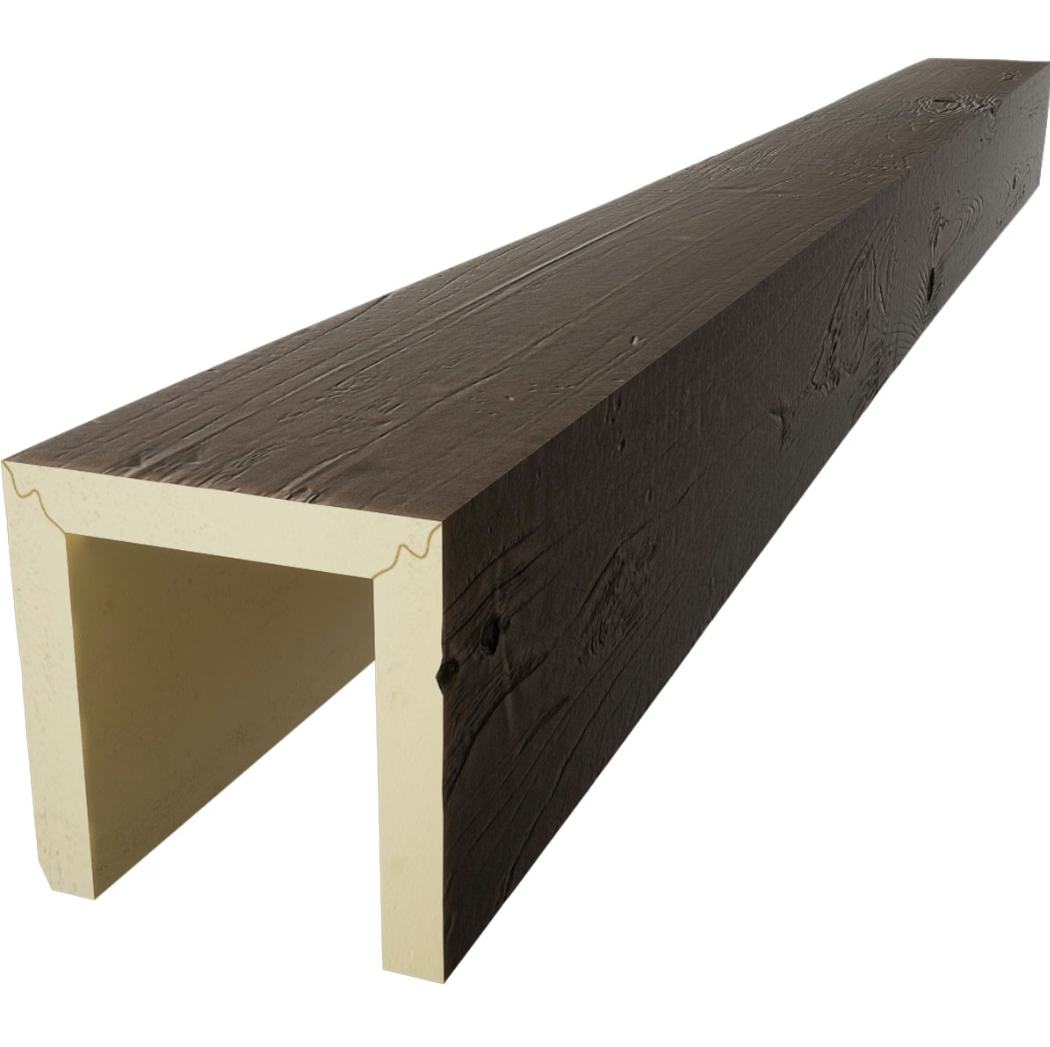
Brightening Small Spaces
Pine-textured beams offer particular advantages in smaller residential spaces where brightening effects matter significantly. The light coloration reflects available illumination, contributing to spacious feeling that darker materials might diminish. Beams crossing low ceilings create architectural interest without heavy visual weight that could overwhelm limited dimensions.
Kitchens in compact homes benefit from pine beam installations that introduce rustic character without sacrificing openness. Beam accents around ranges, across ceiling spans, or framing islands add warmth without the visual compression that heavier materials might create. The organic texture provides counterpoint to the functional surfaces—tile, laminate, stainless steel—that kitchen design typically emphasizes.
Bedrooms seeking cozy rather than cramped impressions incorporate pine-textured beams as design elements that establish comfort without enclosing the space. The light wood tones prevent the heavy, overscaled feeling that dark beams might create. Multiple beam installations can add substantial visual interest while maintaining the openness that smaller bedrooms require.
Achieving Organic Character
The term "organic" in interior design references spaces that feel naturally assembled rather than deliberately designed. Organic interiors embrace material authenticity, reject synthetic perfection, and suggest growth or development rather than manufacture. Pine-textured beams contribute substantially to organic character through surface qualities that cannot be achieved through smooth, refined manufacturing.
The saw-textured surface of rough-sawn pine creates tactile qualities that invite touch and suggest honest material. Unlike polished surfaces that discourage handling, textured wood presents warmth that responds positively to contact. This tactile dimension contributes to the authentic, lived-in feeling that organic interiors seek to create.
Natural variation within pine installations supports organic character as well. The difference between individual boards—their unique grain patterns, color variations, and knot placements—prevents the uniform, manufactured appearance that perfection-oriented design produces. This variation suggests the organic processes—growth, aging, use—that create authentic materials.
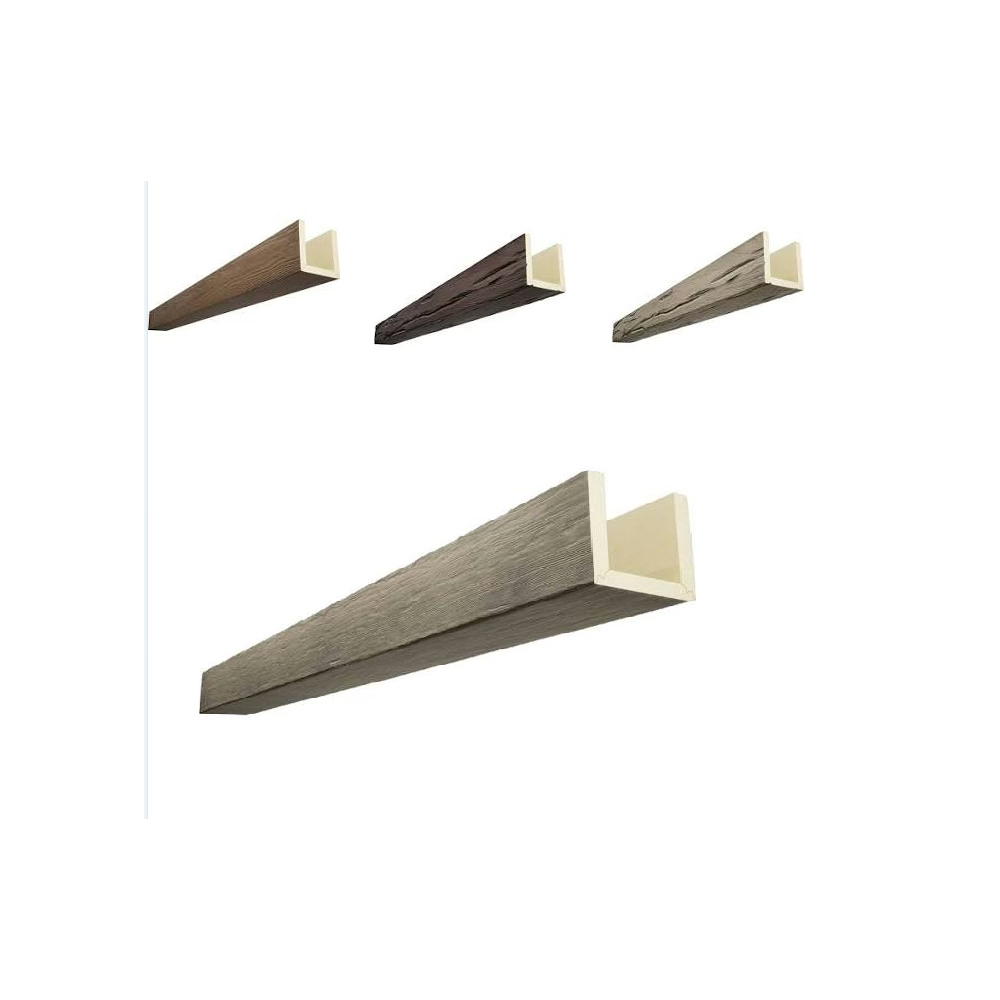
Coastal and Beach-Inspired Interiors
Pine's light coloration aligns naturally with coastal and beach-inspired interior design. These aesthetics favor bright, airy spaces that recall sun-bleached driftwood, sunlit sand, and open ocean horizons. Pine-textured beams contribute organic warmth without the heavy, dark character that might conflict with coastal openness.
Beach houses and coastal retreats benefit from pine beam installations that complement whitewashed finishes, natural linen textiles, and collected seaside objects. The wood's warmth prevents these spaces from feeling cold despite abundant white surfaces. Beam texture provides visual interest that balances the simplicity that coastal aesthetics often embrace.
Vacation rental properties benefit substantially from the durability of polyurethane construction. Unlike natural pine that might show wear and weathering in high-turnover vacation environments, polyurethane beams maintain consistent appearance despite heavy use and varied maintenance approaches. This reliability supports consistent guest experience that drives positive reviews and repeat bookings.
Scandinavian and Nordic Design Integration
Scandinavian design principles share characteristics with both rustic and contemporary aesthetics, emphasizing natural materials, functional simplicity, and understated beauty. Pine has long served Scandinavian designers, who value the wood's light warmth and workability. Rough-sawn pine texture beams can support Scandinavian design intentions while offering practical advantages that natural material would not provide.
The connection to nature that Scandinavian design emphasizes finds expression in organic textures, natural colorations, and honest material presentation. Pine-textured beams contribute all three elements—surface texture, warm coloration, and material authenticity—without introducing the maintenance concerns that natural wood would present in contemporary Scandinavian interiors.
Minimalist Scandinavian spaces benefit from the way pine beams add warmth without disrupting clean lines. A single beam, or a pair of beams framing a specific area, can establish the organic character that these spaces seek while respecting the restraint that minimalist design requires. The texture does the work that additional decorative elements might otherwise perform.

Budget-Conscious Design Applications
The availability and workability of natural pine has made it traditional choice for budget-conscious projects. When authentic rough-sawn pine beams exceed project budgets, polyurethane alternatives provide practical solution. The visual similarity between quality faux beams and natural pine allows budget-limited projects to achieve intended aesthetics without compromising on appearance.
Cost comparisons should consider total project economics rather than material unit prices alone. Natural pine beams require finishing—staining, sealing, possibly distressing—that adds labor costs and material expenses. Polyurethane beams arrive ready for installation with factory-finished surfaces. When these factors enter the analysis, the apparent cost premium for faux beams often diminishes substantially.
Commercial applications with limited budgets benefit particularly from polyurethane alternatives. Small retail spaces, startup restaurants, and emerging hospitality concepts can achieve premium aesthetics that support brand positioning without exhausting limited capital. The ability to specify quality appearance at predictable costs enables confident design decisions.
Coordinating with Existing Finishes
Existing finishes in renovation projects constrain beam selection significantly. The light coloration of pine-textured beams harmonizes with various existing treatments—white walls, natural wood floors, stone accents—but coordination requires attention to specific relationships rather than generic assumptions.
Testing color compatibility through samples helps ensure successful coordination. Natural materials vary; the specific pine tone that complements one room's finishes might not suit another's. Requesting samples and comparing them against existing elements allows confident specification.
Lighting conditions affect appearance significantly. The same beam will appear different under warm incandescent lighting, neutral fluorescent sources, and daylight. Evaluate beams under actual project lighting conditions whenever possible to avoid surprises after installation.
Durability Advantages in High-Use Applications
The durability of polyurethane provides advantages beyond maintenance elimination. Natural pine surfaces show wear gradually—scratches, dents, and surface damage accumulate over time. Polyurethane surfaces resist impact damage that would affect natural wood. This resilience proves valuable in family homes with children, active households, or commercial spaces with heavy traffic.
The closed-cell surface of polyurethane also resists staining and soiling that would require cleaning or refinishing of natural wood. In kitchen applications, this characteristic means beams can contribute warmth without absorbing cooking grease or odors. In children's spaces, it means beams can withstand the active use that young occupants impose.
Achieving Consistent Quality
Natural wood quality varies between boards and between shipments. The specific appearance of installed beams cannot be guaranteed in advance; some selection and rejection typically occurs. Polyurethane beams arrive matching specifications exactly, ensuring consistent appearance throughout installations.
This consistency supports commercial applications where brand standards require predictable results. Multiple installations of the same specification should appear essentially identical, supporting brand identity across locations. Natural wood cannot provide this predictability, making polyurethane the practical choice for commercial projects with strict appearance standards.
Technical References
ASTM standards cited in every specification
Test Data
Lab results from internal testing program
Updated 2026
Reviewed against current product specs


