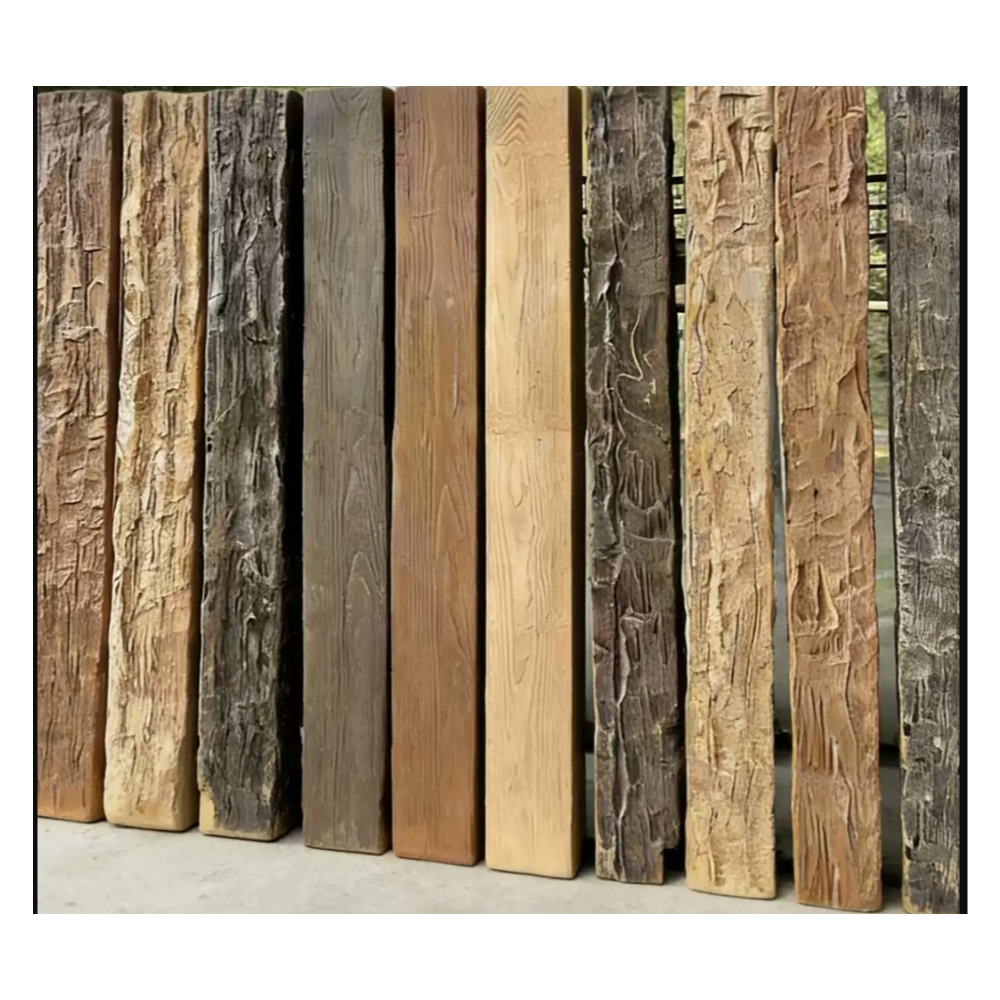
Rustic natural styling speaks to fundamental human desires for authentic connection with materials and spaces. These interiors reject the synthetic perfection of mass production in favor of honest expression, organic textures, and visible evidence of genuine materials. Rough-sawn wood texture beams provide essential element in achieving rustic aesthetics—the authentic character that distinguishes genuinely rustic spaces from merely decorated ones.
The term "natural styling" implies more than just visual appearance. It suggests spaces where materials have been allowed to express their essential natures rather than being disguised or refined into uniformity. Rough-sawn surfaces embody this philosophy perfectly; they present wood exactly as milling processes produce it, without smoothing or artificial enhancement.
The Authenticity Imperative
Contemporary interiors often struggle to achieve authentic rustic character because genuine rough-sawn timber has become scarce and expensive. Reclaimed beams from demolished structures command premium prices; specialty milling for authentic texture adds cost and uncertainty; supply limitations may delay projects indefinitely. These practical barriers prevent many projects from achieving the rustic authenticity they seek.
Polyurethane faux beams dissolve these barriers by providing authentic texture reproduction without the constraints that limit natural material availability. Any quantity of consistent-quality beams can be manufactured to specification; dimensions, profiles, and textures can be selected from available options or customized for specific requirements. This accessibility makes rustic natural styling achievable without compromise.
The authenticity of texture reproduction matters significantly. Superficial distressing—artificial weathering applied to smooth surfaces—produces results that informed observers recognize as fake. Genuine mold reproduction captures the subtleties that distinguish authentic texture from manufactured simulation. Quality differences between products manifest primarily in this authenticity dimension.

Natural Light and Texture Interaction
Natural lighting interacts with rough-sawn surfaces in ways that artificial lighting cannot replicate. As sunlight moves across spaces throughout the day, the changing angles reveal different aspects of surface texture. Shadows shift within grain patterns; highlights travel across saw marks; the apparent depth of texture varies with illumination angle. This dynamic quality adds life to rough-sawn surfaces that static artificial lighting cannot provide.
Window placement significantly affects texture presentation in rustic natural interiors. Beams positioned to catch direct sunlight display texture most dramatically; beams in shadowed areas may appear flatter despite identical surface characteristics. Planning beam placement relative to windows ensures that intended texture effects are achieved.
Skylights and clerestory windows provide illumination that highlights ceiling texture effectively. These overhead light sources cast shadows downward into grain patterns, emphasizing the dimensional quality that rough-sawn surfaces provide. Spaces with substantial overhead glazing benefit most from rough-sawn beam installations.

Complementing Other Natural Materials
Rustic natural styling typically incorporates multiple natural materials beyond wood. Stone, brick, clay, natural fiber textiles, and living plants all contribute to the organic character these interiors seek. Rough-sawn wood beams complement these materials through shared emphasis on authentic texture and natural coloration.
Stone surfaces—whether actual masonry or stone-look alternatives—pair naturally with rough-sawn wood. The weight and permanence of stone balances the warmth and organic quality of timber. Together, these materials create environments that feel established, grounded, and genuinely crafted rather than assembled from manufactured components.
Brick presents similar complementary possibilities. The textural complexity of rough brick and rough-sawn wood together creates rich visual environments that neither material could achieve alone. Color coordination—red brick with honey-toned beams, gray brick with white oak beams—creates harmonious relationships between materials.
Natural fiber textiles enhance rustic environments through their own textural qualities. Woven wool, braided rugs, linen drapes, and cotton upholstery introduce soft textures that complement the hard texture of wood surfaces. These combinations create tactile environments that invite contact and reward habitation.
Scale and Proportion in Rustic Spaces
Achieving convincing rustic character requires appropriate attention to scale and proportion. Authentic rustic construction developed from practical constraints—available materials, traditional methods, proportional systems derived from human dimensions. Replicating these proportions ensures that beam installations contribute to rustic authenticity rather than appearing as contemporary imitations.
Beam dimensions should relate appropriately to surrounding elements. Massive timber framing in industrial lofts establishes dominant character appropriate to vast spaces. Smaller dimensional lumber in intimate cabins creates human-scaled warmth appropriate to confined areas. Selecting beam sizes that match spatial scale ensures comfortable rather than awkward proportions.
Ceiling height affects beam sizing as well. Low ceilings accommodate smaller beams without overwhelming limited vertical dimension. High ceilings can support larger beams that establish appropriate architectural scale. Matching beam proportions to ceiling heights creates harmonious relationships between structural elements.
Country and Farmhouse Integration
Country and farmhouse interiors represent accessible pathways to rustic natural styling. These design traditions have developed over generations, incorporating practical wisdom about comfortable, functional spaces. Rough-sawn wood texture beams contribute essential character that these traditions require.
Farmhouse kitchens benefit substantially from rough-sawn beam installations. The warmth of textured wood balances the practical, often industrial, character of kitchen equipment and surfaces. Beams crossing ceilings, framing ranges, or accenting islands create focal points that establish farmhouse identity throughout these important family spaces.
Living rooms in country and farmhouse styles incorporate beams as design anchors. Fireplace surrounds gain substantial presence when framed with rough-sawn timber. Ceiling beams create visual framework that organizes furniture arrangements and establishes gathering zones within open-plan spaces.
Cabin and Lodge Aesthetic Applications
Mountain cabins, hunting lodges, and rustic retreats embrace rough-sawn textures as essential design elements. These spaces exist to connect occupants with natural surroundings; incorporating materials that suggest the forest environment reinforces this connection. Rough-sawn beams serve this purpose perfectly.
Vaulted ceilings in cabin and lodge designs provide ideal canvas for substantial beam installations. The dramatic rooflines of these structures invite architectural treatment that rough-sawn beams can provide. Multiple beams—parallel, perpendicular, or radial arrangements—create visual complexity that complements the natural settings these buildings occupy.
Fireplaces in rustic retreats gain powerful enhancement from rough-sawn beam elements. The combination of fire, stone, and timber creates the quintessential mountain gathering space. Timber mantels, beam-framed openings, and exposed structural members all contribute to this compelling architectural image.
Lakeside and Waterside Retreats
Properties near water carry additional design considerations beyond those affecting typical rustic interiors. Moisture exposure, humidity variations, and the organic environment create conditions that challenge natural wood materials. Polyurethane beams address these challenges while providing the rustic aesthetics these settings require.
Lake houses, river cabins, and ocean retreats benefit from the moisture resistance that polyurethane provides. Natural wood in these locations would deteriorate rapidly despite treatment; polyurethane maintains appearance indefinitely regardless of humidity exposure. This durability enables design approaches that natural material would not support.
The aesthetic relationship between water and wood creates natural harmony in waterside interiors. The organic character of rough-sawn beams complements water views, natural shorelines, and the outdoor environments these properties celebrate. Textured wood surfaces create warmth that balances the cooling influence of water proximity.

Achieving Depth and Dimensional Interest
The most compelling rustic interiors create genuine dimensional interest through texture and shadow. Rough-sawn surfaces that merely display surface variation without creating meaningful depth fail to achieve authentic rustic character. Quality polyurethane reproduction captures the depth that distinguishes genuinely old timber from smooth surfaces with artificial weathering applied.
Surface preparation during finishing affects dimensional quality significantly. Stains and colorants that follow surface contours create the illusion of depth; flat, uniform coloration flattens apparent dimension. Premium finishing processes layer colorants strategically to enhance rather than obscure surface relief.
Lighting design should emphasize rather than flatten texture. Directional light sources create shadows within grain patterns and saw marks, enhancing dimensional perception. Diffuse lighting fills shadows and reduces the contrast that creates depth. Considering lighting during design development ensures that installed beams achieve intended effects.
Investment Value for Rustic Projects
Rustic natural styling projects benefit from considering lifecycle value rather than initial material costs alone. Polyurethane beams cost more initially than dimensional lumber but provide advantages that affect long-term economics. Consistent appearance quality, eliminated maintenance, and extended service life all contribute to value that initial pricing does not reflect.
The specific advantages that polyurethane provides align perfectly with rustic design intentions. Authentic appearance supports the aesthetic goals that motivate rustic styling. Durability ensures that carefully designed spaces maintain intended character despite time and use. Maintenance-free performance preserves the casual, effortless atmosphere that rustic interiors should project.
For commercial rustic applications—hospitality venues, retail environments, destination restaurants—these advantages become even more significant. Business operations cannot accommodate maintenance disruptions; appearance quality directly affects customer experience and revenue. Polyurethane beams provide aesthetic benefits without operational compromises.
Technical References
ASTM standards cited in every specification
Test Data
Lab results from internal testing program
Updated 2026
Reviewed against current product specs


