The man cave concept has evolved from afterthought storage space to carefully designed personal sanctuary. These rooms serve as retreats from everyday demands—spaces where homeowners can pursue interests, entertain friends, and express personality without compromise. The design language that defines effective man caves tends toward the rugged and masculine: substantial materials, bold textures, and character that suggests rather than精致 refinement.
Ceiling beams contribute substantially to the masculine character that man caves seek. The overhead plane receives constant attention in these spaces; empty ceilings feel cavernous and incomplete. Beams that introduce weight, texture, and architectural interest transform generic rooms into destinations. Polyurethane faux beams provide the rugged aesthetics these spaces demand while offering practical advantages that active man cave use requires.
Defining Modern Man Cave Aesthetics
Contemporary man cave design borrows from multiple traditions while remaining distinctly its own category. Industrial elements—exposed steel, concrete, and mechanical systems—establish the utilitarian foundation. Rustic touches—weathered wood, natural textures, organic materials—introduce warmth that prevents industrial coldness. Sports and hobby references personalize spaces to individual interests.
The overall effect should feel like a working environment that has been thoughtfully designed rather than a formal room that happens to contain personal items. The best man caves achieve this balance through material selection and composition. Beams contribute substantially to this balance by introducing organic weight that humanizes industrial elements.
Color palettes for man caves tend toward darker, richer tones than living areas might employ. Deep browns, charcoal grays, warm blacks, and accent colors drawn from sports teams or hobby interests create cohesive environments. Beam selection should coordinate with these palettes while introducing enough visual interest to justify their prominence.
Character-Building Beam Selection
Not all beams suit man cave applications equally. The character that these spaces seek requires substantial texture, pronounced grain patterns, and finishes that suggest honest wear rather than careful maintenance. Beams that appear too refined, too light, or too perfectly finished undermine the masculine atmosphere that effective man caves require.
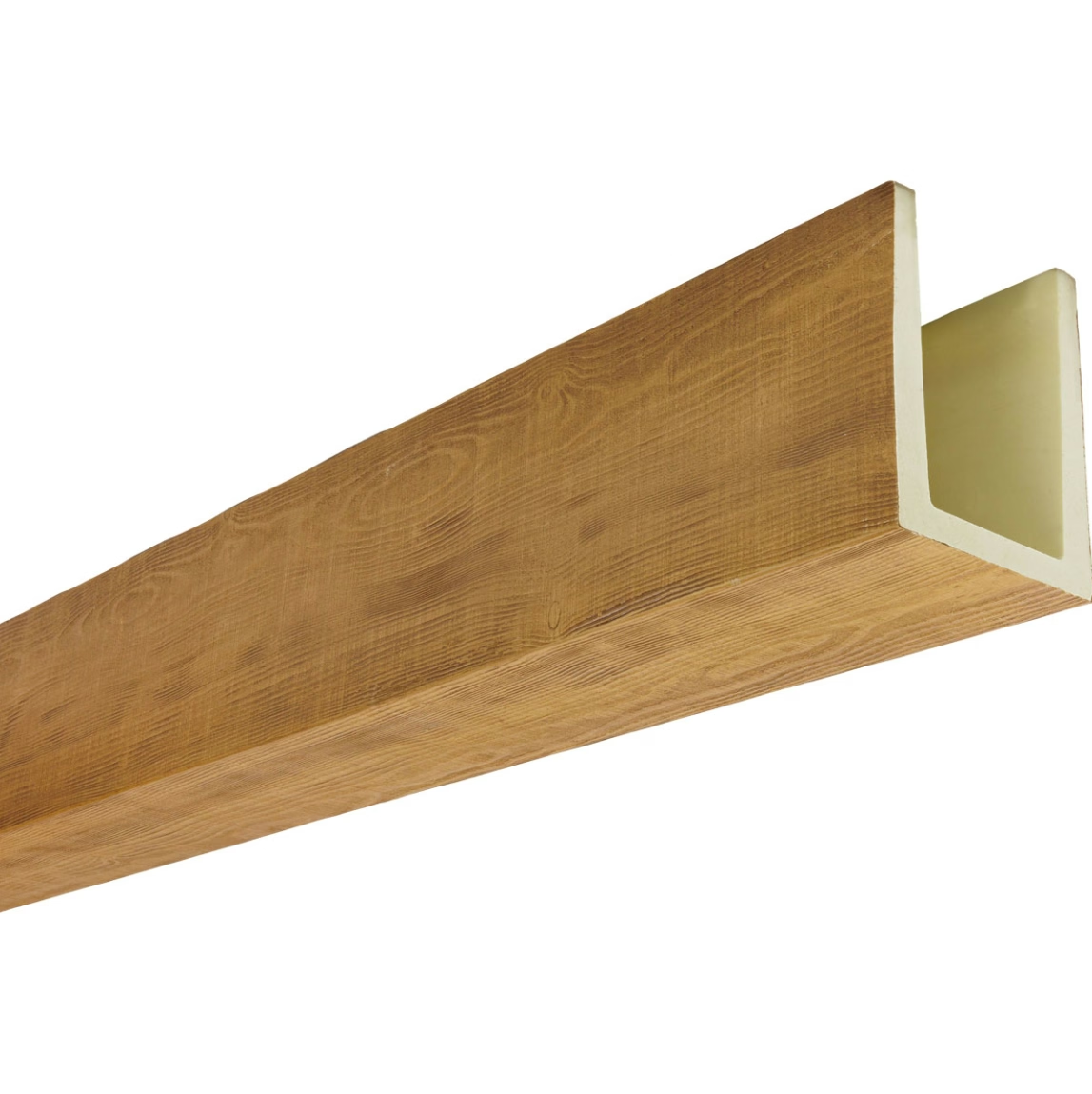
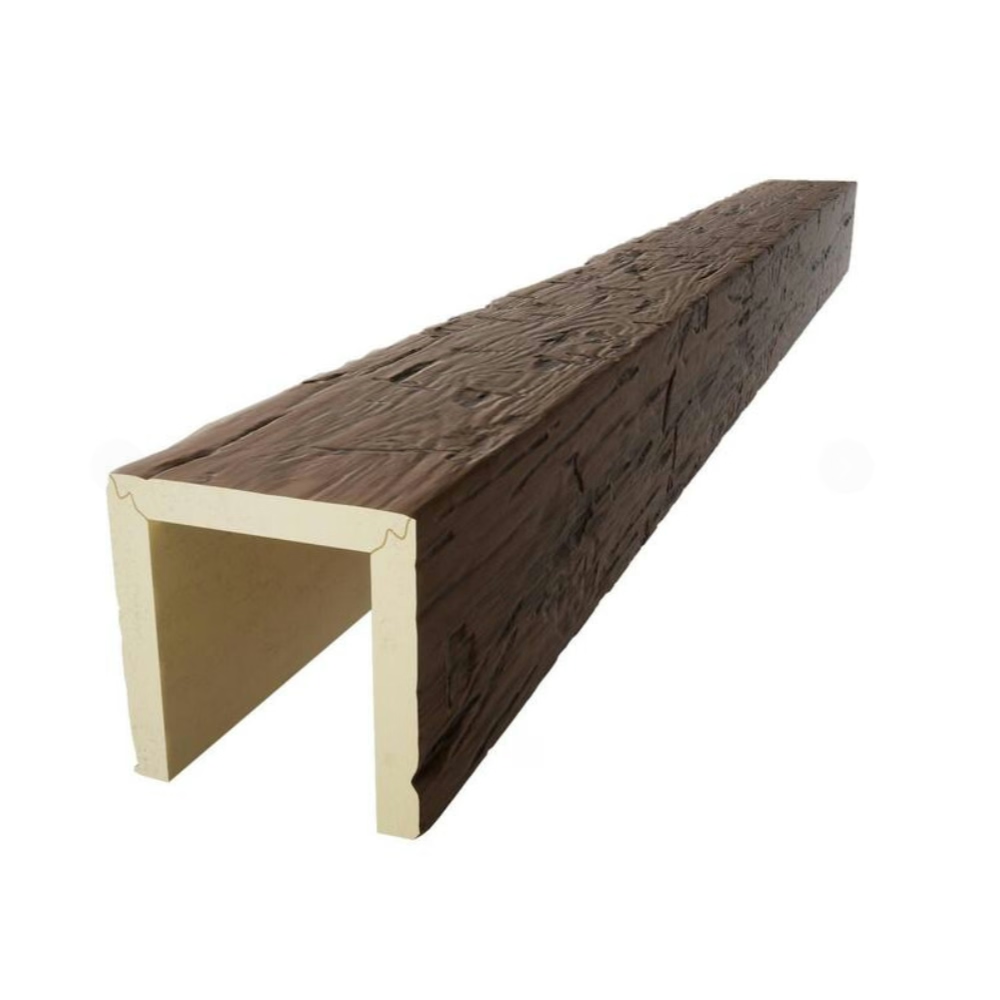
Rough-hewn textures serve these spaces well. The visual weight that substantial texture provides balances the bold character that man caves embrace. Wire-brushed surfaces introduce subtle refinement while maintaining rugged character. Heavy distressing creates the appearance of long service without visible deterioration.
Darker finish options often suit masculine interiors better than pale alternatives. Rich walnut and mahogany tones establish warmth; charcoal and ebony finishes create dramatic presence. These deeper colors also hide dust and use marks better than lighter alternatives, maintaining clean appearance despite active use.

Entertainment Zone Applications
Man caves designed around entertainment—home theaters, sports viewing areas, gaming spaces—benefit from ceiling beams that create focused, enclosed atmospheres. The visual weight of beams draws attention downward from the ceiling plane, establishing the intimate feeling that these spaces require.
Home theater applications particularly benefit from beam installations. The controlled lighting environment allows beams to create dramatic shadow effects; the focused attention that theater seating creates means that ceiling elements receive sustained observation. Quality beam installations enhance the theatrical atmosphere that home theaters should create.
Sports viewing spaces benefit from beams that establish the bar-like atmosphere that game watching demands. The rugged character of textured beams contributes to this atmosphere while supporting display arrangements that fans require. Beams can frame screens, define seating zones, and create the visual excitement that game days deserve.
Workshop and Hobby Space Applications
Man caves dedicated to hobbies—woodworking, automotive restoration, home brewing—benefit from rugged beam aesthetics that support active, messy use. These spaces should feel like working environments, not formal rooms; beams that introduce organic texture and honest character reinforce this working identity.
Workshop applications require durable materials that tolerate impacts, scratches, and occasional abuse. Polyurethane beams provide this durability naturally; the material resists damage that would mark natural wood. This resilience proves valuable in spaces where project work might involve bumping, scraping, or spilling.
The masculine character that beams provide balances the technical equipment, tools, and supplies that hobby spaces require. Beams introduce warmth and humanity that prevent these spaces from feeling like garages or warehouses. This balance creates environments that inspire productive work while remaining comfortable for extended occupation.
Sports Memorabilia Display Applications
Man caves housing sports collections need display environments that honor the significance of accumulated memorabilia. Beams contribute to this atmosphere by introducing the substantial, established character that impressive collections deserve. The room should feel like a shrine to team loyalty rather than a cluttered storage area.
Beam installations can frame display areas, highlight collection zones, and create visual hierarchy that guides attention through the space. The rugged texture suggests the physical intensity of sports; the organic warmth balances the often-metallic character of sports equipment and displays.
Lighting integration with beam installations enhances memorabilia display. Beams can conceal lighting that illuminates collections; the textured surfaces create interesting shadow patterns when lit dramatically. This integration supports the museum-like presentation that significant collections merit.
Music and Entertainment Applications
Man caves dedicated to music—whether listening rooms, practice spaces, or performance venues—benefit from acoustic considerations alongside aesthetic ones. Ceiling beams can address both concerns when appropriately specified. The mass that substantial beams provide helps control sound reflections; the textured surfaces diffuse acoustic energy.
Listening rooms for high-fidelity audio benefit from beam installations that create the intimate, focused atmosphere that serious listening requires. Beams can define the listening zone, establish visual boundaries, and introduce the warm character that acoustic treatments should achieve. The rugged aesthetics support the serious, dedicated character that audiophile spaces should project.
Practice spaces for instruments benefit similarly from beam-enhanced atmospheres. The working character that beams establish supports the productive practice that these spaces should encourage. Durable materials that tolerate impacts from drum sticks, guitar cases, and equipment handling maintain appearance despite the active use that practice involves.

Integrating Multiple Design Elements
Successful man cave design integrates beams with surrounding elements throughout the space. Sports memorabilia, entertainment systems, hobby equipment, and comfortable seating all occupy these rooms; beam installations should coordinate with rather than compete against these elements.
Color coordination ensures that beams contribute to rather than disrupt overall design harmony. The specific colors—whether matching other wood elements or providing contrast—depend on the overall palette. Testing beam samples against existing and planned finishes helps ensure successful coordination.
Scale relationships between beams and other elements require attention as well. Massive beams in small rooms overwhelm; delicate beams in vast spaces disappear. Selecting beam proportions appropriate to room dimensions and other element scales ensures comfortable rather than awkward relationships.
Lighting Integration Strategies
Lighting design significantly affects beam presentation in man cave interiors. The dramatic, masculine atmosphere these spaces require benefits from lighting that creates shadows, highlights texture, and establishes mood. Standard overhead lighting flattens appearance; directional and accent lighting reveals texture and dimension.
Track lighting and adjustable fixtures allow beam highlighting while providing functional illumination. Positioning fixtures to graze beam surfaces with light emphasizes texture; angling fixtures to illuminate from below creates dramatic shadow patterns. These techniques transform beam appearance throughout the day as natural light changes.
LED lighting integration enables effects that traditional fixtures cannot achieve. Color-changing LEDs can shift atmosphere from daytime activity to evening relaxation. Dimming capabilities adjust ambiance to match current use. Smart lighting integration allows voice or app control of lighting scenes.
Durability for Active Use
Man caves hosting active hobbies—woodworking, automotive work, home brewing—subject materials to demanding conditions. Impacts, scratches, chemical exposure, and temperature variations all affect surfaces in these spaces. Materials that cannot withstand such conditions deteriorate quickly, undermining the established atmosphere that man caves should maintain.
Polyurethane beams handle these conditions naturally. The material resists impact damage that would dent or scratch natural wood; it tolerates chemical exposure that might stain or discolor natural material. Temperature variations create no dimensional stress or finish failure. These capabilities ensure that beam installations maintain appearance despite the demanding conditions that active man caves present.
Cleaning requirements remain simple regardless of use intensity. The closed-cell surface resists staining; dust and debris wipe away easily; occasional washing removes accumulated grime without specialized products. This easy maintenance preserves the masculine, working-environment character that man caves should project.
Investment Value Assessment
Man cave beam installations represent significant design investments that should provide lasting value. The masculine atmosphere that beams create should persist for years without deterioration or maintenance demands. Polyurethane construction supports this expectation through durability and dimensional stability.
Initial material costs for quality beams exceed dimensional lumber, but installation efficiencies and eliminated maintenance shift the value proposition toward polyurethane. The reduced labor for installation, combined with zero maintenance requirements over the beam's service life, often results in competitive or favorable total costs compared to natural wood alternatives.
The entertainment value that effective man caves provide justifies design investment for many homeowners. Beams contribute substantially to the atmosphere that makes these spaces successful. Selecting quality materials that maintain appearance indefinitely protects this investment for years of enjoyable use.
Technical References
ASTM standards cited in every specification
Test Data
Lab results from internal testing program
Updated 2026
Reviewed against current product specs


