Shou sugi ban—the traditional Japanese technique of charring wood surfaces—has found enthusiastic reception in contemporary Western design. The dramatic blackened surfaces, sculptural quality, and paradoxical combination of primal fire and refined finish create aesthetics unlike any other treatment. Industrial rustic interiors embrace these qualities, incorporating fire-charred elements as bold statements that anchor entire design schemes. Polyurethane faux beams make these dramatic aesthetics accessible without the practical complications that actual charred wood presents.
The appeal of charred wood extends beyond aesthetics to practical reasoning as well. The charring process creates a surface layer that resists moisture, insects, and decay more effectively than untreated wood. This durability made shou sugi ban a practical choice in traditional Japanese architecture; contemporary appreciation recognizes these practical benefits alongside the distinctive appearance.
Understanding Shou Sugi Ban Aesthetics
Authentic shou sugi ban produces characteristic appearances through controlled burning. The wood surface chars to varying depths depending on technique—light charring preserves more wood character, while heavy charring creates dramatic black surfaces with minimal wood grain visibility. The results depend on wood species, burning technique, and subsequent treatment that may remove loose char or apply protective finishes.
The color palette of charred wood ranges from deep brown through charcoal to pure black, with warm undertones visible where char has been partially removed. This tonal range creates visual complexity that monochromatic appearance might lack. The texture combines the crispness of burned material with underlying wood grain that remains visible in many treatments.
The sculptural quality of charred surfaces emerges from the contrast between smooth charred areas and raised grain that resists burning. This relief creates shadow patterns that shift with changing light, animating surfaces throughout the day. The dimensional quality distinguishes genuine charred wood from flat painted surfaces that might superficially resemble it.
Polyurethane Fire-Charred Reproduction
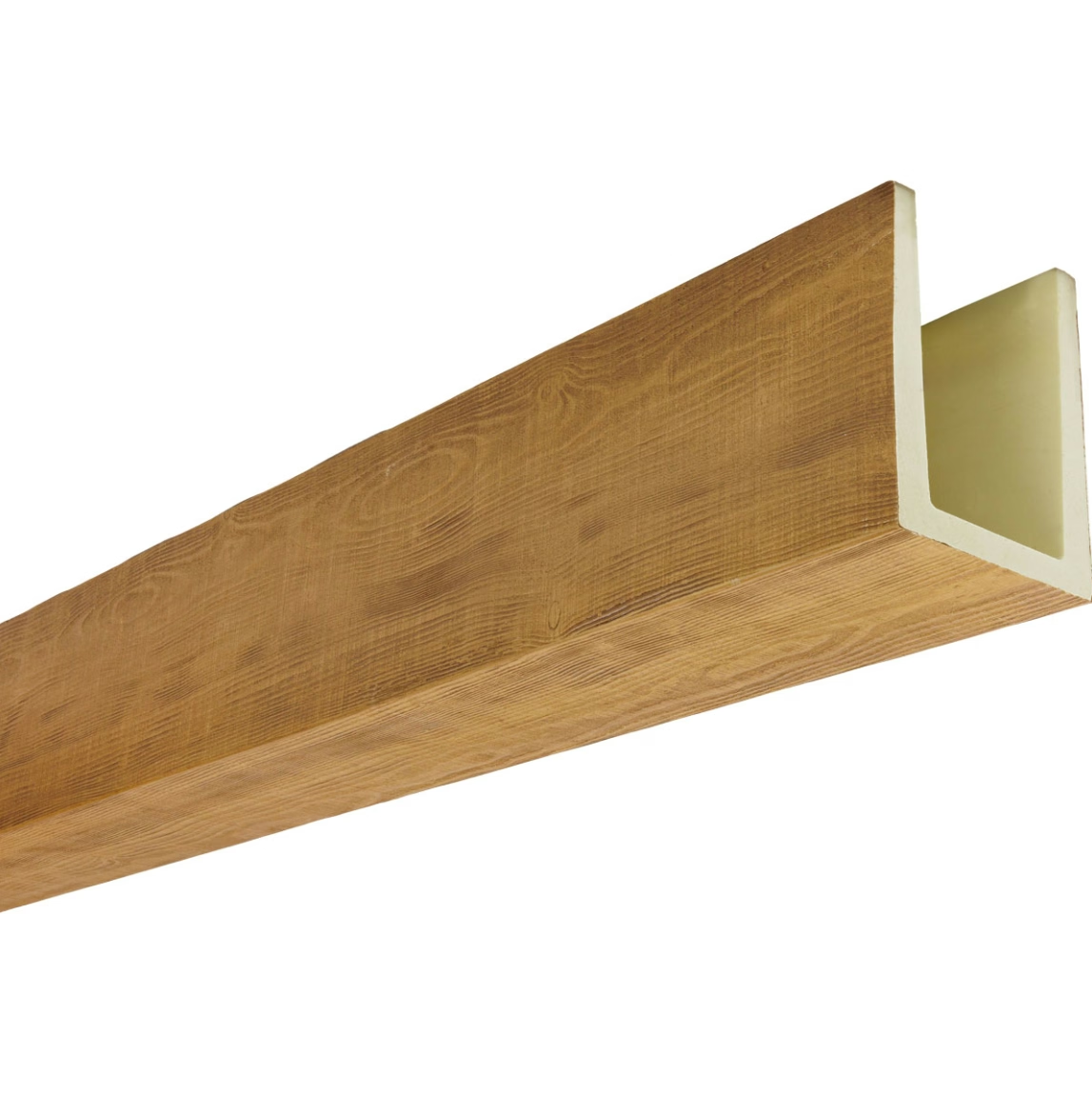
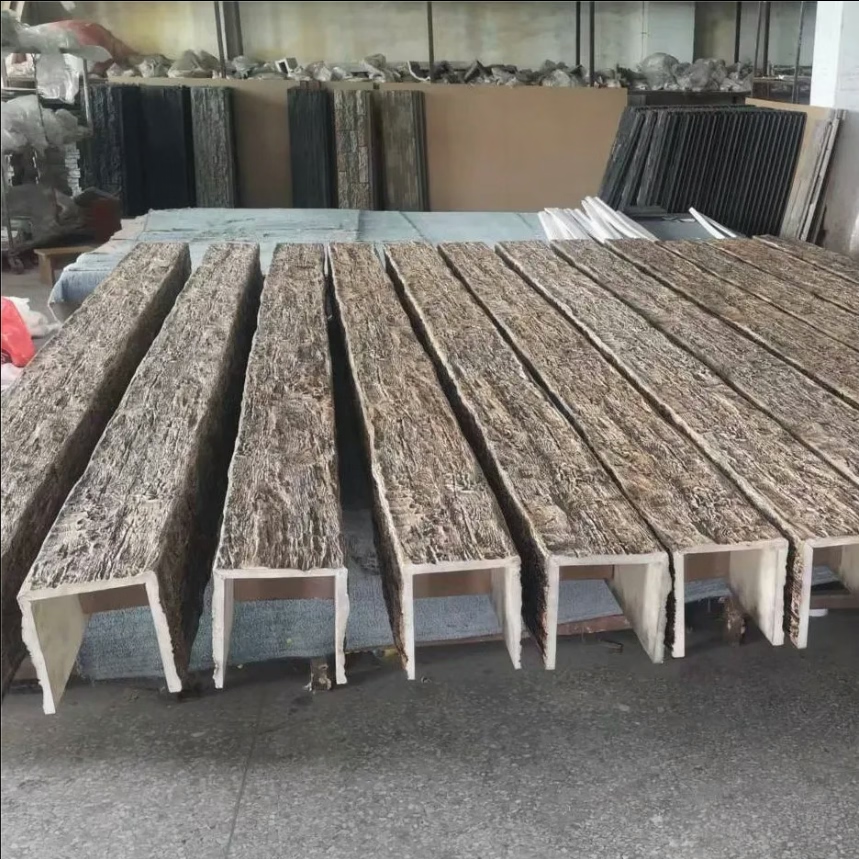
Creating convincing fire-charred appearance in polyurethane requires sophisticated manufacturing techniques. Molds must capture not just surface texture but the specific patterns that burning creates—the crispness of char edges, the irregular depth of burning, the contrast between charred and uncharred zones. Quality products reproduce these characteristics with remarkable fidelity.
Color application for charred finishes applies layered black and brown tones that recreate the complex coloration of burned surfaces. Uneven application creates the variation that authentic charred wood displays; uniform coloration would produce appearance that reads as obviously synthetic. Premium finishing processes achieve the depth and complexity that convincing reproduction requires.
The key to convincing charred appearance lies in texture depth and edge crispness. Burned material creates distinctive edge qualities that smooth surfaces cannot replicate. Quality polyurethane products capture these edge characteristics through careful mold preparation and finishing that preserves rather than softens the dramatic qualities that define charred wood aesthetics.
Industrial Rustic Design Integration
Industrial rustic interiors combine raw, honest materials with the warmth that rustic aesthetics require. Charred beams contribute substantially to this combination—the fire treatment creates surfaces that are simultaneously primitive and refined, raw and processed. The blackened appearance establishes strong visual presence; the underlying wood grain adds warmth that prevents coldness.
The bold character of charred beams works best when balanced by other elements in the composition. Natural materials—stone, brick, leather, natural textiles—harmonize with charred wood through shared organic qualities. The darkness of char can anchor compositions that might otherwise feel too light or insubstantial.
Color coordination requires attention in industrial rustic spaces featuring charred beams. The strong black presence of char creates visual anchors that influence surrounding colors significantly. Cool grays and whites complement; warm browns and ambers create contrast; saturated accent colors can clash if not carefully introduced. Testing color relationships ensures successful integration.

Commercial Hospitality Applications
Restaurants, hotels, and hospitality venues increasingly feature charred wood elements as design statements that support distinctive brand positioning. The dramatic appearance creates memorable environments that encourage social media sharing and word-of-mouth recommendation. Charred beams contribute substantially to these memorable atmospheres.
Fine dining establishments employ charred elements to suggest serious craft and bold culinary identity. The primal fire association complements open-kitchen concepts where cooking becomes visible performance. Charred beams frame these theatrical spaces while maintaining the refined atmosphere that upscale dining requires.
Boutique hotels incorporate charred elements as design anchors that distinguish properties from chain competitors. Guest rooms featuring charred beam ceilings create experiences that travelers remember and recommend. The maintenance-free nature of polyurethane proves valuable in hospitality contexts where maintenance disruption affects guest satisfaction.
Contemporary Living Space Applications
Living rooms benefit from charred beam installations that establish strong visual presence. The beams can serve as focal points that anchor furniture arrangements, define spatial zones, or frame architectural features. Their dark presence balances lighter surfaces and prevents rooms from feeling too pale or insubstantial.
The durability of polyurethane proves valuable in family living spaces. Natural charred wood surfaces can chip and wear with use, revealing uncharred material beneath and diminishing appearance over time. Polyurethane maintains its charred appearance indefinitely regardless of use intensity.
Home office and study applications benefit from the serious, focused atmosphere that charred beams establish. The bold visual presence creates environments conducive to productive work. The industrial character supports professional identity without requiring the heavy-handed corporate aesthetics that typical office design might impose.
Contrast with Lighter Elements
The most striking charred beam installations juxtapose dark beams against light backgrounds. White or pale walls, light-colored furniture, and neutral textiles create visual contrast that emphasizes beam drama. This contrast ensures that beams command attention rather than disappearing into background.
Textile contrast proves particularly effective. Light-colored upholstery, natural linen drapes, and pale area rugs create soft counterpoints to the hard char surface. The combination prevents spaces from feeling harsh despite the darkness of charred elements. Tactile contrast reinforces visual contrast, making spaces inviting rather than forbidding.
Material contrast between charred beams and other elements introduces additional visual interest. Glass surfaces reflect charred darkness; metal accents complement industrial character; wood elements in other finishes provide subtle warmth. These material combinations create complex, layered interiors that reward extended viewing.

Lighting Considerations
Lighting design significantly affects charred beam presentation. The dark surfaces absorb rather than reflect light, requiring more illumination than lighter alternatives might need. Strategic lighting placement ensures adequate visibility while preserving the dramatic atmosphere that charred beams should create.
Directional lighting creates shadow patterns within beam texture, enhancing dimensional quality. Grazing light from the side emphasizes surface relief; front lighting flattens appearance. Considering light source positions during design development ensures that beams display intended effects.
Accent lighting can highlight charred beams as focal elements. Track lighting, picture lights, or concealed LED strips can illuminate beams specifically, drawing attention to their dramatic character. This targeted illumination creates gallery-like presentation that elevates beams from architectural elements to displayed art.
Maintenance-Free Performance
The practical advantages of polyurethane over natural charred wood extend beyond initial appearance. Authentic shou sugi ban requires periodic maintenance—loose char removal, protective reapplication, inspection for damage. Polyurethane eliminates these requirements entirely while maintaining appearance indefinitely.
The closed-cell surface of polyurethane resists the moisture absorption that eventually affects even properly maintained charred wood. In humid environments or exterior applications, this resistance provides significant advantage. Beams maintain their dramatic character regardless of ambient conditions.
Cleaning requirements remain minimal throughout the beam's service life. Dust and debris can be removed with occasional dusting; stubborn soiling can be addressed with gentle cleaning products. No specialized maintenance equipment or treatments ever become necessary.
Specification and Selection Guidance
Selecting fire-charred polyurethane beams requires attention to specific aesthetic qualities. The intensity of charring should match intended effects—lighter charring preserves more wood grain character, while heavy charring creates more dramatic black surfaces. Manufacturer specifications typically indicate charring intensity and resulting appearance.
Profile selection affects installation impact significantly. Beams with substantial cross-sections create more dramatic presence than slender alternatives. Edge treatment—whether sharp and contemporary or slightly eased for softer appearance—influences the overall aesthetic character.
Finish quality varies among manufacturers. Requesting samples and examining them under project lighting conditions helps ensure that selected products meet expectations. The investment in sample evaluation prevents disappointment after full installation.
Investment Considerations
Fire-charred beams represent significant design investments that should provide lasting value. The dramatic aesthetics they create should persist indefinitely without deterioration or maintenance demands. Polyurethane construction supports this expectation through durability and dimensional stability.
Initial costs for quality charred-effect beams exceed dimensional lumber but remain competitive with premium natural materials. Installation efficiencies and eliminated maintenance shift the value proposition toward polyurethane for most applications. The unique aesthetics that charred appearance provides justify the investment for projects where distinctive character matters.
Technical References
ASTM standards cited in every specification
Test Data
Lab results from internal testing program
Updated 2026
Reviewed against current product specs


