Highland environments create demanding conditions that test building materials severely. Temperature swings between frigid winters and mild summers stress all materials; humidity variations as elevation changes affect moisture levels; UV exposure at altitude exceeds that at sea level. Natural wood in these conditions faces accelerated aging that compromises both appearance and structural integrity. Polyurethane faux beams sidestep these challenges entirely, providing the rugged mountain aesthetics that cabin and lodge interiors require while enduring conditions that would quickly degrade natural timber.
The appeal of mountain cabin and lodge living connects to deeper human aspirations for retreat, refuge, and connection with natural landscapes. These spaces should feel genuinely of their environments—constructed from materials that belong in mountain settings, designed with proportions that relate to surrounding terrain, and finished in ways that suggest honest shelter rather than imported luxury. Timber beams contribute essentially to achieving this authentic mountain character.
Mountain Environment Challenges
Altitude affects material performance in multiple ways. Reduced atmospheric pressure lowers moisture boiling points, potentially affecting some material properties. Increased UV radiation accelerates surface degradation. Temperature fluctuations exceed those at lower elevations, creating thermal stress cycles that stress materials continuously.
Moisture presents particular challenges in mountain environments. Snow, rain, and fog create wet conditions that persist throughout seasons. Even interior spaces face humidity variations as outdoor conditions change. Natural wood absorbs and releases this moisture, creating dimensional instability that manifests as swelling, warping, and eventually deterioration.
The seasonal rhythm of mountain environments creates additional stress. Freeze-thaw cycles occur repeatedly each year as temperatures cross the freezing point. Water that penetrates wood surfaces expands when it freezes, creating internal damage that accumulates over cycles. This process eventually compromises structural integrity in ways that surface inspection might not reveal.
Authentic Mountain Timber Character
The aesthetic vocabulary of mountain architecture developed from practical necessity and locally available materials. Heavy timber construction used logs and lumber that forests provided; stone foundations used material that clearing required. These honest materials—chosen for availability and durability rather than appearance—created the authentic character that contemporary mountain design seeks to emulate.
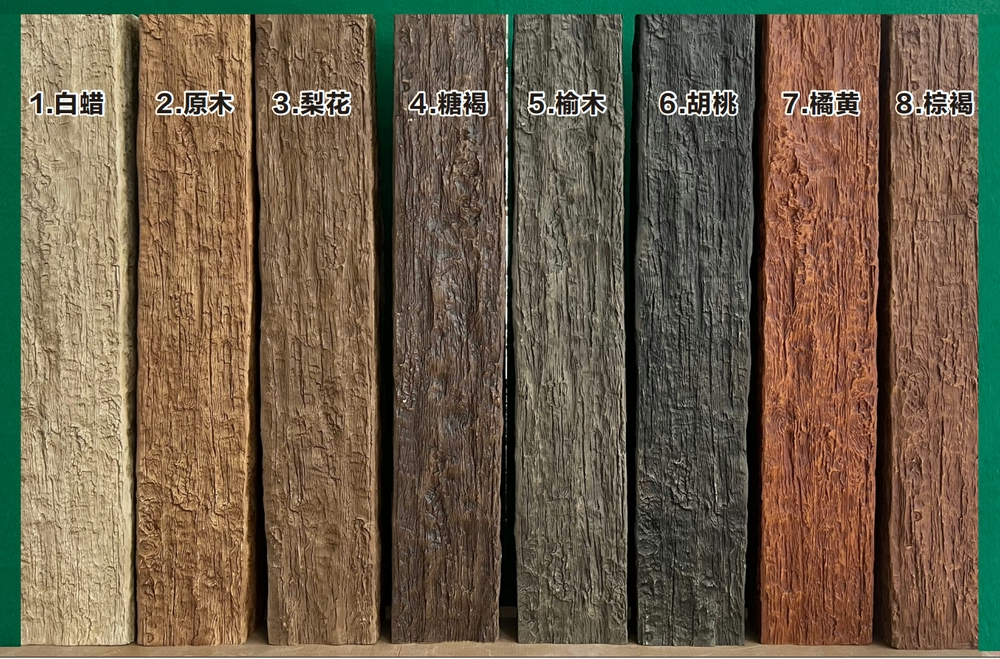
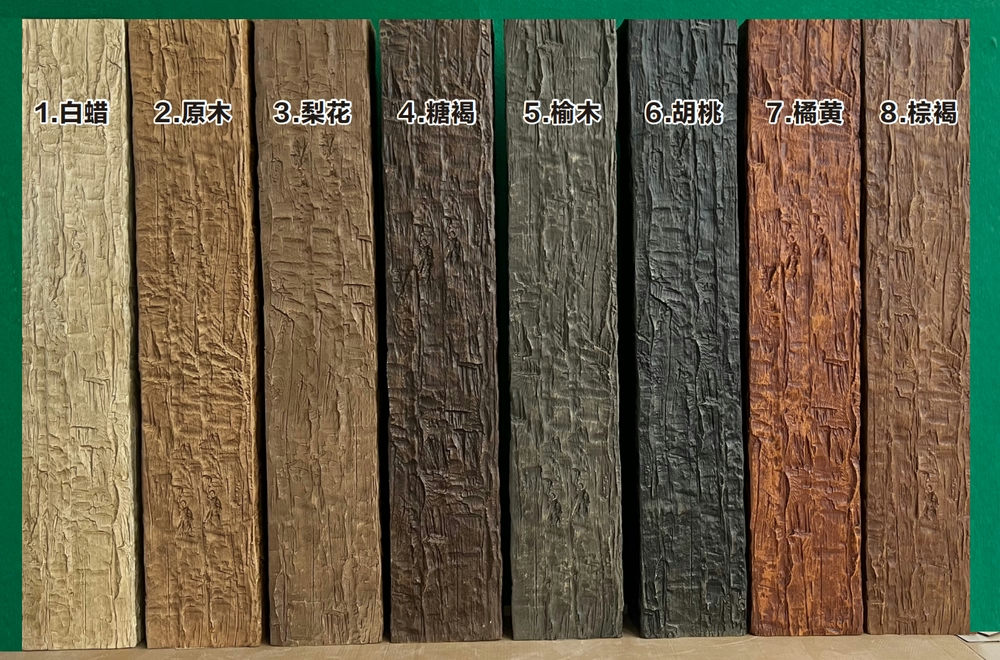
Rugged surface textures characterize authentic mountain timber. Saw marks, weathering patterns, and natural imperfections record the processes that created the material. These textures catch light to create visual interest; they provide tactile qualities that invite touch. The rugged character distinguishes genuine mountain timber from refined alternatives that might appear out of place in rustic settings.
Color palettes for mountain timber draw from forest surroundings. Warm browns suggest bark and aged wood; grays evoke weathered surfaces; golden tones recall autumn foliage. These natural colorations harmonize with mountain landscapes while providing the warmth that makes interior spaces inviting despite cold outdoor conditions.
Cabin Living Room Applications
Cabin living rooms serve as gathering spaces where families connect with each other and their natural surroundings. Heavy timber beams overhead establish the architectural framework that organizes these important spaces. Their substantial presence creates intimate enclosure despite large windows that connect interiors to expansive views.
Vaulted ceilings in cabin designs gain warmth and character from timber beam installations. The dramatic rooflines provide natural canvas for beam treatment; beams crossing these elevated planes create visual interest that prevents empty-feeling spaces. The rustic texture ensures that beams contribute authentically to cabin character rather than appearing as imported additions.
Fireplace features in cabin living rooms define gathering zones that families and friends naturally gravitate toward. Timber-framed fireplaces combine the primal appeal of fire with the organic warmth of wood. The rugged texture of timber elements complements the natural stone that typically surrounds fireplace openings.
Lodge Great Room Applications
Lodge great rooms serve larger gatherings than cabin living rooms—family reunions, corporate retreats, wedding parties. The scale of these spaces demands correspondingly substantial architectural elements. Heavy timber beams provide this scale while maintaining the warmth and character that lodge atmospheres require.
The visual weight of timber beams prevents vast lodge interiors from feeling cavernous or institutional. Beams crossing ceilings draw attention downward, creating human-scaled interest in otherwise expansive spaces. Their warmth balances the stone, glass, and metal that lodge construction typically employs.
Dining areas within lodge great rooms benefit from beam installations that establish focused zones within open plans. The beams overhead create psychological boundaries that organize furniture without requiring walls. Their rugged character reinforces the communal dining experience that lodge stays should foster.
Sleeping Quarters and Bunkroom Applications
Mountain accommodations—whether dedicated rental properties or family retreats—must provide comfortable sleeping spaces despite challenging environments. Timber beams in bedrooms contribute to the cozy, protected feeling that restful sleep requires. Their presence creates canopy-like enclosure without the solid overhead coverage that might feel confining.
Bunkrooms serving multiple guests face particularly demanding conditions. High turnover, limited maintenance access, and varied occupant behavior create challenging conditions for interior finishes. Polyurethane beams in these spaces maintain appearance despite whatever treatment guests impose, while providing the rustic character that mountain accommodations should offer.
The durability of polyurethane proves especially valuable in rental properties. Professional cleaning, frequent turnover, and limited maintenance windows require materials that perform without ongoing attention. Beams that maintain appearance despite these conditions support consistent guest experience and positive reviews.
Outdoor Living and Covered Spaces
Mountain porches, decks, and covered outdoor spaces extend living areas into the natural environment. Timber beams in these spaces provide sheltering character while framing views toward surrounding landscape. Their rugged presence makes outdoor spaces feel like natural extensions of interior rooms.
The weather resistance of polyurethane provides crucial advantages in outdoor mountain applications. Snow loads, ice accumulation, and freeze-thaw cycles affect mounting structures but leave beam surfaces undamaged. Direct sun exposure creates no surface degradation; precipitation creates no absorption or swelling. These capabilities enable design approaches that natural wood could not support.
High-altitude UV exposure, which exceeds sea-level levels significantly, affects some materials adversely. Quality polyurethane formulations resist UV degradation, maintaining surface appearance despite intense mountain sunlight. This resistance ensures that outdoor beam installations maintain appearance throughout their service lives.
Maintenance Considerations for Remote Locations
Mountain properties often face limited maintenance access. Distance from service providers, seasonal road closures, and difficult terrain all constrain maintenance activities. Materials that require no ongoing attention prove especially valuable in these contexts—homeowners can specify beautiful timber aesthetics without concern for ongoing care requirements.
Polyurethane beams require no sealing, staining, or refinishing regardless of environmental exposure. Occasional cleaning removes accumulated dust and debris; no specialized equipment or products are required. This simplicity proves valuable for properties where maintenance visits are difficult to schedule or expensive to execute.
The eliminated maintenance burden also benefits commercial mountain hospitality operations. Ski resorts, hunting lodges, and mountain retreats cannot afford maintenance disruptions that affect guest experience. Beams that maintain appearance without attention support consistent quality that guests expect and operators require.

Design Coordination with Natural Elements
Successful mountain interiors coordinate timber beams with other natural materials throughout. Stone fireplaces, slate flooring, leather upholstery, and wool textiles all contribute to the layered material character that mountain spaces should achieve. Timber beams anchor these compositions, providing the warm wood tones that tie disparate elements together.
The scale of other elements should relate appropriately to beam proportions. Massive stone fireplaces complement heavy timber beams; delicate iron details may feel overwhelmed. Considering these relationships during design ensures harmonious compositions that feel naturally assembled rather than arbitrarily assembled.
Window and door treatments can reinforce timber character throughout mountain interiors. Wood-framed windows, timber doors, and natural wood shutters extend timber aesthetics beyond beam elements. This comprehensive material approach creates immersive environments where timber character permeates throughout.
Investment Value Assessment
Mountain property owners should evaluate beam investments considering lifecycle costs rather than initial prices alone. The demanding mountain environment accelerates natural wood deterioration, creating replacement cycles that inflate long-term costs. Polyurethane beams, by contrast, maintain appearance indefinitely, eliminating these replacement expenses.
The maintenance savings alone often justify the initial premium that quality polyurethane commands. Seasonal inspections, protective treatments, and eventual refinishing or replacement of natural wood all incur costs that polyurethane avoids. These avoided expenses compound significantly over the beam's extended service life.
For investment properties—rental cabins, lodge rooms, timeshares—the appearance consistency that polyurethane provides supports consistent guest experience. Deteriorating wood elements undermine perceived quality and generate negative reviews; beams that maintain fresh appearance contribute positively to guest satisfaction and property value.
Technical References
ASTM standards cited in every specification
Test Data
Lab results from internal testing program
Updated 2026
Reviewed against current product specs


