Alpine architecture developed over centuries in response to climate, materials, and the practical demands of mountain living. The heavy timber frames, generous fireplaces, and deep sheltering roofs that define this tradition emerged from functional necessity rather than aesthetic preference. These practical choices, accumulated across generations, created the authentic mountain character that contemporary cabin and lodge design seeks to emulate. Polyurethane faux beams with authentic timber appearance enable this emulation without the practical limitations that natural mountain timber would present in today's applications.
The mountain aesthetic has transcended its geographic origins to become a widely desired design vocabulary. Whether on actual mountain slopes, in suburban homes seeking rustic character, or in commercial spaces aiming for adventure-brand positioning, mountain-inspired design communicates warmth, authenticity, and connection to natural landscapes. Timber beams provide essential element in achieving this aesthetic successfully.
The Enduring Appeal of Mountain Architecture
Mountain design speaks to fundamental human desires for retreat and refuge. These spaces offer shelter from everyday demands, connection with natural forces, and environments that feel genuinely different from ordinary spaces. The heavy timber, natural stone, and modest proportions that characterize mountain architecture support these experiential goals through material and spatial choices.
The authentic character of mountain architecture cannot be achieved through surface treatments alone. Lightweight materials, refined surfaces, and delicate proportions read as obviously inconsistent with the rugged authenticity that mountain spaces should project. Heavy timber beams provide essential weight and presence that authentic mountain character requires.
The practical advantages of maintenance-free materials become especially valuable in mountain applications. Weather access, seasonal closures, and distance from service providers all constrain maintenance activities. Materials that maintain appearance without ongoing attention prove crucial for mountain properties where maintenance windows are limited and difficult.
Achieving Authentic Mountain Timber Appearance
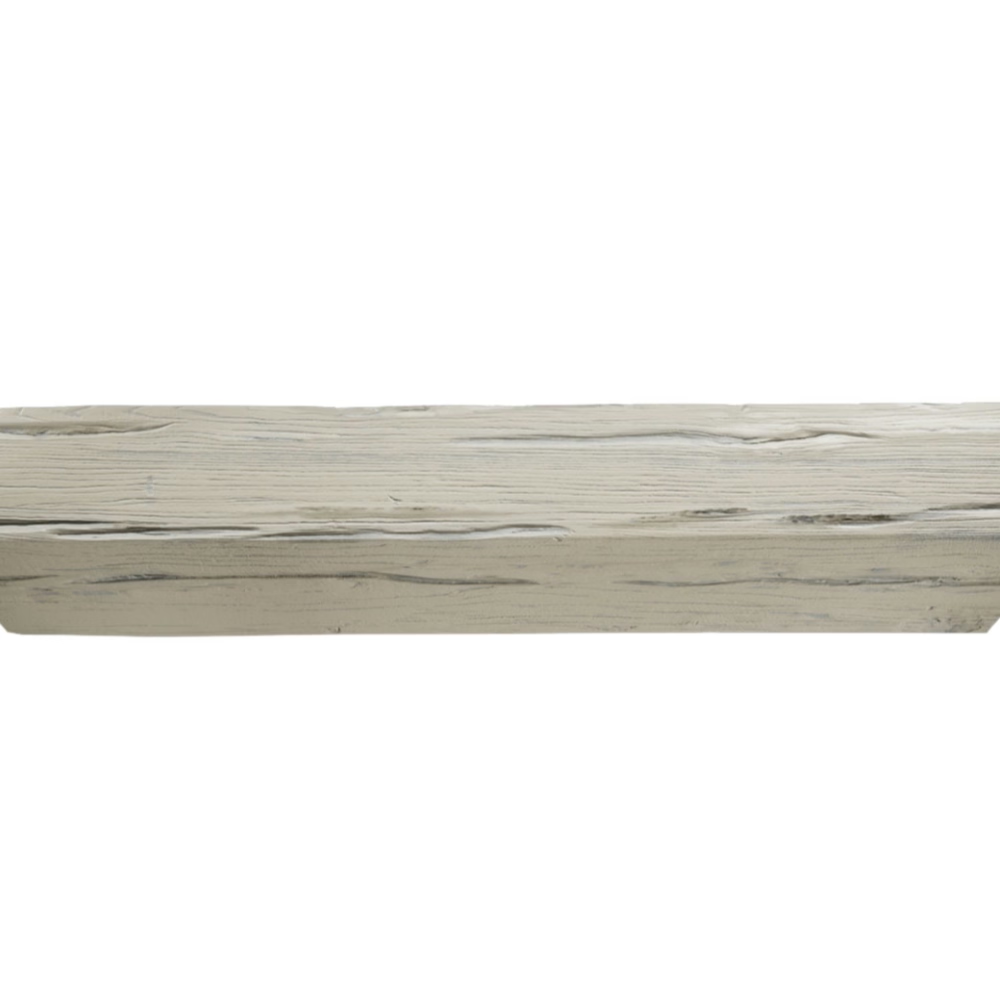
The appearance of authentic mountain timber reflects the conditions under which it developed and the treatments it received. Weathering patterns, insect marks, and natural variations record the timber's history. Saw marks from traditional milling create surface textures that contemporary manufacturing can reproduce convincingly.
Grain patterns in mountain timber often differ from lumber grown at lower elevations. Slower growth at altitude produces tighter annual rings; harsh conditions create irregular patterns that reflect environmental stress. These characteristics distinguish mountain timber visually and contribute to its authentic character.
Knot patterns and formations provide additional visual interest. Mountain timber typically displays more prominent knots than plantation-grown alternatives—evidence of the harsh conditions under which trees developed. These knots create natural focal points that break up grain patterns and add visual complexity to timber surfaces.
Living Space Applications
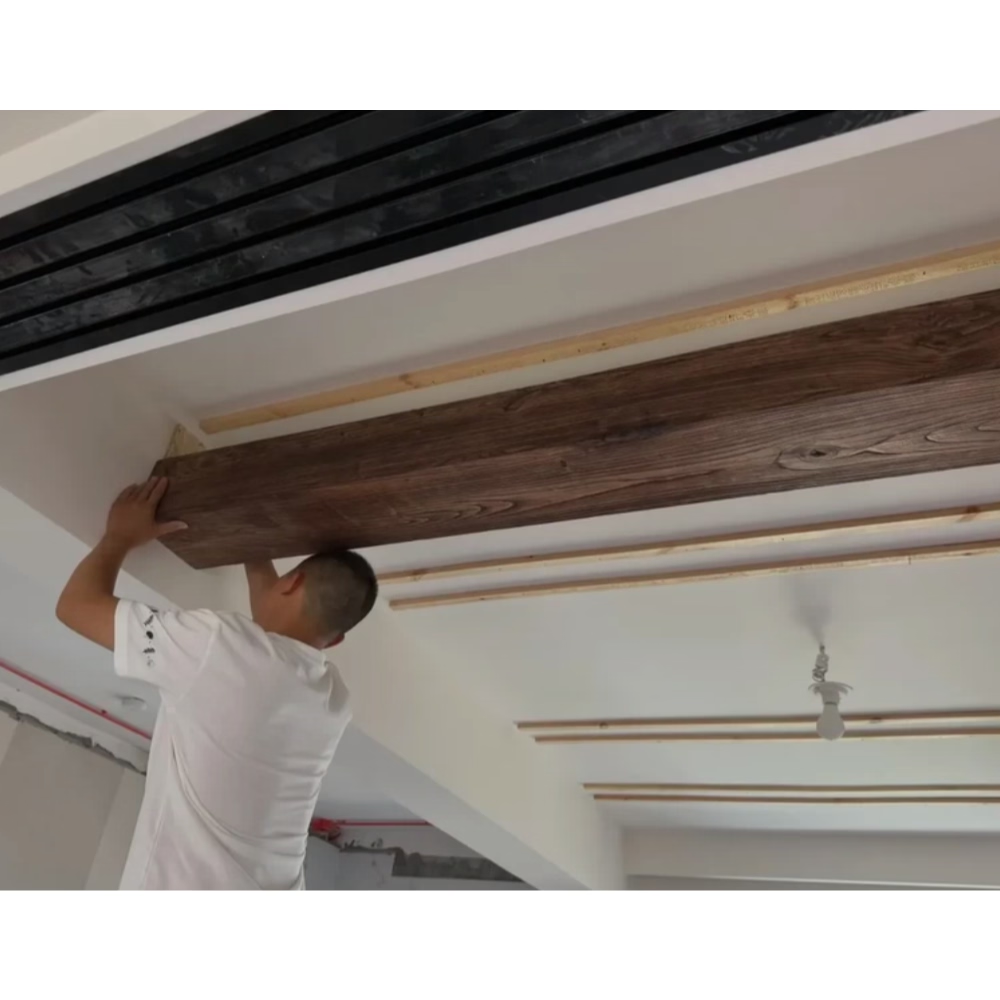
Cabin and lodge living spaces benefit substantially from timber beam installations that establish the character-defining framework for these important rooms. Beams crossing ceilings create visual architecture that organizes furniture arrangements and establishes gathering zones. Their presence makes vast spaces feel intimate and welcoming rather than cavernous and institutional.
The weight of timber beams creates psychological enclosure that open floor plans might otherwise lack. This enclosure effect proves valuable in vacation environments where guests seek refuge from busy lives. The protective feeling that substantial beams provide supports the restorative function that mountain retreats should serve.
Natural light in mountain spaces interacts with timber beams to create changing visual effects throughout the day. Morning light rakes across grain patterns; afternoon sun illuminates textured surfaces; evening firelight creates warm shadows within beam profiles. These dynamic qualities animate spaces, preventing the static feeling that flat surfaces might create.
Sleeping Accommodations
Mountain sleeping spaces benefit from timber beams that create cozy, protected atmospheres conducive to rest. The substantial presence overhead provides psychological security that promotes relaxation. The warm wood tones create bedrooms that feel distinctly different from everyday spaces—appropriate for the special occasion that mountain retreats represent.
Guest rooms in commercial mountain hospitality—hotel suites, rental cabins, bed-and-breakfast accommodations—must establish this character consistently across multiple units. Polyurethane beams provide the appearance consistency that brand standards require while maintaining quality throughout high-turnover commercial applications.
Family bunkrooms serving multiple occupants face demanding conditions. Polyurethane beams in these spaces withstand whatever treatment guests impose while maintaining the rustic character that mountain accommodations should provide. This durability eliminates concerns about maintenance access or appearance deterioration.
Kitchen and Dining Applications
Mountain kitchens often serve as family gathering points where casual living and food preparation merge. Timber beams overhead contribute warmth that balances the functional, often industrial, character of kitchen equipment. Their presence creates focal interest that elevates kitchen aesthetics while maintaining the practical functionality that mountain living requires.
Dining areas benefit from beam installations that establish gathering-focused atmospheres. The substantial timber overhead creates enclosure without walls, defining dining zones within open plans. Their warmth encourages lingering conversation after meals; their character supports the importance that shared dining plays in mountain retreat experiences.
Large islands and bars can incorporate timber details that extend mountain aesthetics into food service areas. Timber-edged counters, timber supports, and beam-framed ranges all reinforce the material character that mountain design celebrates.
Outdoor Living Applications
Covered porches, outdoor kitchens, and protected decks extend mountain living into the natural environment. Timber beams in these spaces provide sheltering character while framing views toward surrounding landscape. Their rugged presence makes outdoor spaces feel like natural extensions of interior rooms.
The weather resistance that polyurethane provides proves essential for outdoor mountain applications. Precipitation, humidity variation, and temperature extremes affect mounting structures but leave beam surfaces undamaged. This durability enables design approaches that natural wood could not support in the demanding mountain environment.
Seasonal exposure creates additional challenges that polyurethane handles without difficulty. UV radiation at altitude exceeds sea-level intensity; freeze-thaw cycles stress materials throughout changing seasons. Beams that maintain appearance despite these conditions provide reliable performance that natural alternatives cannot match.

Coordinating with Natural Landscape
Successful mountain interiors connect interior spaces to exterior landscapes through material and visual relationships. Timber beams contribute to this connection by introducing organic material character that resonates with surrounding forests. The warm browns and golden tones of timber surfaces complement the natural palette of mountain environments.
Stone and timber together create the essential material vocabulary of mountain architecture. Beams and stone complement each other through shared organic origins and harmonious color relationships. This combination appears in fireplaces, foundations, and architectural details throughout authentic mountain buildings.
Window placement should consider relationships with timber beams. Beams positioned to frame views create visual connections that draw the eye toward landscape features. This coordination between architectural elements and natural surroundings reinforces the indoor-outdoor relationships that define mountain living.
Investment Value for Mountain Properties
Mountain property owners should evaluate timber beam investments with attention to lifecycle considerations. The demanding mountain environment accelerates natural wood deterioration, creating replacement cycles that inflate long-term costs. Polyurethane beams maintain appearance indefinitely, eliminating these replacement expenses and the disruption they create.
Maintenance elimination provides substantial value for properties with limited access. The cost of professional maintenance visits to remote mountain properties—travel time, equipment transport, scheduling difficulty—often exceeds the actual maintenance costs. Beams that require no maintenance eliminate these logistical complications entirely.
For commercial mountain hospitality operations, appearance consistency supports brand standards and guest satisfaction. Beams that maintain fresh appearance contribute positively to reviews and repeat bookings. The investment in quality polyurethane beams pays dividends through maintained property values and guest satisfaction.
Selecting Appropriate Products
Specifying beams for mountain applications requires attention to specific performance requirements. UV resistance matters for exterior and high-altitude applications. Impact resistance affects durability in high-use commercial applications. Texture authenticity determines whether beams achieve the rugged character that mountain spaces require.
Working with manufacturers experienced in mountain applications helps ensure appropriate recommendations. These suppliers understand the demanding conditions that mountain environments create and can advise on product selections that will perform reliably. Detailed specifications, warranty coverage, and installation guidance provide confidence in product performance.
Technical References
ASTM standards cited in every specification
Test Data
Lab results from internal testing program
Updated 2026
Reviewed against current product specs


