Australian interior design has developed its own distinctive vocabulary drawing from the continent's unique landscape, climate, and cultural heritage. The outback aesthetic—rugged, warm, connected to vast natural landscapes—has influenced residential design across the country. This style embraces natural materials, honest construction, and the earthy warmth that connects interior spaces to the extraordinary Australian environment. Polyurethane faux beams enable authentic outback rustic aesthetics while addressing the practical realities that Australian climates and lifestyles impose.
The harsh Australian environment tests building materials severely. Intense sun, extended drought, sudden downpours, and persistent insects all affect conventional materials. Natural wood faces particular challenges—from termite pressure in many regions to the rapid weathering that intense UV exposure creates. Polyurethane beams sidestep these challenges entirely, providing the rugged aesthetics that outback style requires while withstanding conditions that would quickly degrade natural timber.
Understanding Australian Outback Aesthetics
The outback aesthetic draws from Australia's interior landscapes—the red earth, weathered timber, vast skies, and hardy vegetation that characterize the continent's heart. Colors tend toward warm earth tones: rusty reds, burnt oranges, weathered browns, and dusty yellows. Textures emphasize weathered surfaces, natural variation, and honest aging rather than refined perfection.
The architectural heritage contributing to outback style includes verandawrapped farmhouses, corrugated iron sheds, and bush pubs with generations of patina. These humble buildings developed character through use and exposure rather than through careful design. Contemporary outback-inspired interiors seek to capture this authentic aging rather than simulating pristine conditions.
Natural materials predominate in authentic outback spaces. Weathered hardwoods, hand-hewn timbers, corrugated metal, and natural stone all contribute to the layered material character. These materials share an honesty—they show their origins and aging rather than concealing their nature.
Climate Considerations for Australian Applications
Australian climates present challenging conditions for building materials. The interior experiences extreme temperature variations between scorching summers and cold winters. Coastal regions face salt exposure and humidity variation. Tropical northern areas encounter persistent moisture and intense biological activity. All regions experience UV levels that accelerate material degradation.
Termite pressure affects material selection throughout most of Australia. Subterranean termites attack any cellulose-containing material, including natural wood and some composites. Polyurethane contains no organic material and provides no food source for these pests—a crucial advantage in regions where termite management is constant concern.
UV exposure in Australian conditions exceeds levels in many other regions. The ozone layer thinning over the southern hemisphere increases UV intensity significantly. Materials that resist UV degradation maintain appearance despite this exposure; materials that degrade require frequent replacement or maintenance.
Authentic Bush Timber Character
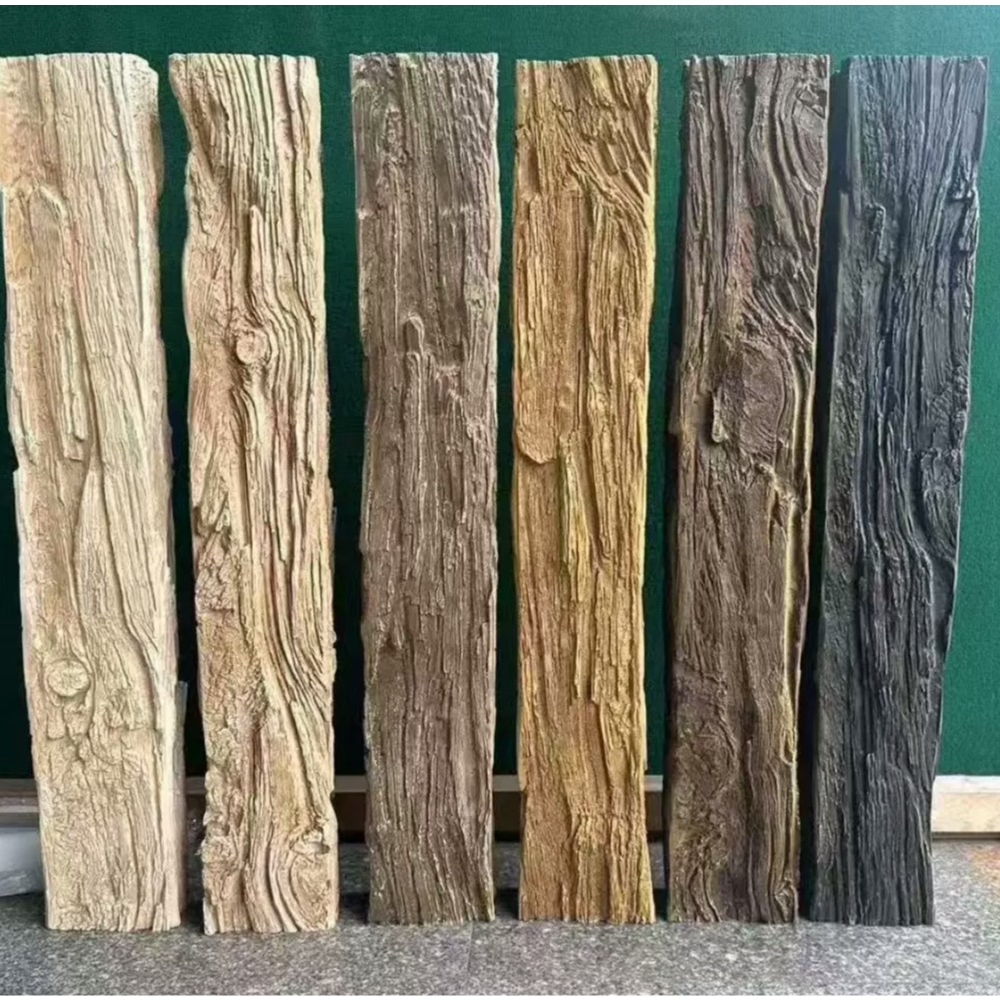
Australian bush timber character differs from northern hemisphere alternatives in recognizable ways. The eucalyptus species that dominate Australian forests produce distinctive grain patterns, colorations, and working qualities. Weathered surfaces display the silver-gray patina that prolonged sun and rain exposure creates.
Reclaimed and salvage timber from demolished rural structures provides authentic source material for beam reproduction. These weathered timbers—fence posts, shed rafters, bridge components—carry the character that genuine outback aging creates. Molds from such sources reproduce authentic appearance with remarkable fidelity.
Color palettes for Australian bush aesthetics draw from the landscape itself. Red dust and ochre earth inspire warm browns and rusty reds. Ghost gums and weathered fence posts suggest silvery gray-green tones. River red gum provides rich burgundy-browns that anchor color compositions. These natural colorations create harmony with the Australian landscape.
Living Room Applications
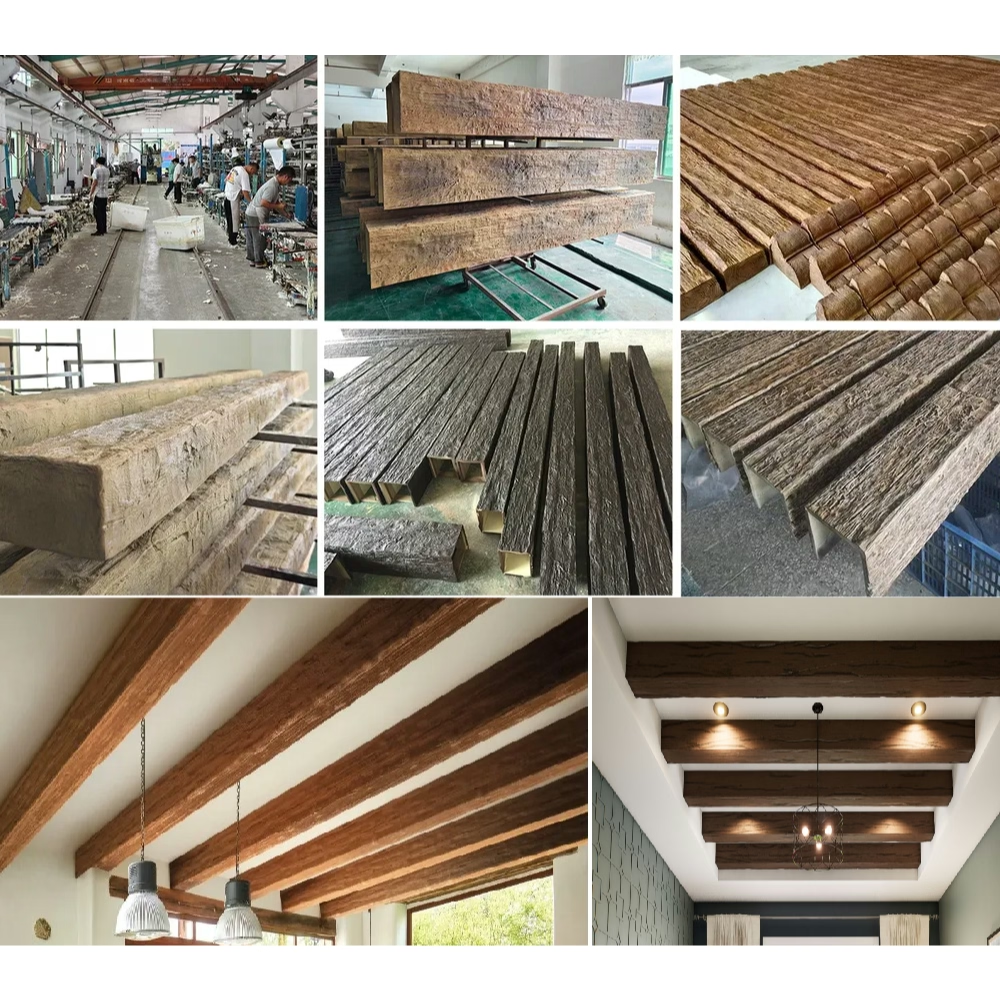
Australian living rooms embracing outback style benefit from timber beam installations that establish warm, grounded atmospheres. The beams create visual anchors that tie interior spaces to the natural landscape. Their presence balances large windows and open plans that connect interiors to outdoor living areas.
The casual, comfortable character that outback living emphasizes finds support in timber beam aesthetics. These beams suggest honest materials and practical construction rather than formal refinement. The rugged texture creates visual interest without demanding careful maintenance or precise cleaning.
Open-plan Australian homes benefit from beams that define spatial zones without requiring walls. Kitchen, dining, and living areas flow together visually; timber beams overhead create psychological boundaries that organize furniture and establish distinct functional zones.
Indoor-Outdoor Living Integration
The Australian lifestyle emphasizes outdoor living that extends throughout much of the year in most regions. Homes designed around this lifestyle feature generous openings, covered outdoor rooms, and seamless transitions between interior and exterior spaces. Timber beams contribute to both interior and exterior environments, creating material continuity that reinforces indoor-outdoor integration.
Covered outdoor living areas—essential in Australian climates for sun and rain protection—benefit from timber beam installations that extend interior aesthetics into exterior spaces. The beams create sheltered character while maintaining the material warmth that indoor spaces feature.
The durability of polyurethane proves especially valuable for outdoor applications in Australian conditions. Intense UV, sudden rain, and temperature extremes all affect materials in these challenging applications. Polyurethane beams maintain appearance despite these conditions without requiring the maintenance that natural timber would demand.
Veranda and Outdoor Room Applications
Australian verandas represent essential living spaces—sheltered zones where families gather, children play, and the evening breeze provides natural cooling. Heavy timber beams overhead establish the architectural framework that makes verandas feel like defined rooms rather than mere overhangs.
The colonial and federation heritage that many Australian homes inherit includes substantial veranda structures originally built from local hardwoods. Contemporary interpretations can honor this heritage while using materials suited to modern requirements. Polyurethane beams provide authentic appearance while eliminating the termite concerns that natural hardwood veranda timbers create.
Outdoor kitchens and entertainment areas benefit from timber beam installations that create warm, inviting atmospheres despite functional, often industrial, equipment. The material contrast between rugged timber and stainless steel creates visual interest; the organic warmth softens industrial character.
Coastal Australian Applications
Coastal Australian homes face additional challenges beyond interior climate conditions. Salt spray, coastal humidity, and sand exposure create demanding environments that test building materials severely. Natural timber in these locations requires constant maintenance to withstand salt exposure and biological growth.
Polyurethane beams handle coastal conditions without difficulty. Salt spray creates no corrosion or degradation; humidity variation creates no dimensional instability. These capabilities enable timber aesthetics in coastal applications where natural wood would deteriorate rapidly despite treatment.
The beach house aesthetic that many Australians embrace can incorporate timber beams that complement the coastal environment. The warm wood tones create welcome contrast with blue water views; the weathered texture suggests the natural aging that coastal exposure creates.
Farmhouse and Rural Property Applications
Australian rural properties—whether working farms, hobby farms, or rural retreats—embrace materials and aesthetics suited to their agricultural contexts. Timber beams contribute essential character that connects these buildings to rural heritage while providing practical durability that farm conditions require.
Barns, shearing sheds, and farm buildings provide authentic models for rural residential aesthetics. The heavy construction, honest materials, and practical proportions that characterize these agricultural structures translate into residential design through beam installations and material selections.
The isolation of many rural Australian properties makes maintenance-free materials especially valuable. Long distances from suppliers, limited contractor availability, and challenging access all constrain maintenance activities. Polyurethane beams that require no ongoing attention prove crucial for properties where maintenance windows are limited.
Coordination with Australian Native Elements
Successful Australian interiors coordinate timber beams with native plants, artwork, and decorative elements throughout. The colors, textures, and forms of Australian flora and fauna provide rich source material for interior decoration. Timber beams provide warm foundation that allows these native elements to take center stage.
Indigenous Australian art and artifacts find natural homes in interiors featuring timber beams. The organic warmth of timber complements the earth tones and natural materials that characterize indigenous art. This coordination creates spaces that honor Australian heritage while providing contemporary comfort.
Natural stone from Australian landscapes—sandstone, granite, volcanic rock—pairs naturally with timber beams. The material combination creates layered compositions that reference both geological and botanical Australian heritage.
Investment Value for Australian Applications
Australian homeowners investing in timber beam aesthetics should consider lifecycle value alongside initial costs. The demanding Australian climate accelerates natural wood deterioration; termite pressure creates ongoing protection costs. Polyurethane beams eliminate these concerns entirely, providing lasting value without ongoing expense.
The eliminated maintenance burden proves valuable for all Australian properties but especially for rural and remote locations. Professional maintenance services may be unavailable or expensive; DIY maintenance requires time and equipment that many homeowners lack. Beams that maintain appearance without attention solve these practical challenges.
For commercial Australian hospitality—outback resorts, rural accommodations, coastal retreats—appearance consistency supports guest satisfaction and positive reviews. The authentic aesthetics that polyurethane beams provide contribute to memorable experiences that guests remember and recommend.
Specifying for Australian Conditions
Successful specification requires attention to Australian-specific requirements. UV resistance matters throughout the continent but especially in high-UV regions. Termite resistance eliminates one of the most significant threats to wood materials. Fire performance may affect specification for bushfire-prone areas.
Working with manufacturers familiar with Australian requirements helps ensure appropriate recommendations. These suppliers understand the demanding conditions that Australian applications present and can advise on product selections that will perform reliably in specific regional conditions.
Technical References
ASTM standards cited in every specification
Test Data
Lab results from internal testing program
Updated 2026
Reviewed against current product specs


