The crisp morning air carries the scent of pine as you approach a mountain lodge, your gaze immediately drawn upward to the dramatic timber frame structure that anchors the building against the dramatic alpine backdrop. Those imposing beams tell a story before you even step inside—one of craftsmanship, of endurance against the elements, of a home that belongs to its landscape. For homeowners and builders working on mountain properties, achieving that authentic rugged aesthetic while ensuring structural integrity presents a constant challenge. Traditional timber brings undeniable character, but the maintenance demands and vulnerability to moisture, insects, and temperature extremes can turn even the most picturesque lodge into an ongoing restoration project.
PU resin faux timber beams have emerged as a transformative solution for mountain lodge exterior applications, offering the visual authenticity that defines alpine architecture without the biological vulnerabilities of authentic wood. These engineered products capture the rich textures, natural color variations, and structural presence of hand-hewn timbers while delivering performance characteristics specifically engineered for exterior environments. The material's closed-cell structure creates an effective barrier against moisture penetration, the primary culprit behind wood deterioration in mountain climates where snow, rain, and fog create persistent humidity challenges. Unlike genuine timber that absorbs water and becomes susceptible to rot, warping, and fungal decay, polyurethane resin maintains its dimensional stability regardless of weather conditions.
The Engineering Behind Authentic Mountain Aesthetics
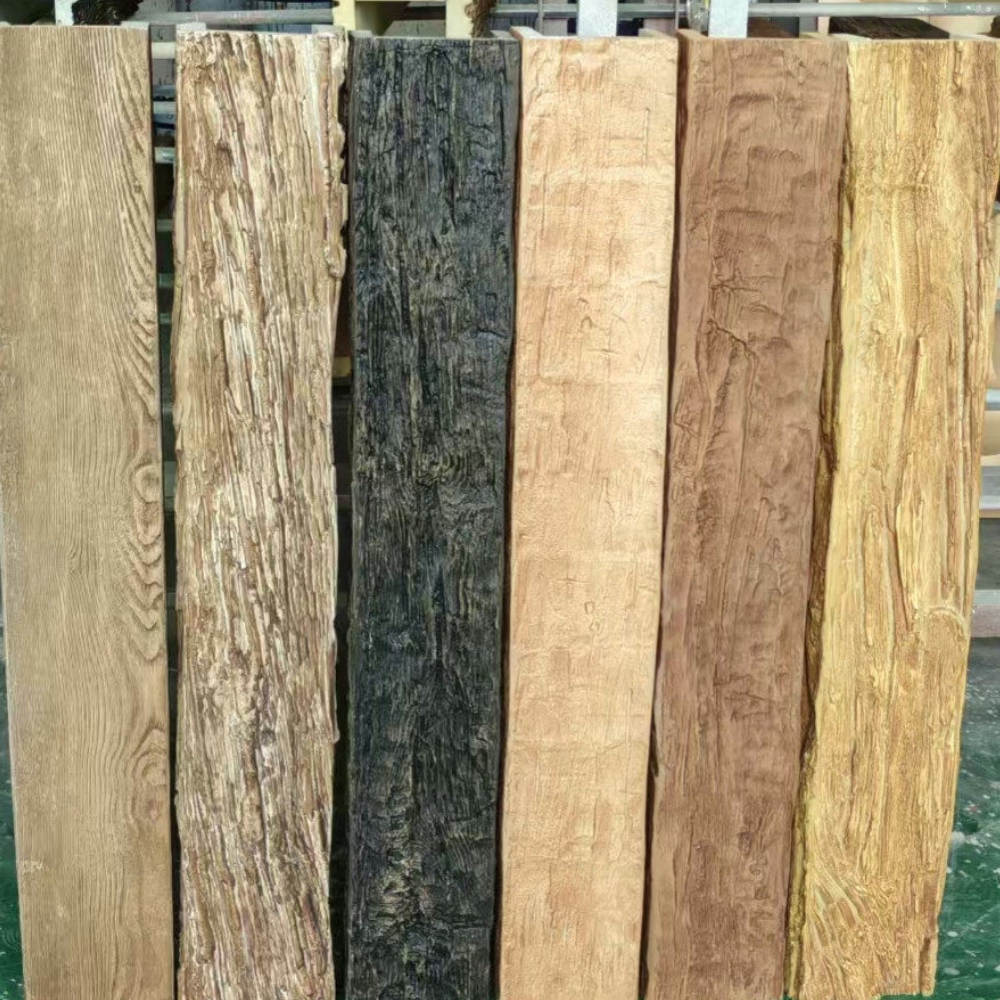
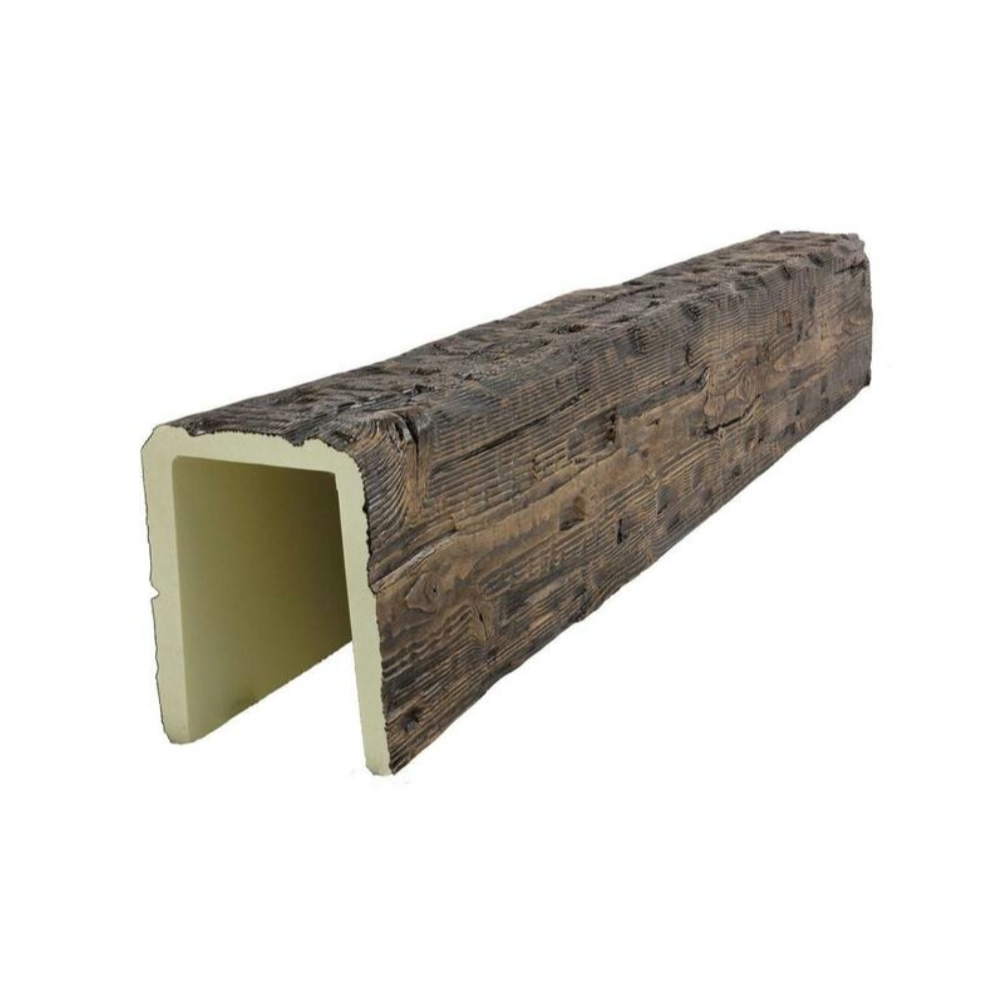
Creating convincing faux timber for exterior applications requires more than surface-level texturing. Manufacturers employ advanced molding techniques that capture the organic irregularities found in naturally weathered wood—knot patterns that emerge from branches, grain patterns that reflect years of growth, and surface textures that speak to the passage of time. These details matter enormously in mountain settings where viewers encounter structures at varying distances and lighting conditions. A beam that looks merely painted from across the valley becomes obviously artificial when examined from a cabin window, so the most effective products incorporate depth and dimension throughout their construction.
The polyurethane formulation itself plays a crucial role in achieving believable results. High-density urethane can be precisely machined to replicate the saw marks, weathering patterns, and natural variations that distinguish different wood species. For mountain lodge applications, manufacturers often draw inspiration from Douglas fir, western red cedar, and other species traditionally used in alpine construction. The material accepts stains and finishes exceptionally well, allowing customization to match existing structures or achieve specific aesthetic goals. A weathered gray patina might suit a contemporary mountain home, while richer honey tones better serve a traditional log cabin renovation.
Beyond visual authenticity, the material's structural properties make it suitable for exterior applications. PU resin beams weigh significantly less than equivalent solid timber—often sixty to seventy percent lighter—which simplifies installation and reduces structural demands on the buildings they adorn. This weight advantage proves particularly valuable for roof overhangs, porch ceilings, and other applications where excessive loading creates engineering concerns. Despite the lighter weight, the material maintains sufficient density to feel substantial when installed, avoiding the hollow plastic appearance that plagues cheaper alternatives.
Weather Performance in Mountain Environments
Mountain climates present some of the most demanding conditions for exterior building materials. Temperature fluctuations between summer warmth and winter cold can exceed one hundred degrees Fahrenheit over annual cycles, placing enormous stress on materials that expand and contract with thermal changes. Authentic timber handles this through natural movement, but inconsistent seasoning and varying grain orientations create unpredictable behavior. Polyurethane's thermal expansion characteristics prove remarkably consistent, allowing precise engineering for tight joints and seamless connections that maintain their appearance through seasonal cycles.
The material's resistance to moisture extends beyond simple water repellency. Polyurethane does not provide a food source for the insects that threaten wooden structures—carpenter ants, termites, and wood-boring beetles find nothing appetizing in the synthetic material. For mountain properties surrounded by forests and natural ecosystems, this immunity to biological threats eliminates a significant maintenance concern. Property owners can enjoy their timber-framed aesthetic without the annual inspections and preventive treatments that protect authentic wood structures.
UV exposure presents another challenge for exterior materials, as intense mountain sunlight can degrade surfaces over time. Quality polyurethane products incorporate UV inhibitors that resist photodegradation, maintaining color stability and surface integrity through years of sun exposure. The same pigments and stabilizers used in automotive applications and marine environments protect these beams from the elevated UV conditions found at altitude, where atmospheric filtering decreases as elevation increases.
Design Applications Beyond Traditional Framing
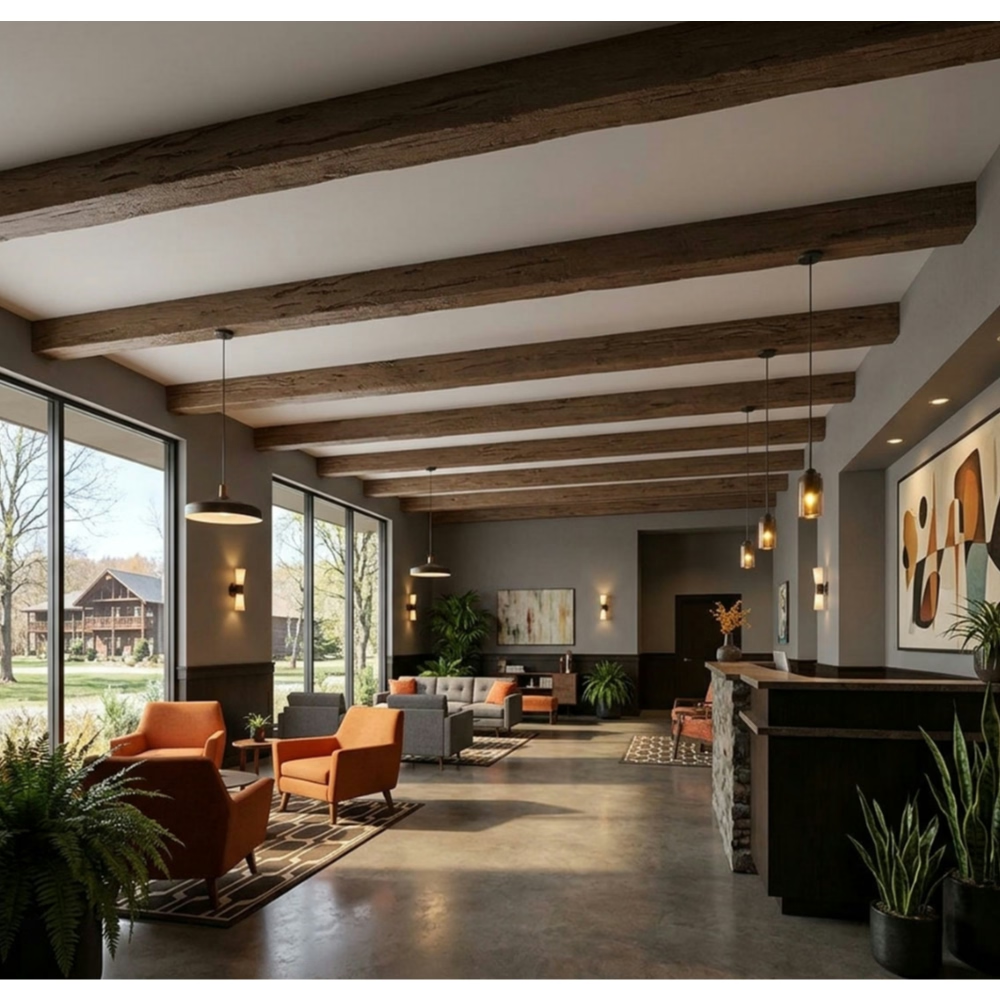
While complete timber frame reconstruction benefits enormously from faux beam technology, the applications extend far beyond mimicking structural elements. Gable ends, where roof planes meet, offer dramatic opportunities for decorative beam installation that frames mountain views and adds architectural interest. Exposed ceiling beams on covered porches and outdoor living spaces extend the rustic aesthetic into transitional zones between indoor comfort and mountain landscape. Even simple applications like beam wraps around steel support columns transform utilitarian elements into character-defining features.
Color selection significantly influences the impact of exterior beam installations. Natural wood tones that complement the surrounding forest create harmonious integration with the landscape, while darker stains provide dramatic contrast against light-colored exterior finishes. Some designers opt for intentionally distressed treatments that accelerate the patina process, creating the appearance of beams that have weathered decades of mountain seasons. Others prefer cleaner surfaces that emphasize the manufactured perfection of contemporary craftsmanship—a valid aesthetic choice that speaks to modern mountain architecture.
Scale matters tremendously in exterior applications. Large beams that might appear overwhelming in a suburban home feel appropriately proportioned against mountain vistas, where buildings must compete with geological features measured in thousands of feet. Oversized beams—twelve inches square or larger—create the visual mass necessary to anchor structures against expansive horizons. Manufacturers accommodate these requirements with products ranging from modest six-inch beams to impressive sixteen-inch equivalents, providing options for every architectural scale and aesthetic preference.
Installation Considerations for Permanent Results
Proper installation ensures that faux beams deliver their full aesthetic potential while performing reliably through decades of mountain weather. Unlike authentic timber, which requires specialized hardware and techniques for secure attachment, polyurethane beams can be mounted using standard construction methods adapted for the material's specific characteristics. Stainless steel fasteners prevent corrosion in moist environments, while structural adhesives create seamless bonds between beam elements and supporting structures.
The transition between faux beams and authentic wood elements requires careful attention. A lodge with original log walls and new faux beams should achieve visual continuity despite the material difference. This often involves matching stain colors and weathering treatments across both materials, creating an intentional aesthetic rather than a jarring contrast. Some installers incorporate authentic wood end caps or connection details that reveal the material difference only upon close inspection while maintaining overall visual unity.
Ventilation considerations become important when enclosing beams within wall assemblies or installing them in configurations that might trap moisture. While polyurethane itself resists water damage, the structures it adorns may suffer if airflow is restricted. Quality installations incorporate appropriate clearances and breathable assemblies that protect both the faux elements and the building envelope from moisture accumulation. Professional installers understand these dynamics and specify appropriate details for each application.
The combination of authentic appearance, weather resistance, and installation flexibility makes PU resin faux timber beams increasingly popular for mountain lodge exterior renovations. Whether updating a vintage cabin, constructing a new property that echoes regional building traditions, or adding character to an existing structure, these products deliver the alpine aesthetic that mountain living demands without the ongoing maintenance that authentic timber requires. For properties where weekend visits and seasonal use make regular maintenance challenging, this practical advantage often proves decisive in the specification process.
Technical References
ASTM standards cited in every specification
Test Data
Lab results from internal testing program
Updated 2026
Reviewed against current product specs