The sun sets behind mesquite-studded hills, casting amber light through saltillo tile floors and illuminating the rough-hewn beams that span overhead. This scene captures something essential about Southwest interior design—the dialogue between the building and its desert environment, where every material seems to have grown from the same earth. For homeowners seeking to capture this aesthetic in their own spaces, whether located in New Mexico, Arizona, or miles away in a climate utterly unlike the Chihuahuan desert, Southwest-inspired ceiling beams offer an accessible pathway to authentic regional character.
Southwest architecture developed over centuries in response to climate, available materials, and cultural traditions that blended Spanish colonial influences with indigenous building practices. The heavy timber beams known as vigas became defining elements of Pueblo and Territorial styles, supporting latillas and eventually plaster ceilings while creating the visual rhythm that characterizes Southwest interiors. These structural elements carried fire smoke for generations, acquiring the darkened patina that remains desirable today. Faux beams manufactured for Southwest applications recreate these characteristics with precision, capturing not merely the dimensions of traditional vigas but the accumulated surface evidence of their imagined history.

Capturing the Essence of Traditional Vigas
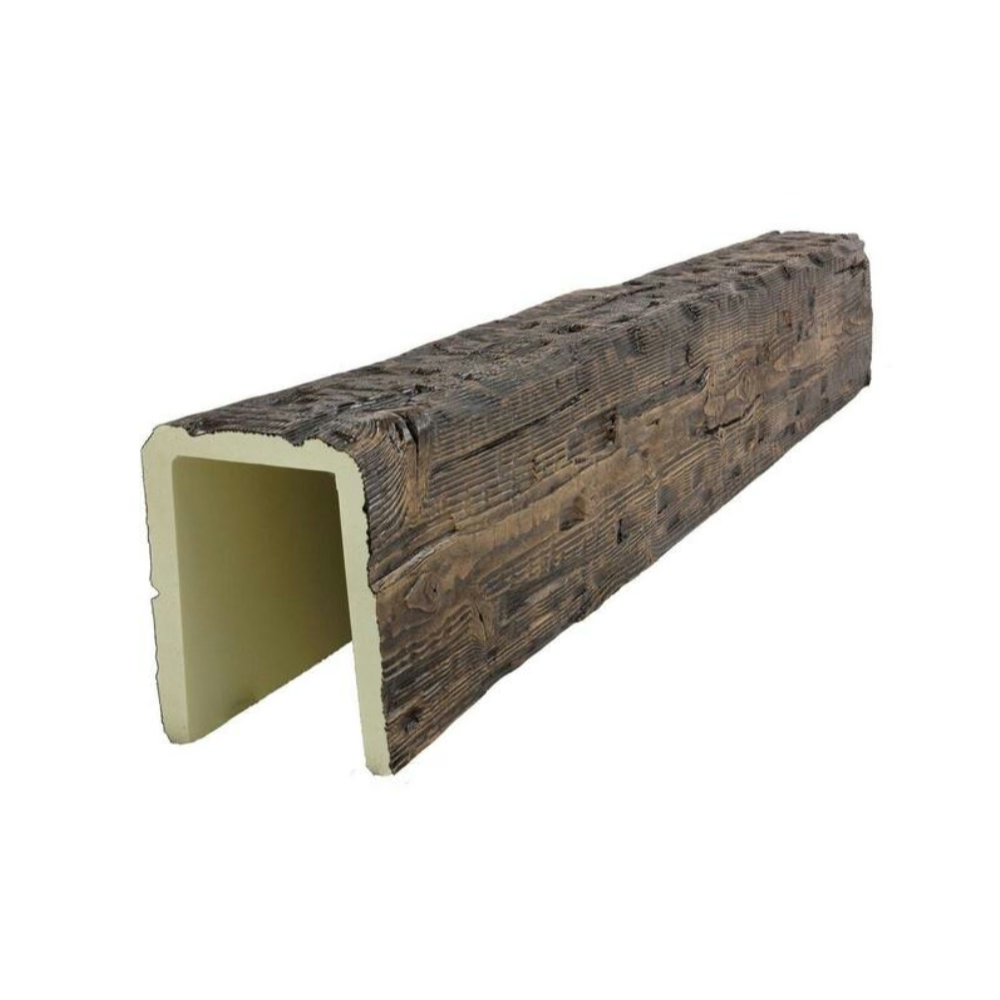
Authentic vigas were typically harvested from ponderosa pine, aspen, or juniper, species common throughout the Southwest and well-suited to the region's dry climate. The wood was cut while still green and allowed to season in place, gradually acquiring the checks and cracks that Southwest enthusiasts consider essential to the aesthetic. Knot patterns reflected the branches these trees once supported, while the natural taper from base to tip preserved the original growth form. Faux beam manufacturers study these characteristics extensively, creating molds and textures that honor traditional construction while delivering consistent quality and predictable performance.
The surface treatment of Southwest beams distinguishes them from other rustic styles. Rather than the clean modern rustic found in mountain cabins or the refined patina of English country beams, Southwest vigas carry evidence of their functional history—darkened by smoke, weathered by dry heat, checked by seasonal temperature swings. This appearance communicates authenticity on a visceral level, suggesting centuries of habitation and the accumulated character that only time can provide. Modern polyurethane technology creates these effects without waiting for decades, using carefully formulated surface treatments that replicate the chemical and physical changes wood undergoes through years of exposure.
Color palettes for Southwest beams typically emphasize warm earth tones—terracotta reds, adobe oranges, and dusty browns that complement the plaster walls and terracotta tile ubiquitous to the style. These tones connect interior spaces to the desert landscape, creating visual continuity between built environment and natural terrain. The beams themselves often appear darker than the surrounding architecture, providing visual weight that anchors rooms against the expansive skies visible through large windows. This contrast between shadow and light defines the dramatic lighting that Southwest spaces employ so effectively.
Design Applications in Contemporary Southwest Spaces
Modern interpretations of Southwest design often juxtapose traditional elements against contemporary backgrounds, creating spaces that honor regional heritage while meeting current lifestyle needs. Faux beams play crucial roles in these compositions, providing texture and warmth against smooth plaster walls or polished concrete floors. The beams establish a sense of history and permanence that new construction often lacks, grounding contemporary arrangements within a longer narrative of place and tradition.
Kitchens benefit enormously from Southwest beam installations, where the cooking area becomes the heart of the home in ways that echo traditional hacienda layouts. Exposed beams above kitchen islands create natural gathering points, defining the cooking and dining zone while adding warmth to what might otherwise be a purely functional space. The weight of overhead beams draws attention downward, encouraging lingering conversation while food preparation continues. For open-plan arrangements common in contemporary homes, beams provide spatial definition without the visual barriers that walls would create.
Bedroom installations transform sleeping quarters into retreats that feel genuinely connected to Southwest tradition. Lower ceiling heights in private spaces allow for more intimate beam installations, where individual vigas can be appreciated without overwhelming smaller rooms. The darkened surfaces of aged-appearing beams create restful overhead shadows, contributing to the cave-like coziness that traditional Southwest bedrooms employed to escape desert heat. Modern climate control makes such approaches purely aesthetic choices rather than functional necessities, but the visual associations persist.
Material Advantages for Long-Term Performance
Polyurethane faux beams offer significant practical advantages over authentic reclaimed vigas, which have become increasingly scarce and expensive as Southwest style popularity spreads beyond the region. Authentic reclaimed beams must be carefully inspected for insects, rot, and structural compromise before installation—a process that adds cost and uncertainty to every project. The material's history, while contributing to its character, also introduces variables that complicate matching and specification. Polyurethane eliminates these concerns, delivering consistent quality and predictable appearance batch after batch.
The lightweight nature of polyurethane construction simplifies installation in ways that matter enormously for ceiling applications. Authentic vigas require substantial structural support, often necessitating engineering assessments and specialized hardware for ceiling mounting. The reduced weight of faux alternatives—typically sixty to seventy percent lighter than equivalent timber—allows installation using standard construction techniques and hardware, dramatically reducing labor costs and structural requirements. This advantage becomes particularly significant for retrofit installations in existing homes where ceiling structure was not designed to support heavy timber.
Moisture resistance proves important even in the typically dry Southwest climate. Monsoon seasons bring significant humidity to many parts of the region, and interior spaces may experience moisture fluctuations as heating and cooling systems cycle. Polyurethane's closed-cell structure resists moisture absorption that could cause authentic wood to swell, crack, or develop biological growth. This stability ensures that beam installations maintain their appearance through seasonal changes without the seasonal adjustments that affect authentic wood.
Integration with Regional Materials and Textures
The most successful Southwest beam installations achieve harmony with surrounding materials rather than competing for attention. Saltillo tile floors, talavera ceramic accents, and handcrafted iron hardware all contribute to the regional aesthetic, and beams must complement these elements rather than dominating the composition. Color selection becomes crucial in this balancing act—beams that overwhelm adjacent surfaces create visual imbalance, while those that recede too far miss opportunities for aesthetic impact.
Plaster walls in Southwest style spaces typically feature subtle texture variations that echo the manual application process of traditional adobe construction. Faux beams should harmonize with this surface character, whether through intentional texturing that mirrors the plaster finish or through a complementary contrast that establishes clear visual hierarchy. Smooth plaster against rough-hewn beams creates the traditional Southwest contrast, while more refined plaster treatments might call for beams with gentler textures and cleaner lines.
Lighting integration significantly influences the impact of beam installations. Southwest spaces traditionally employed natural light filtered through wooden lattices, creating patterns of light and shadow that animated interior surfaces throughout the day. Contemporary installations can honor this tradition through strategic placement of recessed fixtures, track lighting along beam lengths, or statement pendants suspended between vigas. The beams themselves become lighting elements, with concealed fixtures washing their surfaces with warm illumination that emphasizes texture and depth.
Southwest style continues evolving as more homeowners discover its warmth and connection to landscape. Faux ceiling beams make this aesthetic accessible beyond the desert Southwest, allowing authentic regional character in any climate. The combination of visual authenticity, practical performance, and installation simplicity positions these products as ideal solutions for spaces that seek to honor tradition while meeting contemporary building standards.
Technical References
ASTM standards cited in every specification
Test Data
Lab results from internal testing program
Updated 2026
Reviewed against current product specs


