A cabin speaks a particular language—one written in weathered surfaces, honest materials, and the accumulated evidence of countless fireside evenings. When you cross that threshold, something shifts. The pace of thought slows, shoulders drop away from ears, and the complicated apparatus of daily life simplifies into basic human needs: shelter, warmth, food, and the company of people who matter. These spaces offer refuge precisely because they reject pretense, surrounding inhabitants with materials that tell truth about their origins and aging. For those building or renovating cabin properties, achieving this authentic character without inheriting actual structural limitations requires thoughtful selection of finishing materials, none more important than the overhead elements that define cabin interior character.
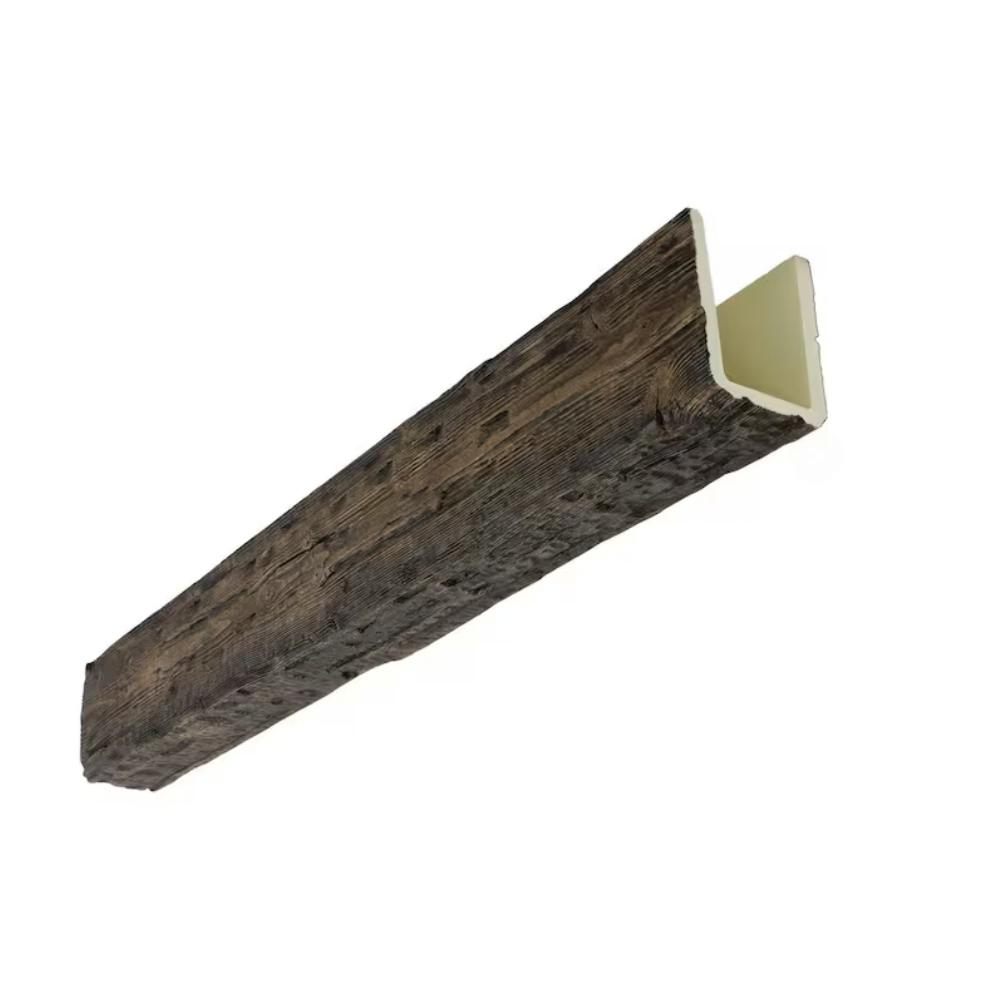
Antique pine has long served as the preferred species for cabin construction and finishing, valued for its workability, availability across temperate forest regions, and distinctive aesthetic qualities. The wood's relatively soft surface accepts hand tools readily, explaining its prevalence in traditional building where power equipment was unavailable. More importantly for contemporary aesthetics, pine develops beautiful patina through use—the amber tones deepen, grain patterns become more pronounced, and surface wear creates the visual texture that distinguishes genuinely old wood from manufactured reproductions. Faux beam manufacturers have studied these characteristics extensively, developing polyurethane products that capture antique pine's essential qualities while eliminating the sourcing challenges and performance limitations of authentic period material.

The Character of Antique Pine
Genuine antique pine carries history in every fiber, the accumulated evidence of years or decades of service that cannot be manufactured through artificial aging processes alone. Knot patterns reveal the branches these trees once supported, with larger limbs creating oval depressions surrounded by swirling grain that catches light in distinctive ways. The natural variations in ring spacing document periods of rapid and slow growth, reflecting the specific conditions each tree experienced throughout its existence. These organic irregularities give antique pine its visual richness, the texture that rewards close attention with continuously discovered details.
Surface checking represents another characteristic feature of aged pine, occurring as wood dries and contracts over years of seasonal temperature and humidity fluctuation. These hairline cracks, running parallel to grain lines, create the appearance of stress and endurance that speaks to authentic aging. Modern pine, dried using controlled processes, rarely develops such features naturally, meaning any beam installation seeking genuine antique character must employ techniques that create this appearance artificially. Quality polyurethane manufacturers accomplish this through careful surface texturing during molding, incorporating check patterns and stress fractures that read as naturally occurring rather than applied as surface decoration.
The color progression of pine from fresh-cut to antique represents perhaps its most distinctive characteristic. New pine presents pale yellow tones with subtle pink undertones, while genuine antique specimens display rich amber and honey hues developed through oxidation and light exposure. Oil from human hands darkens surfaces near handling points, while areas exposed to air and light develop the patina that collectors prize. This graduated color variation creates visual interest that uniform staining cannot replicate, which is why sophisticated faux beam manufacturers employ multi-step finishing processes that simulate the selective darkening authentic pine undergoes through years of use.
Designing Cozy Cabin Interiors with Faux Beams
The psychological impact of overhead beams extends beyond simple visual appeal, influencing how inhabitants perceive and inhabit spaces. High ceilings create grandeur and aspiration but can feel impersonal in smaller rooms where the overhead void becomes conspicuously empty. Beams interrupt this emptiness, introducing human scale and visual interest that draws attention upward while breaking large ceiling planes into more comprehensible sections. For cabin interiors where coziness ranks among primary design objectives, this spatial grounding effect proves essential to achieving the intended atmosphere.
Cabin great rooms typically benefit from substantial beam installations that establish the dominant design language for surrounding elements. Large faux timber beams spanning across ceiling planes create visual anchors from which other decisions cascade—light fixture selection, furniture placement, and finish material choices all respond to the overhead framework. A single prominent beam can define a seating area, while parallel beams across a room establish consistent rhythm that brings visual order to complex spaces. The key lies in proportional balance: beams substantial enough to read as structural elements without overwhelming the human scale of the people inhabiting the space.
Bedroom applications require different approaches, where intimacy and restfulness take precedence over dramatic statement. Lower ceiling heights common in cabin sleeping quarters make oversized beams inappropriate, but modest six or eight-inch beams can provide texture and warmth without visual aggression. Installation above the bed creates a protective canopy effect that enhances the sense of enclosure essential to restful sleep. The darkened surfaces of antique-appearing beams cast subtle shadows that add depth to what might otherwise be flat and uninteresting ceiling planes.
Technical Advantages of Polyurethane Construction
The practical benefits of polyurethane faux beams become particularly relevant in cabin applications, where access for maintenance may be limited and climate conditions vary dramatically across seasons. Authentic timber requires regular attention—sealing, checking for insect activity, monitoring for moisture damage—that many cabin owners cannot provide given the property's occasional use and remote location. Polyurethane eliminates these concerns, providing decades of service without the ongoing maintenance that authentic wood demands.
Insulation properties differ significantly between authentic timber and polyurethane, with implications for cabin comfort and energy costs. Solid wood beams conduct heat relatively efficiently, becoming thermal bridges that transfer energy between interior and exterior environments. Polyurethane's cellular structure provides significant thermal resistance, reducing these transfer effects and contributing to more consistent interior temperatures. While the beams themselves represent a small fraction of total building envelope area, their contribution to overall performance, particularly in exposed locations, can influence comfort near exterior walls and ceilings.
Weight considerations favor polyurethane for most cabin applications, where ceiling structures may have been designed for lighter loads than authentic timber would require. The sixty to seventy percent weight reduction compared to equivalent solid wood allows installation using standard construction techniques without structural modification. This advantage proves particularly valuable for retrofit installations in existing cabins, where the original construction may not accommodate the substantial loads that authentic timber would impose.
Achieving Authentic Antique Appearance
Surface preparation and finishing determine whether faux beams successfully communicate the antique character they target. The most convincing reproductions employ layered finishing processes that build depth through multiple treatment stages, rather than single-coat applications that read as painted rather than finished. Base colors establish the wood's fundamental tone, while subsequent layers add grain definition, knot emphasis, and selective darkening in stress areas. The final topcoat provides protection while maintaining the matte or satin appearance of naturally aged wood rather than the shiny surface that synthetic finishes often produce.
Texture development requires attention to the specific characteristics that distinguish pine from other species. The relatively soft wood compresses more readily than hardwoods, creating subtle wear patterns that accumulate near passage points and handling locations. Grain lines tend toward straightness but interrupt regularly by knots and occasional wild grain around limb attachments. Surface roughness varies across the beam, with smoother areas near edges and more textured surfaces in the field that accumulated less handling-related wear.
Edge treatment distinguishes quality beam reproductions from inferior products. Authentic timber beams show wear concentrated along edges and corners, where handling and contact with adjacent materials created natural stress points. Faux beams must replicate this pattern, with slightly softened corners and selective surface irregularities that suggest the gradual wear authentic wood undergoes through years of use. Beams with sharp pristine edges always read as manufactured regardless of how convincing their surface textures might be.
Antique pine texture ceiling beams transform cabin interiors from ordinary rooms into spaces that communicate heritage and authenticity. The combination of visual convincingness, practical durability, and installation simplicity makes polyurethane an ideal substrate for achieving traditional aesthetics with contemporary construction methods. For cabin owners seeking genuine character without authentic timber's limitations, these products deliver the best of both approaches.
Technical References
ASTM standards cited in every specification
Test Data
Lab results from internal testing program
Updated 2026
Reviewed against current product specs


