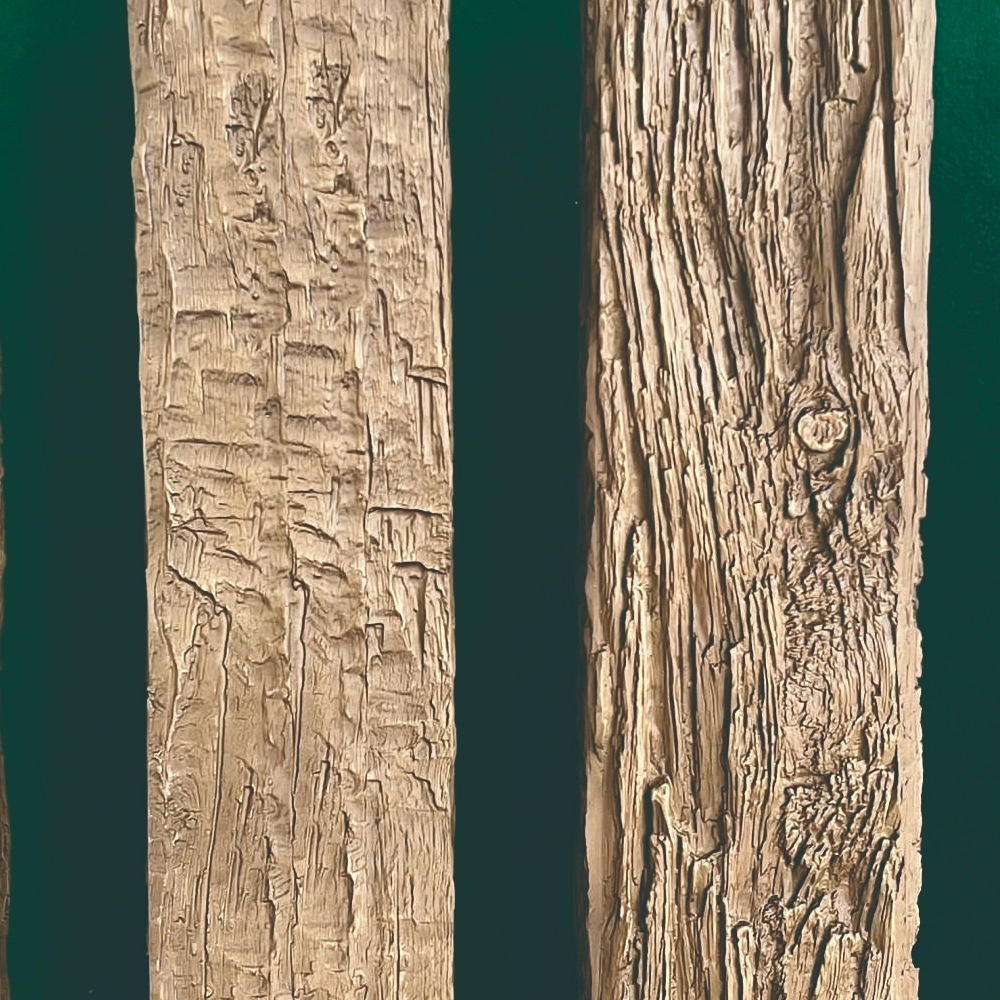
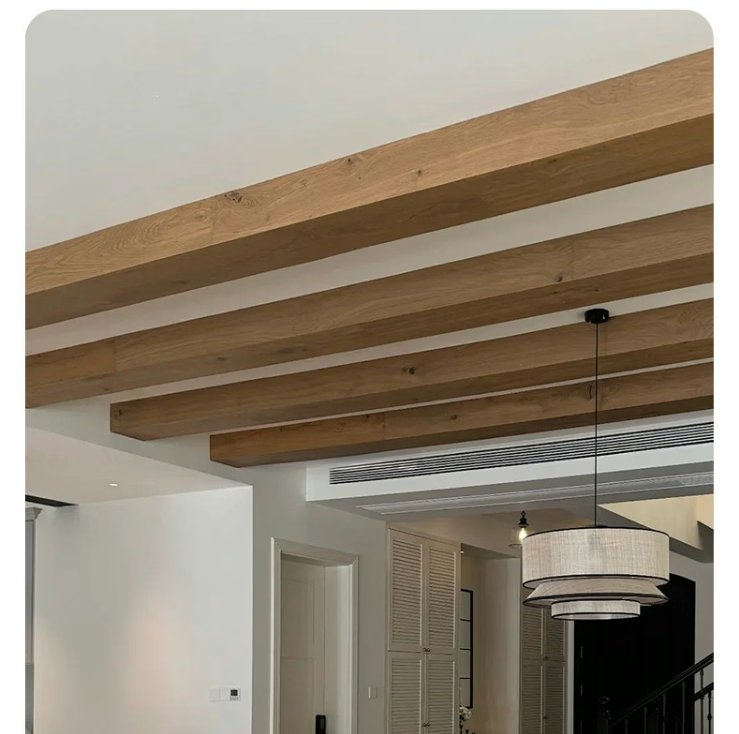
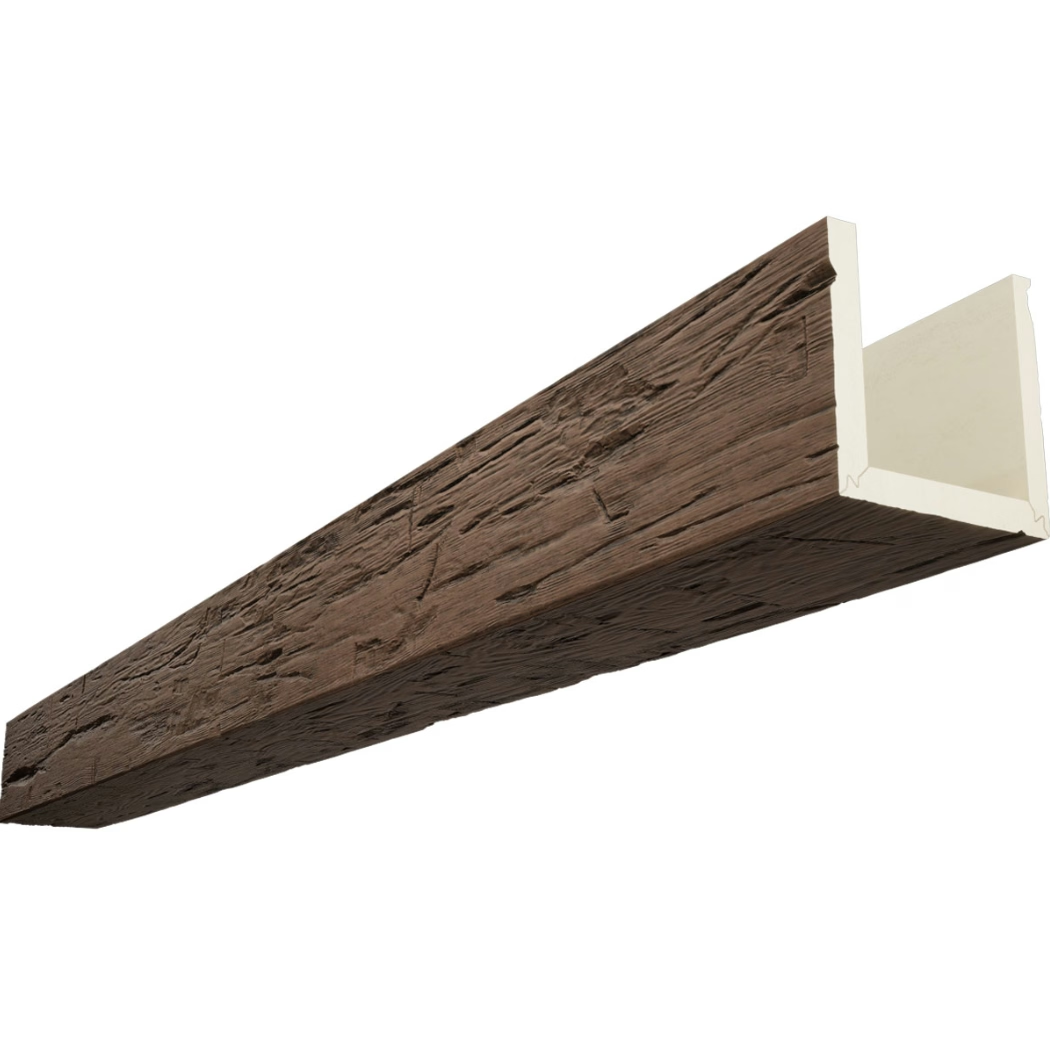
The boundary between interior and exterior living has blurred considerably in recent years, with homeowners increasingly treating patios, covered porches, and outdoor rooms as genuine extensions of their living space rather than separate zones requiring different design approaches. This shift demands exterior materials capable of standing up to weather exposure while delivering the aesthetic qualities that make interior spaces inviting. For timber-framed elements in particular—beams, rafters, and structural accents that define outdoor rooms—traditional wood faces constant assault from moisture, UV radiation, and biological threats that make authentic timber a perpetual maintenance liability. Exterior grade polyurethane faux timber beams address this challenge directly, providing authentic barn wood aesthetics with performance characteristics engineered specifically for outdoor environments.
The development of exterior-grade polyurethane for architectural applications represents significant advancement in materials technology, adapting formulations proven in marine, automotive, and industrial applications for use in building construction. These specialized compounds incorporate UV inhibitors that resist photodegradation, impact modifiers that prevent cracking from thermal stress, and moisture barriers that prevent water penetration—the primary threat to wood-based materials in exterior applications. The result is a material that maintains its appearance through years of weather exposure without the warping, splitting, or biological decay that affects authentic timber under similar conditions.

Engineering for Outdoor Performance
Outdoor materials face challenges fundamentally different from interior applications, requiring engineering that addresses each threat systematically. Temperature fluctuation creates particular stress as materials expand and contract with thermal changes, a cycle that repeats continuously throughout seasonal and daily weather patterns. Polyurethane's thermal expansion characteristics prove remarkably consistent, allowing precise fitting and secure attachment that maintains integrity through these cycles. Authentic timber responds differently across grain orientations and within inconsistent cell structures, leading to the checking, splitting, and warping that plague exterior wood installations.
Moisture represents the most persistent threat to exterior wood, providing the conditions necessary for fungal growth while causing physical expansion that stresses cellular structures. Polyurethane's closed-cell composition provides no habitat for wood-decaying organisms, eliminating biological threats that require ongoing prevention in authentic timber. Water slides off the material surface rather than penetrating to create the saturation conditions that lead to decay, meaning exterior beams maintain dimensional stability regardless of precipitation exposure. This characteristic proves particularly valuable in climates with significant rainfall or humidity, where authentic wood faces constant moisture challenge.
UV radiation breaks down organic materials through photochemical reactions that degrade surface appearance and structural integrity over time. Exterior grade polyurethane incorporates stabilizers that absorb or scatter UV energy, preventing the degradation that causes authentic wood to gray and become brittle. These same stabilizers maintain color fidelity, ensuring that stain and finish treatments retain their intended appearance through years of sun exposure. The elevation of UV intensity at higher altitudes intensifies these effects, making stabilized formulations particularly important for mountain and high-desert applications.
Design Applications for Outdoor Living
Covered porches and patios provide natural applications for exterior faux beams, where overhead timber framing establishes the architectural language that defines outdoor rooms. The beams visible from seating areas below set the aesthetic tone for the entire space, establishing rustic character that carries through to furniture selection, finish materials, and decorative elements. Barn wood textures prove particularly effective in these applications, where weathered appearance harmonizes with natural landscape surroundings while providing the visual warmth that encourages outdoor habitation.
Outdoor kitchen and dining installations benefit from substantial beam installations that create the sense of enclosed shelter appropriate for spaces dedicated to food preparation and gathering. Beams above cooking areas frame activity zones while adding visual interest to what might otherwise be purely functional ceiling planes. The warm tones of barn wood aesthetics complement the organic materials common in outdoor kitchen design—stone countertops, brick pizza ovens, and natural wood cabinetry—creating visual continuity between constructed elements and landscape setting.
Pool house and cabana applications present unique challenges given the high moisture environment surrounding water features. Exterior grade polyurethane handles these conditions without the special treatments that authentic timber requires, allowing designers to incorporate rustic timber aesthetics in settings where wood would otherwise be impractical. Beams spanning above lounging areas establish resort-style ambiance, while pergola applications with beam rafts create dappled shade that moderates sun exposure while maintaining visual connection to sky and surrounding landscape.
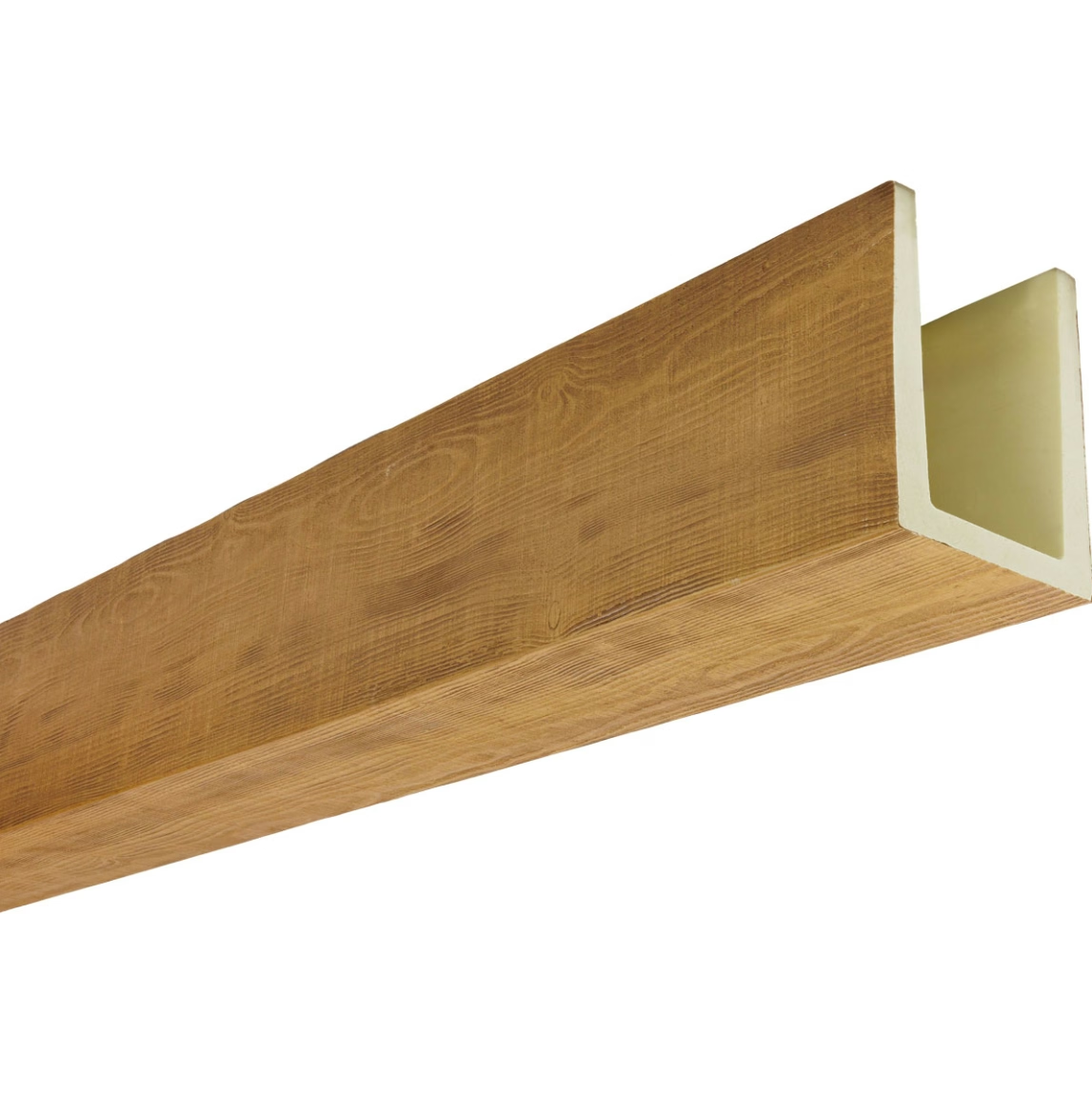
Installation Considerations for Exterior Applications
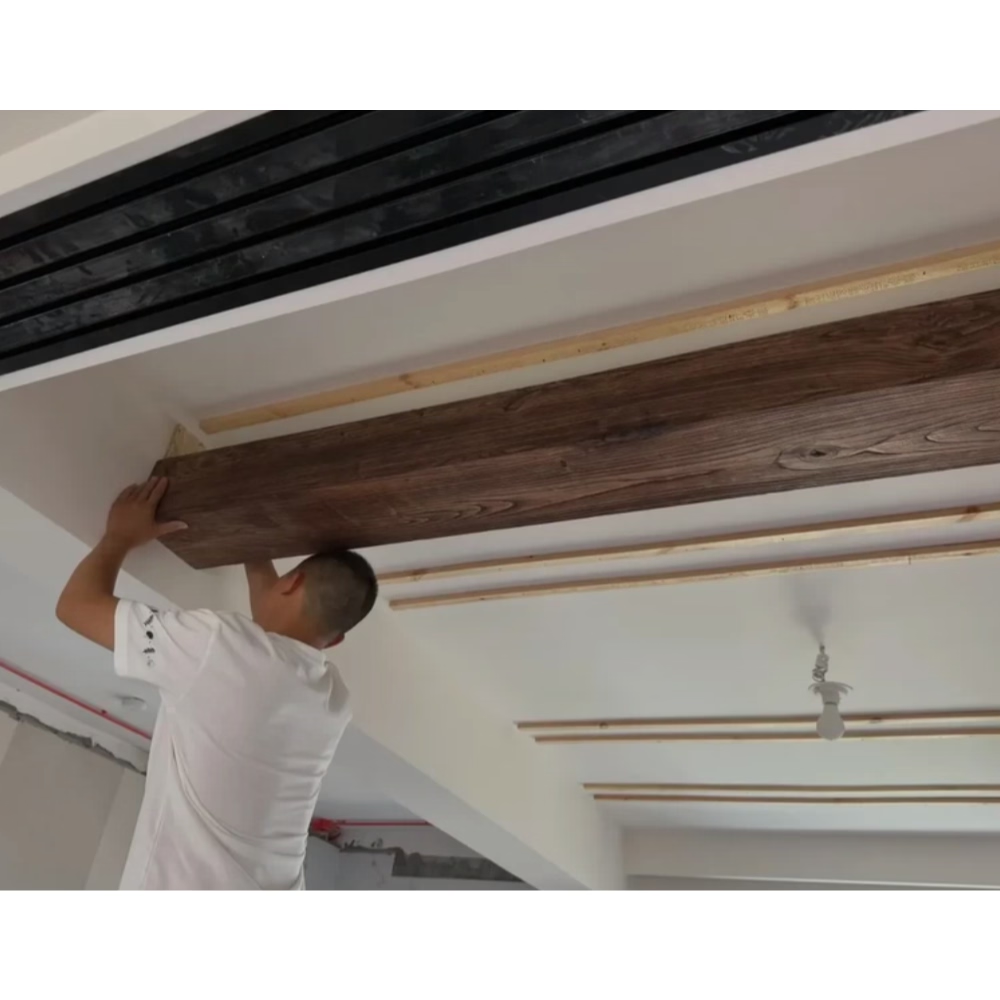
Proper installation technique ensures that exterior beams perform reliably throughout their service life, requiring attention to details that differ from interior applications. Fastener selection must account for thermal movement, using stainless steel or coated hardware that resists corrosion while allowing the slight dimensional changes that temperature fluctuation causes. Expansion joints at beam ends prevent the compression stress that could cause surface cracking, while secure middle attachment points prevent sagging or shifting that might compromise appearance over time.
Structural support requirements for exterior beams must account for potential wind loads that interior installations do not face. Gable ends and overhangs experience significant wind pressure that pushes against beam surfaces, requiring attachment methods capable of withstanding these forces. Quality installation specifications address these considerations directly, specifying appropriate hardware and attachment spacing for each application type and exposure category.
Moisture management at beam interfaces prevents water tracking into building envelope assemblies where it could cause hidden damage. Properly flashed beam connections direct water away from vulnerable junctions, ensuring that precipitation encounters a clear path to drainage rather than penetrating into wall or roof assemblies. This attention to weatherproofing details distinguishes professional installations from amateur work that may appear adequate initially but develops problems over time.
Long-Term Value for Outdoor Projects
The total cost of ownership for exterior beam installations favors polyurethane over authentic timber when lifecycle costs are properly calculated. While initial material costs may exceed those of untreated dimensional lumber, the elimination of ongoing maintenance—sealing, staining, insect treatment, and replacement of deteriorated elements—creates savings that accumulate over the installation's service life. For commercial applications where maintenance access requires scaffolding or lifts, these savings become even more significant, often exceeding the initial material cost premium within the first few years of service.
Warranty coverage provides additional value consideration, with quality exterior polyurethane products backed by warranties extending ten years or more against manufacturing defects and performance failures. Authentic timber typically carries no such coverage, as suppliers recognize the inherent variability and biological vulnerability of organic materials. The warranty security proves particularly valuable for commercial applications where unexpected failures create liability exposure and replacement costs that could have been avoided through product selection.
The aesthetic consistency of polyurethane also contributes to long-term value, as beams installed simultaneously maintain uniform appearance throughout their service life. Authentic timber develops weathering at rates influenced by exposure, orientation, and microclimatic conditions, creating visible differences between beams that should appear identical. Exterior polyurethane maintains consistent appearance across all installations regardless of these variables, ensuring that the aesthetic achieved at installation persists indefinitely without differential aging that undermines design intent.
Exterior grade polyurethane faux timber beams represent practical evolution in outdoor building materials, providing the rustic barn wood aesthetic that defines quality outdoor spaces while delivering the performance that weather exposure demands. For architects, builders, and homeowners planning outdoor living projects, these products offer the best of both approaches—the authentic character of weathered timber with the reliability of modern engineered materials.
Technical References
ASTM standards cited in every specification
Test Data
Lab results from internal testing program
Updated 2026
Reviewed against current product specs