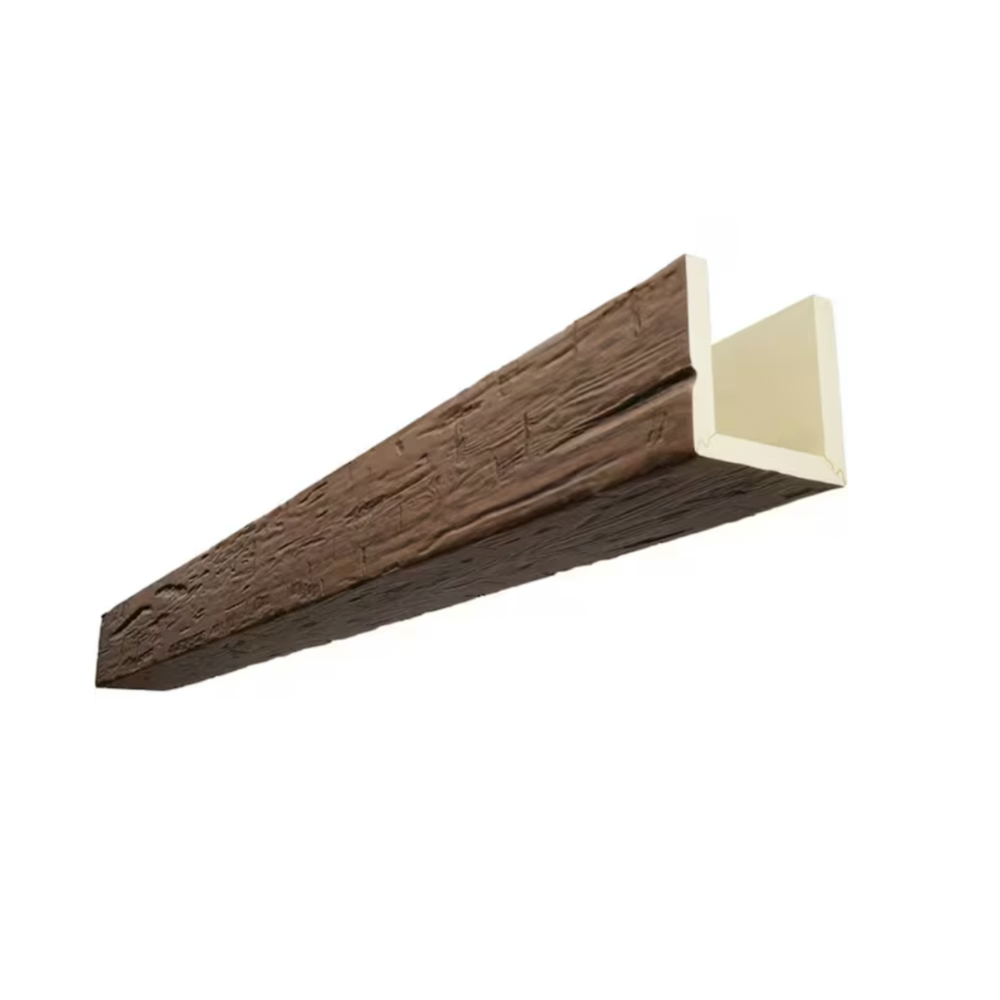
Farmhouse decor has proven remarkably durable as a design movement, maintaining relevance and popularity across two decades of evolving trends that have displaced numerous competing aesthetics. This longevity stems from the style's foundation in genuine human values rather than fashion—prioritizing comfort, practicality, and authentic character over the superficial impressions that drive trend-driven design. Spaces decorated according to farmhouse principles feel genuinely welcoming rather than merely impressive, inviting the extended habitation that makes houses into homes. Central to this effect is the material honesty that defines the aesthetic, where wood surfaces display their origins and history rather than concealing them behind smooth finishes. Barnwood texture faux beams provide the finishing element that brings farmhouse spaces to completion, adding the overhead character that grounds furniture groupings and establishes design language throughout interconnected rooms.
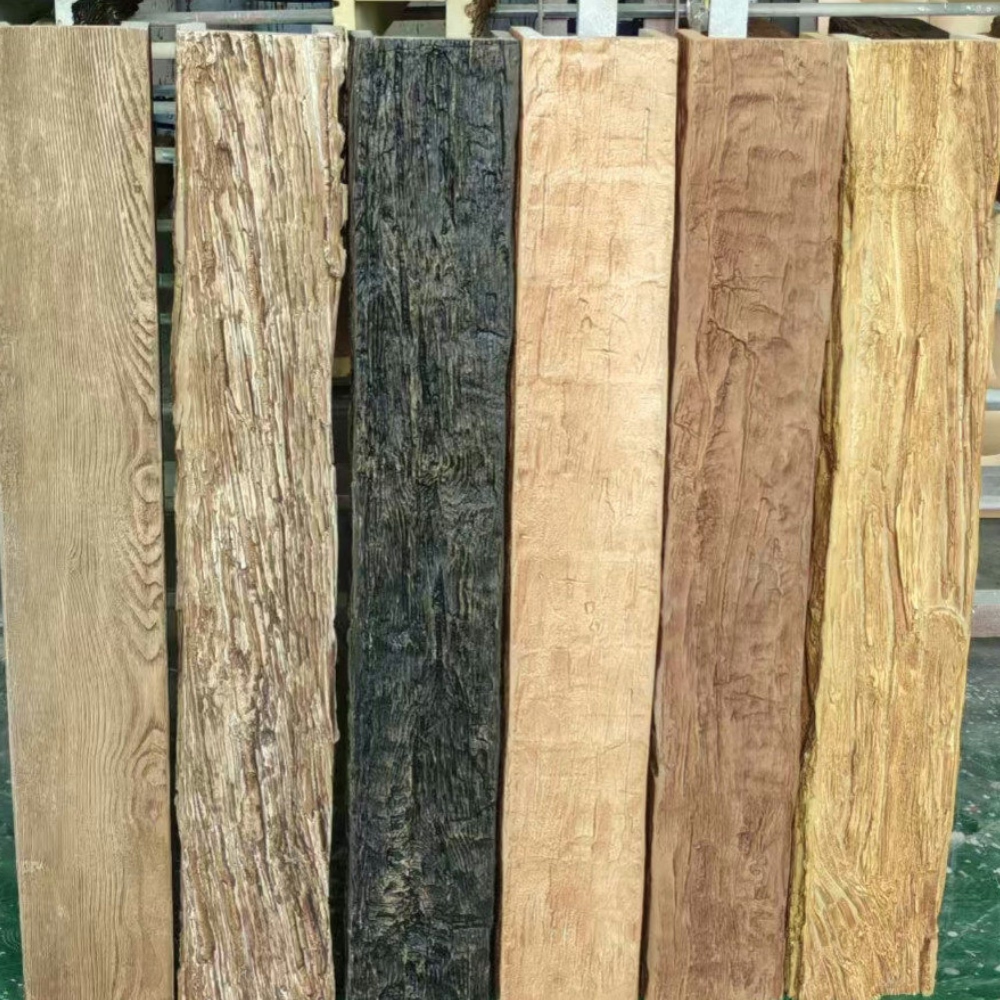
The texture of barnwood carries information that distinguishes it from other weathered wood sources. Years of exposure to sun, rain, and temperature fluctuation created surface conditions that reflect this specific history, with patterns of weathering that differ from interior wood surfaces or timber from covered structures. Replicating these characteristics requires understanding the weathering processes involved and the specific textures they produce—understanding that quality manufacturers have developed through extensive study of authentic barnwood specimens.

Understanding Barnwood Texture Development
The weathering of wood into barnwood involves complex chemical and physical processes that unfold over years of exposure. Initial surface degradation removes softwood fibers through a combination of UV photodegradation, wind abrasion, and moisture cycling. This fiber removal creates the slightly rough surface texture that distinguishes weathered boards from smooth interior wood, with texture depth varying according to exposure intensity and wood species characteristics. Beneath this surface layer, the wood remains structurally sound while developing the distinctive appearance that collectors prize.
Grain patterns influence weathering behavior significantly, with softer earlywood degrading more rapidly than denser latewood bands. This differential weathering creates the raised grain appearance common in weathered wood, where annual growth rings become visually pronounced as surrounding material recedes. The resulting texture catches light in ways that flat surfaces cannot replicate, creating the visual depth that makes barnwood appear alive rather than merely colored.
Check development follows grain lines as wood dries and contracts through seasonal cycles. These hairline cracks create the dimensional character that distinguishes genuine barnwood from artificially gray-stained material, providing visual interest that rewards close examination. The checks should vary in depth and visibility, with some barely perceptible and others prominent enough to catch shadows. This variation creates the authenticity that uniform treatment cannot achieve.
Application in Farmhouse Decor Schemes
Farmhouse decor typically layers textures and materials rather than relying on single dominant elements, creating visual richness through accumulation rather than dramatic statement. Beam installations contribute to this layering effect by adding substantial overhead texture that complements wall and floor surfaces without competing for attention. The barnwood texture provides natural backdrop for the accumulated objects, textiles, and smaller elements that fill farmhouse rooms, grounding these collections within architectural context that organizes their variety.
Open shelving, ubiquitous in farmhouse kitchens, benefits from beam installation that provides overhead anchoring for these display areas. Beams spanning above shelves create visual connection between storage and structure, establishing relationship that helps organize the visual complexity that open shelving inevitably introduces. The rustic texture complements the casual display style that farmhouse shelving employs, where practical items become decorative elements through arrangement rather than concealment.
Dining areas in farmhouse homes often feature farmhouse tables surrounded by varied chairs—a deliberate aesthetic choice that rejects the matching sets promoted by furniture manufacturers in favor of collected, personal arrangements. Beams above these tables establish overhead rhythm that unifies the varied seating while adding warmth that enhances the gathering purpose these spaces serve. The barnwood texture provides visual warmth that encourages lingering, supporting the extended meals and conversation that farmhouse dining celebrates.
Color Coordination in Farmhouse Spaces
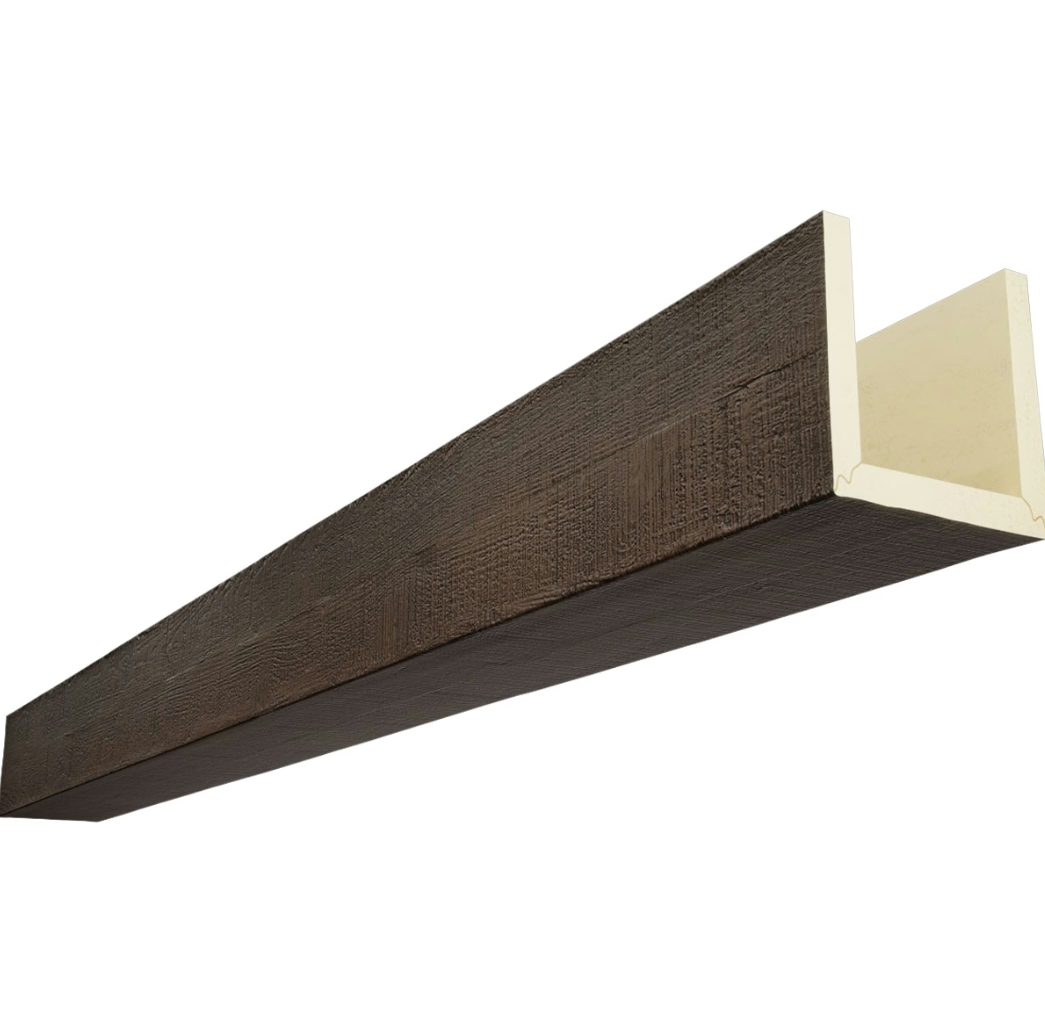
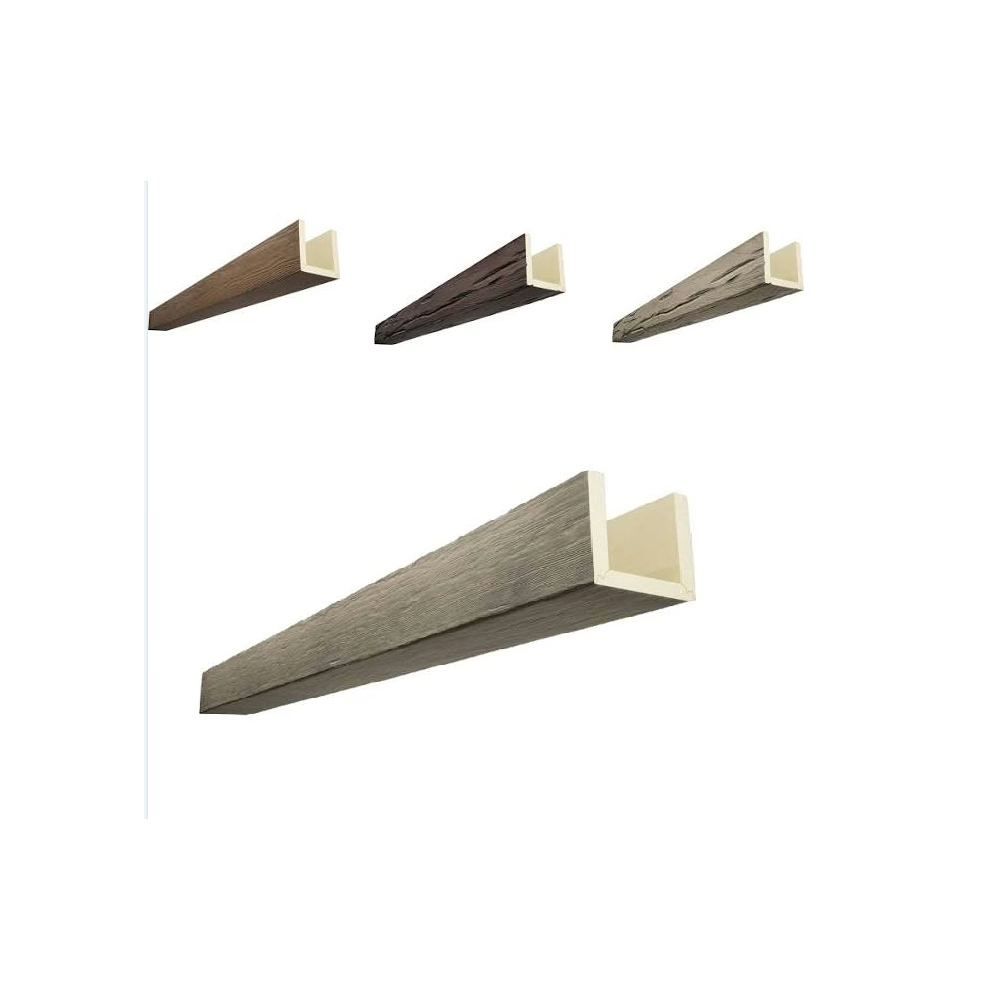
Barnwood textures encompass considerable color range, from pale silver-gray through warm honey tones to deep brown that approaches black in the most weathered specimens. Selection should coordinate with the overall color palette of the space, considering wall colors, floor materials, and furniture finishes that will share visual field with the beam installations. The goal is achieving harmony rather than perfect match—relationship between elements that creates unified composition rather than disjointed collection.
White and cream walls, ubiquitous in farmhouse interiors, create natural backdrop for barnwood beam installation. The contrast between light walls and textured wood establishes clear visual hierarchy while introducing the warmth that prevents monochromatic schemes from feeling sterile. The specific barnwood tone should complement rather than clash with wall colors, with cooler grays harmonizing with blue-tinted whites and warmer tones pairing with cream or yellow-affected neutrals.
Wood floors in farmhouse spaces require careful beam selection to avoid visual competition between overhead and floorplane wood elements. The goal should be establishing clear hierarchy—typically with floor providing neutral foundation and beams contributing more pronounced texture and color. Matching beam and floor tones creates monotony, while extreme contrast creates discord. The most successful arrangements find middle ground where beam and floor relate without either dominating.
Maintenance and Longevity Considerations
Polyurethane construction provides maintenance advantages that align with farmhouse values, where practical durability matters more than premium status. Unlike authentic barnwood that requires periodic sealing, insect treatment, and monitoring for moisture damage, polyurethane faux beams maintain their appearance through years of service without ongoing attention. This low-maintenance characteristic proves particularly valuable in seasonal properties or vacation homes where regular maintenance is impractical.
Cleaning requirements for polyurethane beams are minimal—dust removal with soft cloth or gentle vacuum attachment typically suffices for routine maintenance. The sealed surface prevents staining and allows moisture cleanup without the penetration concerns that affect porous authentic wood. For beams in kitchen or dining applications where grease and food splatter create cleaning challenges, polyurethane's non-porous surface allows practical cleanup that authentic barnwood would absorb and retain.
Long-term appearance retention represents significant advantage of quality polyurethane over authentic barnwood. While authentic barnwood continues aging after installation—potentially developing additional checking, surface degradation, or color shift—polyurethane maintains the appearance achieved at installation throughout its service life. This predictability proves valuable for homeowners who establish design intent and expect spaces to remain consistent with their original vision.
The combination of authentic barnwood texture, practical performance, and installation simplicity makes polyurethane faux beams ideal for farmhouse decor applications. These products honor the material honesty that defines farmhouse aesthetics while eliminating the sourcing challenges and maintenance demands that authentic barnwood would impose. The result allows homeowners to achieve the authentic character they seek without compromising on practicality or budget.
Technical References
ASTM standards cited in every specification
Test Data
Lab results from internal testing program
Updated 2026
Reviewed against current product specs