There is a reason the Japanese practice of shou sugi ban — charring wood to preserve and beautify it — has traveled from rural workshops and temple gates to high-end interior design studios around the world. The process produces a surface of extraordinary depth: blackened, slightly textured, and alive with subtle variations that catch light differently from every angle. When this aesthetic is translated into polyurethane faux beams, it becomes accessible to a much wider range of interiors, including modern industrial living spaces where the look belongs naturally.
Modern industrial interiors have evolved well beyond their origins in repurposed warehouses and converted factories. Today's industrial spaces balance raw materials with refined finishes, dark tones with warm accents, and architectural honesty with comfort. Charred wood faux beams fit perfectly into this evolved vocabulary, offering the visual weight and textural complexity that industrial living rooms need without the fire risk, maintenance burden, or installation complexity of real charred timber.
The Charred Wood Aesthetic in Industrial Interiors
Industrial design draws much of its character from contrast: smooth against rough, dark against light, cold against warm. Charred wood beams introduce both texture and darkness in a way that few other materials can match. Against exposed brick walls, concrete floors, and blackened steel fixtures, a charred beam ceiling creates a cohesive dark palette that feels intentional rather than oppressive.
The key to making charred wood beams work in a living space is managing the visual weight. A fully charred, deep-black beam can dominate a room if the surrounding surfaces are also dark. In most industrial living rooms, the walls are light enough — raw brick in warm reds and oranges, exposed concrete in soft grays, or white-painted brick — to provide contrast. The beams sit at the top of the hierarchy, dark and anchoring, while the walls and floor keep the room grounded in the accessible warmth that makes industrial spaces livable.
Modern industrial interiors also benefit from the material honesty that charred wood communicates. The charring process reveals and enhances the wood grain, making the beam surface more texturally interesting as it darkens. A polyurethane beam with a quality charred finish captures this effect convincingly: the grain lines are visible beneath the charred surface, creating depth that rewards close inspection.
Choosing the Right Charred Finish Level
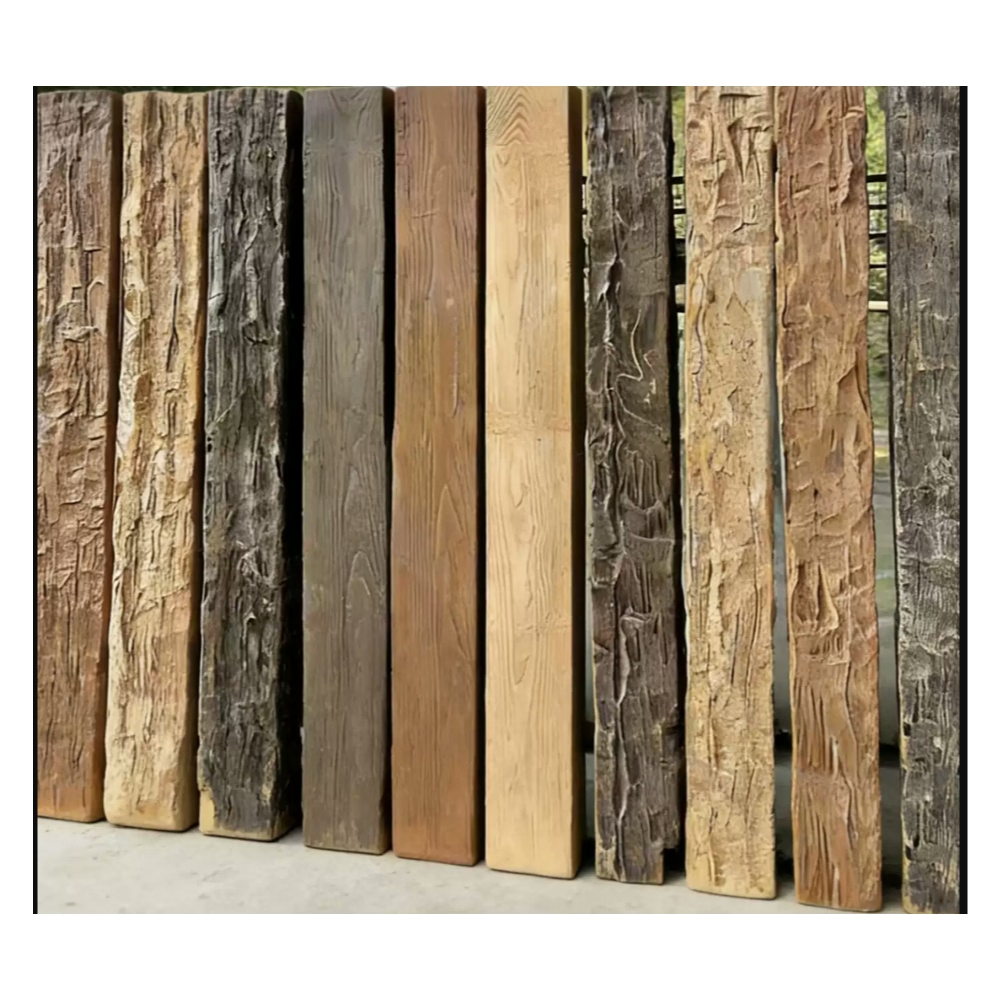
Not all charred wood looks the same. The shou sugi ban process produces different results depending on the charring intensity, ranging from a light silver-gray surface on lightly torched wood to a deep, almost iridescent black on heavily charred pieces. For polyurethane faux beams, manufacturers offer a range of charred finish levels to match different design intents.
A light charred finish — sometimes described as ash or smoke gray — produces beams with a warm gray surface that still reveals significant wood character. This level of charring is the most versatile for industrial living rooms, as it provides texture and depth without overwhelming the room's color palette. It pairs well with both warm brick walls and cool gray concrete.
A medium charred finish introduces more black into the surface, creating a brown-black or charcoal appearance with visible grain lines. This finish works best in rooms with substantial natural light, as the additional darkness can absorb too much light in dimmer spaces.
A deep charred finish, with an almost fully black surface and minimal grain visibility, is the most dramatic option. Use this level sparingly — perhaps on a single beam in a room with multiple beams, or in a large open space where the ceiling is far enough above eye level that the beam surface reads as a dark mass rather than a detailed texture.
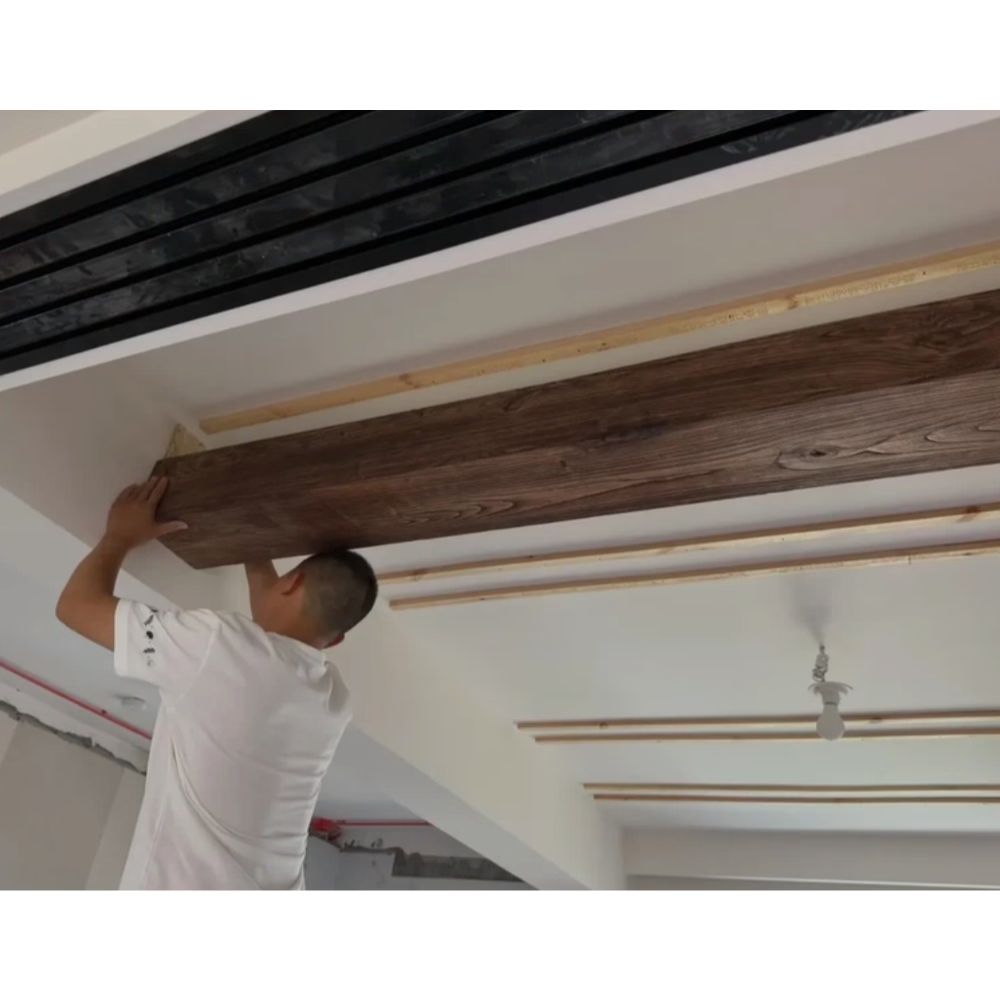
Pairing Charred Beams with Industrial Furniture and Materials
The materials that populate an industrial living room should feel related to the charred beams without matching them directly. Black steel furniture — dining tables, shelving units, table bases — creates a direct connection to the beam finish. The steel catches light differently than the charred wood, providing contrast and preventing the room from feeling monochromatic.
Reclaimed wood furniture in a natural or lightly weathered finish provides warmth that offsets the cool darkness of the charred beams. A coffee table made from reclaimed barn wood, a media console in unfinished teak, or floating shelves in natural pine all introduce color and texture that prevent the room from feeling too heavy.
Concrete surfaces — polished concrete floors, concrete countertops, or concrete fireplace surrounds — complement charred beams through their shared quality of processed natural material. Both materials have been transformed by human intervention into something with a different character than their raw state, and this shared narrative creates a subtle coherence in the room.

Lighting Charred Beam Ceilings
Charred wood beams respond particularly well to directional lighting that grazes the surface texture. Because the charring process creates a slightly uneven surface at the microscopic level, light at an angle reveals every variation and produces a rich, dynamic surface appearance that changes throughout the day as natural light shifts.
For evening lighting, recessed downlights in a warm color temperature — around 2700K — cast a golden light across the dark beam surfaces that feels appropriately industrial. Avoid cool white LEDs above charred beams, as the blue-white light creates a discordant contrast with the warm black surface.
Pendant lights with metal housings in matte black or aged bronze reinforce the industrial palette. Clustered pendant groupings over a dining table or kitchen island provide both task light and a sculptural element that connects visually with the ceiling beams. The metal finish of the pendant fixtures should relate to but not match the beam finish — slightly lighter or differently textured — to create visual interest.
Trade Applications for Charred Finish Beams
For retailers and trade buyers, charred finish PU faux beams appeal to a specific but substantial market segment: clients who want the dramatic impact of dark materials without the permanence and maintenance requirements of real charred timber. The hospitality sector, in particular, has embraced this aesthetic for boutique hotel lobbies, rooftop bars, and upscale restaurant dining rooms.
When marketing charred finish beams to trade customers, emphasize the safety advantages over real shou sugi ban timber. Charred wood, while beautiful, can continue to emit residual carbon and requires sealing in some jurisdictions. Polyurethane beams with a charred finish eliminate these concerns entirely, making them suitable for a broader range of commercial applications including healthcare facilities, schools, and residential care environments where fire safety is paramount.
The charred wood finish faux beam is not a subtle choice, and that is precisely its appeal. For spaces that want to make a strong visual statement, this finish delivers impact, character, and a connection to one of the world's most enduring craft traditions — all in a lightweight, easy-to-install package.
Technical References
ASTM standards cited in every specification
Test Data
Lab results from internal testing program
Updated 2026
Reviewed against current product specs


