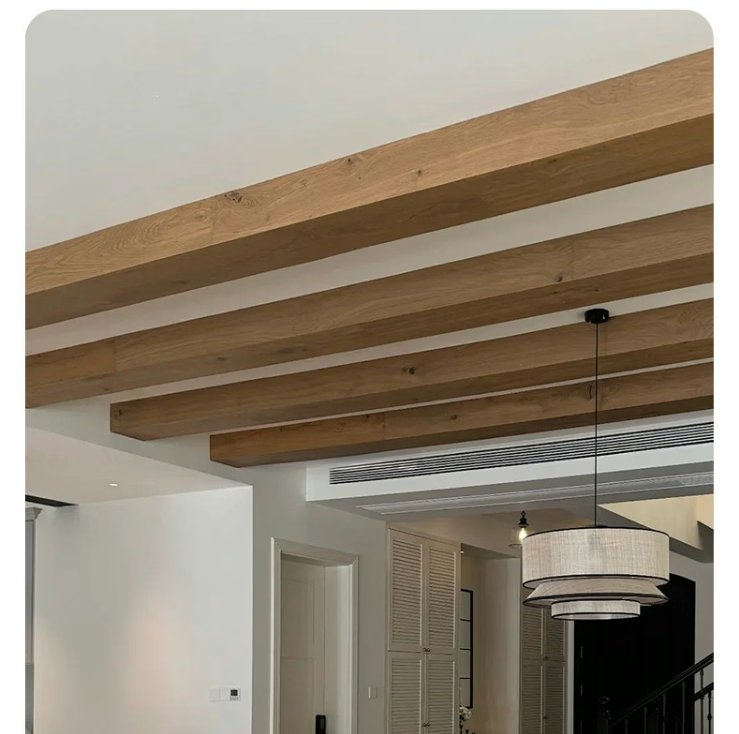
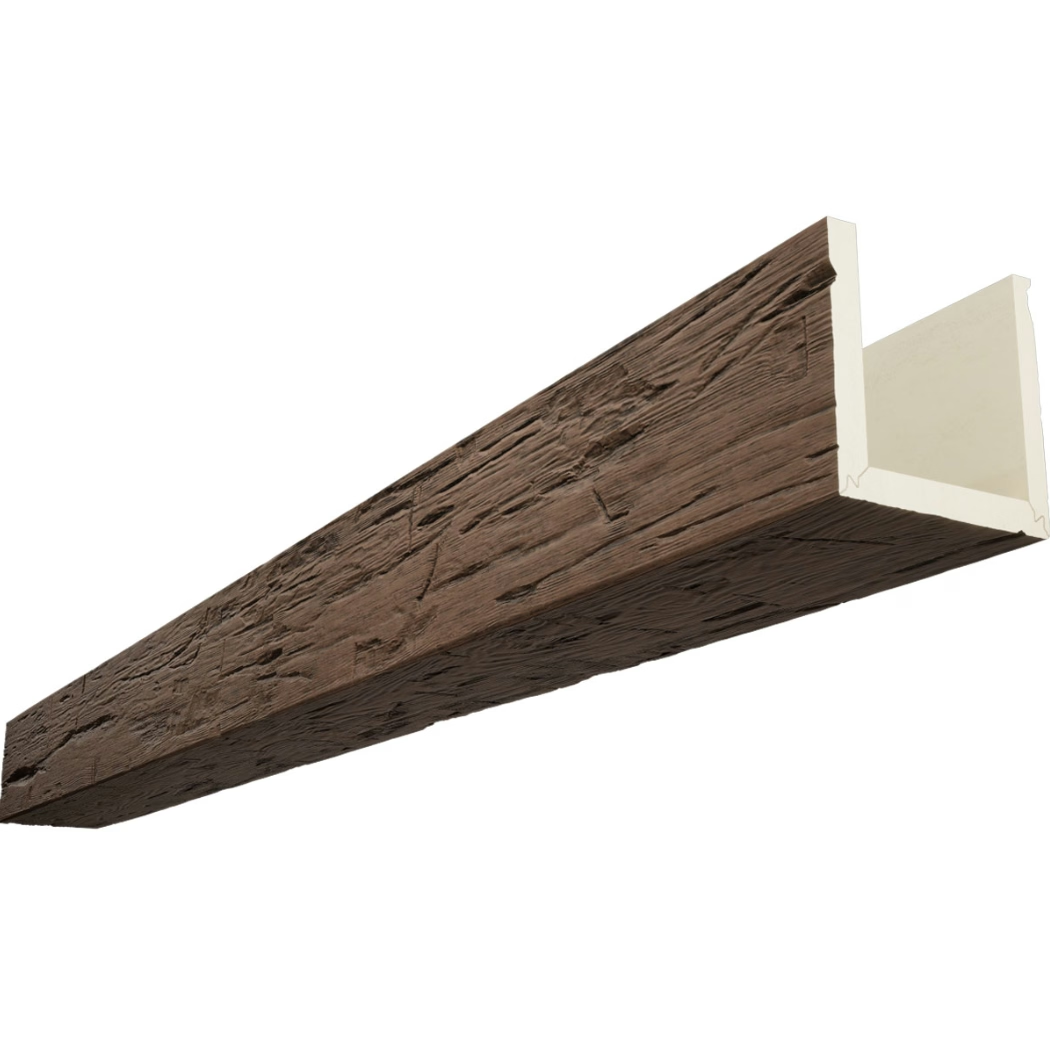
Restaurant design operates on different principles than residential interiors. While homes prioritize personal comfort and family needs, restaurants must attract customers, create memorable experiences, and justify price points through atmosphere as much as cuisine. Private dining rooms present particular design challenges—these intimate spaces must feel special enough to warrant booking fees while remaining comfortable enough for extended meals and conversation. Warm rustic faux beams provide effective tools for achieving this balance.
Private Dining Room Design Requirements
Private dining rooms serve occasions that demand special treatment—business dinners requiring confidentiality, family celebrations marking milestones, intimate gatherings celebrating relationships. Each occasion carries expectations that design must support.
The atmosphere should signal importance. Guests in private dining rooms expect spaces above ordinary restaurant seating, environments that acknowledge the significance of their occasions. Architectural details like ceiling beams communicate this special status immediately upon entry, setting appropriate expectations.
Comfort must sustain extended dining experiences. Private room meals often span hours, with multiple courses accompanied by conversation and reflection. Spaces that feel cramped, uncomfortable, or stimulating beyond sustainable levels fail these requirements. Warm wooden beams contribute cozy comfort that supports rather than competes with dining enjoyment.
Acoustic considerations affect private dining success significantly. Hard surfaces—tile floors, plaster walls, glass windows—create reverberation that makes conversation difficult. Soft elements like wooden beams, upholstered seating, and textile wall treatments absorb sound and improve acoustic comfort. This practical benefit accompanies aesthetic contribution.
The Warmth Quotient in Restaurant Design
Restaurant warmth encompasses multiple dimensions—visual temperature, physical comfort, and emotional atmosphere. Each dimension contributes to overall dining experience in ways that affect guest satisfaction and return visits.
Visual warmth in restaurant design involves color temperature, material selection, and lighting choices. Warm colors and natural materials like wood create environments that feel inviting rather than clinical. These environments encourage lingering, allowing guests to enjoy full dining experiences without feeling急于离开 (hurrying to leave).
Physical warmth relates to temperature control but extends beyond it. Spaces with wooden beams overhead feel warmer at any thermostat setting, the psychological warmth of wood combining with physical heating to create comfortable environments. This dual warmth proves valuable in restaurants where guests may spend hours seated.
Emotional warmth describes how spaces make guests feel about themselves and their companions. Warm environments foster connection, encouraging the conversations that make dining meaningful beyond mere food consumption. Private rooms with wooden beams create emotional warmth that enhances relationships celebrated or developed within them.
Designing Distinctive Private Room Atmospheres
Restaurant private rooms benefit from design that distinguishes them from both main dining areas and competitors' spaces. Rustic faux beams provide character that achieves this distinction while maintaining practical functionality.
Consider beam placement that creates intimate zones within larger private rooms. A pair of beams crossing above the dining table establishes it as the room's focal point, drawing attention and conversation to shared meals. Beams above seating areas create gathering zones that encourage relationship over food.
Beam scale should relate to room proportions. Private rooms typically accommodate smaller groups—six to twenty guests—requiring proportional beam treatment. Oversized beams that would overwhelm intimate spaces become appropriately dramatic in larger private rooms accommodating corporate events or large celebrations.
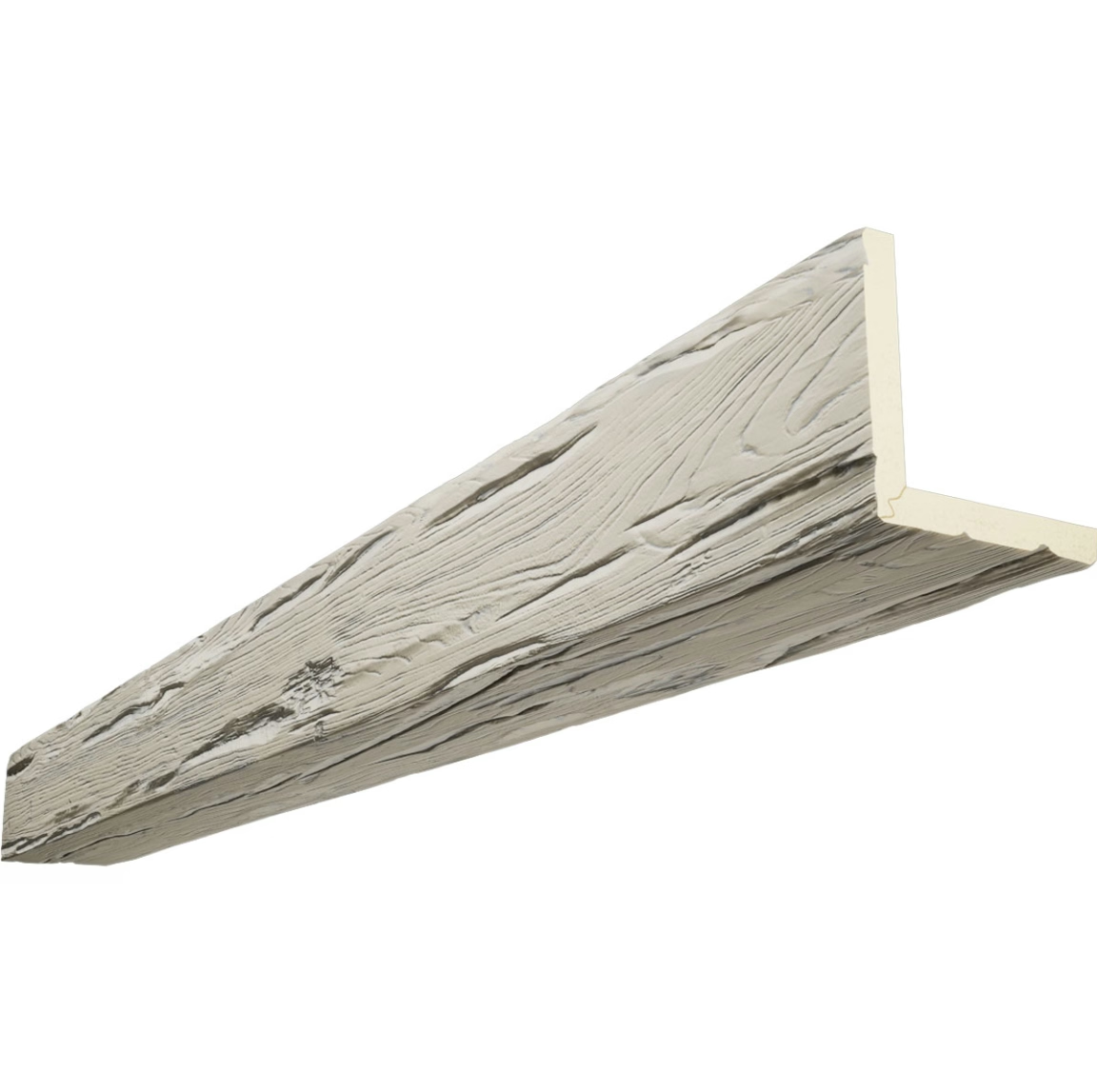
Beam finish selection affects overall atmosphere significantly. Darker rustic finishes create sophisticated gravitas appropriate for business dining; lighter finishes provide more casual warmth suitable for family celebrations. Match beam character to the primary occasions your private rooms will host.
Acoustic Benefits of Wooden Beam Installations
Sound management in restaurants requires balancing multiple considerations. Sufficient volume allows servers to communicate clearly; sufficient absorption prevents the loud, exhausting environments that diminish dining pleasure. Wooden beam installations contribute positively to acoustic performance.
Wood absorbs mid-range frequencies more effectively than many hard materials. This absorption reduces the reverberation that makes conversation difficult in hard-surfaced rooms. Beams add absorption without the visual softness that might feel inappropriate in upscale dining environments.
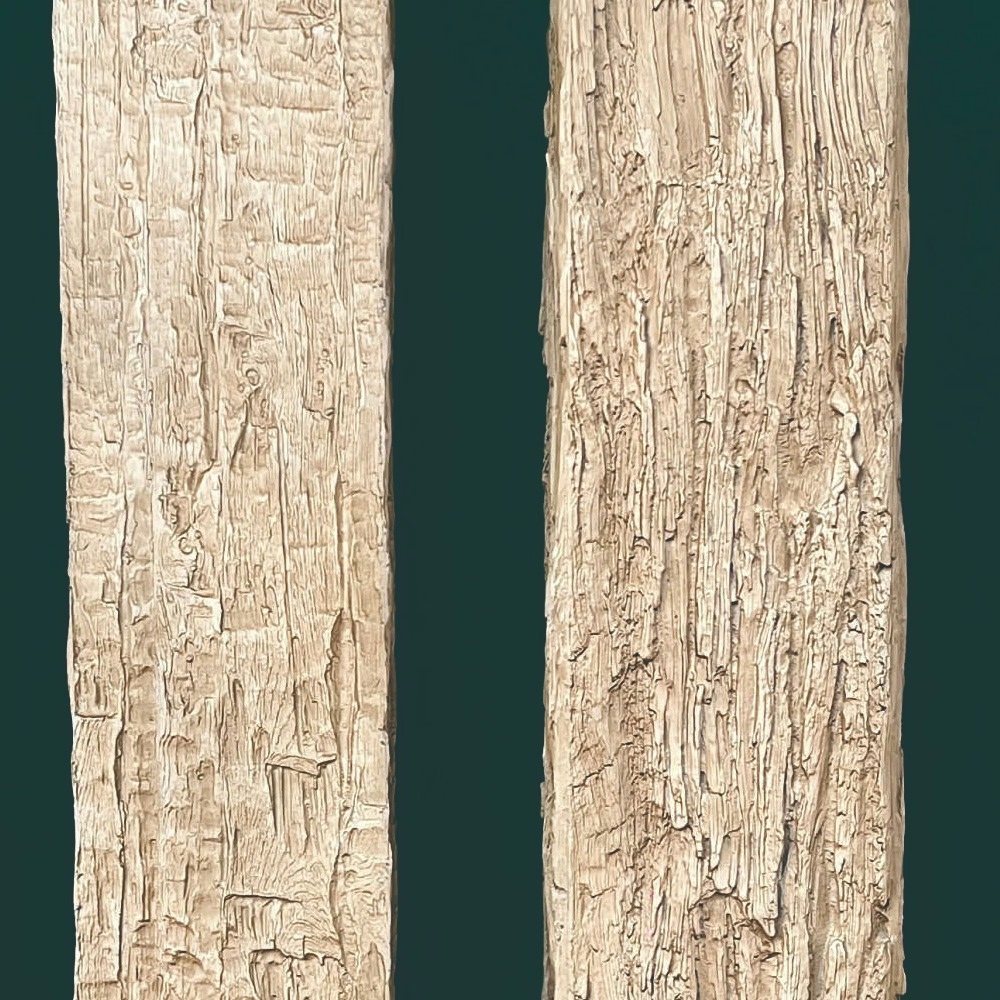
The texture of rustic beam surfaces enhances acoustic absorption beyond smooth wood. Hand-hewn finishes, visible grain, and irregular surfaces all contribute to sound-dampening that benefits conversation comfort. These textural details serve aesthetic and practical purposes simultaneously.
Consider complementing beam installations with additional acoustic treatments that remain visually subtle. Fabric panels, upholstered walls, and strategic curtain placements add absorption without compromising the rustic aesthetic beams establish.

Lighting Integration for Ambiance
Restaurant lighting requires careful calibration—sufficient for menu reading and food appreciation, reduced enough for intimate atmosphere and flattering guest presentation. Beam installations affect lighting design in important ways.
Pendant fixtures between beams create natural focal points above dining tables. The combination of warm light and warm wood overhead establishes atmosphere immediately. Fixture selection should complement beam finishes—bronze and brass hardware coordinate naturally with rustic wood tones.
Accent lighting that grazes beam surfaces creates dramatic shadows and highlights. This technique emphasizes beam texture and three-dimensional quality, making architectural features stars of the visual composition. Consider uplighting that illuminates beams from below, creating drama that transforms ordinary ceilings into designed elements.
Table candles provide the final lighting layer in private dining spaces. Their warm, flickering light complements wooden beams perfectly, reinforcing the cozy atmosphere that beam installations establish. Candlelight flatters guests while adding the intimate quality that private dining should provide.
Menu and Decor Coordination
Successful restaurant design coordinates all elements into coherent experiences. Beams provide foundational warmth that other elements should reinforce rather than contradict.
Menu cuisine should relate to interior atmosphere. Rustic beams suggest farm-to-table, traditional, or heritage cooking—cuisines that benefit from the authenticity wooden ceilings imply. Contemporary or minimalist cuisines might clash with rustic beam installations, creating visual and conceptual dissonance.
Table settings and linens complement beam warmth through appropriate color and material choices. Warm neutrals, natural fibers, and simple elegance reinforce rather than compete with rustic ceiling treatment. Avoid formal china or stark white linens that would feel mismatched with wooden ceiling warmth.
Server attire contributes to overall atmosphere. Rustic beam environments suit servers in casual-elegant dress—perhaps dark pants with colored shirts, or seasonally appropriate alternatives. Formal white-jacketed service might feel inappropriately stiff for rustic beam spaces.
Practical Restaurant Considerations
Commercial environments face demands that residential settings don't encounter. Faux beam selection should account for these practical realities.
Cleaning requirements in restaurants exceed residential standards. Food service creates grease, humidity, and occasional spills that demand materials capable of withstanding commercial cleaning products. Faux beams' smooth, non-porous surfaces clean easily without damage, maintaining appearance despite demanding conditions.
Fire safety regulations affect commercial ceiling materials. Verify that any beam product meets relevant fire codes for your jurisdiction. Many faux beams offer fire-retardant formulations that satisfy commercial requirements while maintaining authentic appearance.
Durability under commercial conditions ensures beams remain beautiful despite constant use. Faux beams resist the impacts, scratches, and general wear that commercial environments produce. They maintain their original appearance far longer than real wood under equivalent conditions.
Guest Experience and Return Visits
The ultimate measure of restaurant design success is guest experience. Beams contribute to this experience in ways that affect satisfaction, reviews, and return visits.
Photogenic environments encourage social sharing that provides free marketing. Rustic wooden beams create memorable backgrounds that guests photograph and share, increasing restaurant visibility. Each shared image represents potential future guests discovering your establishment.
Memorable experiences drive return visits and recommendations. Guests who dine in distinctive private rooms remember the experience and share it with friends and colleagues. This word-of-mouth marketing often proves more valuable than any advertising.
The warmth and comfort beams provide encourages extended dining. Guests who linger enjoy more courses, more drinks, more desserts—increasing per-table revenue while experiencing greater satisfaction. This combination of improved experience and improved economics represents design ROI that justifies beam investment.
By installing warm rustic faux beams in private dining rooms, restaurants create spaces that serve both practical and atmospheric purposes. These investments enhance guest experiences while supporting business objectives, demonstrating how thoughtful design serves commerce as well as aesthetics.
Elevate your restaurant's private dining spaces with warm rustic faux beams. Contact us to explore beam options designed for commercial hospitality applications.
Technical References
ASTM standards cited in every specification
Test Data
Lab results from internal testing program
Updated 2026
Reviewed against current product specs