Bakeries occupy a unique position in the retail food landscape. Unlike fast-casual restaurants optimizing for throughput or fine dining establishments emphasizing presentation, bakeries appeal to comfort, tradition, and sensory pleasure. The spaces themselves should embody these values—warm, inviting environments where customers slow down, linger, and savor. Modern bakery design must balance contemporary aesthetics with the traditional comfort that baked goods inherently promise. Rustic faux timber beams provide effective tools for achieving this balance.
The Sensory Experience of Bakeries
Bakery design should engage multiple senses simultaneously, creating holistic experiences that customers remember and seek重复 (repeat). Visual appeal, while important, represents only one dimension of these experiences.
Aromas define bakery identity more powerfully than any visual element. The scent of fresh bread, baking pastries, and coffee creates immediate emotional responses that draw customers into spaces. Design elements should complement rather than conflict with these aromatic experiences. Wooden beams, with their natural warmth, harmonize with bakery aromas in ways that cool materials like steel or glass cannot match.
Tactile experience extends beyond displayed products to encompass the entire environment. The roughness of reclaimed wood, the smoothness of pastry cases, the texture of burlap bags—all contribute to sensory engagement that distinguishes memorable bakeries. Faux timber beams add textural variety that enriches these tactile landscapes.
Sound, often overlooked in bakery design, significantly affects customer experience. The sounds of baking, grinding coffee, and quiet conversation create ambient atmosphere. Wooden beams help absorb excessive noise while contributing to overall acoustic comfort.
Modern Rustic: Balancing Contemporary and Traditional
Contemporary bakery design frequently employs the modern rustic aesthetic—combining clean contemporary lines with traditional warmth and organic materials. This balance attracts customers seeking both hip aesthetics and comfortable experiences.
Modern elements in bakery design include clean countertops, minimalist signage, contemporary furniture, and industrial lighting. These elements signal professionalism, quality, and attention to current trends. Without warm counterbalance, however, modern elements can feel cold, sterile, or unwelcoming.
Rustic timber beams provide precisely this counterbalance. Their warm brown tones, organic textures, and traditional character offset modern coolness, creating spaces that feel both current and timeless. The combination appeals to customers who appreciate contemporary aesthetics but crave the comfort that traditional materials provide.
The key to successful modern rustic design lies in proportion and restraint. Too much rustic detail overwhelms contemporary elements; too little leaves spaces feeling incomplete. Strategic beam placement—perhaps above seating areas without extending throughout entire spaces—creates focal points that establish rustic warmth without dominating modern design.
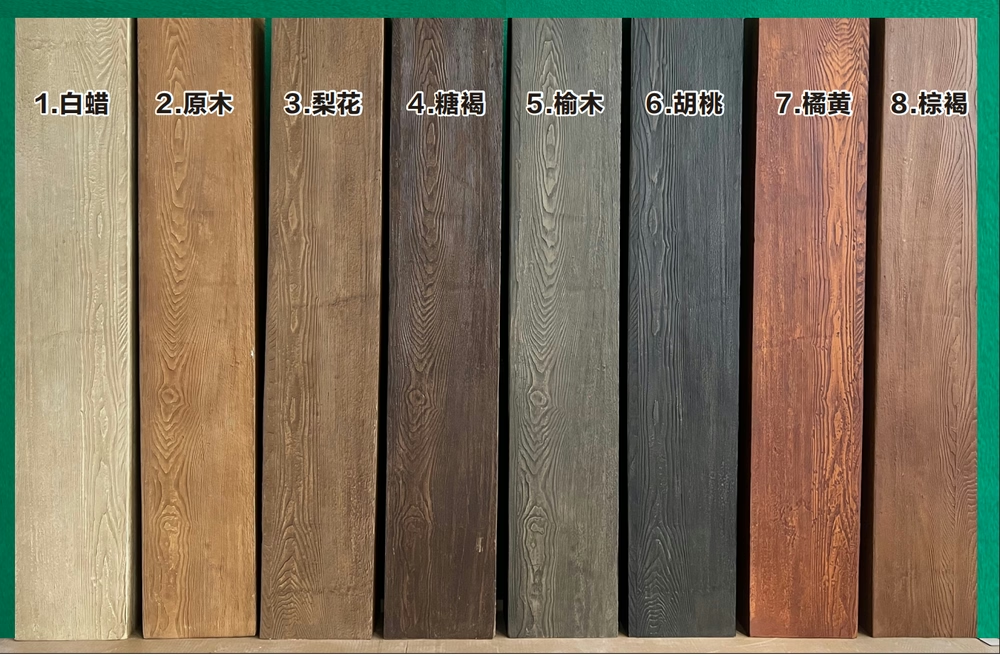
Seating Area Beam Treatment
Customer seating areas benefit most directly from beam installations, where the warmth and character they provide enhance lingering and return visits.
Café seating beneath timber beams creates natural gathering zones. Position beams above clusters of tables, establishing them as distinct areas within larger bakery spaces. This zonation helps organize seating while providing the atmospheric warmth that encourages customers to stay rather than grab and go.
Counter seating adjacent to windows or display cases might skip beam treatment, maintaining cleaner sightlines to products and street scenes. The contrast between beamed and unbeamed areas makes the beams more impactful where they appear.
Communal tables beneath generous beam coverage create social dining experiences that many bakery customers prefer. The rustic beams overhead reinforce the communal ethos, making shared seating feel intentional rather than merely practical.
Consider beam placement relative to natural light. Beams that catch window light create dramatic shadows and highlights that change throughout the day. This dynamism adds visual interest that static environments lack.

Display and Service Area Considerations
While seating areas benefit most from beams, display and service areas also deserve attention in comprehensive bakery design.
Service counters with beam backgrounds create memorable customer interactions. The warm wood framing the transaction point adds character to every purchase, transforming routine exchanges into experiences. Even brief encounters occur within designed environments rather than generic spaces.
Kitchen visibility, where customers can observe baking, connects them to the craft behind their purchases. Beams in view of kitchen areas ensure this connection includes warm rustic atmosphere rather than merely industrial functionality. The visual continuity from customer space to baking space reinforces the artisanal identity many bakeries seek.
Order pickup zones deserve atmospheric attention as well. Customers waiting for orders or gathering supplies benefit from the comfort beams provide. Even standing becomes more pleasant in spaces with warm architectural detail overhead.
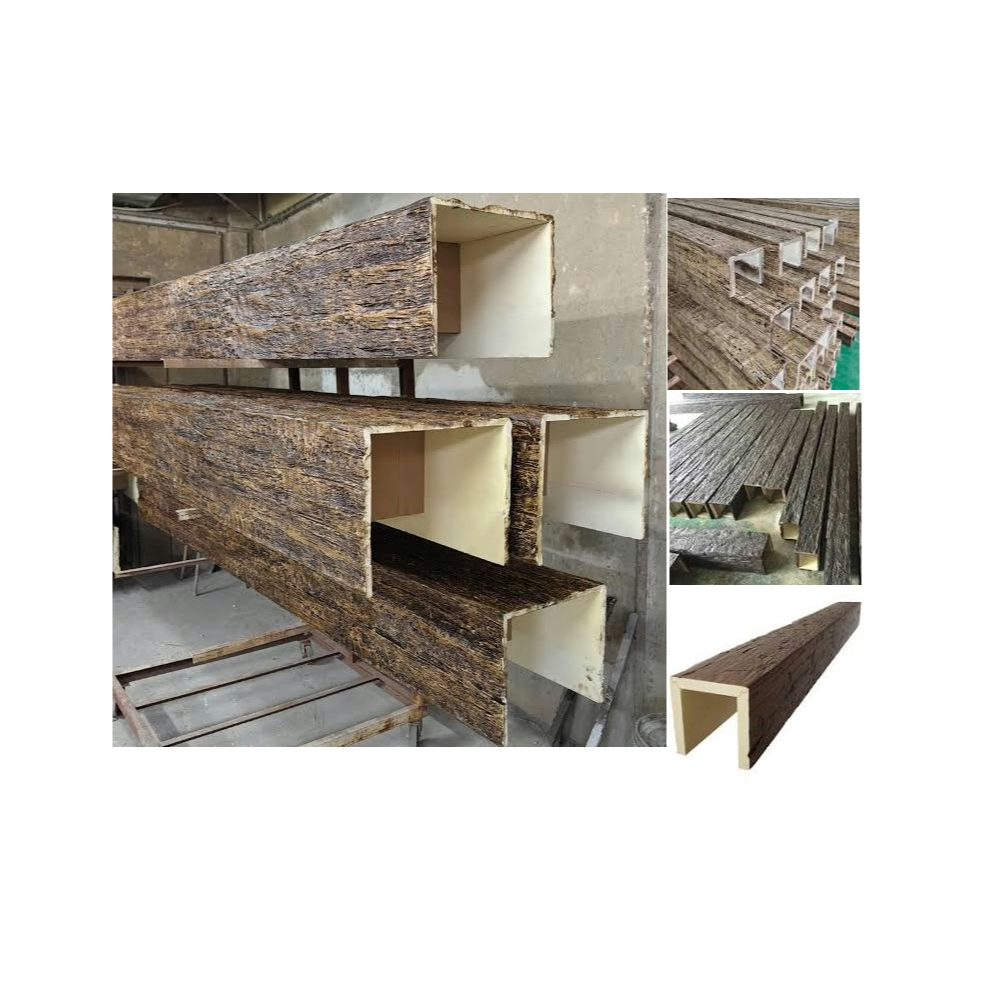
Lighting Design for Bakeries
Bakery lighting must serve multiple purposes—product visibility for impulse purchases, ambient comfort for lingering customers, and dramatic presentation for signature items. Beam installations affect lighting design significantly.
Pendant fixtures between beams provide focused illumination for table service areas. The warm metal finishes of fixture hardware—bronze, brass, copper—complement beam wood tones while providing necessary light for menu reading and food appreciation.
Display case lighting requires careful calibration to show products at their best. The slightly yellowish quality of incandescent or warm LED lighting flatters baked goods more effectively than cool daylight equivalents. Beam warmth reinforces this flattering quality throughout customer spaces.
Accent lighting on beams themselves creates dramatic emphasis that draws attention to architectural features. Uplighting illuminates beam undersides, highlighting texture and grain; downlighting from beams casts warm pools of light on tables below.
Color Coordination in Bakery Spaces
Successful bakery color schemes coordinate beams with all other visual elements, creating coherent environments that feel designed rather than assembled.
Bakery color palettes often feature warm neutrals—cream, tan, soft brown—that complement timber beams naturally. These backgrounds allow bread and pastry colors to pop while maintaining overall warmth. Cool grays or stark whites can work with beams but require more careful coordination.
Accent colors in bakeries typically derive from the products themselves—golden crusts, rich chocolates, berry glazes. These food-derived colors appear in wall art, table settings, and decorative elements, creating continuity between products and environment.
Signage and branding should integrate with beam warmth rather than contrasting against it. Hand-painted signs, chalkboards, and natural material menus complement timber beams more effectively than plastic-mounted or metal signage.
Furniture selection continues this coordination. Wooden tables and chairs reinforce beam warmth; upholstered seating in warm fabrics adds comfort. Avoid furniture that feels overly formal or uncomfortable—bakery seating should encourage lingering.

Practical Bakery Considerations
Commercial bakery environments face demands that affect material selection and design decisions.
Food safety regulations influence what materials can appear where. Verify that faux beams meet relevant commercial codes for food service environments. The smooth, non-porous surfaces of quality faux beams typically satisfy hygiene requirements while maintaining authentic appearance.
Cleaning requirements in bakeries involve flour, sugar, grease, and frequent sanitation. Faux beams resist these contaminants better than real wood, which can absorb liquids and harbor pests. Regular dusting and occasional cleaning maintain beam appearance without intensive maintenance.
Humidity from ovens, proofing, and refrigeration affects building materials throughout bakeries. Faux beams handle humidity fluctuations without warping, cracking, or developing the mold that can affect natural wood. This durability ensures lasting beauty despite challenging conditions.
Durability under commercial traffic ensures beams maintain appearance despite constant use. Quality faux beams resist impacts, scratches, and general wear that would damage real timber. This practical advantage reduces long-term maintenance costs.
Creating Repeat Customer Experiences
The ultimate measure of bakery design success is customer loyalty—repeat visits that build sustainable business. Beams contribute to this loyalty through memorable experiences.
Photogenic environments encourage social sharing that attracts new customers. Rustic timber beams create distinctive backgrounds that customers photograph and share, providing organic marketing that reaches potential visitors.
Comfortable spaces encourage longer visits and higher spending. Customers who linger enjoy additional beverages, pastries, and meals that increase per-visit revenue. The warmth beams provide makes lingering pleasant rather than awkward.
Distinctive environments create emotional connections that transcend product transactions. Customers remember the experience of visiting your bakery, returning for both the atmosphere and the products. This emotional loyalty proves more valuable than mere repeat purchases.
By installing warm rustic faux timber beams, bakeries create spaces that honor the traditional comfort baked goods promise while maintaining contemporary relevance. These investments enhance customer experiences in ways that build lasting business success.
Bring rustic warmth to your bakery with our collection of faux timber beams designed for commercial applications. Contact us to discover how ceiling beams can transform your customer spaces.
Technical References
ASTM standards cited in every specification
Test Data
Lab results from internal testing program
Updated 2026
Reviewed against current product specs


