The partnership between rustic timber and cream-colored walls represents one of interior design's most enduring combinations—a pairing that has defined farmhouse, cottage, and country aesthetics across centuries and continents. The appeal lies in fundamental contrast: warm, textural, organic wood against cool, smooth, pale walls. Neither element dominates; instead, each enhances perception of the other, creating balanced compositions that feel simultaneously grounded and airy. For homeowners and designers working with cream wall palettes, faux timber beams offer accessible pathway to this sophisticated relationship without the sourcing complexity and maintenance demands that authentic timber introduces.
Understanding why this color combination succeeds requires examining how our visual systems process different surface characteristics. Cream walls reflect light softly, creating luminous backdrops that make rooms feel larger and brighter without the starkness that pure white introduces. Timber beams provide visual weight that prevents these light walls from floating into abstraction, anchoring compositions with their substantial mass and warm tones. The brown and amber colors of wood create complementary contrast against cream's subtle yellow undertones, establishing color relationships that feel naturally harmonious rather than deliberately coordinated.

The Psychology of Warm and Cool Contrast
Color temperature influences how spaces feel beyond mere appearance, affecting psychological states and physiological responses in ways that interior designers have long exploited. Warm colors advance visually while cool colors recede, creating spatial perception effects that can make modest rooms feel more generous or expansive rooms feel more intimate. The combination of warm-toned timber and cool-toned cream creates dynamic tension that prevents either color from overwhelming perception while establishing visual hierarchy between architectural elements.
Cream walls provide neutral foundation that allows timber beams to serve as primary visual focus. The pale surfaces reflect illumination throughout rooms, reducing shadows and creating even lighting that flatters both inhabitants and surrounding furnishings. Against this bright backdrop, the warm browns and amber tones of timber beams create natural focal points that draw attention upward while introducing the visual weight that empty ceiling planes lack. This hierarchy—walls providing backdrop, beams providing focus—creates readable spatial organization that helps inhabitants understand and navigate their environments.
The organic character of wood grain provides textural contrast against cream's smooth surfaces that smooth surfaces alone cannot achieve. Our visual systems are wired to perceive texture as indicating material substance and historical authenticity, rewarding grain patterns and weathering effects with attention that flat colors cannot capture. This textural reward explains why timber beams create such satisfying visual experience—they engage our perceptual systems more fully than the smooth surfaces that modern construction typically provides.
Selecting Beam Tones for Cream Wall Coordination
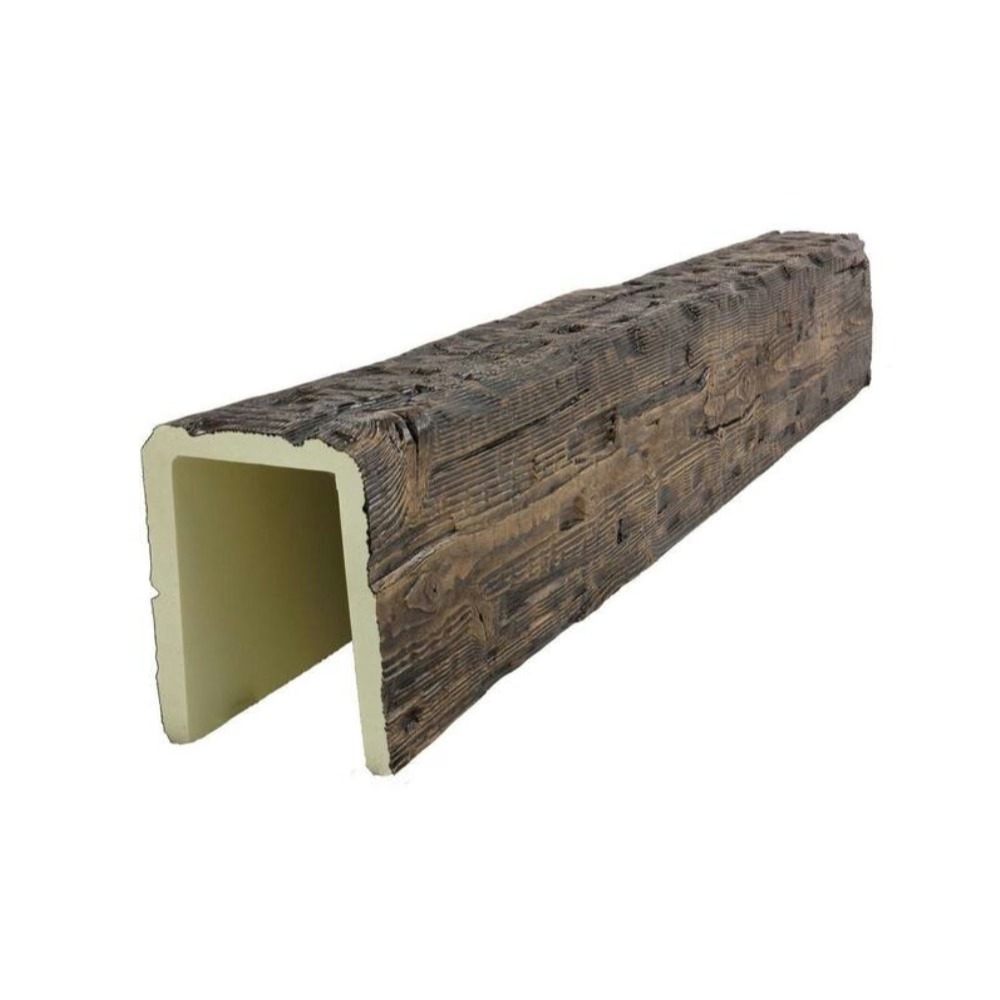
Beam color selection significantly influences the harmony achieved between timber and cream walls, with options ranging from pale honey through rich mahogany and deep espresso. The specific tone should relate to the specific cream shade employed, with warmer creams accommodating richer beam colors and cooler creams requiring more restrained wood tones. Testing potential combinations in actual lighting conditions ensures satisfying results, as color perception varies dramatically with illumination source and angle.
The undertones within cream paint significantly affect beam color selection. Some creams lean toward yellow, creating warmer overall effect that pairs naturally with amber and honey wood tones. Others contain subtle gray or green undertones, creating cooler appearance that benefits from wood tones with similar restraint. Pure cream without strong undertones offers maximum flexibility, accepting virtually any wood tone while providing the neutral backdrop that timber character requires.
Sample comparison proves essential for achieving satisfying color relationships. Paint large swatches of cream on walls and observe them throughout the day as lighting conditions change. Place beam samples against these swatches, noting how colors interact at different times and under different light sources. The goal is finding beam tones that create pleasing contrast without harshness, establishing relationship that feels inevitable rather than arbitrary.
Design Applications Across Room Types
Living rooms with cream walls benefit from beam installations that establish gathering zones and add visual mass to spaces often dominated by windows and electronics. The warm tones of timber provide welcome counterpoint to the cool screens and sleek surfaces that contemporary living requires, creating balance between technological and organic elements. Beams spanning above seating arrangements frame conversation zones while the timber's warmth encourages extended occupation.
Kitchen applications require particular attention to the coordination between beams and the multiple materials that cooking spaces incorporate. Stainless appliances, stone countertops, and porcelain fixtures all share visual field with ceiling beams, requiring color selection that harmonizes with this material variety. The warm tones of timber provide visual relief from these cool surfaces, creating the balanced composition that successful kitchen design requires. Cream walls amplify this effect, with their subtle warmth pulling everything together into unified aesthetic.
Bedroom installations on cream walls create restful atmospheres where the warmth of timber counterbalances the coolness that sleeping quarters often develop. The protective canopy effect that overhead beams create gains additional coziness from warm wood tones against pale walls, establishing enclosure that promotes restorative sleep. The combination proves particularly effective in master suites where homeowners seek refuge from the complexity of daily life.
Maintaining the Balance Over Time
Polyurethane faux beams maintain their color and appearance far more reliably than authentic timber, which continues aging after installation with potential for unwanted color shift. This stability proves valuable on cream walls where any change in beam color becomes immediately apparent against the pale backdrop. Homeowners can trust that the relationship established at installation will persist indefinitely, without the gradual darkening or gray development that authentic wood undergoes.
Cleaning and maintenance requirements for polyurethane beams are minimal compared to authentic timber, which may require periodic sealing, conditioning, or refinishing to maintain appearance. The non-porous surface of quality polyurethane prevents staining and allows practical cleanup using standard household cleaners. This low-maintenance characteristic proves particularly valuable in kitchens and other areas where grease, moisture, or frequent handling might compromise authentic wood surfaces.
The enduring appeal of cream and timber combinations ensures that installations will remain stylish regardless of how design trends evolve. This combination predates current farmhouse and rustic movements, having characterized traditional architecture across multiple centuries and cultures. Homeowners investing in beam installations can trust that their choices will remain appropriate long after trends that inspired them have passed, protecting the value of their design investments.
The partnership between rustic faux timber beams and cream-colored walls offers proven pathway to warm, balanced interiors that reward extended habitation. The combination's success stems from fundamental color relationships and textural contrasts that our visual systems process as naturally harmonious, creating spaces that feel right rather than merely fashionable. For homeowners seeking this timeless aesthetic, polyurethane faux beams provide accessible, practical, and lasting solution.
Technical References
ASTM standards cited in every specification
Test Data
Lab results from internal testing program
Updated 2026
Reviewed against current product specs


