The mountain chalet embodies a particular vision of escape—private refuge from the complications of contemporary life, where dramatic natural settings provide backdrop for simpler pleasures and genuine restoration. These structures succeed when their interiors create genuine coziness, the kind that makes外面的世界 seem appropriately distant and the present moment feel complete. Achieving this atmosphere requires more than mere material accumulation; it demands attention to the specific qualities that make spaces feel welcoming versus merely adequate. Faux timber beams contribute essentially to cozy chalet character, providing overhead warmth and textural presence that anchors rooms while connecting inhabitants to the timber heritage that alpine architecture has employed for centuries.
Coziness in mountain settings draws on specific associations that the built environment must activate. We associate timber-framed spaces with warmth, shelter, and the protection that forests provide against weather and wild. These psychological connections developed through millennia of human experience in wooded environments, creating visual vocabularies that our perceptual systems recognize as safe and welcoming. Contemporary construction can activate these associations deliberately, using timber elements strategically to create the atmosphere that mountain living promises.

Foundations of Cozy Mountain Atmosphere
The perception of coziness emerges from multiple environmental factors that reinforce each other, creating experience that exceeds what any single element could achieve. Appropriate scale makes spaces feel enclosed rather than cavernous, with ceiling heights and room dimensions that acknowledge human presence rather than overwhelming it. Warm materials—wood, leather, wool—provide tactile comfort that smooth modern surfaces cannot match. Layered textures create visual richness that draws exploration while providing the sensory variety that sustained attention requires. Faux beams contribute to each of these dimensions, establishing foundational character that other elements amplify.
Ceiling height significantly influences the coziness that chalet interiors achieve. Very high ceilings create grandeur appropriate for public spaces but undermine the intimate scale that genuine coziness requires. Beam installations can address ceiling height concerns by introducing visual mass that reduces perceived emptiness. Even in spaces with modest ceiling heights, appropriately scaled beams create the overhead presence that mountain aesthetics demand without creating the oppressiveness that oversized elements in small rooms would produce.
The warm color temperature of wood tones contributes to cozy perception through both visual and psychological mechanisms. The amber and honey tones common in timber beams create atmosphere that cool colors cannot match, establishing warmth that extends beyond literal temperature to encompass the psychological comfort that certain hues promote. This warm foundation provides backdrop against which other design elements—soft textiles, ambient lighting, comfortable furniture—build additional layers of coziness.
Timber Beam Styling for Mountain Interiors
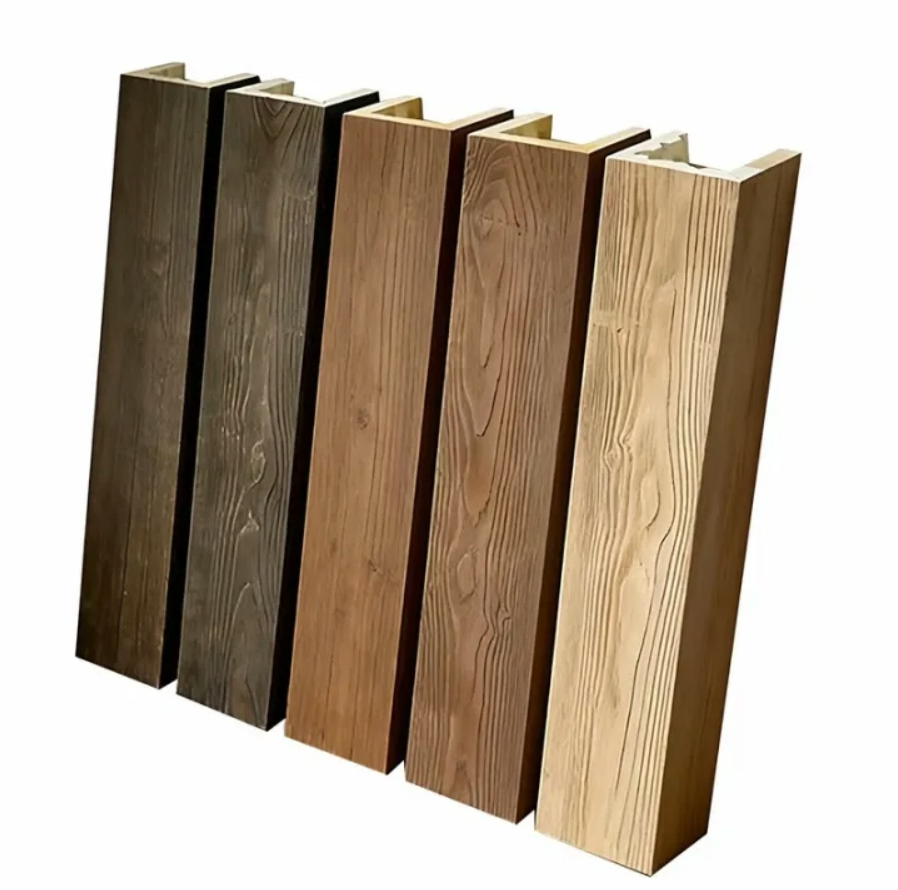
Beam texture selection for cozy chalet applications should emphasize the hand-crafted character that distinguishes authentic timber from machine-produced alternatives. Weathered surfaces that suggest years of service create more convincing rustic character than pristine treatments, communicating the accumulated history that mountain retreats should embody. Knot patterns, grain variations, and surface irregularities all contribute to the authentic appearance that close examination rewards.
Finish treatment significantly influences the mood that beam installations create. Darker stains create formal gravitas appropriate for gathering spaces where extended conversation occurs, while lighter finishes contribute more casual atmosphere suitable for family areas. The specific tone should respond to overall design language, with heavy timbers in traditional alpine style requiring different treatment than lighter contemporary interpretations.
Beam configuration establishes the spatial organization that chalet interiors follow. Parallel beams spanning across rooms create consistent rhythm that brings visual order to complex spaces. Single prominent beams can anchor specific zones, establishing focal points around which furniture arrangements and activity patterns organize. The specific configuration should respond to room proportions, ceiling heights, and the functional requirements that different spaces impose.
Integration with Mountain Chalet Materials
Chalet interiors typically combine timber beams with other natural materials that reference the mountain environment surrounding these structures. Stone fireplaces, slate flooring, and wool textiles all contribute to material layering that beam installations must harmonize with. The warm tones of timber provide natural complement to cooler stone colors, creating balance that prevents either material from dominating compositions.
Fireplace integration represents natural opportunity for beam styling in chalet interiors. Beam mantles spanning above hearths provide display space while adding substantial visual weight to the gathering point that fireplaces create. Supporting corbels or brackets introduce additional timber character that reinforces the rustic aesthetic while structurally supporting the mantel's visual mass. The fireplace-beam relationship should create unified composition rather than awkward juxtaposition.
Window treatment in chalet spaces typically emphasizes the mountain views that justify these locations, with minimal obstruction that allows natural spectacle to dominate. Beams positioned to frame windows establish architectural context that prevents glazing from appearing as mere openings, creating relationship between structure and view that might otherwise feel disconnected. The interplay between timber warmth and mountain light creates atmosphere that artificial illumination cannot replicate.
Creating Retreat Atmosphere
Genuine retreat atmosphere requires designing spaces that encourage present-moment awareness rather than forward-looking anxiety. The visual character of timber beams contributes to this psychological shift by engaging perceptual systems with organic irregularities that demand attention rather than passive reception. Grain patterns, knot arrangements, and surface textures reward sustained observation in ways that smooth modern surfaces cannot match, drawing inhabitants into the immediate environment rather than toward distant concerns.
Lighting design should amplify the cozy atmosphere that timber beams contribute. Warm color temperatures—2700K and below for artificial sources—enhance the amber tones of wood while creating the intimate illumination that encourages gathering and conversation. Layered sources at different heights create ambient, task, and accent lighting that serves functional requirements while maintaining atmospheric consistency.
The furniture and accessories that populate cozy chalet interiors should reinforce the material authenticity that beams establish. Leather, wool, and natural textiles complement timber character while adding comfort that stone and metal alone cannot provide. The accumulated layering of these elements creates the sense of gathered-over-time that distinguishes genuinely cozy spaces from merely adequate ones.
Cozy mountain chalet styling emerges from accumulated attention to atmospheric details rather than dramatic gesture. Faux timber beams provide foundational warmth and texture that support additional layers of comfort, establishing character that other elements amplify. The practical performance of polyurethane construction ensures that this atmosphere persists without the maintenance demands that authentic timber would impose, allowing homeowners to enjoy their retreats fully rather than maintaining them laboriously.
Technical References
ASTM standards cited in every specification
Test Data
Lab results from internal testing program
Updated 2026
Reviewed against current product specs


