Mediterranean architecture speaks through millennia of accumulated wisdom about responding to climate, honoring craft traditions, and creating spaces that serve human life rather than merely impressing observers. The great villas of Italy, Spain, and Greece developed through centuries of refinement, with each generation adding lessons learned from predecessors while adapting to changing needs and materials. Contemporary interpretations of this heritage face the challenge of capturing essential Mediterranean character without resorting to pastiche or superficial styling. Faux timber beams offer unexpected contribution to this effort, providing the warmth and authenticity that distinguishes genuine Mediterranean spaces from mere Mediterranean-styled imitations.
The role of timber in Mediterranean architecture differs significantly from northern European or alpine traditions. Where northern styles emphasize heavy structural timbers as dominant visual elements, Mediterranean construction employs timber more sparingly—exposed ceiling beams in specific locations rather than comprehensive timber framing. This restrained approach reflects both material availability and climate considerations, with thick stone and stucco providing primary shelter while timber adds character at strategic points. Faux beams must honor this tradition, providing Mediterranean-appropriate contribution rather than importing inappropriate alpine aesthetics.

Understanding Mediterranean Timber Traditions
Mediterranean timber traditions center on the exposed ceiling beam, known by various names across regional variants—canizos in Spain, travi in Italy, and similar terms throughout the region. These beams typically span between stone or stucco walls, supporting lighter structural elements while adding warmth and character to interior spaces. The wood species employed varied by region and availability, with chestnut, pine, and occasionally olive wood providing the characteristic tones that Mediterranean interiors display.
The scale of Mediterranean timber beams typically runs smaller than northern equivalents, reflecting both material constraints and aesthetic preferences. Beams of six to eight inches provide substantial contribution without overwhelming the plaster and stucco surfaces that Mediterranean architecture emphasizes. This restrained scale creates elegance rather than mass, contributing to the refined character that distinguishes Mediterranean from rustic mountain styles.
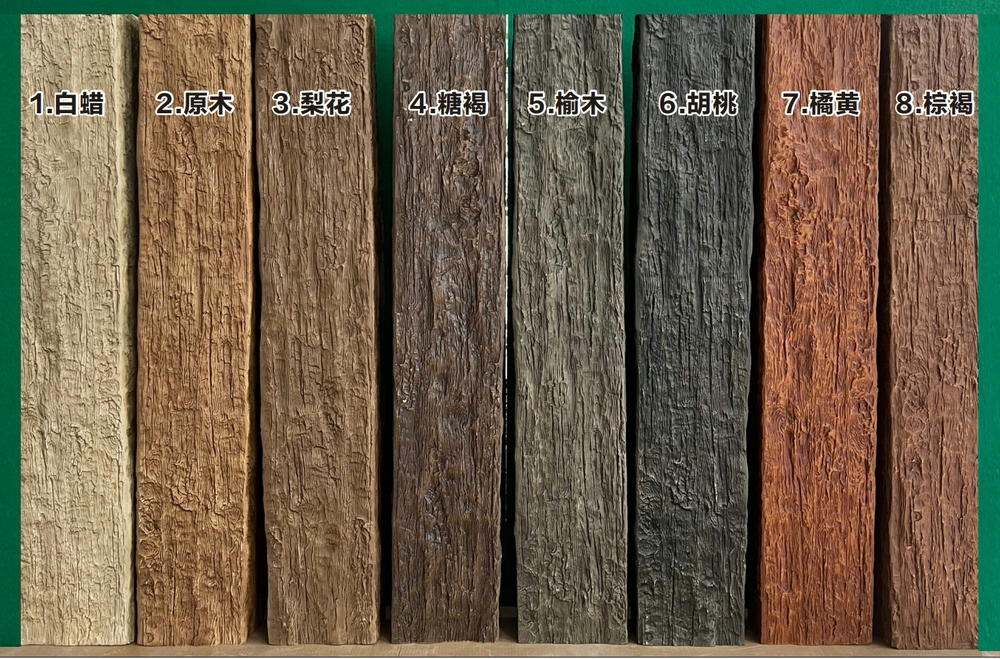
Finishing traditions in Mediterranean timber work emphasize natural appearance over dramatic weathering. Rather than the silver-gray patina of northern barn wood, Mediterranean beams typically display warm honey and amber tones with subtle grain definition. Oil finishes rather than paint or heavy stain preserve the wood's natural character while providing protection against the humidity that coastal climates produce. Faux beams for Mediterranean applications must replicate these refined finishing traditions rather than importing inappropriate rustic treatments.
Exterior Applications in Mediterranean Contexts
Mediterranean villas blur the boundary between interior and exterior living, with covered terraces, loggias, and outdoor rooms extending habitable space into landscape settings. Timber beams contribute to these transitional zones, establishing covered overhead structure while maintaining the connection to interior language that creates unified compositions. The beams must perform reliably in exterior conditions while maintaining the refined appearance that Mediterranean aesthetics demand.
Shade structure applications—pergolas, covered walkways, and outdoor living areas—provide natural settings for faux beam installation. The substantial presence of timber overhead creates enclosure that encourages outdoor occupation despite sun exposure or light precipitation. The warm tones of wood provide visual relief from the brilliant light that Mediterranean climates produce, creating comfortable zones within otherwise exposed settings.
Exterior beam selection must account for UV exposure, humidity fluctuation, and the salt air that coastal locations produce. Quality polyurethane formulations incorporate stabilizers and moisture barriers that address these challenges, maintaining appearance through years of demanding exposure. The closed-cell structure prevents moisture penetration that could support biological growth, while UV inhibitors resist the photodegradation that intense sunlight would otherwise cause.
Interior Mediterranean Styling
Mediterranean interior spaces emphasize plaster walls, tile floors, and the warm natural light that large windows capture. Timber beams provide essential counterpoint to these smooth surfaces, introducing organic texture and warm tones that prevent interiors from feeling sterile. The beams should contribute character without dominating compositions, with scale and placement responding to the refined aesthetic that Mediterranean interiors pursue.
Kitchen and dining applications in Mediterranean villas often feature beam installations above cooking and gathering areas. The warm tones of timber complement the terracotta, copper, and natural materials common in Mediterranean kitchen design, creating visual warmth that enhances the hospitality that these spaces serve. Beams above islands establish gathering zones within open-plan arrangements, creating architectural anchors that organize furniture and activity without introducing physical barriers.
Bedroom applications in Mediterranean styling should emphasize the intimate enclosure that restful sleep requires. Beam installations above beds create protective canopy effects that enhance the sense of shelter, while the warm wood tones contribute to the comfortable atmosphere that Mediterranean bedrooms should provide. The scale should remain modest, with beams proportional to room dimensions rather than overwhelming the human scale that intimate spaces require.
Color and Texture Coordination
Mediterranean color palettes draw from landscape and craft traditions—terracotta reds, azure blues, olive greens, and the warm yellows and creams of aged stucco. Timber beams should coordinate with these tones, providing warm brown and amber contributions that harmonize without competing. The specific tone should relate to the dominant palette employed, with warmer palettes accepting richer beam colors and cooler palettes requiring more restrained wood tones.
Plaster wall coordination requires attention to the undertones that distinguish different Mediterranean stucco treatments. Traditional lime washes produce soft, breathable surfaces with subtle color variation that creates visual interest without obvious pattern. Beam selections should complement these treatments, providing contrast that establishes hierarchy without creating harsh juxtaposition. The relationship between beam wood and plaster wall creates the foundation upon which additional elements—furniture, textiles, accessories—build layered compositions.
Tile floor coordination presents additional considerations for Mediterranean interior styling. Terracotta tiles display characteristic color variation and surface irregularities that contribute to authentic Mediterranean character. Beam tones should complement these tiles while maintaining sufficient contrast to establish clear visual hierarchy. The warm earth tones of typical terracotta coordinate naturally with amber and honey wood tones, creating harmonious relationships that feel inevitable rather than engineered.
Mediterranean villa styling with faux timber beams requires understanding traditions that differ significantly from northern rustic applications. The restrained scale, refined finishing, and strategic placement that Mediterranean authenticity demands position these products for specific applications rather than comprehensive coverage. Homeowners and designers who understand these distinctions can achieve genuine Mediterranean character that honors centuries of accumulated wisdom about creating livable, beautiful spaces.
Technical References
ASTM standards cited in every specification
Test Data
Lab results from internal testing program
Updated 2026
Reviewed against current product specs


