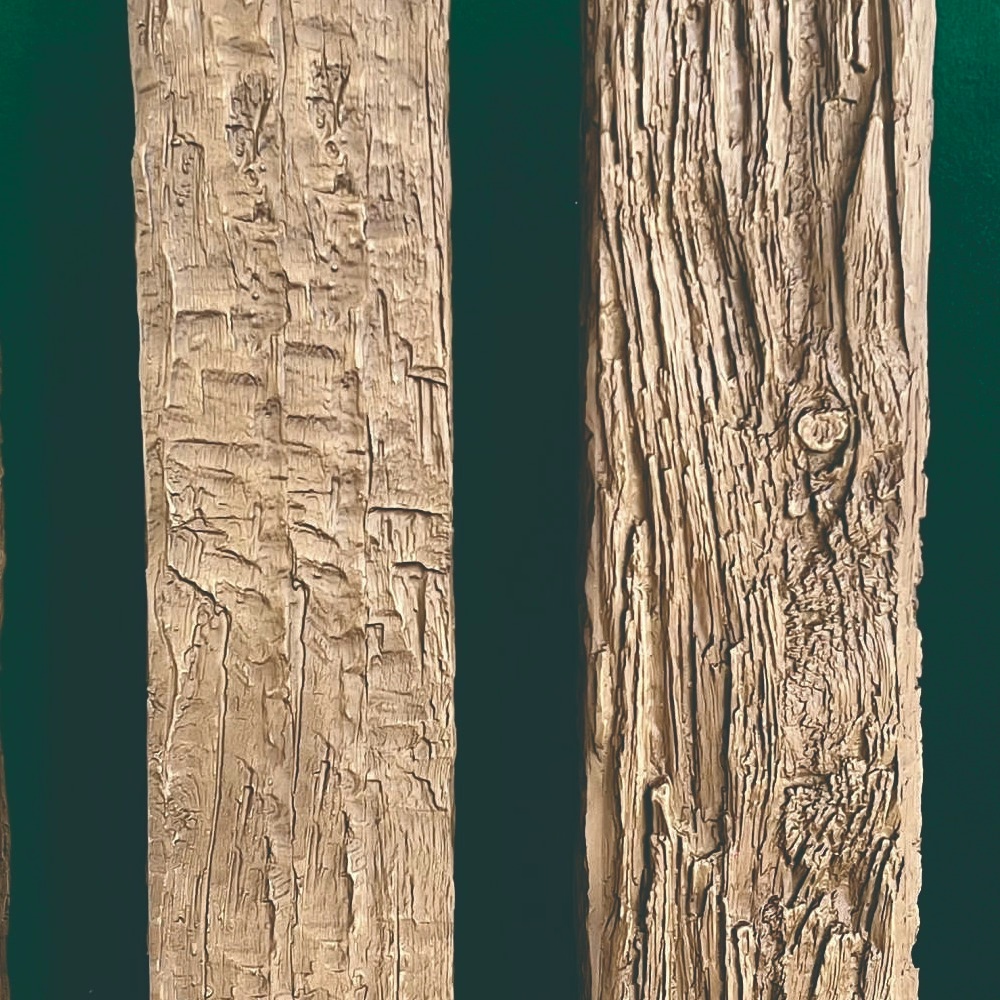
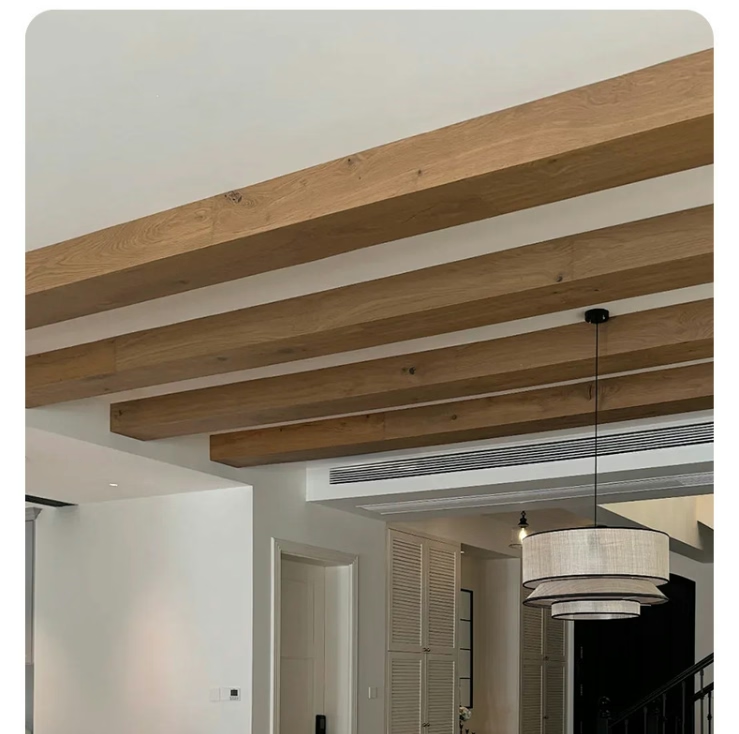
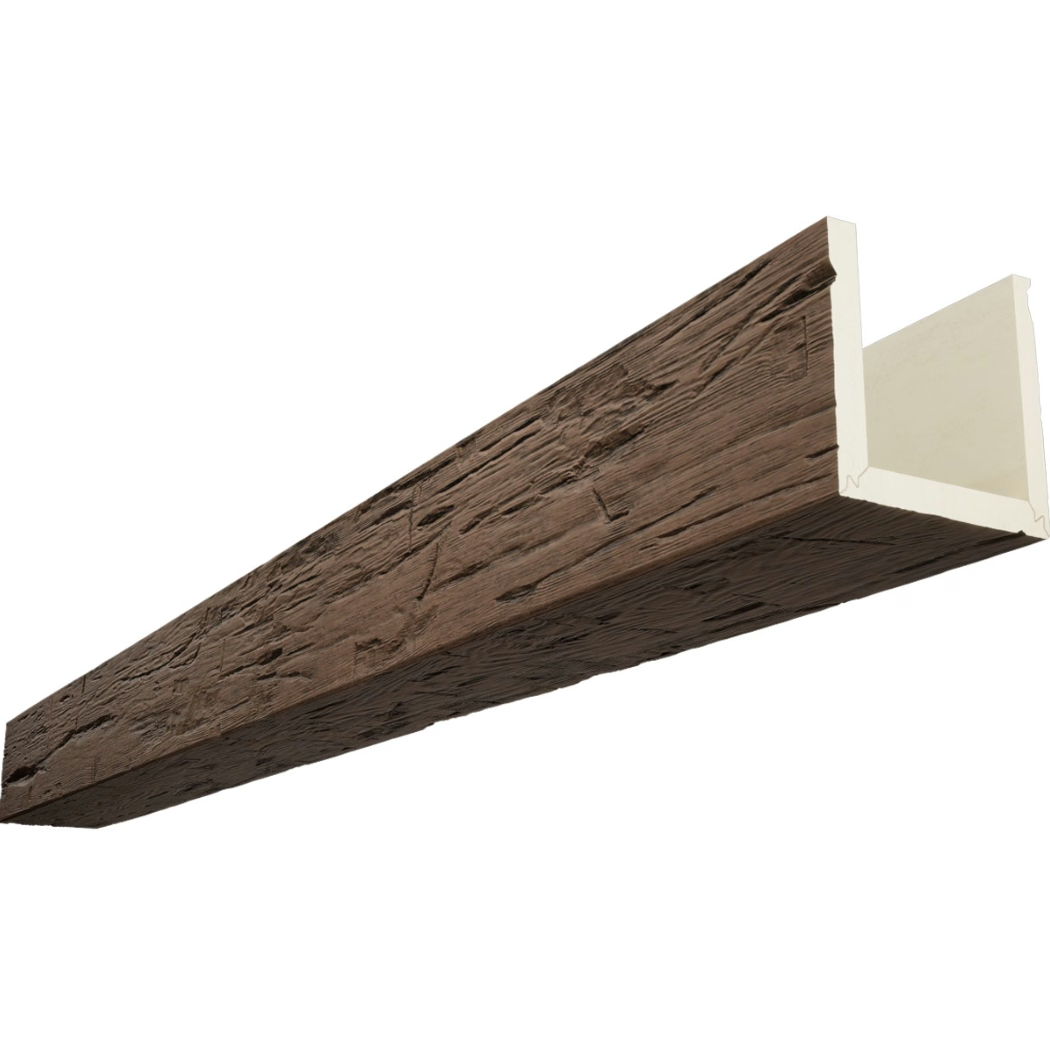
The winery tasting room occupies unique position in hospitality design, serving as both retail environment and experiential destination where visitors connect with wine culture through direct encounter with production spaces and knowledgeable staff. These environments must balance functional requirements—efficient service flow, merchandise display, comfortable seating—with atmospheric goals that communicate regional character, craftsmanship heritage, and the romance that wine carries in popular imagination. Timber ceiling beams contribute essentially to this atmospheric achievement, establishing the rustic warmth that distinguishes wine country hospitality from generic hospitality while providing the visual anchor that organizes complex tasting room layouts.
Winery architecture has developed distinctive regional variations across wine-producing territories, with Napa Valley's spacious modernism differing significantly from Burgundy's intimate historicism or Australia's adaptive reuse vernacular. What unites these diverse approaches is the emphasis on authentic materials and crafted details that communicate the care and attention that quality winemaking demands. The timber beams that span tasting room ceilings serve as visible evidence of this craftsmanship tradition, creating connection between the refined product visitors taste and the agricultural heritage that informs it.

Tasting Room Atmosphere Requirements
Successful tasting rooms create atmosphere that justifies visitor travel and premium pricing, transforming wine consumption into experience that exceeds mere beverage service. The environment must engage multiple senses—visual appeal through architecture and design, tactile comfort through material selection, even olfactory contribution through the natural scents of oak, wine, and cellar environment. Timber beams contribute primarily to visual and tactile dimensions, providing overhead warmth that anchors spaces while creating visual interest that rewards extended observation.
The warmth that tasting rooms require relates directly to wine itself, with timber tones echoing the amber and mahogany colors that wine displays. This color relationship creates subconscious connection between environment and product, enhancing appreciation through atmospheric reinforcement. The organic irregularity of wood grain provides visual interest that complements the complexity that quality wines display, rewarding the sustained attention that tasting involves.
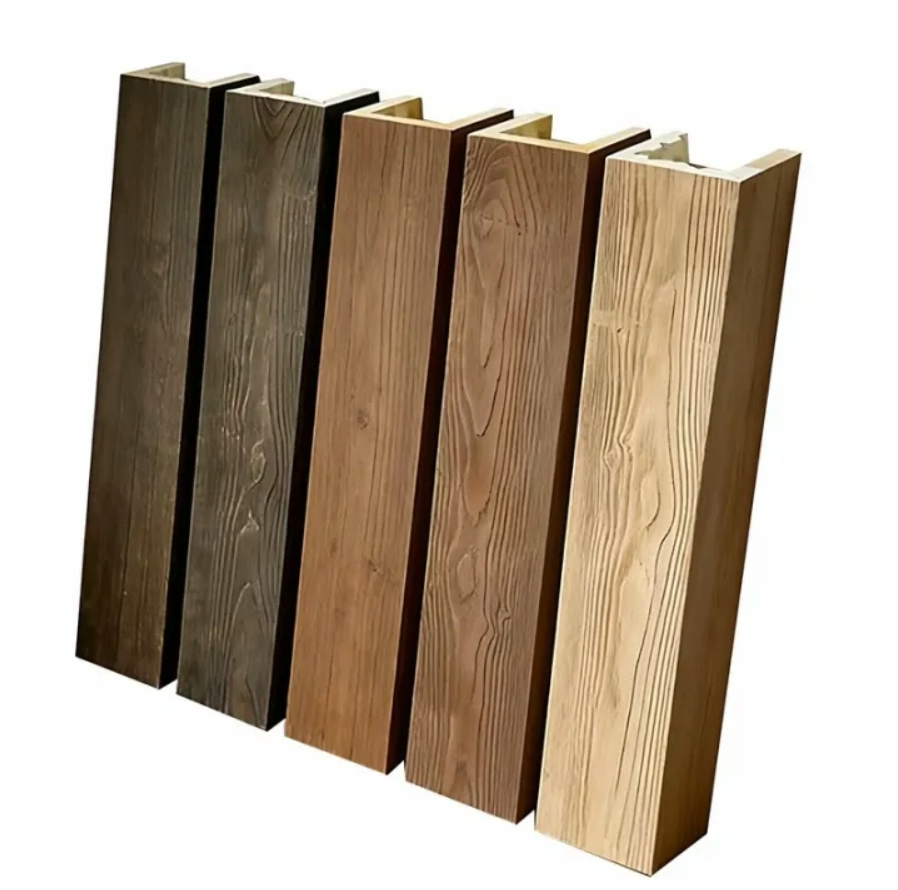
Commercial durability requirements in tasting room applications demand attention to performance characteristics that residential installations might overlook. The substantial foot traffic that popular tasting rooms experience creates wear patterns that inferior materials cannot withstand, while the extended operating hours limit maintenance opportunities. Quality polyurethane faux beams address these commercial realities through construction that resists impact, staining, and the accumulated effects of continuous use.
Design Applications for Commercial Spaces
Tasting room layouts typically require clear circulation paths that guide visitors through tasting experiences without congestion or confusion. Beam installations can support this wayfinding function, with overhead elements establishing zones that visitors understand intuitively. A beam spanning above the main tasting bar creates obvious service core, while parallel beams across seating areas establish distinct gathering zones. This architectural organization proves more reliable than signage or staff direction, communicating function through space rather than explanation.
Bar installations represent natural focal points for beam treatments, where overhead timber creates enclosure that emphasizes the service relationship between staff and visitors. Single prominent beams spanning above bars provide substantial presence without obscuring sightlines that staff and visitors require. Parallel beams across longer bars create rhythm that relates bar scale to surrounding space, establishing appropriate proportion for bars that may extend thirty feet or more.
Private tasting areas within larger tasting rooms benefit from beam configurations that establish distinct identity while maintaining connection to overall space. Beam panels or partial ceiling treatments can define these zones without complete enclosure, creating the semi-private character that intimate experiences require. The beams should coordinate with the broader tasting room design while establishing sufficient distinction to justify premium pricing for private tastings.
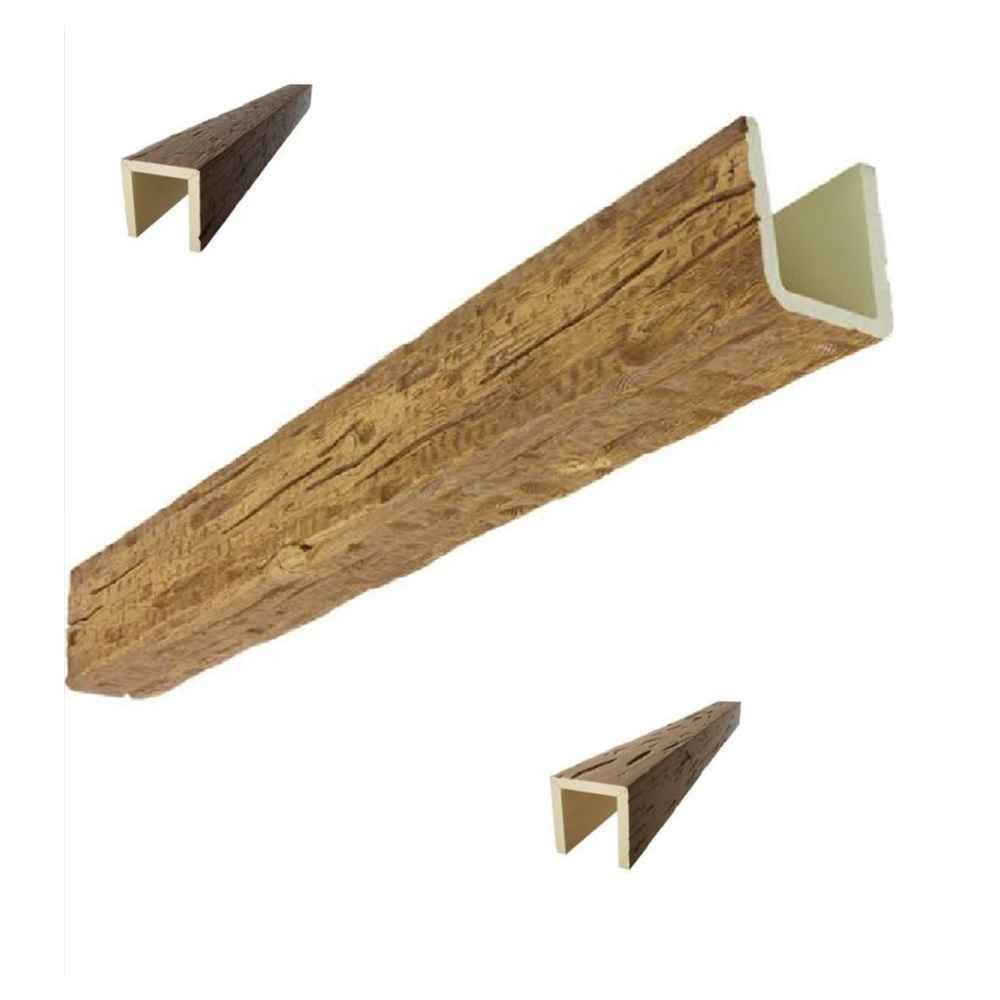
Coordination with Winery Materials and Elements
Wine barrels contribute substantial visual presence to many tasting rooms, with oak vessels stacked in prominent locations or visible through viewing windows into production areas. Beam installations should coordinate with these barrel elements, creating relationship between overhead timber and the oak that wine itself has touched. The warm tones of beam wood complement barrel coloration, establishing unified material language that connects ceiling to floor and front-of-house to production space.
Barrel aging contributes character to wine that parallels the way aging contributes character to timber. Both materials begin as raw commodity and develop complexity through time and exposure—wine through chemical transformation, timber through weathering and oxidation. Faux beams can reference this parallel aging through surface treatments that suggest the accumulated patina that authentic timber develops through years of service. The most convincing treatments create appearance that reads as genuinely aged rather than merely painted to appear old.
The industrial elements common in winery architecture—stainless tanks, concrete floors, metal ductwork—require careful coordination with timber beam installations. The warm organic character of wood provides natural contrast to these cooler industrial materials, creating balanced compositions that honor both craft and production realities. Beam tones should complement rather than compete with industrial elements, establishing relationship that prevents either category from dominating.
Commercial Performance Considerations
Warranty coverage becomes important in commercial applications where unexpected failures create operational disruption and potential liability exposure. Quality polyurethane products typically carry warranties extending five years or more against manufacturing defects and performance failures, providing protection that authentic timber cannot match. This warranty security proves particularly valuable for commercial applications where replacement costs extend beyond materials to include labor, lost revenue, and customer inconvenience.
Cleaning requirements in commercial tasting rooms demand materials that withstand regular maintenance without surface degradation. Polyurethane's non-porous surface allows practical cleanup using standard commercial cleaning products, while the material's resistance to moisture prevents the swelling, staining, or biological growth that authentic wood might experience in the humid conditions that wine production creates. This practical durability ensures that beam installations maintain appearance through years of commercial service.
The consistency of manufactured faux beams simplifies commercial specification and installation, with each unit matching the others precisely. This predictability proves valuable for large installations where multiple beams must coordinate across substantial spaces, ensuring that the appearance achieved at design development persists throughout the completed installation. The commercial buyer can trust that what was specified will actually be delivered, eliminating the variability that authentic materials inevitably introduce.
Winery tasting room design with faux timber beams requires understanding both the atmospheric goals these spaces pursue and the commercial realities they must survive. The combination of authentic rustic character, practical durability, and installation simplicity makes polyurethane faux beams ideal selections for hospitality applications where only lasting performance will suffice. The result supports the exceptional experiences that distinguished wineries provide, honoring wine culture through architectural contribution.
Technical References
ASTM standards cited in every specification
Test Data
Lab results from internal testing program
Updated 2026
Reviewed against current product specs