Kitchen renovations rank among the most significant investments homeowners make in their properties. The kitchen's expanded role as family gathering space, homework hub, and entertainment center demands design attention that serves these diverse needs. While cabinet replacements, countertop upgrades, and appliance updates typically dominate renovation budgets, ceiling treatment offers transformative potential that renovations frequently overlook. Rustic faux wood ceiling beams provide opportunities for dramatic kitchen transformation without the structural demands or maintenance commitments of genuine timber.
Why Kitchens Deserve Ceiling Attention
The kitchen ceiling occupies significant visual space, especially in contemporary homes with open floor plans where kitchen ceilings remain visible from living and dining areas. A plain white ceiling in these views creates negative space that drags down surrounding design, no matter how beautiful the cabinets or countertops below.
Renovation budgets often exhaust before reaching ceiling treatments, leaving kitchens visually incomplete despite substantial investment elsewhere. This sequencing represents a missed opportunity—ceiling beams provide high-impact transformation at modest cost compared to cabinet replacements or structural modifications.
Modern kitchen design increasingly emphasizes ceiling detail as a defining feature. Vaulted ceilings, exposed structure, and architectural interest overhead distinguish thoughtfully designed kitchens from merely functional spaces. Adding beams provides this architectural character where original construction didn't include it.
The Rustic-Modern Design Balance
Contemporary kitchens frequently employ the rustic-modern aesthetic that balances clean contemporary lines with traditional warmth. This approach satisfies desires for both current style and timeless comfort.
Modern elements in today's kitchens include flat-front cabinets, integrated appliances, minimalist hardware, and smart home technology. These features communicate professionalism and efficiency, qualities that contemporary design values. Without warmth counterbalance, however, modern kitchens can feel cold, clinical, or merely functional.
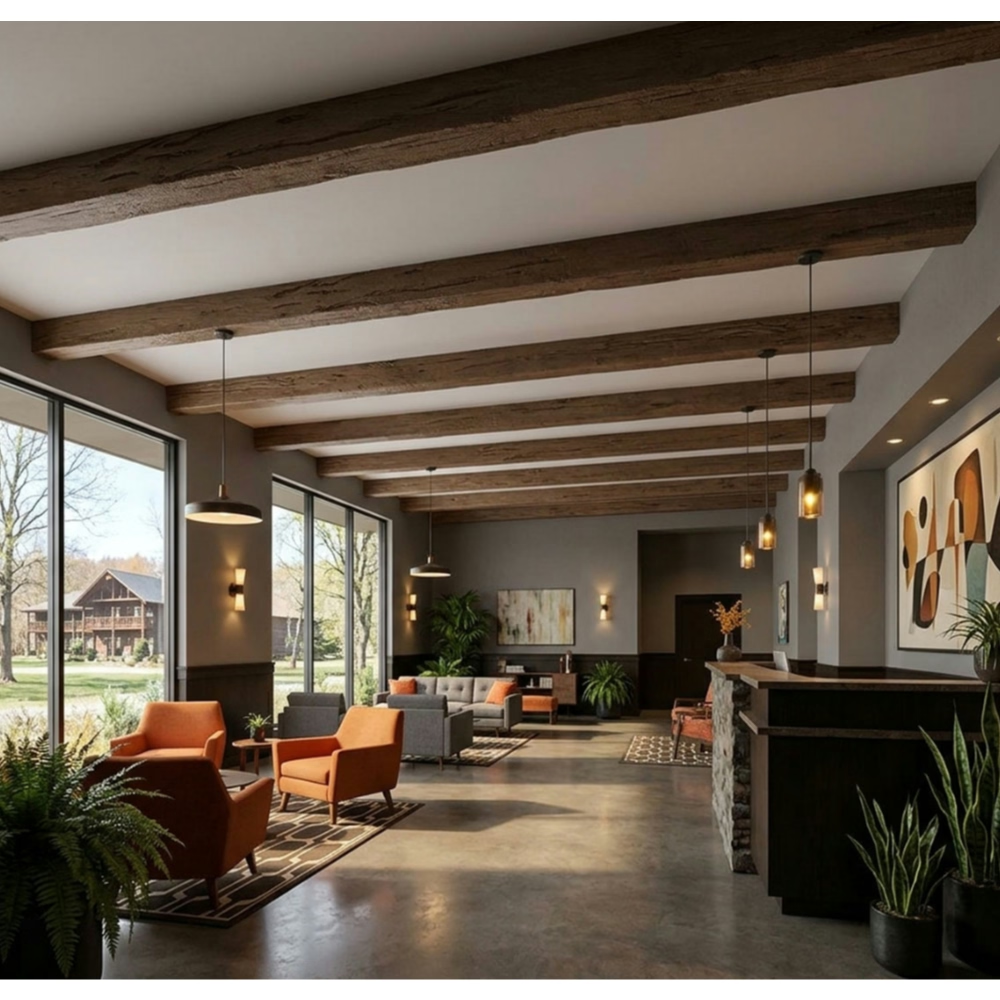
Rustic ceiling beams provide precisely this counterbalance. Their warm wood tones, organic textures, and traditional character ground contemporary spaces, preventing sterile perfection that fails to feel like home. The combination appeals to homeowners who appreciate modern aesthetics but value the comfort that traditional materials provide.
Successful integration requires restraint. Beams should complement rather than compete with modern elements—perhaps spanning only portions of kitchen ceilings, or featuring cleaner profiles that echo contemporary lines. Strategic placement ensures beams enhance the modern design rather than fighting against it.
Kitchen Zone Treatment
Kitchens contain multiple functional zones that benefit from different ceiling treatment approaches. Understanding these zones helps plan beam installations that serve practical needs while creating atmospheric warmth.
The cooking zone, centered around range and oven, demands the least beam treatment due to grease and steam exposure. Direct beam coverage above ranges can create cleaning challenges; keeping beams away from direct cooking areas maintains aesthetic contribution without practical complications.
Kitchen islands have become multifunctional hubs where families gather, meals are prepped, and casual dining occurs. Beam installations above islands create natural focal points that establish these areas as gathering destinations. The beams frame island activities, making them feel intentional and designed rather than merely functional.
Breakfast nooks and dining areas within kitchens benefit from more generous beam treatment. These zones host the lingering meals and family conversations that kitchens increasingly serve. Beams overhead create intimate atmosphere appropriate for these extended, relationship-building activities.
Sink areas, particularly near windows, might incorporate beams that frame views while adding warmth. The combination of natural light, window views, and wooden beams creates appealing spaces for morning coffee or casual conversation.

Coordinating with Kitchen Materials
Successful kitchen beam installation requires thoughtful coordination with existing and planned material selections. The beams should integrate with rather than compete against major kitchen elements.
Cabinet finish provides the primary reference for beam selection. Matching or complementary beam finishes create visual unity; contrasting finishes create tension that may or may not prove comfortable depending on execution. Coordinate carefully before finalizing selections.
Countertop materials influence beam coordination as well. Stone countertops with warm veining complement wooden beams naturally; cool granite may require more careful color matching. The goal is creating harmonious color relationships throughout the kitchen.
Flooring choice affects how beams read in the overall kitchen composition. Hardwood floors echo beam warmth throughout the vertical space; tile or concrete floors may require additional warm elements to prevent overall coolness. Consider how all surfaces interact with planned beam installations.
Appliance styling matters for contemporary kitchens where appliances contribute significantly to visual design. Stainless steel appliances coordinate naturally with most wood tones; integrated appliances disappearing behind cabinet panels allow more beam color flexibility.
Lighting Integration
Kitchen lighting requirements affect beam installation planning in important ways. The beams must integrate with rather than complicate essential lighting functions.
Pendant fixtures above kitchen islands often position between beams, requiring coordination during installation planning. Determine ideal pendant spacing before installing beams; adjust beam positions to accommodate lighting plans rather than forcing lighting into awkward beam arrangements.
Recessed lighting may require repositioning from standard layouts when beams occupy ceiling space. Beams may block ideal recessed fixture locations, requiring adjustment. Some homeowners prefer minimizing recessed lighting in favor of task lighting positioned between beams.
Under-cabinet and inside-cabinet lighting provides task illumination without ceiling involvement. These options work well in kitchen designs where beam installations occupy most overhead space, providing necessary visibility without compromising beam aesthetics.
The color temperature of kitchen lighting significantly affects how beams read throughout the day. Warm white bulbs reinforce beam warmth; cool bulbs may create uncomfortable contrast. Select bulb temperatures that complement planned beam finishes.
Renovation Planning and Execution
Kitchen renovations require careful planning that accounts for all elements, including ceiling beam installation. Integrating beams into renovation timelines ensures successful outcomes.
Coordinate beam ordering with overall renovation schedule. Beams typically arrive before installation, requiring storage space and handling provisions. Factor delivery timing into project planning to avoid delays.
Consider ceiling structure before finalizing beam plans. Standard ceiling joists provide mounting points; suspended ceilings may require alternative approaches. Assess existing conditions early enough to adjust plans if necessary.
Electrical work should coordinate with beam installation. Any ceiling electrical modifications—new fixture locations, added outlets, wiring for pendant lights—should occur before beam installation. Retrofitting electrical after beams are installed complicates both tasks.
Professional installation may be appropriate for complex kitchen renovations where multiple trades coordinate. The investment in professional installation ensures proper mounting and coordination with other renovation elements.

Maintenance Considerations
Modern kitchen life demands materials that withstand active use without intensive maintenance. Faux beams address these requirements effectively.
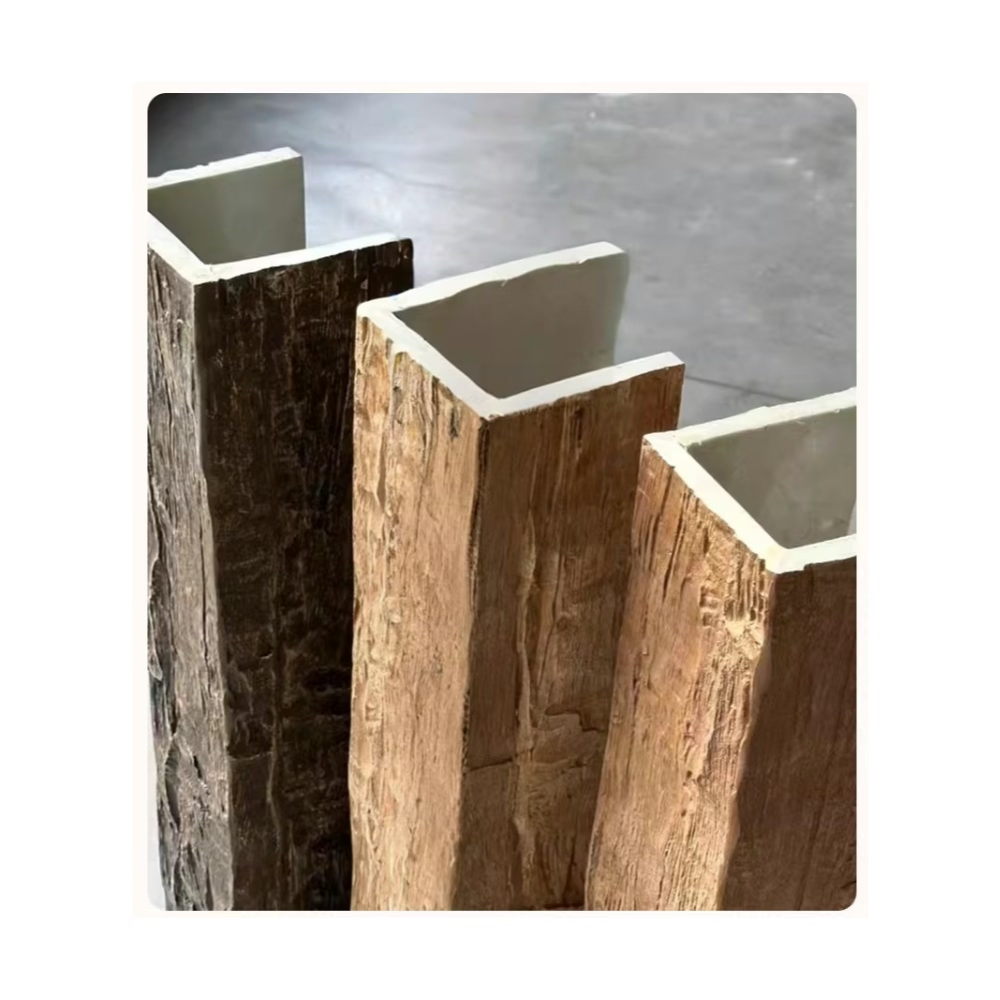
Grease and cooking residue that might adhere to real wood clean easily from faux beam surfaces. The smooth, non-porous material doesn't harbor the particles that accumulate in wood grain, simplifying routine cleaning.
Moisture from cooking steam and humidity fluctuations causes real wood to warp and crack over time. Faux beams resist these effects, maintaining original appearance despite challenging kitchen conditions. This durability ensures lasting beauty without ongoing attention.
The lightweight nature of faux beams means secure mounting doesn't require the heavy-duty hardware that real timber demands. Properly installed beams remain safely attached despite the vibrations and temperature changes that kitchen environments produce.
Investment and Return
Kitchen renovations with rustic faux beams provide returns across multiple dimensions—functional, aesthetic, and financial.
Functional returns include the improved kitchen atmosphere that supports family gathering and casual dining. Kitchens with warm beam ceilings become destinations rather than merely workspaces, serving expanded household needs more effectively.
Aesthetic returns transform kitchens from generic to distinctive. The architectural interest beams provide elevates kitchen design above standard construction, creating spaces that feel custom-designed rather than merely functional.
Financial returns emerge through increased property value. Well-designed kitchens command higher prices than comparable properties with lesser interiors. The investment in quality beams contributes to overall kitchen value that pays dividends at resale.
By thoughtfully integrating rustic faux wood ceiling beams into modern kitchen renovations, homeowners create cooking spaces that genuinely serve contemporary life. These kitchens become heart-of-the-home destinations where families gather, connect, and create memories that last.
Transform your kitchen renovation with rustic faux wood ceiling beams. Contact us to explore beam options designed for modern kitchen applications and discover how ceiling treatment can elevate your renovation project.
Technical References
ASTM standards cited in every specification
Test Data
Lab results from internal testing program
Updated 2026
Reviewed against current product specs


