The home bar represents one of residential design's most rewarding projects—a dedicated space where hospitality, entertainment, and personal style converge. Unlike most rooms that must serve multiple purposes flexibly, a home bar exists for singular enjoyment. This clarity of purpose allows for bold design choices that might feel excessive elsewhere. Rustic faux wood ceiling beams provide the perfect foundation for atmospheric home bars, adding warmth, character, and the visual weight that commercial establishments work hard to achieve.

Atmosphere drives home bar design more than any other consideration. The best home bars transport visitors—both family members and guests—into spaces that feel removed from ordinary life. They might evoke corner tavern warmth, sports bar excitement, sophisticated cocktail lounge elegance, or rustic lodge character. Ceiling beams contribute fundamentally to this transportation effect, creating overhead architecture that signals "we've arrived somewhere special." Without this architectural foundation, even the finest bar equipment and most elaborate decor can feel like a kitchen with a fancy sink.
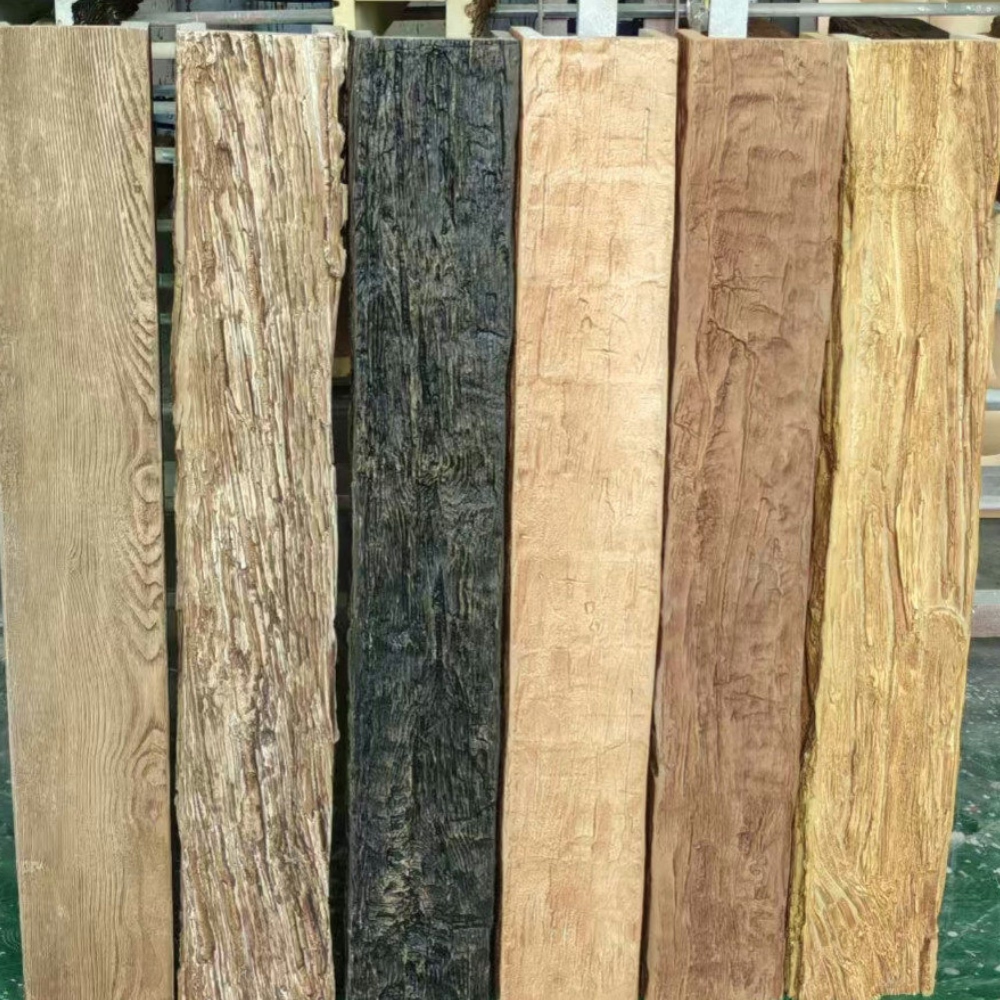
Beam style selection should align with the specific atmosphere you want to create. Sports bars and game rooms often benefit from substantial, roughly finished beams that suggest masculine, casual environments. Think dark wood tones, visible texture, and substantial presence overhead. Sophisticated lounges might prefer cleaner beam profiles with refined finishes—still rustic in character but more restrained in execution. Family entertainment bars could incorporate lighter wood tones that maintain warmth without overwhelming surrounding décor. The beam style establishes the room's personality before any other element enters the conversation.
Bar placement relative to ceiling beams deserves thoughtful attention. Center the bar beneath the room's most visually prominent beam arrangement when possible—this natural relationship creates the most coherent spatial experience. For open floor plans where the bar occupies one zone of a larger space, beams can define the bar area without requiring walls or barriers. A row of beams running perpendicular to the bar top creates visual separation from adjacent living spaces while maintaining the openness that makes home bars enjoyable.

Lighting integrates with beam installations to create the dramatic atmosphere home bars require. Recessed fixtures aimed across beam surfaces create shadows that emphasize texture and depth. Pendant lights positioned above the bar top provide task illumination for drink preparation while adding visual weight at human scale. Some homeowners install lighting inside hollow beam cavities, creating ambient glow that suggests aged wood permeated with warm light. Fiber optic systems can simulate flickering firelight within beam installations, adding movement and life to static architectural elements.
The bar itself should complement rather than compete with overhead beams. Counter materials range from rustic reclaimed wood to sleek polished stone depending on the desired atmosphere. Dark granite and soapstone read as sophisticated, while butcher block and live-edge slabs emphasize rustic character. Backbar shelving displays collections beautifully, with bottles catching light from strategically positioned fixtures. Glass-front refrigerated units keep beverages at proper temperature while maintaining visual access to inventory. Each element contributes to the complete bar experience.
Sound considerations become important in dedicated bar spaces. The combination of hard surfaces—stone or tile flooring, wood beams, glass shelving—creates acoustic environments that amplify noise significantly. Consider incorporating acoustic treatment within beam installations when possible, using hollow beam cavities to house sound-absorbing materials. Rugs, leather furniture, and fabric drapes add softening layers that prevent echo without sacrificing the rustic aesthetic. These practical interventions allow conversations and music to coexist pleasantly.
Entertainment systems complement bar design for spaces intended for watching sports, playing games, or hosting movie nights. Television placement requires careful coordination with beam installations—beams can frame screens beautifully when positioned correctly, or create frustrating obstructions when ignored. Work with your beam installer to ensure proper mounting locations and cable management before completing installations. The best home bars integrate technology seamlessly, with systems appearing to belong rather than being added afterthoughts.
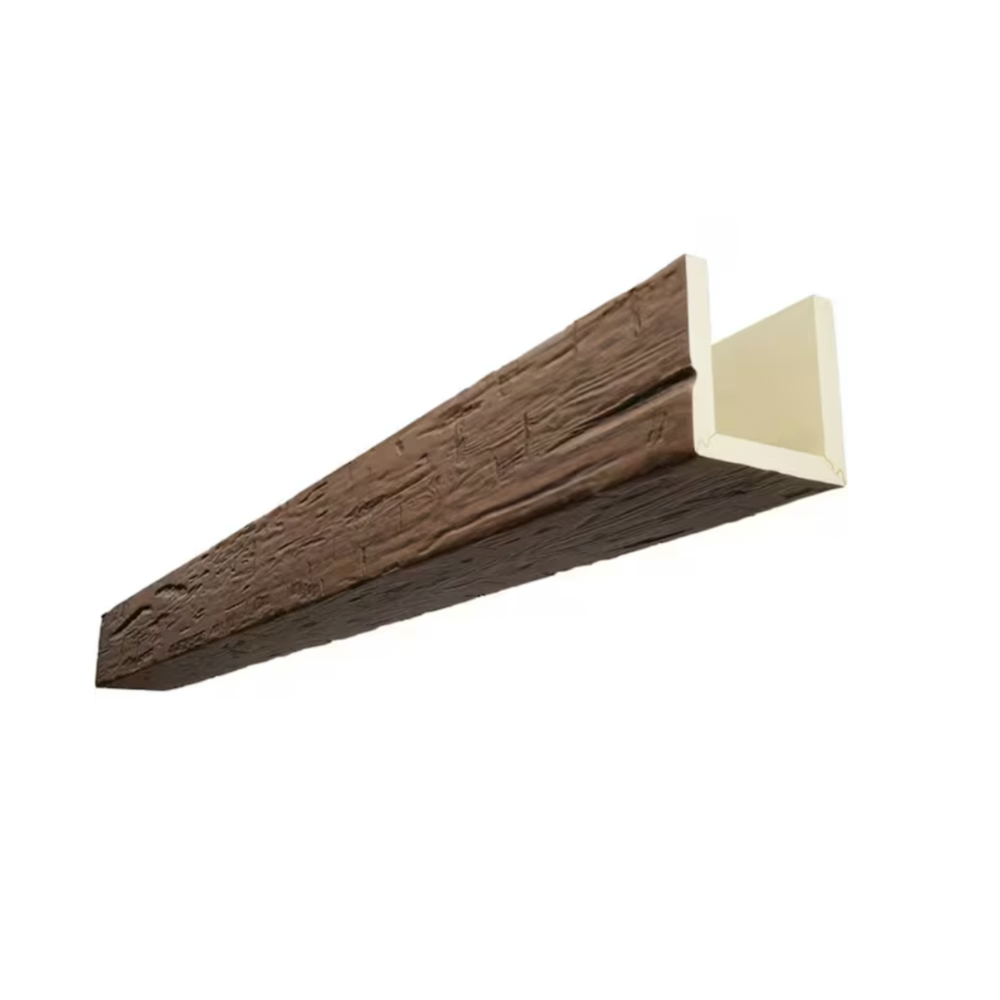
Polyurethane beams offer particular advantages in bar applications. Bars often feature humid environments from beverage service and gathering crowds. The material's resistance to moisture absorption prevents the warping, cracking, and mold growth that can plague genuine wood in these conditions. Spills and splashes clean easily from polyurethane surfaces. The material accepts mounting hardware reliably for hanging fixtures, shelves, and accessories. These practical benefits ensure your beautiful bar remains attractive through years of enjoyment without requiring specialized maintenance or restoration.
The investment in quality beams and thoughtful bar design returns value constantly through daily use and memorable gatherings. Home bars become gathering places where family connections deepen and friendships strengthen. Weekend game nights, holiday celebrations, and impromptu conversations over drinks all benefit from spaces designed for exactly these moments. For homeowners who value hospitality and entertainment, a well-designed home bar with rustic ceiling beams represents one of residential design's most satisfying investments.
Technical References
ASTM standards cited in every specification
Test Data
Lab results from internal testing program
Updated 2026
Reviewed against current product specs