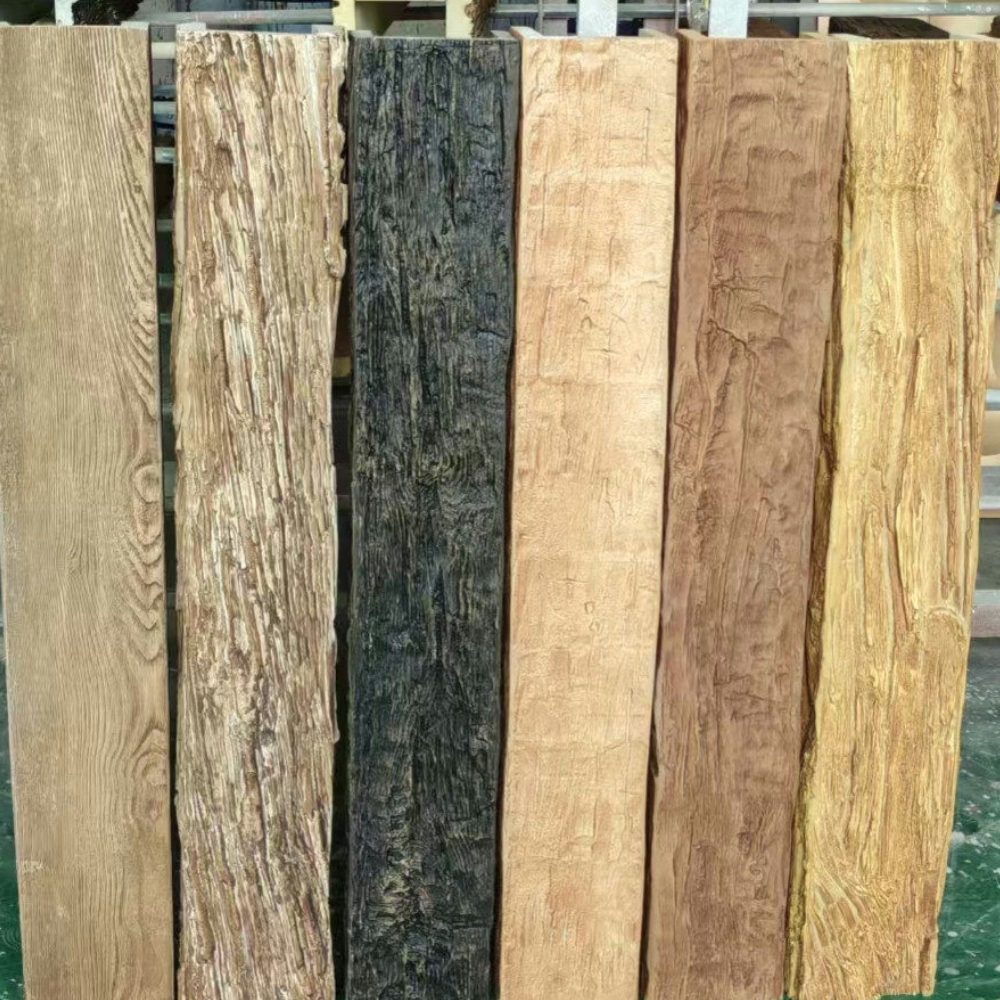
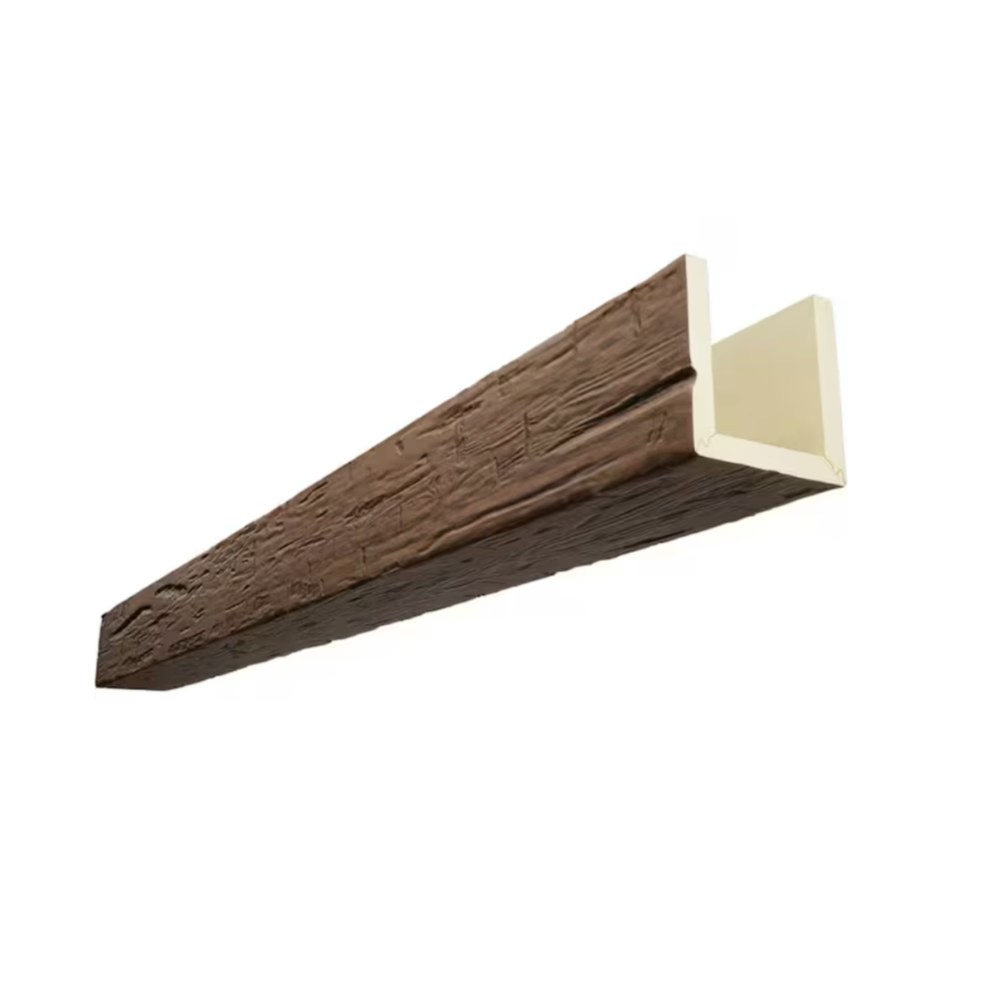
The mid-century modern cabin aesthetic has experienced remarkable revival in recent years. A generation raised on screens and synthetic materials has developed deep appreciation for the honest craftsmanship and natural materials that defined earlier eras. Rustic fir-look polyurethane beams serve this nostalgia beautifully, providing the architectural character that authentic retro cabins featured while accommodating the practical requirements of modern construction and maintenance expectations.

Mid-century cabin design emerged from specific cultural and practical circumstances that inform its aesthetic. Post-war prosperity enabled families to build retreats away from expanding suburbs. Modernist architectural philosophy emphasized honesty in materials and structural expression. Industrial materials—steel, glass, concrete—entered residential architecture alongside traditional wood. The resulting interiors featured exposed structure, natural materials, and generous glazing that connected interiors to surrounding landscapes. Ceiling beams in these settings served both structural and aesthetic purposes, expressing the modernist commitment to visible building elements.
Retro cabin authenticity requires attention to period-appropriate details that casual observers might overlook. Beam proportions from the mid-century era tend toward slimmer profiles than contemporary rustic applications typically feature. Beams might span significant distances with minimal depth, expressing structural efficiency rather than timber mass. Gaps between beams and adjacent surfaces were often left clean rather than detailed with trim or molding. These subtle differences distinguish authentic retro interpretations from generalized rustic approximations.
Color considerations differ between retro and traditional rustic applications. Mid-century palettes favored lighter wood tones—the clear finishes of Scandinavian design, the honey tones of American walnut, the pale surfaces of ash and birch. Dark-stained timber, while common in traditional rustic settings, appears less frequently in period-correct mid-century interiors. Selecting appropriately light fir-look beams honors this aesthetic while providing the warmth that wood surfaces contribute regardless of tone.

Furniture pairings determine whether retro beam installations read as successful period recreation or awkward anachronism. Mid-century furniture pieces feature clean lines, gentle curves, and material honesty that complement exposed beam ceilings beautifully. Walnut case pieces, leather sofas, and chrome-and-vinyl dining sets create cohesive environments where beams feel like natural components rather than added decoration. Avoid pairing retro beams with heavy colonial reproductions or ornate Victorian pieces—these styles clash with mid-century modernism regardless of beam treatment.
Window treatments in retro cabin interiors should maintain the connection to nature that mid-century architects prioritized. Floor-to-ceiling windows, large picture windows, and sliding glass doors bring outdoor views into interior spaces. Treatment options include simple roller shades in natural textures, horizontal blinds that echo the horizontal emphasis of mid-century design, or no window covering at all when privacy isn't a concern. Heavy draperies and elaborate valances conflict with the clean aesthetic that beams help establish.
Lighting design offers opportunities to enhance retro character throughout cabin interiors. Pputnik fixtures—those playful space-age pendant designs featuring atomic-age forms—hang beautifully from mid-century beam installations. Recessed ceiling fixtures maintain clean ceiling lines while providing ambient illumination. Wall sconces with arm extending from backplates add character to walls without cluttering ceiling planes. The goal should be maintaining the architectural clarity that mid-century design prized while providing sufficient light for comfortable evening use.
Polyurethane beams accommodate retro applications particularly well because they can replicate the specific beam profiles common to mid-century construction. The slimmer proportions, cleaner lines, and minimal detailing that define mid-century beams are easily achieved in manufactured products. Quality suppliers offer period-appropriate profiles that simplify authentic retro recreation. This manufacturing flexibility means homeowners need not compromise on accuracy to achieve practical benefits—every detail can be precisely replicated.
The practical advantages of polyurethane for retro cabin applications align perfectly with vacation property requirements. Weekend retreats and seasonal cabins benefit from materials that maintain appearance without ongoing attention. The resistance to moisture, insects, and environmental fluctuation that polyurethane provides ensures that careful design choices remain intact for future generations to enjoy. What begins as a design project becomes a family heirloom, preserving mid-century character for decades of happy memories.
Technical References
ASTM standards cited in every specification
Test Data
Lab results from internal testing program
Updated 2026
Reviewed against current product specs